
Beyond the Stars and Logic: How Leonard Nimoy Left an Indelible Mark on the Transformers Franchise
Main Facts
The Transformers franchise is a multi-billion-dollar global juggernaut, spanning decades of television series, comic books, blockbuster live-action films, and merchandising empires. Yet, for millions of fans worldwide, the beating heart of the franchise’s cinematic history traces back to a single, explosive 1986 animated feature: The Transformers: The Movie.
While the film was initially met with a lukewarm critical reception and a notorious reputation for brutalizing its toy lineup through shocking, on-screen character deaths, it has since blossomed into a cherished cult classic. A significant driver of its enduring legacy is its remarkably high-caliber voice cast. Alongside Judd Nelson as Hot Rod and the legendary Orson Welles in his final theatrical role as the planet-eating god Unicron, the film featured science-fiction royalty: Leonard Nimoy.
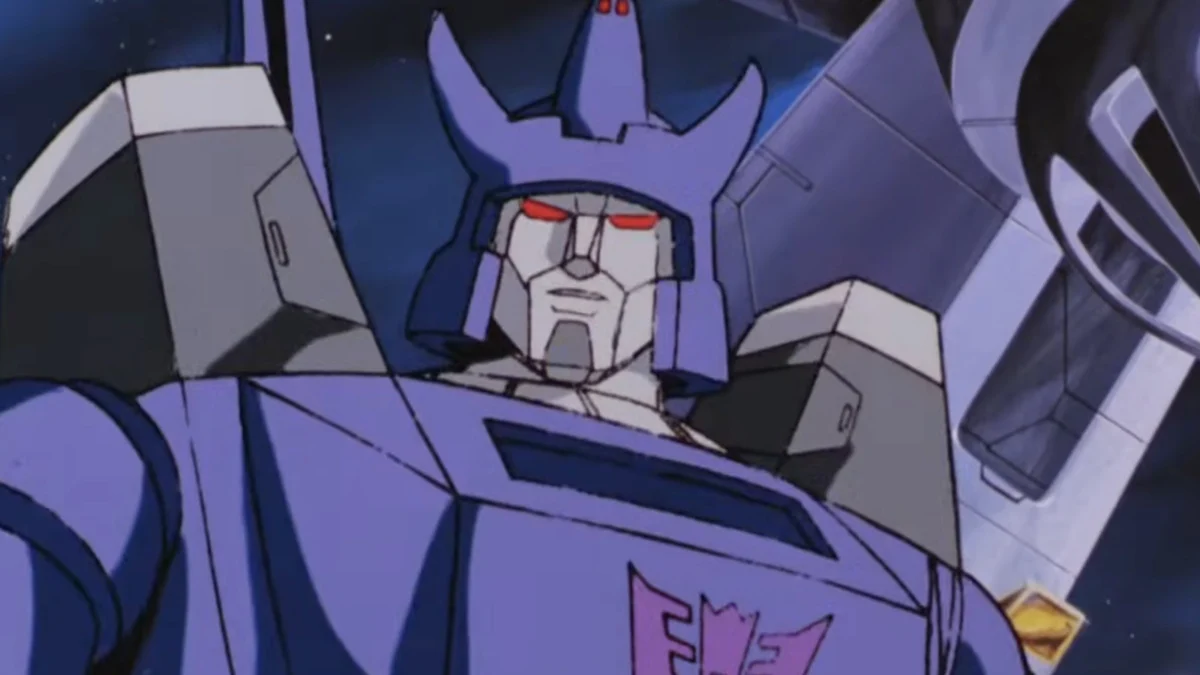
Best known globally as the stoic, logical half-human, half-Vulcan Mr. Spock from Star Trek, Nimoy stepped far outside his comfort zone to voice Galvatron, the terrifyingly reborn incarnation of the Decepticon leader Megatron. Stripping away the campy inflection of Megatron’s original voice actor, Frank Welker, Nimoy imbued Galvatron with a booming, cavernous, and scorched vocal presence that signaled a darker era for the franchise.
Nimoy’s relationship with Transformers did not stop in 1986. Decades later, the legendary actor returned to the franchise to voice Sentinel Prime in Michael Bay’s 2011 blockbuster Transformers: Dark of the Moon. Through these two distinct roles—one an unhinged, tormented herald of chaos, and the other a fallen, pragmatic mentor—Nimoy proved that his dramatic range extended far beyond the bridge of the USS Enterprise, permanently shaping the mythos of Hasbro’s robotic icons.
Chronology: A History of Nimoy’s Transformers Journey
The Prequel Influence: The Ghost of Spock (Pre-1986)
Long before Leonard Nimoy ever stepped foot inside a recording booth to voice a Decepticon, his iconic television persona had already quietly infiltrated the Transformers universe. During the development of Generation 1 in the mid-1980s, the cold, hyper-logical, emotionless character traits of Mr. Spock heavily inspired the creation of the Decepticon scientist and assassin Shockwave. While Shockwave would not receive a voice performance by Nimoy, the thematic DNA was firmly established: Nimoy’s signature archetype was already the blueprint for cold, calculated cybernetic menace.
The Transformation of Megatron (The Transformers: The Movie, 1986)
When production ramped up on The Transformers: The Movie, the creative team made the bold, economically driven decision to wipe out a massive portion of the original toy cast to make room for newer products. This included the brutal defeat of Autobot leader Optimus Prime and the near-fatal wounding of Decepticon commander Megatron.
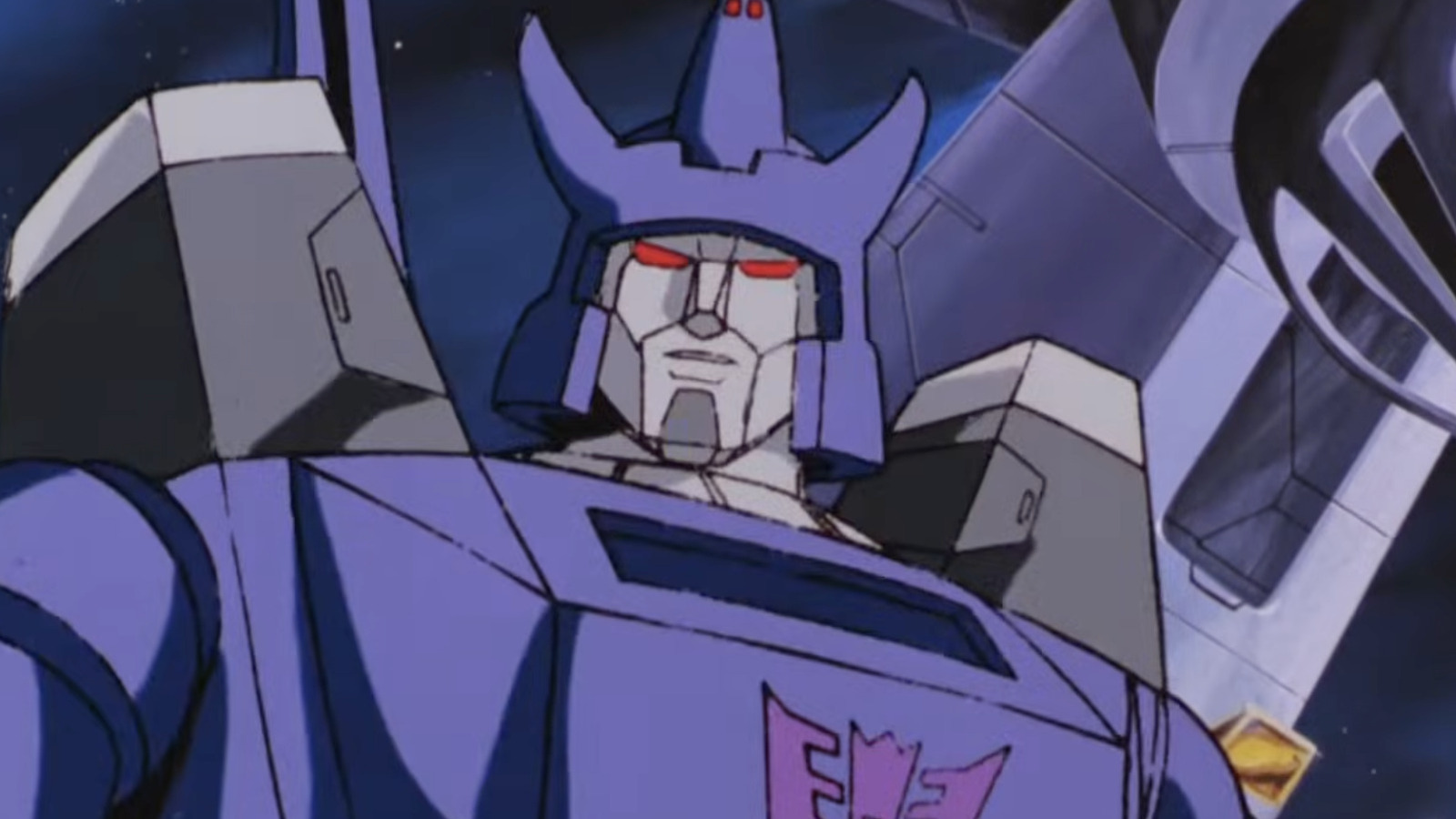
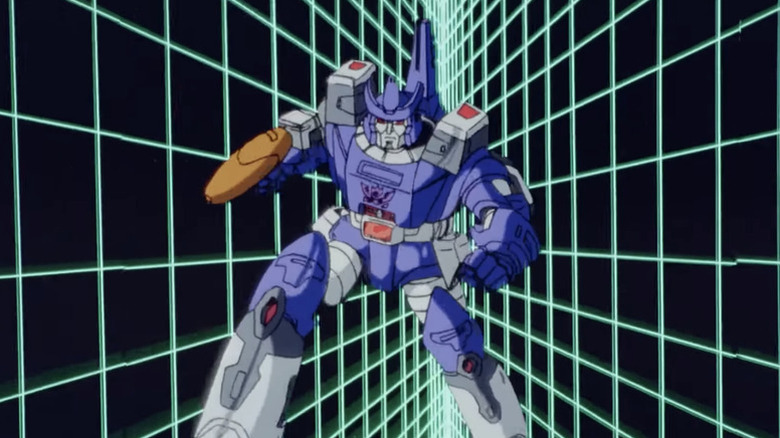
Cast out into the cold expanse of space by the treacherous Starscream, Megatron is intercepted by the cosmic entity Unicron. Offered a new body and supreme power in exchange for absolute servitude, Megatron is forcefully reborn as Galvatron. Eschewing Frank Welker’s original mid-range, handgun-transforming persona, Leonard Nimoy took over the role. He delivered a performance marked by apocalyptic fury, launching a terrifying reign that began with the execution of Starscream and set a grim, operatic tone for the remainder of the 1980s animated series.
The Live-Action Return (Transformers: Dark of the Moon, 2011)
Twenty-five years after breathing fiery life into Galvatron, Leonard Nimoy made a triumphant return to the franchise in director Michael Bay’s third live-action installment, Transformers: Dark of the Moon. By 2011, Nimoy was in semi-retirement from major on-camera roles, but he enthusiastically agreed to lend his legendary gravitas to Sentinel Prime—the ancient, long-lost predecessor to Optimus Prime.
Rather than playing a straightforward villain from the start, Nimoy’s Sentinel Prime is introduced as a wise, weary mentor figure. However, the narrative pulls a dramatic rug out from under the audience: Sentinel has secretly allied with the Decepticons to enslave humanity and harvest Earth’s resources to restore Cybertron. Nimoy’s final vocal performance in the franchise showcased a tragic, complex antagonist driven by twisted pragmatism, marking one of the final major acting credits of his illustrious career before his passing in 2015.
Supporting Data: The Production and Impact of The Transformers: The Movie
To understand the weight of Leonard Nimoy’s involvement, one must examine the production landscape of 1980s animation. Animated features derived from Saturday morning cartoons were typically viewed as cynical 90-minute toy commercials designed to generate quick revenue. However, producer-director Nelson Shin and writer Ron Friedman approached The Transformers: The Movie with grander, almost Shakespearean ambitions.
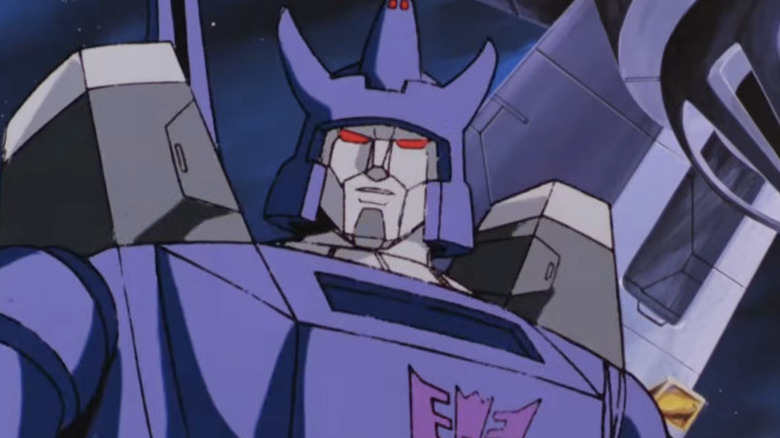
- The Voice Cast Budget: The inclusion of A-list and veteran screen actors—Orson Welles, Leonard Nimoy, Robert Stack, and Eric Idle—elevated the production far above standard television fare.
- The Character Arc Data: According to writer Ron Friedman at TFCon Toronto 2019, the transition from Megatron to Galvatron was fundamentally philosophical. Birth and death are framed as transformations; thus, killing Megatron physically was not enough. He had to undergo a metaphysical and psychological fracturing, which Nimoy’s vocal delivery captured through lower registers and acoustic distortion.
- Box Office and Cult Status: Upon its release in August 1986, the film grossed roughly $5.8 million to $6.1 million against a modest budget, falling short of studio expectations. However, home video releases, VHS rentals, and syndication turned it into a cultural touchstone. A 2019 Fathom Events theatrical re-release proved that the film’s fanbase remains fiercely dedicated, driven in large part by its iconic voice performances.
Official Responses and Creative Insights
The decision to cast Leonard Nimoy as Galvatron, and later as Sentinel Prime, was born out of a desire to inject classical acting weight into science fiction archetypes.
Reflecting on the philosophy of the 1986 film, writer Ron Friedman explained the rationale behind discarding the original Megatron persona:
"I wanted to take a transforming character, Megatron, and transform him through death… Birth and death are both transformations."
This narrative necessity required an actor capable of projecting absolute authority mixed with psychological torment. Nimoy, having spent decades mastering the internal conflicts of characters like Spock, brought a distinct gravitas that separated the newly minted Galvatron from standard cartoon villainy.
Decades later, when production began on Transformers: Dark of the Moon, director Michael Bay and the casting department sought an actor who could command immediate respect and match the moral weight of Peter Cullen’s Optimus Prime. Speaking on his casting in 2011, Nimoy expressed an affinity for the science-fiction genre and a willingness to embrace complex, morally gray characters. Rather than playing a hero, Nimoy leaned into the tragedy of Sentinel Prime—a leader who justifies atrocities through the lens of utilitarian survival, echoing the darker themes that had defined his earlier work as Galvatron.
Implications for the Franchise’s Future
Leonard Nimoy’s contributions to Transformers altered the trajectory of the franchise’s storytelling, proving that intellectual property rooted in children’s toys could support complex, operatic narratives involving trauma, betrayal, and philosophical corruption.
- Elevating Sci-Fi Voice Acting: Nimoy demonstrated that legendary screen actors could lend immense credibility to animated and CGI-driven blockbusters without losing their artistic integrity. This paved the way for other prestige actors (such as John Noble, Hugo Weaving, and Anthony Hopkins) to enter the Transformers universe in later decades.
- The Blueprint for Villainous Redemption and Subjugation: Galvatron’s dynamic with Unicron—a powerful tyrant reduced to a cowering servant under an even greater cosmic terror—became a narrative template. Subsequent iterations, such as the epilogue movie Transformers: Prime – Predacons Rising, directly mirrored this master-servant dynamic, ensuring Nimoy’s 1986 interpretation remained the definitive gold standard for corrupted leadership.
- The Duality of Mentorship and Betrayal: Sentinel Prime in Dark of the Moon inverted the traditional wise-mentor trope. By casting Nimoy, a figure historically trusted as a moral compass (thanks to Star Trek), the betrayal carried visceral emotional weight. Future iterations of Sentinel Prime across comics and animated series have since adopted this morally compromised archetype, shifting away from pure nobility toward cold, pragmatic fanaticism.
Ultimately, Leonard Nimoy’s voice work bridges the gap between the nostalgic, hand-drawn roots of 1980s pop culture and modern blockbuster cinema. Whether booming across the cosmos as the unhinged herald of chaos or whispering cold rationalizations as a fallen Prime, Nimoy left a permanent, resonant echo in the halls of Cybertron.
