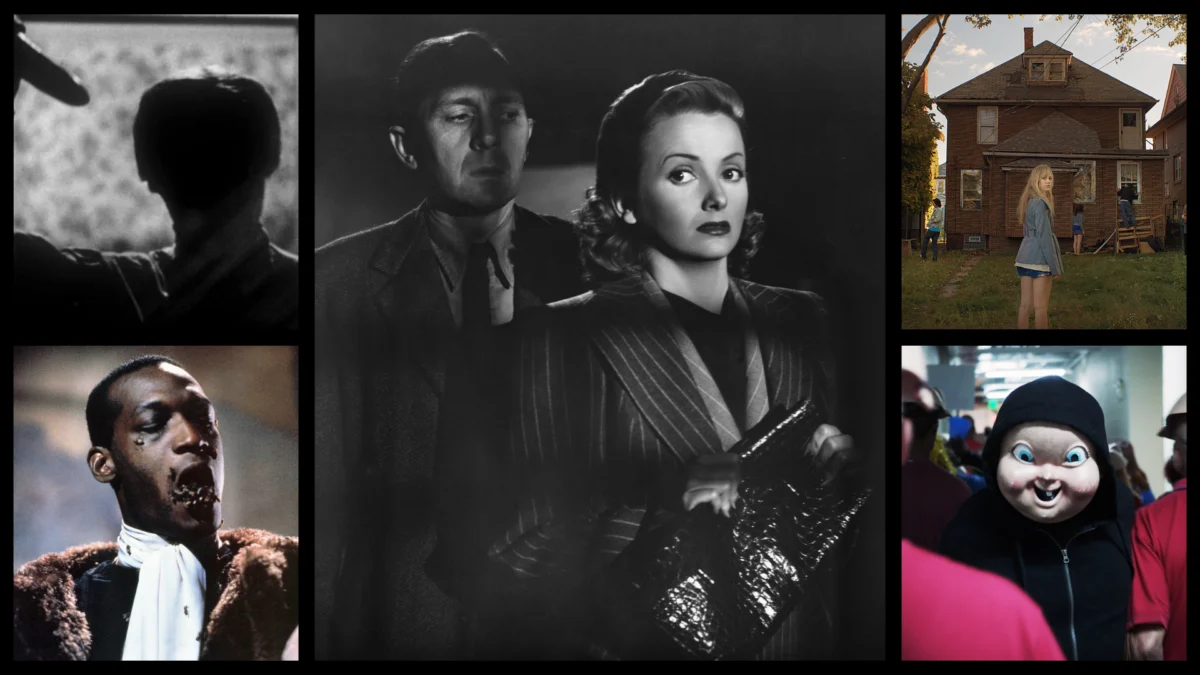
For decades, the slasher film has occupied a complex and often polarizing space within cinema. Long dismissed by high-brow critics as a disreputable, hyper-violent, and inherently misogynistic corner of the horror landscape, the subgenre has nonetheless remained a resilient cultural touchstone. At its core, the traditional slasher formula relies on a familiar blueprint: a masked or unseen assailant systematically stalks and murders a group of mostly youthful transgressors, usually leaving behind a sole, resourceful survivor—the iconic "Final Girl."
Critics have frequently noted that these films often punish female sexuality while catering to voyeuristic impulses, indulging the male gaze even as they condemn it. Yet, the finest entries in the slasher canon do much more than rely on cheap thrills. They operate as deeply psychological, idea-driven narratives that often mirror society’s obsession with true crime. By examining why audiences are continuously drawn to cinematic depictions of beastly criminality, the best slasher movies force viewers to confront an uncomfortable question: Where is the exact line between passively watching a horrific act unfold on screen, and finally looking away?
IndieWire’s newly updated comprehensive guide to the 16 greatest slasher movies of all time explores this exact tension, tracing the genre from its gritty, independent roots to its current status as a mainstream powerhouse capable of converting even the most steadfast horror skeptics into passionate enthusiasts.
Chronology: From Silent Stalkers to Meta-Slashers
To understand how the modern slasher came to be, film historians must trace a lineage that stretches back nearly a century, weaving through various international movements and shifting cultural anxieties.
The Precursors: 1940s–1960s
While the genre as modern audiences recognize it was forged in the mid-1970s, its foundational elements were established much earlier. Films like Alfred Hitchcock’s The Lodger and 1943’s The Leopard Man introduced audiences to the chilling concept of the silent, unseen stalker lurking in the shadows.
A seismic shift occurred in the late 1960s and 1970s with the rise of the Italian giallo film movement. Spearheaded by master auteurs like Dario Argento and Mario Bava, these stylish thrillers terrorized European audiences with signature killer tropes—such as the infamous tight black leather gloves—and elaborate, hyper-stylized murder sequences that obliterated previous boundaries for cinematic gore.
The Grungy 1970s: Birth of Modern Terror
The true American slasher was born out of the gritty, independent cinema boom of the mid-1970s. Filmmakers working outside major studio systems broke conventional rules and introduced legendary, unstoppable villains to the cultural lexicon. Tobe Hooper’s sun-drenched, harrowing masterpiece The Texas Chainsaw Massacre (1974) and John Carpenter’s suburban-nightmare blueprint Halloween (1978) established the kinetic pacing, low-budget ingenuity, and sheer dread that would define decades of subsequent filmmaking.
The 1980s and 1990s: Franchises and Meta-Commentary
During the 1980s, the genre exploded into mainstream commercial viability, driven largely by lucrative studio franchises. Supernatural stalkers like Freddy Krueger (A Nightmare on Elm Street) and iconic masked slashers like Chucky kept box offices thriving, even as the market grew saturated with repetitive, formulaic sequels.
By the mid-1990s, the genre faced creative exhaustion until Wes Craven and screenwriter Kevin Williamson upended the rules with Scream (1996). Injecting a sharp, self-referential, and meta-textual streak into the proceedings, Scream acknowledged that its characters had actually seen horror movies, creating a clever dialogue with the audience that countless subsequent films have attempted to emulate.
Supporting Data: The Genre’s Cultural and Commercial Footprint
While contemporary horror discourse is frequently dominated by "elevated" horror hits—such as Ari Aster’s Hereditary or Jennifer Kent’s The Babadook—slashers remain the ultimate gateway drug for horror fandom.
Box Office Resilience: According to industry tracking data, slasher franchises consistently boast some of the highest return-on-investment (ROI) ratios in motion picture history. Low initial production costs combined with dedicated, repeat-viewing fanbases make independent and mid-tier slashers exceptionally profitable.
The "Final Girl" Trope: Film studies data reveals that over 70% of classic 1980s slasher films feature a female protagonist who survives by abstaining from premarital sex, alcohol, and drug use—a puritanical survival metric that has become a primary subject of modern academic deconstruction and subversion.
Global Influence: Elements of the American slasher have successfully cross-pollinated with international cinemas, inspiring movements in Asian horror (such as Japanese and South Korean psychological thrillers) and European arthouse horror alike.
Official Responses and Critical Perspectives
The ongoing critical re-evaluation of the slasher genre has involved extensive commentary from prominent film critics, historians, and filmmakers.
Editorial contributors to IndieWire’s definitiveretrospective—including Tambay Obenson, Christian Blauvelt, Eric Kohn, Anne Thompson, and Alison Foreman—emphasize that the genre’s enduring appeal lies in its ability to adapt to changing societal fears.
"Slasher movies are generally considered to be among the more disreputable horror film subgenres," notes the editorial team. "But the best slasher movies are as idea-oriented as any horror films. And almost all force you to look within and ask yourself: what’s the line between you watching a horrific act… and finally looking away?"
Historically, studio executives and censors heavily scrutinized these films for their depiction of violence against women. In response, filmmakers of the 1980s and 1990s deliberately evolved their storytelling techniques, shifting from pure sadism toward dark humor, camp, and empowering survival narratives where the "Final Girl" transforms from a passive victim into an active, formidable adversary.
Implications: Where the Slasher Genre Goes From Here
As the entertainment landscape continues to navigate the massive popularity of streaming platforms and theatrical horror events, the implications for the slasher subgenre are profound.
Subverting Tropes for Modern Audiences: Contemporary filmmakers are increasingly subverting traditional slasher tropes to reflect modern progressive values. Rather than punishing characters for their sexuality, recent horror hits often use the slasher framework to explore trauma, systemic oppression, and intersectional identity.
The Nostalgia Economy: Franchises like Halloween, Scream, and Candyman have proven that legacy sequels—bringing back original actors alongside a new generation of characters—can dominate modern box offices. This nostalgia-driven approach ensures that foundational slasher mythology remains deeply embedded in contemporary pop culture.
The Bridge to Hardcore Fandom: Despite the critical acclaim heaped upon slow-burn psychological dramas, the accessible, adrenaline-fueled nature of the slasher ensures it will always serve as the primary entry point for new generations of horror fans. As long as audiences harbor a collective fascination with the dark side of human behavior, the masked killer on screen will continue to stalk the cinematic imagination.