
The Malleable Monster: How Clayface Shatters the Superhero Mold
For nearly two decades, the cinematic landscape of comic book adaptations has been dominated by a singular, homogenized aesthetic. The "Disneyfied" Marvel Cinematic Universe and its various satellites have largely swaddled audiences in a comfortable, family-friendly safety blanket. These PG-13 spectacles, while technically proficient, often feel like a dependable, mass-produced brand of squeaky-clean heroism.
Enter Clayface, a film that serves as a visceral, R-rated antidote to the fatigue of spandex-clad morality plays. By leaning into the grimy, tactile legacy of DC Comics’ most tragic antagonist, directors James Watkins and Mike Flanagan have crafted a superhero film that prioritizes psychological horror over world-ending laser beams. It is a work that feels less like a corporate franchise expansion and more like a return to the grotesque, high-concept roots of creature features like Swamp Thing.
The Genesis of a Monster: The Plot Breakdown
At the heart of this harrowing origin story is Matt Hagen, portrayed with chilling intensity by Tom Rhys Harries. Hagen is introduced as an Oscar-nominated actor standing on the precipice of true Hollywood superstardom—a man whose face is his fortune. However, the film quickly descends into a brutal noir when Hagen crosses paths with the partner of a notorious Gotham mob boss.
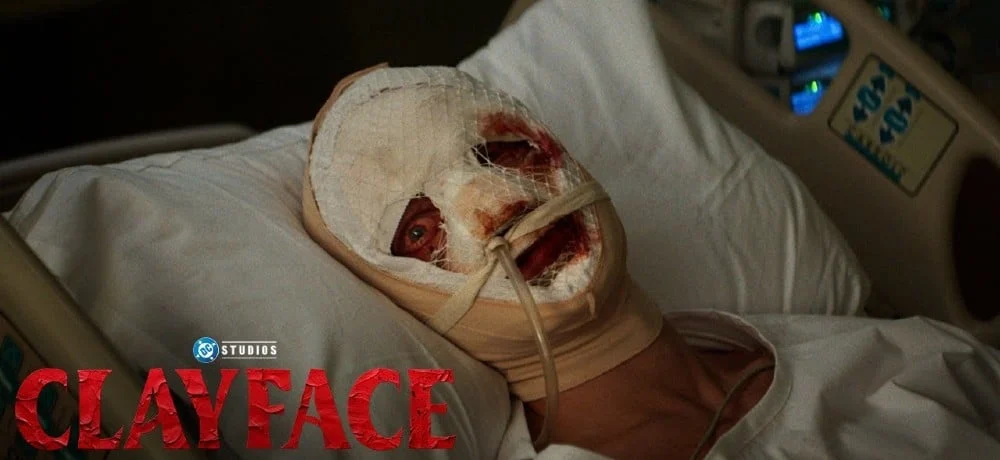
The retribution is swift and savage: the mob boss’s goons ambush Hagen, slicing his face into a "patchwork money-killer." The aftermath is a masterclass in the cruelty of the industry; Hagen’s agent abandons him, his finances evaporate, and his mangled profile makes him a pariah in a town built on aesthetics.
Desperate to reclaim his former glory, Hagen seeks out Dr. Caitlyn Corr (Naomi Ackie), a fringe scientist working on experimental nanobot regenerative research. Hagen becomes her first human trial, a decision that restores his visage but unleashes a biological nightmare. The serum doesn’t just heal; it reconfigures, granting him the ability to shift his shape—and with it, his sanity.
A Creative Synergy: Watkins Meets Flanagan
The collaboration between James Watkins (Speak No Evil, Eden Lake) and Mike Flanagan (The Haunting of Hill House, Midnight Mass) represents a unique harmony of styles. Flanagan brings his signature penchant for human tragedy, peeling back the layers of Hagen’s broken soul to reveal a man who can literally wear any mask, yet feels increasingly disconnected from his own identity.
Watkins, conversely, provides the blunt, uncompromising bleakness that defined his earlier British thrillers. Together with co-writer Hossein Amini, they have managed the monumental task of detailing the Icarus-like downfall of a narcissist while keeping the audience firmly rooted in his suffering. The film is simultaneously mean, compassionate, and playfully cynical about the vapidity of celebrity culture.
Visualizing the Grotesque: Body Horror and VFX
Clayface is, first and foremost, a body-horror venture. Drawing inspiration from the definitive "Feat of Clay" episodes of Batman: The Animated Series, the film does not shy away from the visceral reality of a man losing his physical integrity.
The visual effects are not designed to be clean or heroic; they are melty, lumpy, and deeply uncomfortable. When Hagen’s body reacts to the nanobots, it droops like a wax candle left too close to a furnace. The film lingers on the "eyelid gunk" and the fused flesh, evoking the spirit of David Cronenberg’s The Fly. While not necessarily designed to induce pure terror, the film is profoundly unnerving, utilizing a level of bloodshed and structural violence that would be censored in most contemporary cape-flicks.
Supporting Data: Narrative Strengths and Weaknesses
While the film succeeds as an atmospheric piece, it is not without its minor structural tremors. The mob-noir elements, while stylish, occasionally feel like a retread of familiar genre tropes.
- The Cast Dynamics: Naomi Ackie delivers a grounded performance as the modern-day Dr. Frankenstein, but the inclusion of Max Minghella as a Gotham detective and Dr. Corr’s fiancé introduces a love-triangle subplot that feels like a vestigial limb on an otherwise taut narrative.
- The Kill Count: While the film features some truly imaginative, stomach-turning kills, there are moments where the pacing falters. One particular death sequence, intended to be a highlight of the film’s brutality, feels underwhelming when compared to the high bar set by the film’s more kinetic, shape-shifting set pieces.
- Thematic Depth: The film excels when it examines the ego of a man hiding behind personas. However, the sequence of betrayals Hagen faces can sometimes feel like a checklist of noir conventions, occasionally dampening the momentum of his psychological descent.
Implications for the DC Cinematic Universe
The existence of Clayface signals a pivot point for DC under the guidance of James Gunn. By allowing filmmakers to experiment with genre—in this case, horror—the studio is effectively signaling that it is no longer interested in forcing every character into a four-quadrant, PG-13 box.
If Clayface proves anything, it is that there is a starving audience for "vile and traumatic" storytelling within the superhero genre. By embracing a protagonist whose morality is fluid and whose physical form is a weapon of vengeance, Watkins and Flanagan have created a character study that transcends the "superhero" label entirely.
Conclusion: A New Standard for Villain Origins
Tom Rhys Harries’ performance is the anchor that prevents the film from drifting into pure absurdity. He weaponizes his own natural charisma, making the transition from a vain, pretty-boy actor to a monstrous, shapeless entity feel like a logical, albeit tragic, progression.
Clayface is a successful, bold, and unapologetically dark entry in the DC canon. It benefits from Watkins’ stylistic grit and Flanagan’s emotional intelligence, resulting in a film that is as fun as it is disturbing. It may not be as low-down as Watkins’ previous indie work, nor as emotionally devastating as Flanagan’s best opuses, but it is a perfect synthesis of the two.
For those tired of the cookie-cutter approach to comic book movies, Clayface is a refreshing, albeit blood-soaked, reminder that the most compelling stories often dwell in the muck. As it stands, it is a 3.5/5 achievement that proves that, when it comes to mature, nuanced villain studies, the current landscape of superhero cinema still has a lot to learn.
Key Takeaways at a Glance:
- Directors: James Watkins and Mike Flanagan.
- Starring: Tom Rhys Harries, Naomi Ackie, Max Minghella.
- Genre: Body Horror / Noir / Superhero.
- Tone: R-rated, visceral, and psychologically driven.
- Core Theme: The disintegration of the self and the toxicity of Hollywood celebrity.
