
Scoring the Chaos: The Musical Landscape of Bora Dagtekin’s ‘The Perfect Holiday’
Introduction: A Return to the Ensemble
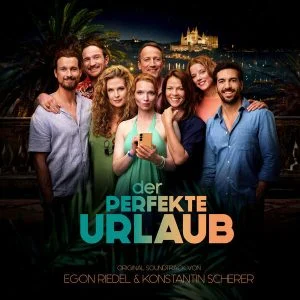
The German cinematic landscape has long been defined by the sharp, rhythmic, and often chaotic ensemble comedies directed by Bora Dagtekin. With the release of his latest project, The Perfect Holiday (Der perfekte Urlaub), hitting theaters today, fans are once again treated to a high-stakes dramedy that tests the limits of long-standing friendships. However, beyond the witty dialogue and the sun-drenched cinematography, the film’s emotional backbone is provided by a meticulously crafted soundtrack. Königskinder has officially released the score album, showcasing the collaborative efforts of composers Egon Riedel and Konstantin Scherer (also known as Djorkaeff).
This article explores the synthesis of music and narrative in The Perfect Holiday, tracing the musical pedigree of its composers, the cultural significance of the soundtrack’s featured tracks, and the implications of this release within the broader context of modern European film music.
The Core Facts: A Collaboration of Cinematic Veterans
The musical direction of The Perfect Holiday represents a sophisticated blend of traditional cinematic orchestration and contemporary pop sensibilities. Egon Riedel, a composer whose resume includes heavy hitters like Hui Buh, The Hunt for the Hidden Relic, and The Most Beautiful Day, brings a seasoned understanding of how to balance comedy with genuine pathos. His return to the world of Dagtekin—having previously worked on the 2019 hit The Perfect Secret—ensures a thematic continuity that audiences familiar with the franchise will instantly recognize.
Joining Riedel is Konstantin Scherer, or Djorkaeff, a producer and composer whose work on high-energy projects like Sun and Concrete and the Suck Me Shakespeer franchise has defined the sound of modern German commercial cinema. Together, they have curated a soundscape that underscores the volatile nature of a group vacation gone wrong. The album also features a notable pop contribution: "Perfect Kind of Us" by the legendary German girl group No Angels, providing an anthemic, high-energy anchor to the film’s lighter moments.
Chronology of Production and Release
The journey to the screen for The Perfect Holiday has been one of high anticipation. Following the massive success of Dagtekin’s previous ensemble works, production began with a clear focus on establishing an atmosphere that felt both aspirational and deeply flawed.
- Pre-Production and Scoring: As the script began to take shape, the collaboration between Riedel and Scherer was finalized. The duo aimed to create a score that could pivot from the lighthearted, fast-paced dialogue of the friends’ initial departure to the darker, more introspective moments as truths are revealed.
- The Musical Integration: During the editing phase, the music was integrated not merely as background filler but as a narrative tool. The shift in tone—from the excitement of a southern getaway to the tension of interpersonal conflict—is mapped out through the evolving complexity of the score’s arrangements.
- The Official Soundtrack Release: Concurrent with the film’s wide theatrical release, Königskinder released the digital soundtrack. This strategy allows the audience to immediately engage with the musical themes, reinforcing the film’s brand identity upon its debut.
- Theatrical Premiere: Today, the film lands in German theaters, marking a significant milestone for the cast, which features a "who’s who" of German talent, including Elyas M’Barek, Karoline Herfurth, Jessica Schwarz, and Florian David Fitz.
Supporting Data: Understanding the Creative Force
To understand the weight of this soundtrack, one must look at the portfolios of the individuals involved. Egon Riedel has built a career on balancing the fantastical with the human. His work on Blood of the Templars showcased an ability to handle epic, sweeping soundscapes, while his work with Dagtekin has proven his mastery of the "dramedy" genre—a notoriously difficult balance where the music must support a joke without killing the emotional stakes of the scene.
Konstantin Scherer, conversely, brings the grit of urban, youth-centric cinema to the table. His influence is likely what gives The Perfect Holiday its modern, propulsive rhythm. By combining Riedel’s orchestral precision with Scherer’s electronic and pop-infused sensibilities, the score acts as a bridge between the classic ensemble comedy and the modern, fast-paced digital era.
The ensemble cast itself is a data point of immense significance. Bringing together stars like Jella Haase, Wotan Wilke Möhring, and Frederick Lau requires a score that can accommodate a wide range of acting styles. The music acts as the glue, ensuring that despite the large number of characters, the emotional through-line remains coherent.
Official Responses and Creative Vision
Bora Dagtekin has consistently maintained that his films are not just about the laughter, but about the uncomfortable truths that arise when people are forced into proximity. In recent press statements, the director highlighted that the music in The Perfect Holiday was essential to capturing the "chaotic vacation" energy.
"The score had to be a character in itself," a production representative noted. "It had to be able to whisper secrets when the friends were alone and roar with frustration when the group dynamic began to fracture."
The inclusion of the No Angels track, "Perfect Kind of Us," was a deliberate choice by the production team to tap into a sense of nostalgia and shared experience, grounding the film’s modern setting in a musical language that resonates deeply with the German public. The composers, for their part, have expressed that the collaborative nature of the project allowed for a "ping-pong" style of creativity, where the orchestral and the synthetic were constantly challenged and refined by one another.
Implications: The Evolution of the "Dramedy" Score
The release of The Perfect Holiday soundtrack signals a larger trend in the European film industry: the professionalization and elevation of the "commercial" score. No longer are comedies simply backed by licensed hits or generic "funny" themes; there is now an expectation for high-production-value original compositions that can stand alone as albums.
The Rise of Hybrid Scoring
The collaboration between Riedel and Scherer is a prime example of hybrid scoring. By merging the old guard of film composition with the new guard of music production, the film achieves a texture that feels current. This is vital for modern audiences who consume music via streaming platforms—the soundtrack is now a standalone product that competes with the latest pop releases, not just a nostalgic souvenir of a film.
The Role of the Ensemble in Modern Cinema
The film’s focus on the disintegration of friendship in a foreign setting is a mirror to the anxieties of a generation that is hyper-connected yet often lonely. The score facilitates this exploration by shifting from high-tempo, synthetic beats that mimic the frantic pace of modern life to slower, more organic orchestral strings that mirror the raw, painful reality of the characters’ truths.
Commercial Strategy
By releasing the soundtrack via major streaming platforms alongside the theatrical release, Königskinder is maximizing the "transmedia" experience. The ability for fans to listen to the score while traveling to their own holiday destinations reinforces the film’s narrative theme, effectively extending the movie’s reach beyond the theater walls.
Conclusion: A Soundtrack for the Modern Era
The Perfect Holiday is more than just a comedy; it is a meticulously constructed piece of social observation, and its score is the invisible thread that holds its many parts together. Through the combined efforts of Egon Riedel and Konstantin Scherer, the film achieves a rare balance—offering both the levity required for a summer trip and the weight required for a deep dive into human relationships.
As audiences flock to theaters to see the latest work from Bora Dagtekin, they will undoubtedly find themselves moved by the music as much as the performances. Whether it is the pulse-pounding rhythm of a airport arrival or the quiet, melancholic piano that accompanies the reveal of a hidden secret, the soundtrack to The Perfect Holiday proves that the right score can elevate a film from a simple distraction to a poignant reflection on the bonds that keep us together—or tear us apart.
For those eager to experience the sound of the season, the soundtrack is now available for streaming and download. It serves as a testament to the fact that, in the world of cinema, the perfect holiday is rarely about the destination, but about the music that plays along the way.
