
The Cycle Review: A Gritty Return to Old-School Practical Creature Horror
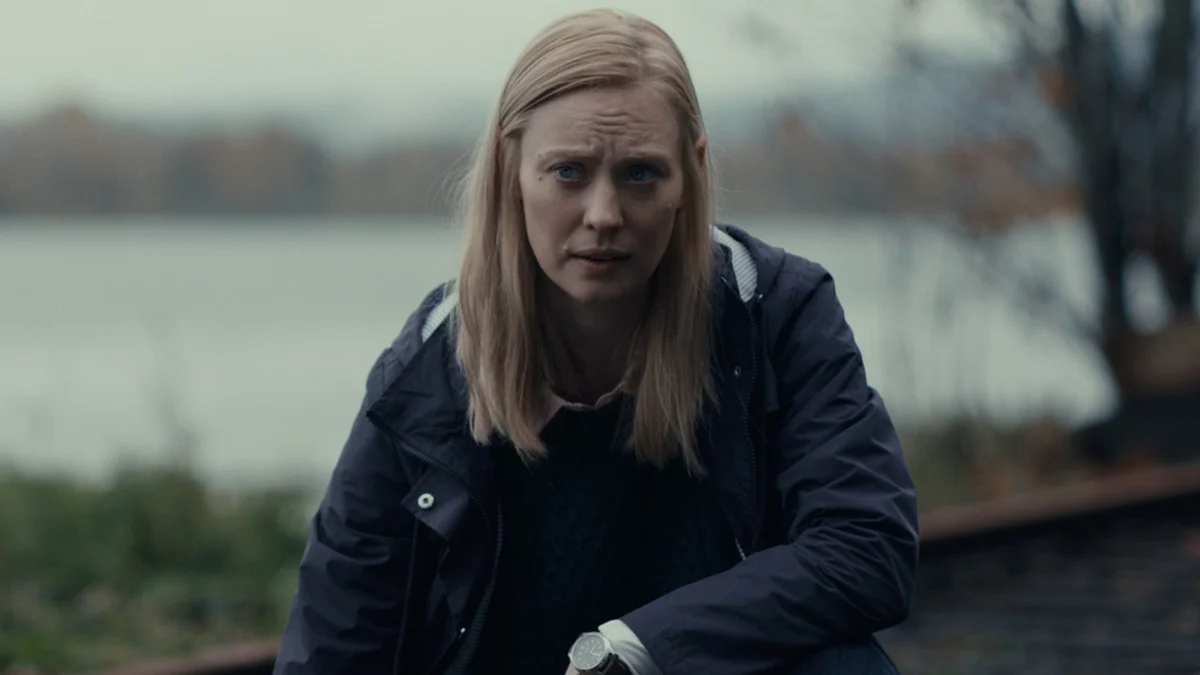
In an era dominated by seamless but often sterile computer-generated imagery (CGI), director Jordan Downey’s latest horror-mystery, The Cycle, arrives as a tactile, visceral reminder of the power of practical effects. Premiering on Shudder on October 23, 2026, the film serves as both a moody procedural and a gruesome creature feature, anchored by a compelling performance from Deborah Ann Woll. While the film occasionally stumbles under the weight of its own narrative pacing, its commitment to "old-school" monster magic elevates it into a must-watch for genre purists.
Main Facts: A Mystery Rooted in Decomposition
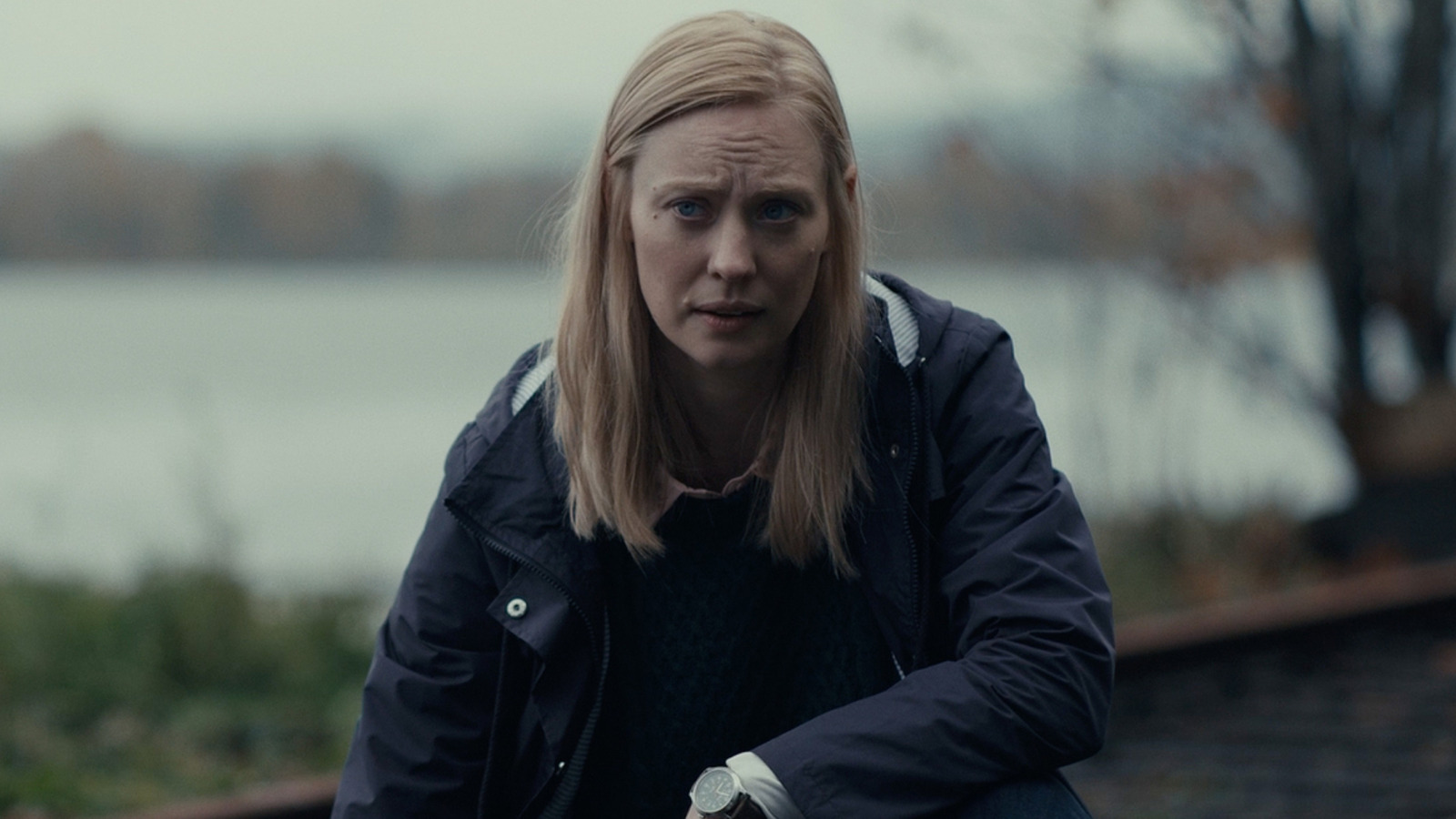
At its core, The Cycle is a story of scientific obsession colliding with the supernatural. Deborah Ann Woll stars as Dr. Meg Garland, a forensic science expert who manages a "body farm"—a specialized facility where researchers study the stages of human decomposition.
The narrative kicks off when a brutal, animalistic murder leaves an entire family torn apart. In a grim twist of fate, the investigation leads to the discovery of a second body near a set of railroad tracks: a nude, deceased man who turns out to be Meg’s estranged father, a man who abandoned her during her childhood. This discovery pulls Meg out of her controlled, clinical world and into a dark, procedural mystery involving local law enforcement, specifically the officer Ian (Will Hochman) and his father, Marks (Jeffrey Donovan).
The film is a tonal tapestry, blending the procedural intensity of The Silence of the Lambs and Se7en with the atmospheric, eerie dread found in classic episodes of The X-Files or the surrealist tension of Twin Peaks.
Chronology: From Forensic Science to Creature Mayhem
The progression of The Cycle is divided into two distinct halves, representing a shift in both genre and tone.
- The Investigative Phase: The first act establishes a grounded, cold, and calculated atmosphere. We witness the internal conflict of Dr. Meg Garland as she attempts to apply her forensic expertise to a case that is increasingly resistant to scientific explanation. The pacing here is deliberate, focusing on the dark, moody landscapes of the setting and Meg’s psychological fractures—manifested in recurring, visceral nightmares of her father’s corpse.
- The Revelation: As the narrative progresses, the "mystery" begins to shift. While seasoned horror aficionados may predict the film’s central twist early on, the journey toward that revelation is marked by an unwavering commitment to a straight-faced, serious tone.
- The Climax: The final act is where the film finds its true voice. It sheds its procedural skin and embraces full-blown monster-movie mayhem. The transition from a quiet, character-driven mystery to a chaotic, gory confrontation is where the film’s most impressive assets—the practical makeup effects—take center stage.
Supporting Data: The Craft Behind the Horror
The production values of The Cycle are a testament to what can be achieved with a focused vision, even on a modest budget. Cinematographer Kevin Stewart, who co-wrote the script alongside director Jordan Downey, employs a color palette that reinforces the film’s themes of decay and isolation. The visuals are cold, harsh, and unflinching, particularly during the scenes set within the body farm.
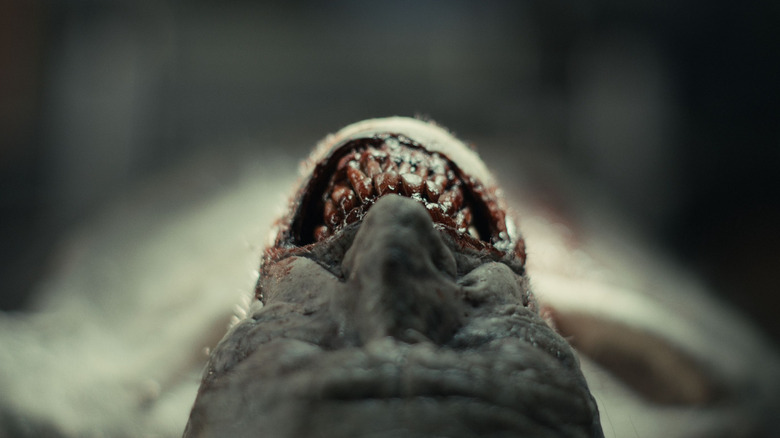
However, the true star of the film is its technical department. In a landscape where horror films frequently rely on digital overlays to create monsters, The Cycle opts for tangible, "icky" practical gore. The makeup work is so central to the film’s identity that the very first credit to appear when the film cuts to black is for the effects team.
This is a direct homage to the golden age of practical horror, echoing the work of masters like Tom Savini, Rick Baker, and Rob Bottin. The tactile nature of the creature design—the way skin stretches, blood pools, and physical textures interact with the environment—provides a sense of presence that CGI rarely captures. It proves that a lower-budget production can often be more effective than a high-concept blockbuster if the creature design is rooted in the physical world.
Official Perspectives and Behind-the-Scenes Intent
Director Jordan Downey has made it clear that The Cycle is a love letter to the horror movies of his youth. By avoiding the temptation to turn the film into a parody, Downey maintains a consistent sense of dread. The performances, particularly from Woll, are treated with the gravity of a character drama, which helps ground the increasingly bizarre events of the final act.
Deborah Ann Woll’s portrayal of Dr. Meg Garland is pivotal. She brings a "fragile intensity" to the character—a woman who is clearly on the verge of a breakdown, struggling to balance her scientific methodology with the encroaching, inexplicable horror of her reality. Jeffrey Donovan and Will Hochman round out the cast, providing a grounded, albeit complicated, dynamic that mirrors the film’s focus on broken family ties and legacy.
Implications: The Future of Practical Effects
The reception of The Cycle highlights a growing sentiment within the horror community: a hunger for the "old-school" approach to creature features. For years, the industry leaned heavily into digital effects to reduce costs and increase speed, often at the expense of immersion. The Cycle serves as a counter-narrative, suggesting that audiences are increasingly appreciative of the labor-intensive artistry involved in makeup and puppetry.
The film’s reliance on these effects isn’t just a stylistic choice; it’s an thematic one. The story deals with the physical decay of the body, and by using physical effects to represent the monster, the film bridges the gap between the forensic science of the beginning and the monstrosity of the end.
Final Assessment
The Cycle is not a perfect film. It suffers from a slightly padded runtime, with moments where the narrative cycles through the same emotional ground without progressing the plot. The emotional hook—Meg’s abandonment issues—occasionally feels secondary to the procedural elements.
However, its flaws are largely overshadowed by its strengths. It is a bold, atmospheric, and technically impressive film that respects its audience enough to avoid a wink-and-a-nudge tone. It is a slow-burn that rewards the patient viewer with a payoff that is, quite literally, visceral.
/Film Rating: 6 out of 10
The Cycle is available for streaming on Shudder starting October 23, 2026. For those who grew up pouring over the behind-the-scenes magic of classic horror cinema, this film offers a refreshing, bloody, and nostalgic trip into the dark side of practical effects.
