
VisionQuest Settles the Debate: Marvel’s New Series Finally Confronts Wanda Maximoff’s Darkest Legacy
By Editorial Entertainment Desk
Published: October 24, 2023
Warning: This article contains major spoilers for Episode 3 of Marvel Studios’ Disney+ series "VisionQuest," titled "Reboot."
Main Facts
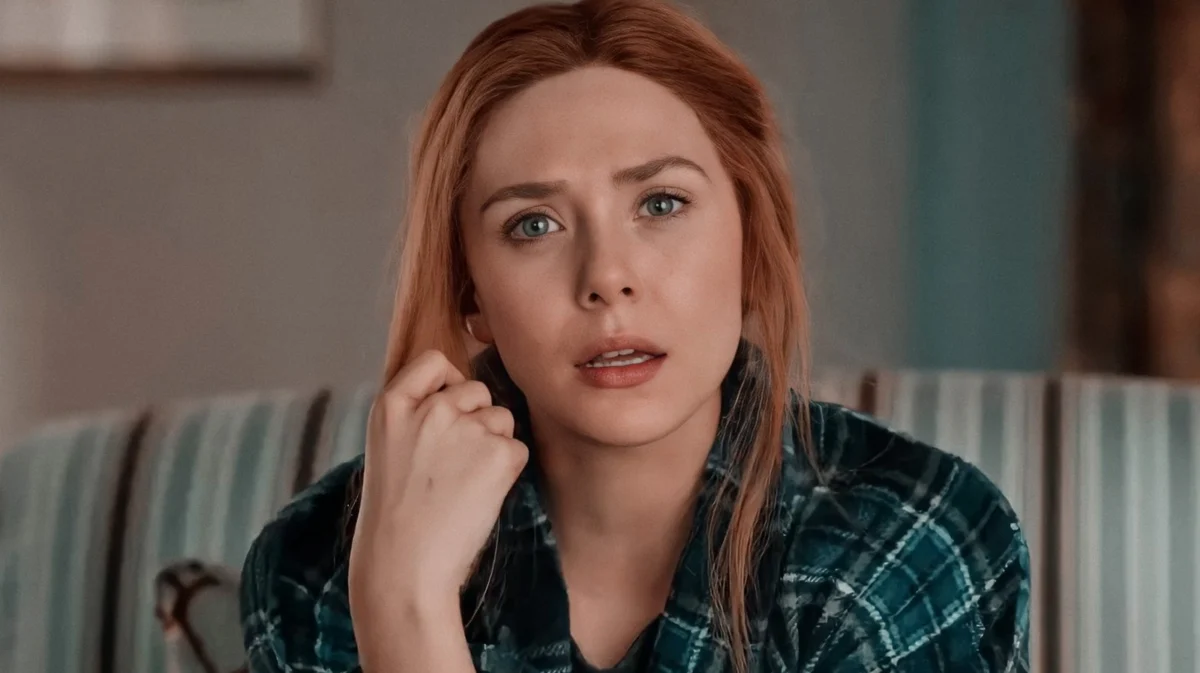
Four years after the groundbreaking conclusion of WandaVision, Marvel Studios has returned to the lingering moral questions of Westview, New Jersey. In the third episode of the streaming series VisionQuest—serving as the culmination of a thematic trilogy alongside WandaVision and Agatha All Along—the Marvel Cinematic Universe (MCU) has offered a definitive and uncompromising verdict on one of its most fiercely debated characters: Wanda Maximoff.
Through the objective lens of the reconstructed synthezoid Vision (played by Paul Bettany), the series addresses Wanda’s imprisonment of an entire New Jersey town under a psychological hex. While the original 2021 series left fans sharply divided over whether Wanda was a grieving victim driven to tragic extremes or a villain who terrorized innocent lives, VisionQuest cuts through the ambiguity. In a striking piece of dialogue from Episode 3, "Reboot," Vision bluntly categorizes Wanda’s creation of the Westview Hex and her subsequent actions as "morally abhorrent."
This bold creative choice by showrunner Terry Matalas effectively retrofits the narrative safety net that many critics felt WandaVision threw over its title character during its 2021 finale, offering long-awaited closure to the fandom’s most contentious ethical debate.
Chronology of a Controversy: From Westview to the White Vision
To understand the weight of VisionQuest’s narrative intervention, it is necessary to retrace the timeline of how the MCU handled Wanda Maximoff’s descent into grief and power:
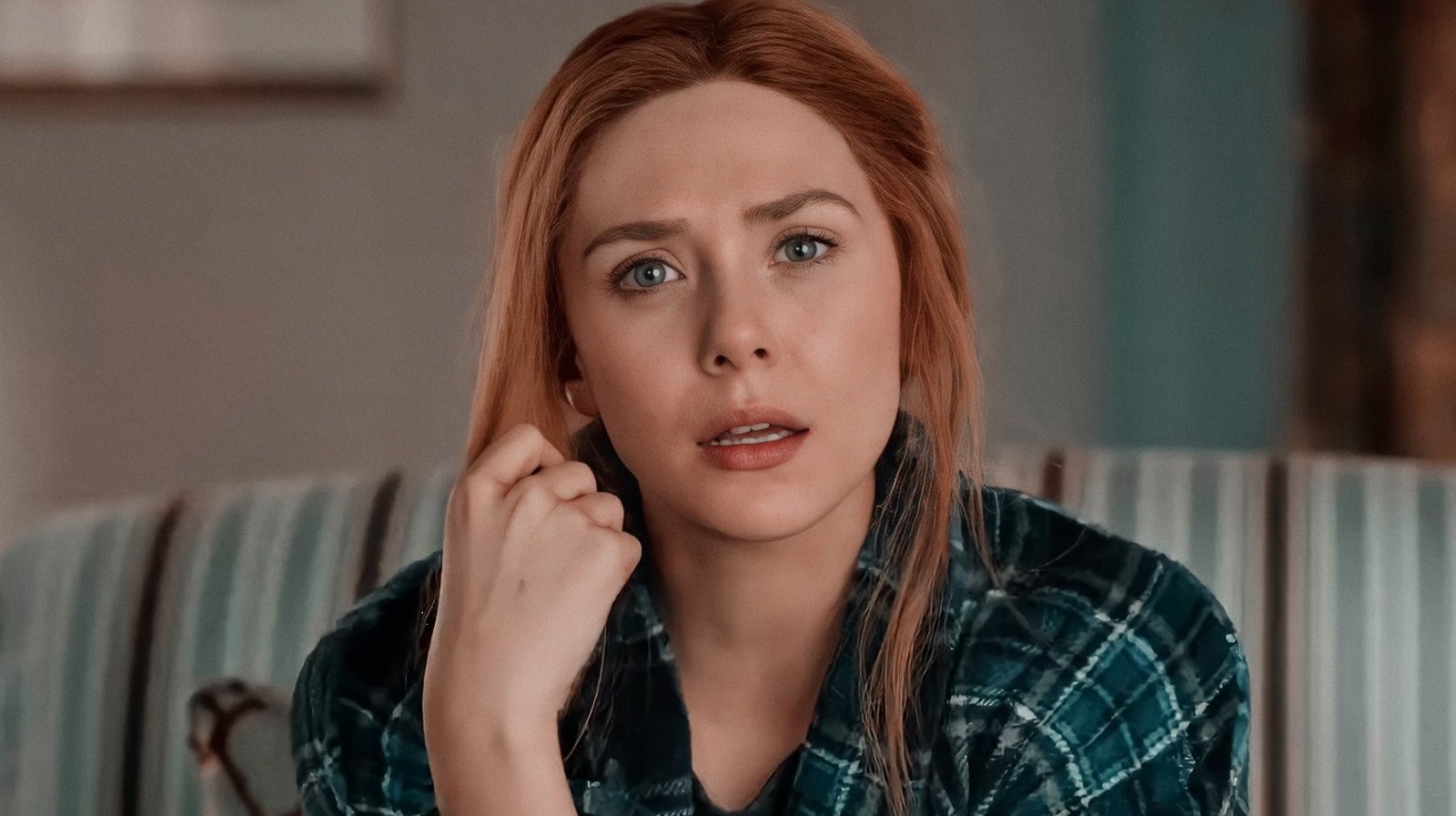
- January – February 2021 (WandaVision Airs): Audiences are introduced to a sitcom-inspired reality in Westview, New Jersey. Over nine episodes, it is revealed that a grieving Wanda Maximoff, shattered by the death of Vision in Avengers: Infinity War, has unconsciously enslaved thousands of real people, forcing them to play supporting characters in her domestic fantasy.
- March 2021 (WandaVision Finale): The series concludes with Wanda dismantling the Hex, freeing the townsfolk, and going into hiding. Critics and fans immediately clash over the final notes of the show: Monica Rambeau tells Wanda that the residents "will never know what you sacrificed for them," a line widely criticized for ignoring the immense trauma Wanda inflicted on the town.
- May 2022 (Doctor Strange in the Multiverse of Madness): Wanda fully embraces her role as an antagonist, corrupted by the Darkhold as she hunts across the multiverse to reclaim alternate-reality versions of her children, Billy and Tommy. Her story seemingly ends with her self-sacrifice at Mount Wundagore.
- Late 2024 / 2025 (VisionQuest Production and Release): Picking up the narrative pieces left in the wake of Agatha All Along, VisionQuest follows the White Vision—reconstructed from the original synthezoid’s dismantled parts—as he navigates his reclaimed humanity, encounters his "son" Tommy (Ruaridh Mollica), and directly confronts the legacy of the woman who created him.
Supporting Data and Fandom Division
The debate surrounding Wanda Maximoff remains one of the most thoroughly analyzed cultural phenomena within the modern superhero landscape. The core friction point has always centered on the duality of trauma versus accountability.
The Two Camps of the Fandom
- The Victim Apologists: A large, vocal segment of the fanbase argued that Wanda’s actions were the byproduct of unmitigated, catastrophic grief. Having lost her parents, her brother Pietro, and ultimately the love of her life, Vision, proponents of this view argued she was a victim of circumstance who ultimately chose to do the right thing by letting go, despite the agony it caused her.
- The Accountability Critics: Conversely, a substantial portion of viewers and media critics pointed out the sheer cruelty of the Westview scenario. Citizens of the town described experiencing Wanda’s internal pain, nightmares, and a complete lack of bodily autonomy for weeks. For these fans, the narrative absolution granted to Wanda in the final minutes of WandaVision felt unearned and narratively dishonest.
VisionQuest validates the second camp while maintaining sympathy for the human cost. By utilizing the White Vision—a character stripped of the idealized, emotionally compromised memories of the Westview Vision, yet burdened by the data of his past—Marvel has introduced an unbiased narrator into the canon.
Official Responses and Creative Direction
The driving force behind VisionQuest, showrunner Terry Matalas, has previously earned critical acclaim for his work on legacy-continuing television like Star Trek: Picard Season 3. In helming VisionQuest, Matalas appears to be performing a similar service for the MCU: respecting the emotional core of the original work while correcting its narrative blind spots.
While Marvel Studios executives have historically remained guarded about allowing their projects to overtly criticize prior entries, the creative freedom granted to the Disney+ streaming wing has allowed for deeper introspection. In Episode 3, when Vision attempts to explain his origins to Tommy, he makes a deliberate distinction between his current state and the phantom husband Wanda conjured.
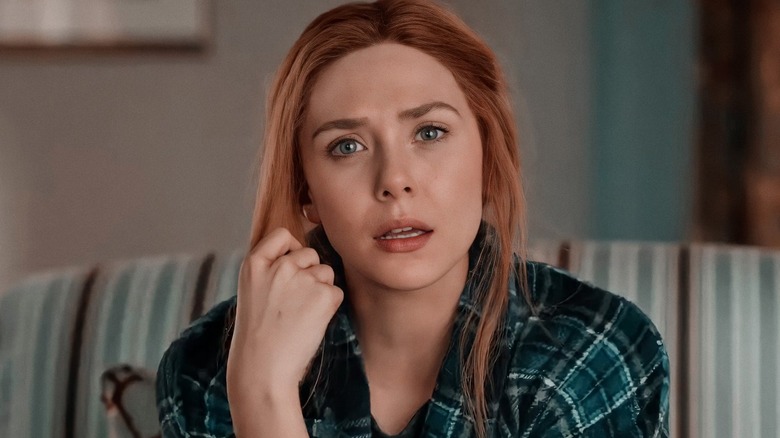
"I am not the man who lived in Westview," Vision tells Tommy, before laying out the stark reality of the Hex. By removing the emotional bias that clouded the original series’ conclusion, Vision’s assessment provides an objective legal and moral framework: Wanda’s grief was a tragedy, but her actions against Westview were indefensible.
Yet, VisionQuest stops short of painting Wanda as an irredeemable monster. Instead, the series weaves a nuanced narrative thread: it condemns the act while validating the creation of her children, Tommy and Billy, as an act of profound, if chaotic, love. As Vision attempts to guide Tommy through his own existential crisis, the series echoes the philosophical sentiment of Avengers: Age of Ultron: "A thing isn’t beautiful because it lasts." There is grace in failing, even when those failures cause collateral damage of catastrophic proportions.
Implications for the Future of the MCU
The definitive stance taken by VisionQuest has massive implications for the future direction of the Marvel Cinematic Universe, particularly as it barrels toward the Multiverse Saga’s conclusion in Avengers: Secret Wars.
1. Re-evaluating Heroic Morality
For years, the MCU struggled with how to handle protagonists who cross ethical lines (such as Tony Stark creating Ultron or Stephen Strange tampering with the fabric of reality). By allowing an in-universe character to bluntly label Wanda’s actions as "morally abhorrent," Marvel is signaling a maturation in its storytelling. Heroes can no longer simply be forgiven because of their trauma; accountability must be acknowledged.
2. The Status of Wanda Maximoff
With Elizabeth Olsen’s future in the MCU remaining a subject of constant speculation—especially given her character’s ambiguous fate at the end of Multiverse of Madness—VisionQuest establishes how the cinematic universe will talk about her moving forward. She is no longer viewed through rose-colored glasses as a misunderstood martyr. Instead, she occupies a complex, tragic space in MCU history: a powerful hero who committed unforgivable atrocities while drowning in sorrow.
3. The Redemption of the Streaming Trinity
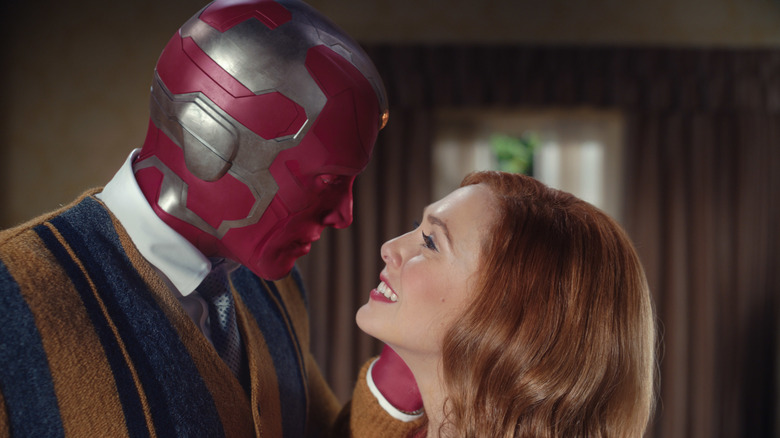
With WandaVision establishing the grief, Agatha All Along exploring the magical fallout, and VisionQuest providing the objective, emotional accounting, this three-part streaming arc has proven that Disney+ series can serve as vital narrative repair shops for the MCU. By tackling the fandom’s most controversial debates head-on, VisionQuest ensures that the characters left behind by Wanda’s wake can finally move forward into a clearer, more honest future.
New episodes of "VisionQuest" stream every Tuesday exclusively on Disney+.
