
Inside the Middleburg Film Festival: How a Virginia Resort Became an Oscar-Season Powerhouse
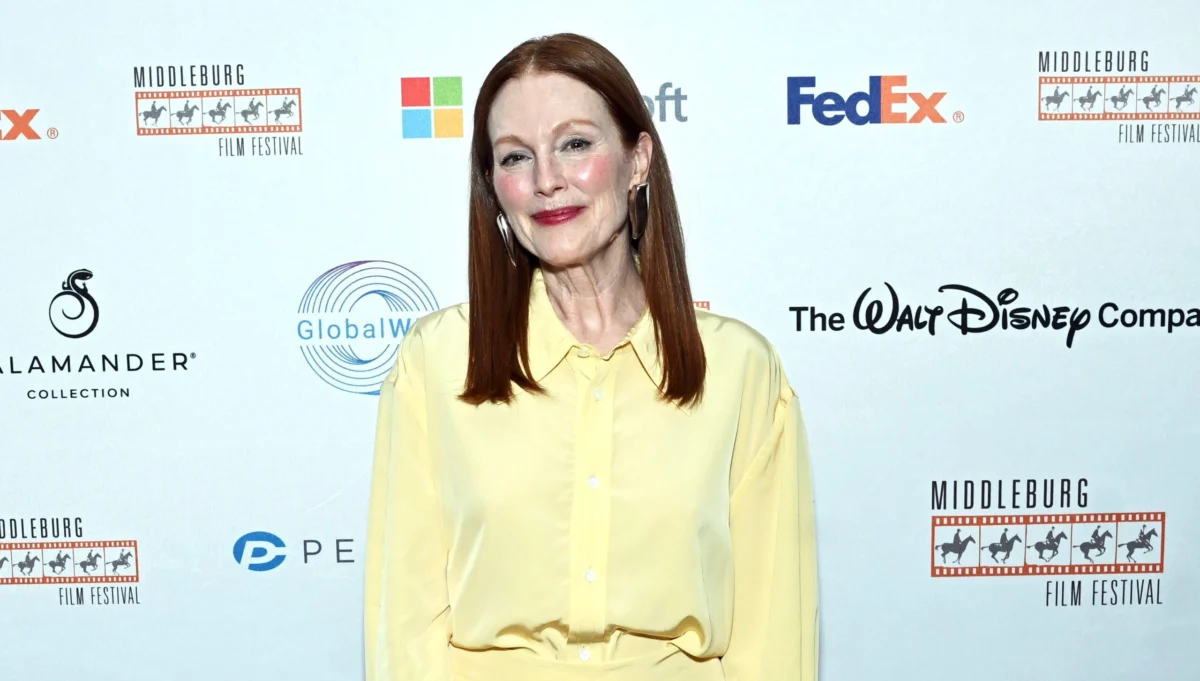
MIDDLEBURG, Virginia — As the calendar turns deeper into autumn, the heavy machinery of the fall film festival circuit continues its relentless march. While international spotlights linger on the winding streets of London, and the cinematic gaze prepares to shift westward to Los Angeles for the impending kickoff of AFI FEST, the rolling, horse-country hills of Virginia have quietly established a vital, influential enclave for the awards-season conversation.
Set against the luxurious backdrop of BET co-founder Sheila Johnson’s sprawling Salamander resort, just outside Washington, D.C., the Middleburg Film Festival has officially launched its four-day cinematic marathon. Once considered a charming local secret, Middleburg has steadily evolved into a formidable regional heavyweight. Alongside upcoming institutions like SCAD and the Virginia Film Festival, Middleburg now commands the attention of Hollywood studios, top-tier talent, and premier awards pundits alike, proving that prestige cinema does not exclusively belong to the traditional powerhouses of Toronto, Venice, and Cannes.
Main Facts: The Rise of Middleburg as an Oscar Bellwether
Under the strategic leadership of Festival Director Susan Koch, Middleburg punches vastly above its weight class. Each year, Koch and her programming team successfully lure a growing roster of top-tier Oscar contenders, high-profile filmmakers, and industry insiders to the picturesque Virginia countryside.
For the fortunate attendees hailing from the greater D.C. metropolitan area, the festival offers an increasingly rare luxury: intimacy and accessibility. Curated with a tight, highly selective lineup of roughly 45 new feature films, Middleburg avoids the overwhelming sprawl of mega-festivals. Screenings frequently sell out, yet the physical layout of the Salamander resort ensures that almost everyone holding a ticket gains entry into the venues.
This year’s slate of hot-ticket, sold-out screenings reads like a roadmap of the upcoming Academy Awards race. Among them are:
- “The Debut” (A24): Jesse Eisenberg’s baseball-capped auteur project, which emerged as a major breakout hit out of Telluride.
- “Wicker” (Black Bear): A critically lauded thriller that first made waves at the Sundance Film Festival.
- “I Play Rocky” (Amazon/MGM): A rousing crowdpleaser that charmed audiences earlier this season at the Toronto International Film Festival (TIFF).
Unlike the chaotic, heavily barricaded press lines of larger festivals, Middleburg fosters a unique ecosystem of accessibility. Industry guests, journalists, and talent roam the same halls, leading to organic interactions. Case in point: Eisenberg could be found holding court comfortably in the Salamander lobby just moments before heading into his packed screening and subsequent Q&A.
Chronology: A Rain-Soaked Opening and a Star-Studded Weekend
Thursday: The Grand Opening Amidst the Rain
The festival’s opening night kicked off indoors, forced inside by an unseasonal downpour that failed to dampen the spirits of the arriving Hollywood contingent. Festival Director Susan Koch took the opportunity to publicly thank Amazon/MGM production executive Scott Foundas for his instrumental role in luring key talent associated with “I Play Rocky” to the Virginia hills.

Searchlight distribution chief Derval Whelan was also spotted guiding two distinct auteurs through the crowds: Martin McDonagh, supporting his latest endeavor “Wild Horse Nine,” and Tony Gilroy, discussing his mysterious new project “Behemoth!”
As evening settled over the resort, the industry’s elite gathered in the warm interiors of the Salamander. Notable trade journalists—including David Canfield of The Hollywood Reporter and Katey Rich of The Ankler—were spotted deep in debate over the likely final five nominees in the fiercely competitive International Feature Film race. Rich made no secret of her enthusiastic backing for the German longshot “Everytime,” directed by Sandra Wollner, which has been turning heads since its festival circuit debut.
Friday: Star Power and the Annual Women’s Luncheon
Friday brought an influx of star power, highlighted by an in-depth "In Conversation" event featuring Seth Rogen, an emerging Oscar contender for his work in “The Invite.”
The day also featured Middleburg’s annual Women’s Luncheon, a premier networking and celebratory event drawing some of the most dynamic names in contemporary cinema. Among the attendees were:
- Rosalind Eleazar: The breakout star of “Misty Green,” whose gripping performance has made her a darling of the fall festival circuit.
- Julianne Moore: The Best Actress frontrunner for “The Debut,” who delighted festivalgoers by stepping out of an elevator on Friday evening looking utterly dazzling and casually introducing herself to colleagues simply as “Julie.”
- Léa Seydoux: The acclaimed French actress, alongside director Marie Kreutzer, representing Netflix’s Cannes breakout feature, “Gentle Monster.”
Saturday: Panels, Music, and Iconic Songwriters
Saturday’s itinerary promised a rich blend of filmmaking insight and musical performance. A heavily anticipated industry panel featured veteran producer-advisors Ron Yerxa and Albert Berger (the creative forces behind Little Miss Sunshine), alongside actor Bill Pullman. Pullman delivers a standout, career-defining performance opposite Anders Danielsen Lie in the Berlin Film Festival director-winner “Everybody Digs Bill Evans” (released via Cohen Media Group).
Concurrently, a separate music-focused panel moderated by critic Marcus Jones united Jesse Eisenberg with composer Daniel Pemberton. The session served as a prelude to live musical performances, featuring Pemberton alongside “La Bola Negra” star Guitarricadelafuente.
Adding a touch of classic Hollywood industry tradition to the modern resort setting was perennial Middleburg visitor Diane Warren. Armed with an impressive 17 Academy Award nominations and a relentless drive for that elusive first win, Warren was seen wandering the halls of the Salamander, eagerly playing her brand-new original song for the upcoming feature “Maserati: The Brothers” directly from her iPhone for anyone willing to listen.

Supporting Data: The International Feature and Awards Landscape
While individual talent draws the headlines, Middleburg functions primarily as a critical testing ground for the broader awards season. Industry pundits are using the Virginia screenings to track the momentum of films that previously conquered the European circuit earlier this year.
The current landscape of the International Feature Oscar race remains fiercely contested. According to hallway consensus among critics in Virginia, the current frontrunners can be divided into two tiers:
-
The Top Four Favorites:
- “Fjord” (Palme d’Or winner at Cannes)
- “La Bola Negra” (Best Director winner at Cannes)
- “All of a Sudden” (Cannes Best Actress co-winner)
- “Possible Love” (A major critical hit out of the Venice International Film Festival)
-
The Bubble Contenders:
- Cannes prize-winners “Fatherland” and “Minotaur” are widely projected to duke it out for the coveted fifth and final nomination slot, though dark horses like Germany’s “Everytime” continue to threaten an upset.
Official Responses and Industry Sentiment
The transformation of Middleburg from a localized luxury-resort gathering into a premier stop on the autumn awards calendar reflects a broader structural shift in how studios view regional festivals.
In past decades, major studios reserved their prestige pushes strictly for New York, Los Angeles, and Toronto. However, as the Academy of Motion Picture Arts and Sciences diversifies its voting body—incorporating a vast, geographically dispersed network of industry professionals—festivals situated outside traditional media hubs have gained immense strategic value.
For distributors like A24, Searchlight, Netflix, and Amazon/MGM, events like Middleburg offer concentrated face-time with key tastemakers, voting blocks, and influential journalists in an environment free from the frantic, hyper-commercialized pressure cooker of larger festivals. Studio executives have praised the festival’s curation, noting that the intimate Q&A sessions and relaxed networking receptions yield tangible word-of-mouth momentum that translates directly into physical ballots come voting season.

Implications: The Future of Boutique Film Festivals
As Middleburg wraps up its four-day run before handing the baton back to the broader national circuit, the festival’s ongoing success carries significant implications for the future of independent cinema exhibition.
The boutique festival model—exemplified by Middleburg’s cap of roughly 45 films and its emphasis on community integration—demonstrates that film lovers and industry elites alike are increasingly starved for curation over sheer volume. While mega-festivals grapple with questions of sustainability, fatigue, and logistically impossible schedules, targeted regional events are thriving by prioritizing quality of experience over sheer square footage.
Of course, not every ambition is easily realized within the constraints of a historic Virginia hunt-country estate. Reflecting on the weekend’s logistical planning, one prominent attendee noted a singular, uniquely local missed opportunity: plans for a high-profile interview set directly inside the community’s historic Stallion Barn—a nod to Middleburg’s famous horse-obsessed culture—ultimately had to be shelved.
Even so, whether discussing Oscar tracks in the Salamander lobby, listening to Diane Warren pitch her latest ballad via smartphone, or tracking international masterpieces from Cannes and Venice, Middleburg has firmly cemented its status as an indispensable chapter in the great American fall film festival story.
