
A Deep Dive into Cinema Scope Issue 97: Bridging Global Perspectives and Cinematic Evolution
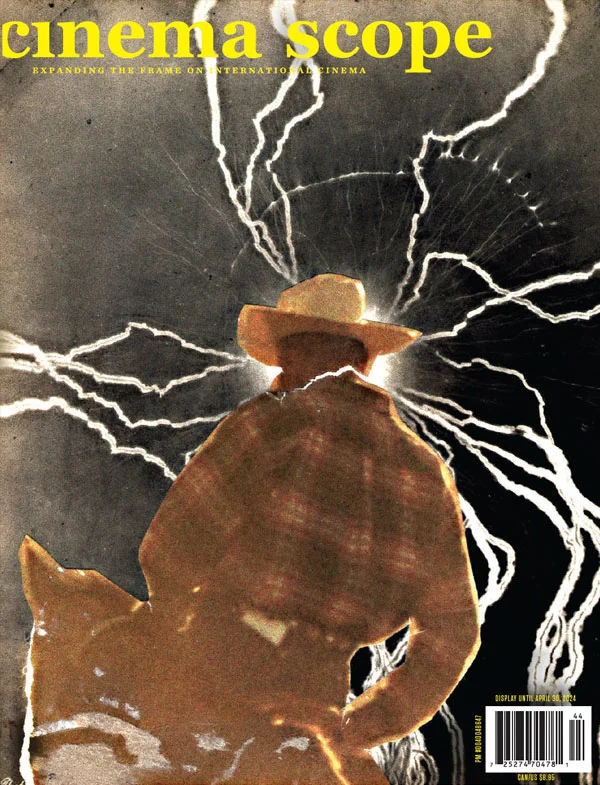
The landscape of film criticism remains a vital, albeit shifting, terrain. As streaming giants and theatrical releases continue to battle for the soul of the medium, publications like Cinema Scope provide an essential anchor. With the release of Issue 97, the magazine continues its long-standing tradition of offering rigorous, intellectually stimulating discourse that transcends mere consumer recommendations. This latest edition serves as a comprehensive map of current global cinema, featuring a sprawling array of interviews, historical retrospectives, and critical analyses of contemporary masterworks.
Main Facts: The Scope of the Latest Issue
Issue 97 of Cinema Scope stands as a testament to the magazine’s editorial commitment to "slow criticism"—the art of engaging with film beyond the rapid-fire hype cycle of social media. The issue is meticulously organized into four primary pillars: Interviews, Features, Columns, and Currency.
At its core, the issue provides an exhaustive look at the auteurs shaping the current landscape, from Japanese master Hamaguchi Ryusuke to American indie stalwart Alex Ross Perry. By pairing in-depth interviews with sharp-eyed reviews of the season’s most discussed films—including Martin Scorsese’s Killers of the Flower Moon and David Fincher’s The Killer—the magazine positions itself as both a mirror of the industry and a filter for the most significant artistic movements occurring within it.
Chronology of Cinematic Discourse
The editorial strategy behind Issue 97 reflects a deliberate attempt to balance the ephemeral nature of "new" releases with the enduring weight of cinema history.
The Contemporary Wave (Late 2023 – Early 2024)
The "Currency" section provides a rapid-response look at the awards-season heavyweights that dominated the cultural conversation in late 2023 and early 2024. Contributors offer nuanced takes on Yorgos Lanthimos’s surrealist Poor Things, Sofia Coppola’s intimate Priscilla, and Frederick Wiseman’s meditative Menus-Plaisirs – Les Troisgros. This section functions as a critical bridge, allowing readers to situate these high-profile titles within the broader context of the directors’ filmographies.
The Historical Context
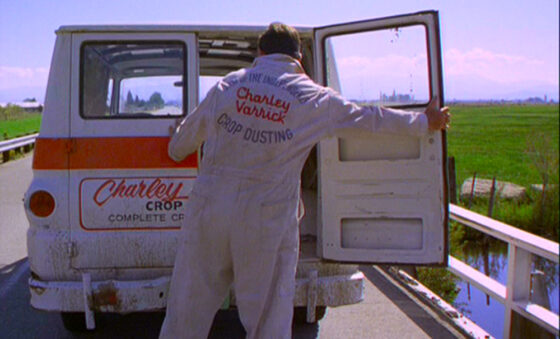
Moving backward, the issue offers critical retrospectives that remind readers of the lineage of independent filmmaking. A notable highlight is the roundtable discussion on Don Siegel’s 1973 neo-noir Charley Varrick, led by filmmakers Veronika Franz and Severin Fiala. This feature is not merely a nostalgia trip; it is an analytical exercise in how genre tropes have evolved over the last half-century.
The Passing of Icons
A somber but essential component of the issue is the "Deaths of Cinema" column, which honors the legacies of Terence Davies and Vincent Grenier. These pieces elevate the issue from a standard film magazine to a record of loss and legacy, grounding the current cinematic moment in the contributions of those who have recently departed.
Supporting Data: An Analysis of the Editorial Content
The breadth of Issue 97 is best understood through its multi-faceted approach to the subject matter. The magazine employs a diverse roster of critics who bring specialized knowledge to their respective beats:

- Interviews as Insight: Beatrice Loayza’s conversation with Hamaguchi Ryusuke regarding Evil Does Not Exist delves into the director’s unique narrative philosophy, providing readers with a "behind-the-lens" perspective that is rarely found in mainstream trade publications.
- The Intersection of Art and Film: Jesse Cumming’s look at the work of Tulapop Saenjaroen highlights the magazine’s commitment to experimental and video-art formats, proving that Cinema Scope is interested in the medium of the "moving image" in its broadest sense.
- Archival Exploration: Chuck Stephens’s examination of Will Hindle’s Chinese Firedrill in the "Exploded View" column exemplifies the magazine’s dedication to rediscovering "lost" or neglected gems of cinema history.
Official Perspectives: The Editor’s Lens
In his Editor’s Note, Mark Peranson addresses the current state of the industry, offering a perspective that feels both weary and invigorated by the possibilities of film. The editorial voice of Cinema Scope has long been defined by its refusal to simplify the viewing experience. Instead, it invites the reader to sit with ambiguity, complex moral frameworks, and the often-frustrating contradictions of the modern film industry.
The magazine’s inclusion of "Deep Cuts: The First International Women’s Film Seminar" by Erika Balsom signals a broader shift toward institutional critique and the preservation of feminist film history. This aligns with a growing global trend in film studies to re-evaluate the canonical history of cinema to be more inclusive of marginalized voices and experimental modes of production.
Implications for the Future of Film Criticism
The publication of Issue 97 has significant implications for the future of film criticism in a digital-first world. As print media faces declining revenues, Cinema Scope has maintained its relevance by cultivating a distinct, authoritative voice that cannot be replicated by algorithm-driven content.
1. The Survival of Long-Form Analysis
The magazine proves that there is still a robust appetite for long-form, academic-adjacent criticism. Readers are increasingly seeking "deep dives" that offer historical context rather than brief, star-rated reviews.
2. Globalism vs. The Blockbuster
By covering films from Argentina (The Delinquents), Greece (exergue – on documenta 14), and Japan, the magazine resists the "Hollywood-centric" bias that plagues much of modern film journalism. It effectively argues that the most pressing conversations in cinema are happening at the periphery of the major studios.
3. The Role of the Critic as Curator
Perhaps the most important implication of this issue is the role of the critic as a curator. In an age of infinite content, where streaming platforms offer thousands of choices, the expert guidance provided by writers like Jonathan Rosenbaum and Phil Coldiron becomes an invaluable service. They do not just tell the reader what to watch; they provide the intellectual tools necessary to decode what is being watched.
Conclusion
Issue 97 of Cinema Scope is more than a magazine; it is a repository of critical thought that treats cinema as a living, breathing history. From the immediate impact of The Killer to the profound silence left by the passing of Terence Davies, the publication manages to capture the fleeting and the eternal simultaneously.
For the serious cinephile, this issue offers a roadmap through the noise of the modern media landscape. It reminds us that while the mechanisms of film production and distribution may change—moving from celluloid to digital, from the cinema house to the living room—the power of the image to provoke, challenge, and define our understanding of the world remains constant. As Cinema Scope continues to document these shifts, it reinforces the necessity of critical discourse in maintaining the health of the cinematic ecosystem. By looking backward at our masters and forward at our emerging voices, Issue 97 ensures that the conversation continues with the same intellectual rigor and passion that have defined the magazine’s storied history.
