
The Illusion of Star Power: When Hollywood’s Biggest Names Couldn’t Save the Small Screen
In the golden age of prestige television, the traditional divide between "movie stars" and "TV actors" has all but evaporated. Following the cultural phenomenon of Matthew McConaughey and Woody Harrelson in the inaugural season of HBO’s True Detective in 2014, the industry witnessed a paradigm shift. Today, A-list talent routinely pivots to streaming dramas and limited series, often yielding the most critically acclaimed and commercially successful content of the decade. However, this trend toward "star-studded" television has a darker, often overlooked history—a graveyard of projects where massive budgets and household names failed to translate into cultural relevance or viewership.
For every Big Little Lies, there is a Partners; for every The Morning Show, an Emily’s Reasons Why Not. These failures serve as a sobering reminder to network executives and talent agencies alike: in the ruthless landscape of television, even the brightest star cannot illuminate a dim script.
The Fragility of Primetime: A Chronological Look at "Quick-Pull" Cancellations
The history of television is littered with shows that were yanked from the schedule before they could find their footing. While some series are given the "slow burn" treatment, others are subject to the "quick-pull"—a decision to cut losses before the full season order has even aired.
The 2006 Misstep: Emily’s Reasons Why Not
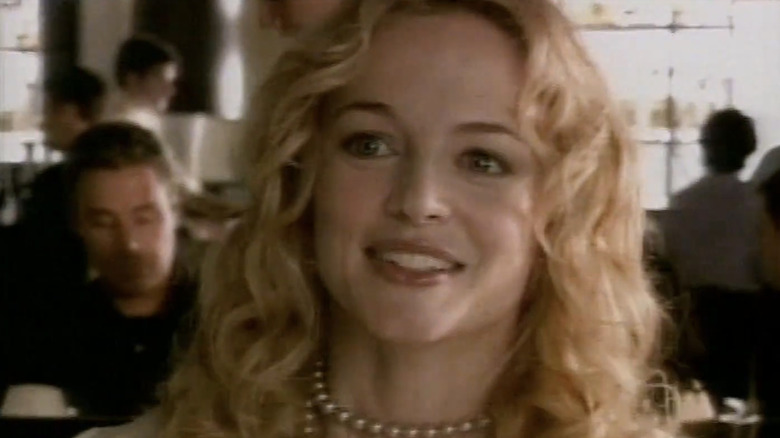
In January 2006, ABC pinned its mid-season hopes on Emily’s Reasons Why Not, a high-concept sitcom starring Heather Graham. Based on the novel by Carrie Gerlach, the show followed a Los Angeles book editor attempting to apply a strict "five-reason" rule to her dating life. Despite a heavy promotional push from the network, the series was canceled after only a single episode. Critics were harsh, with The New York Times calling Graham’s performance "off-putting," and the show failed to capture even a fraction of the audience enjoyed by the network’s powerhouse, Desperate Housewives.
The 2013 Collapse: We Are Men
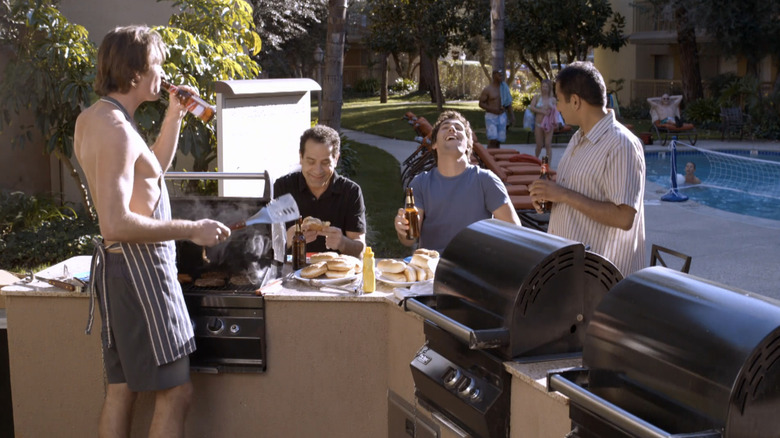
Seven years later, CBS attempted to capture the "male bonding" demographic with We Are Men. Featuring a formidable cast including Tony Shalhoub, Kal Penn, and Jerry O’Connell, the show centered on four divorced men living in a short-term rental complex. Despite the pedigree of executive producer Rob Greenberg, a veteran of Frasier, the show was savaged by critics and pulled after just two episodes. With a dismal 4% rating on Rotten Tomatoes, it remains a case study in how a talented ensemble cannot compensate for an uninspired premise.
The 1997 "Over the Top" Failure
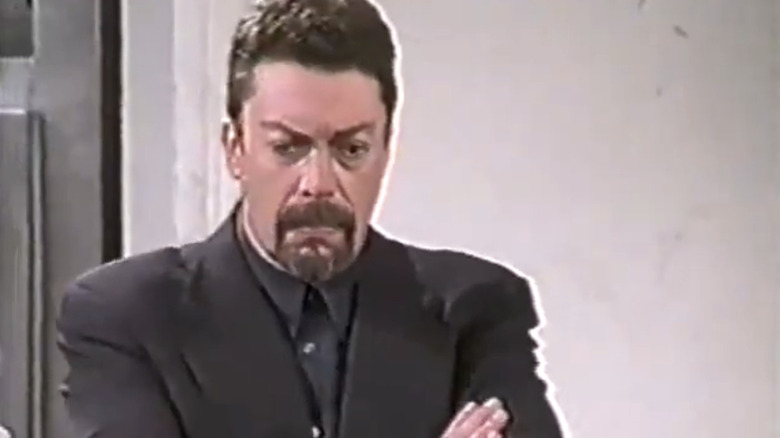
Before Steve Carell became a household name via The Office, he teamed up with the legendary Tim Curry for the ABC sitcom Over the Top. The premise—a washed-up actor moving into a hotel owned by his ex-wife—was intended to be a farce, but it landed as a flat, generic endeavor. Though 11 episodes were produced, the network pulled the plug after only three aired, citing low ratings and a lack of creative direction.
The 2002 Lost Media: Imagine That
Hank Azaria’s career is defined by his legendary voice work on The Simpsons, yet his attempts to headline a live-action sitcom often met with frustration. In 2002, NBC launched Imagine That, a series about a comedy writer living out Walter Mitty-esque fantasies. The show was canceled after just two episodes. Today, it stands as a piece of "lost media," with only fragments of the pilot surfacing in niche online communities.
The 2014 Odd Couple: Partners
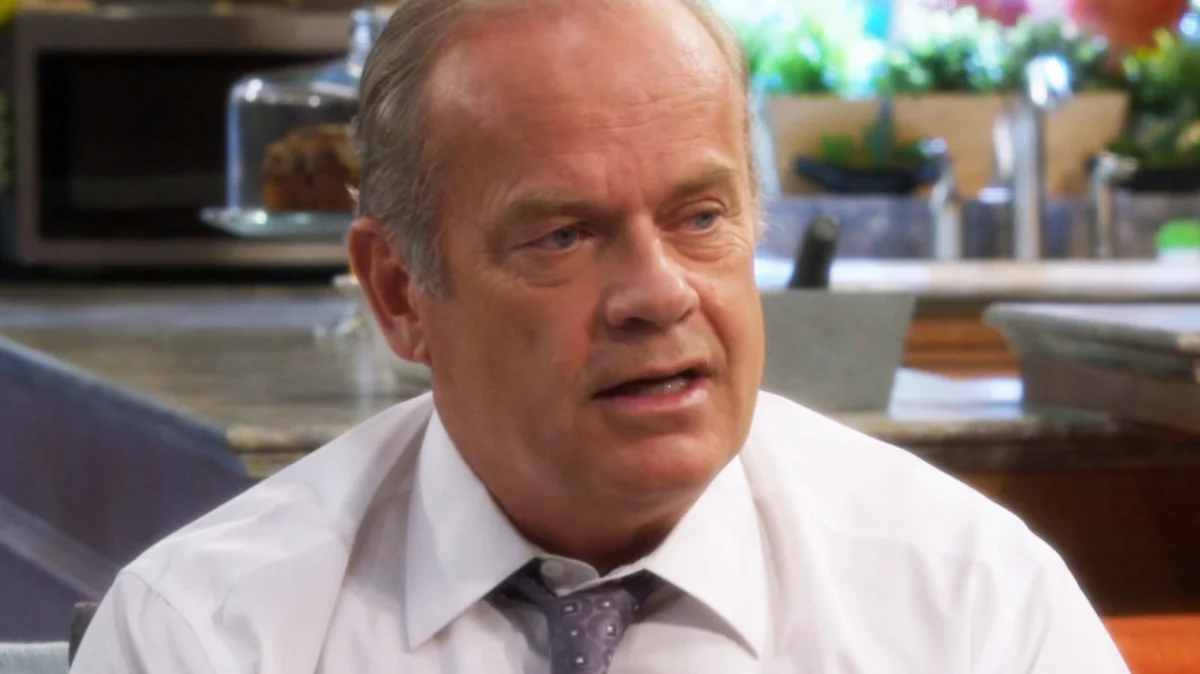
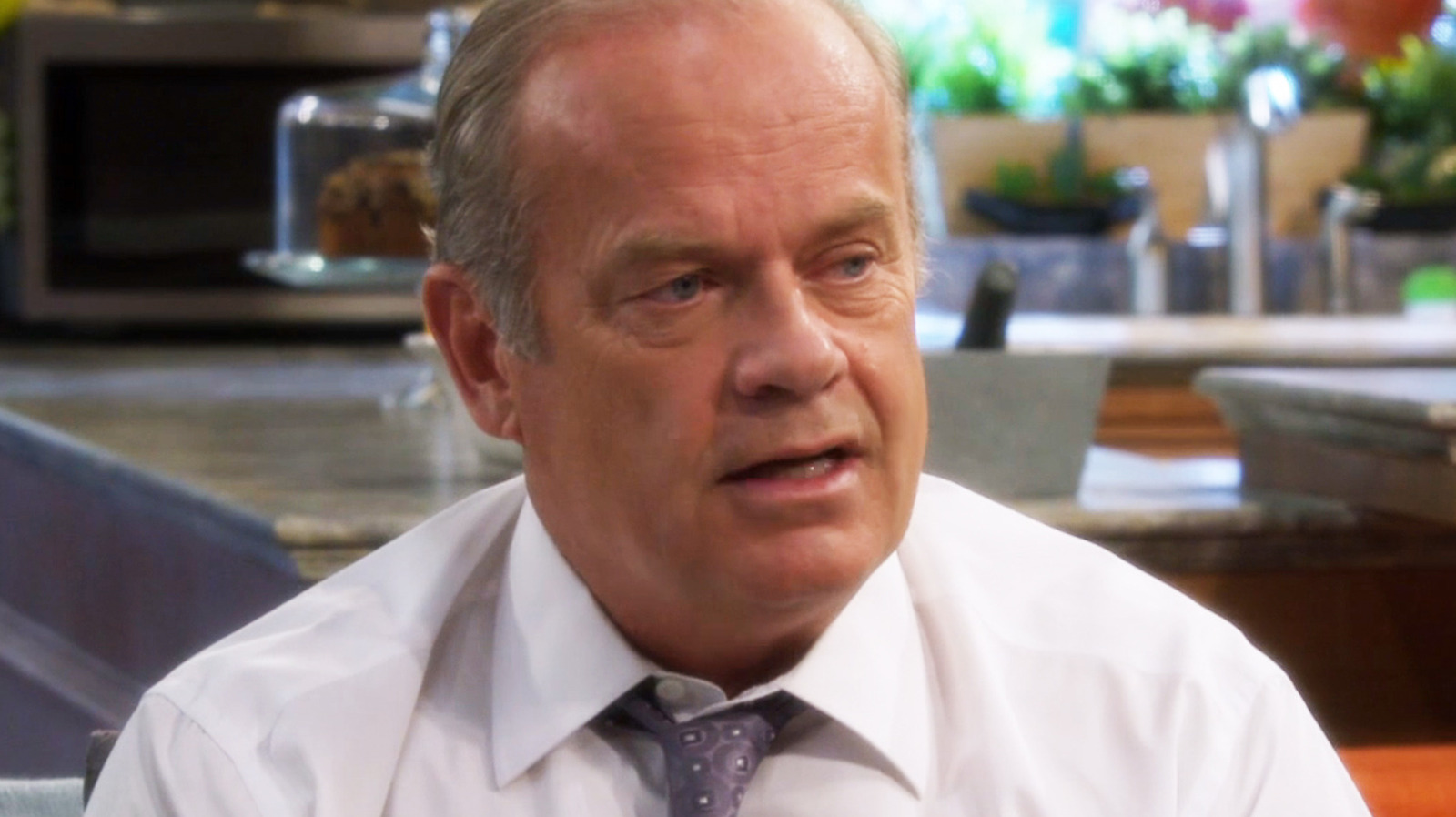
The most recent notable example of a high-profile failure is the 2014 FX series Partners. Bringing together Kelsey Grammer and Martin Lawrence, the show attempted to lean into the "odd couple" lawyer trope. Despite the network’s initial 10-episode commitment and an option for 90 more, the series was shelved after a single season of low ratings and poor critical reception, effectively marking a low point for both veteran stars.
Data and Disparity: The Metrics of Failure
The primary driver for these cancellations is, predictably, the disconnect between star salary costs and Nielsen ratings. In the case of Emily’s Reasons Why Not, the show pulled in 6.2 million viewers during its premiere. In today’s streaming-dominant landscape, that might be considered a respectable start; however, in 2006, when Desperate Housewives was pulling 23.7 million viewers, 6.2 million was a failure.
Networks operate on a "cost-per-point" basis. When a show features high-profile actors, the production costs—including salaries, trailers, and promotional budgets—are exponentially higher. When the audience numbers fail to reach the threshold required to justify those costs, the "quick-pull" becomes a financial necessity.
Official Responses and Behind-the-Scenes Realities
The death of a show is rarely the result of a single factor. Executive producers often cite the "competitive environment" as the ultimate judge. As Gavin Polone, executive producer of Emily’s Reasons Why Not, noted at the time: "When the audience stays away, in this super-competitive environment, quick decisions are made. That’s the television business."
In some instances, the drama behind the camera is just as chaotic as the show itself. Over the Top was plagued by rumors of friction between the executive producers and ABC’s then-Entertainment President, creating an environment where the show was set up for failure before the first frame was edited. These behind-the-scenes power struggles, often shielded from the public, play a critical role in the lack of creative cohesion that audiences inevitably perceive on screen.
The Implications for Future Casting
What does this mean for the future of "star-studded" television? We are currently in an era where the brand is the show, not the actor. Audiences are increasingly discerning; they are less likely to watch a show simply because a favorite actor is in it if the premise is perceived as "rote" or "moronic," as Verne Gay of Newsday famously described We Are Men.
Furthermore, the failure of these shows demonstrates that the "sitcom format" itself has evolved. The success of the mockumentary format (like The Office) and high-concept serialized drama has made traditional, multi-cam, live-audience sitcoms feel antiquated to younger demographics. When veterans like Kelsey Grammer attempt to return to these traditional formats without adapting to the modern palate, they risk looking "more depressing than nostalgic," as critics noted regarding his performance in Partners.
Conclusion: The Star Doesn’t Make the Show
The graveyard of canceled, star-studded television shows proves a vital industry truth: casting is only the first step. A project requires a compelling narrative, a distinct tone, and a clear understanding of the target audience to survive in a media landscape that is increasingly hostile to mediocrity.
While the "movie star pivot" to television has produced some of the finest art of the 21st century, it has also produced cautionary tales. For the next generation of actors transitioning from the big screen to the small, the lesson is clear: your name might get the audience to tune in for the pilot, but it is the writing—and only the writing—that will keep them there for the season finale. As networks continue to consolidate their investments, the threshold for "success" will only continue to rise, making the "quick-pull" an increasingly common tool in the executive arsenal. Whether this will lead to more risk-averse casting or more daring creative ventures remains the great, unanswered question of modern television.
