
Beyond the Screen: How the Internet and Social Media Became Modern Cinema’s Ultimate House of Horrors
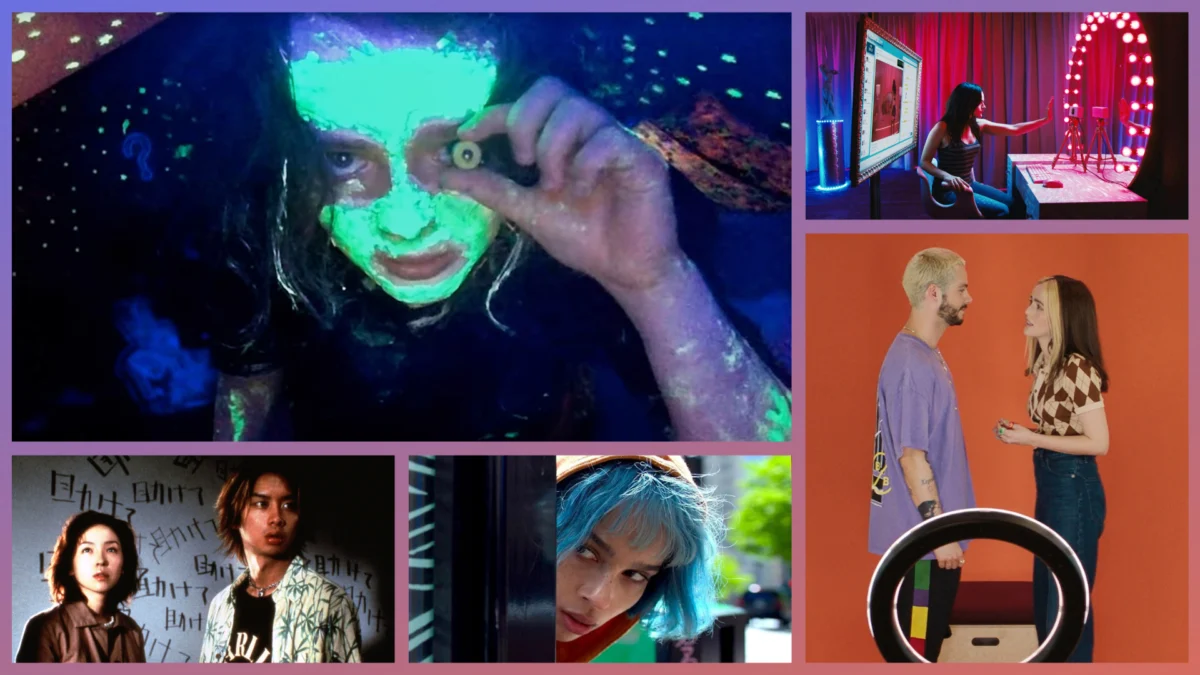
Editor’s note: This comprehensive retrospective and curated guide was originally published in August 2022 and has since been significantly expanded and updated with new cinematic entries reflecting the rapidly evolving digital landscape.
Board up the haunted Victorian mansions and leave your creepy, fog-drenched woods behind. In the modern technological age, there is simply no place more psychologically terrifying, unpredictable, or deeply invasive than the internet.

Long before Sandra Bullock navigated the nascent dangers of cyberspace in the 1995 techno-thriller The Net, the digital frontier provided a compelling, shadowy backdrop for countless horror, thriller, and suspense films. Some of these cinematic explorations are firmly rooted in hard science fiction, warning of unchecked technological advancement, while others employ the supernatural, treating code and connectivity as conduits for ancient evils. The eerie, boundless expanse of the web accommodates it all. What makes this subgenre so endlessly fascinating—and deeply unsettling—are the spooky, real-world implications of an unseen, omnipresent digital world that billions of users rely on daily, yet fundamentally do not understand.
Main Facts: The Evolution of Digital Dread in Cinema
The intersection of cinema and the internet has matured alongside technology itself. In its infancy, Hollywood treated the internet as a novelty—a playground of hackers, floating green text, and mysterious chat rooms. However, as broadband replaced dial-up, and as social media metastasized from a college networking tool into the dominant fabric of global society, cinematic representations shifted from external sci-fi threats to deeply internal, psychological mirrors.

Today, "cyber-horror" and social media thrillers represent a distinct, vital subgenre of modern filmmaking. These movies tap into very real contemporary anxieties: the loss of privacy, the performative nature of modern identity, algorithmic manipulation, parasocial relationships, and the terrifying permanence of the digital footprint.
Crucially, the scariest movies about the internet tend to be effective because the technologies they examine genuinely frighten us in our day-to-day lives. The fear of being watched through a webcam (KIMI), the horror of isolation masked as hyper-connectivity (We’re All Going to the World’s Fair), or the catastrophic social fallout of a viral misstep are not supernatural concepts; they are everyday modern realities dialed up to cinematic extremes.

Chronology: From Dial-Up Oddities to Desktop Screen-Life Thrillers
To understand how we arrived at the sophisticated digital thrillers of the 2020s, it is helpful to trace the chronological evolution of how filmmakers have conceptualized cyberspace on the silver screen.
The 1990s: The Novelty and Paranoia Era
When the internet first entered the public consciousness in the mid-1990s, Hollywood rushed to capitalize on the public’s techno-illiteracy. Films like The Net (1995) and The Lawnmower Man (1992) portrayed cyberspace as a literal, almost spatial dimension where identities could be erased with a few keystrokes and villains lurked behind dial-up connection sounds. These movies were less about horror and more about sci-fi paranoia, reflecting a society grappling with a world suddenly tethered by telephone lines.

The 2000s: The Dawn of Webcams and Early Forums
As broadband internet became ubiquitous, horror cinema began exploring chat rooms, webcam broadcasts, and early peer-to-peer sharing. Movies like FeardotCom (2002) and Pulse (2006, a remake of Kiyoshi Kurosawa’s J-horror masterpiece Kiroi Kairo) introduced the concept of the internet as a vector for malevolent spirits and terminal melancholy. Here, the web wasn’t just a tool for criminals; it was an open door to dimensions man was not meant to traverse.
The 2010s: Found Footage, Cyberbullying, and the "Screen-Life" Revolution
The explosion of social media platforms—Facebook, Twitter, Instagram—fundamentally altered the subgenre. Filmmakers realized they no longer needed traditional cameras; the desktop was the camera.

Found-footage flicks quickly emerged as pioneers of internet horror. Cheeky, self-aware titles like Unfriended (2014), Followers (2017), and #Horror (2015) brought a knowing, sometimes campy goofiness to the conceit of computer-screen films, simulating Skype calls, chat logs, and frantic typing.
However, the format soon achieved critical artistic legitimacy. Aneesh Chaganty’s Searching (2018) and Rob Savage’s breakout pandemic sensation Host (2020) garnered profound, newfound appreciation for the desktop format. By integrating smart authenticity, precise pacing, and genuine emotional stakes into their design and direction, these films proved that "screen-life" storytelling was not merely a gimmick, but a potent vehicle for high-tension suspense.

Concurrently, films like Spree (2020) and Dashcam (2021) took the digital show on the road, combining ride-share apps, clout-chasing livestream culture, and visceral gore to terrifying, chaotic effect.
The 2020s and Beyond: Ambient Dread and Satirical Backlash
In the wake of global lockdowns and hyper-digitization, internet horror evolved into two distinct streams: ambient, psychological dread and biting satirical comedy.

Visible windows, browser tabs, and blinking cursors are no longer required to make internet scares stick. More traditionally shot films, including Steven Soderbergh’s KIMI (2022) and Jane Schoenbrun’s chilling indie breakout We’re All Going to the World’s Fair (2021), successfully molded internet subcultures, creepypastas, and smart-home surveillance themes into deeply atmospheric cinematic narratives.
Meanwhile, satirical black comedies have proven to be exceptionally fruitful ground for exploring social media narcissism. Titles ranging from Tragedy Girls (2017) and Ingrid Goes West (2017) to the more recent Not Okay (2022) deliver exasperated sighs—and genuine, uncomfortable laughs—in equal measure. Although not strictly comedies, feminist-leaning entries centered on digital autonomy and sex work, such as Janicza Bravo’s Zola (2021) and Daniel Goldhaber’s CAM (2018), make brilliant use of light-hearted internet fodder to emphasize razor-sharp, serious perspectives on modern commodification.

Supporting Data: Defining the Parameters of Digital Cinema
When curating the definitive cinematic landscape of internet and social media horror, film critics and programmers must establish strict boundaries. The medium is vast, and the intersection of technology and human trauma spans multiple genres.
To maintain critical focus, industry data and thematic studies generally categorize these films by excluding specific adjacent genres:

- Coming-of-Age and General Anxiety Dramas: While films like Bo Burnham’s Eighth Grade (2018) profoundly involve the internet and are deeply anxiety-inducing in their own right, they are typically excluded from "frightening" rankings. Their horror is rooted in social awkwardness and adolescence rather than malicious digital terror.
- Documentaries and True Crime: Non-fiction projects such as the internet-culture documentary We Live in Public (2009) or true-crime narratives like The Tinder Swindler (2022) are inarguably horrific. However, they are deliberately omitted from fictional horror lists to preserve the distinction between narrative cinematic artistry and journalistic exposé.
By narrowing the scope to narrative horror, thrillers, and dark satires, analysts can accurately track how filmmakers translate the invisible architecture of algorithms and servers into visceral cinematic tension.
Official Responses and Industry Perspectives
Filmmakers, cultural critics, and psychologists have frequently weighed in on why digital horror resonates so powerfully with contemporary audiences.

Rob Savage, director of the groundbreaking Zoom-seance horror film Host, noted in interviews that the constraints of the computer screen mirror our daily quarantine-era and post-pandemic reality. "We are all trapped inside these glowing rectangles," Savage observed. "When a filmmaker traps you inside a desktop interface, you aren’t watching a movie happen to someone else; you are looking at your own workspace, your own communication tools, weaponized against you."
Psychologists point out that internet horror preys on the phenomenon of "parasocial isolation." Platforms promise infinite connection, yet users report record levels of loneliness. When horror films exploit the digital realm, they literalize the fear that the person—or thing—on the other side of the screen is not who, or what, they claim to be.

Furthermore, studio executives have noted a massive shift in audience demographics. Younger generations, having grown up natively with smartphones and social media, possess an innate literacy regarding digital interfaces. They instantly spot inauthentic representations of technology on screen, forcing directors and writers to adopt meticulous authenticity—from the exact loading animations of video players to the nuanced subcultures of obscure internet forums—to maintain immersion.
Implications: What Digital Horror Tells Us About Society
The enduring popularity of internet and social media horror carries profound sociological implications. These films serve as cultural barometers, documenting our collective unease regarding the erosion of boundaries between public performance and private life.

- The Death of Anonymity: Early internet culture championed anonymity as a shield and a playground. Modern digital horror reflects the terrifying reversal of this paradigm: total visibility. In films like CAM or KIMI, visibility is weaponized. Being seen by everyone online means no one is coming to help you in the physical world.
- Algorithmic Determinism: Many modern internet horror narratives operate on a fatalistic logic. Once you click a link, view a livestream, or accept a follower request, you have entered a digital contract from which you cannot opt out. This mirrors contemporary anxieties over algorithmic control, where data collection dictates our choices, moods, and futures without our conscious consent.
- The Performance of Trauma: Satirical thrillers like Not Okay and Tragedy Girls expose a darker cultural shift: the gamification of tragedy for online clout. By pushing these behaviors to murderous extremes, filmmakers hold up a distorting mirror to a society where real-world suffering is frequently commodified for views, likes, and algorithmic elevation.
Conclusion: The Ultimate 15 Essential Scares
While the digital landscape continues to expand into virtual reality, artificial intelligence generation, and decentralized networks, the core fear remains human. Whether through the frantic, multi-window desperation of a desktop thriller or the slow-burn, atmospheric dread of online isolation, cinema has successfully mapped the dark web of the human psyche.
Listed in a careful order that weighs both their visceral fear factor and their artistic quality, the definitive canon of internet and social media horror films stands as a chilling testament to our technological era—proving once and for all that the most terrifying monster is the one glowing in the palm of your hand.
