
Time is Running Out: Why Jason Statham’s Explosive Action Sequel Mechanic: Resurrection Is Leaving Netflix UK
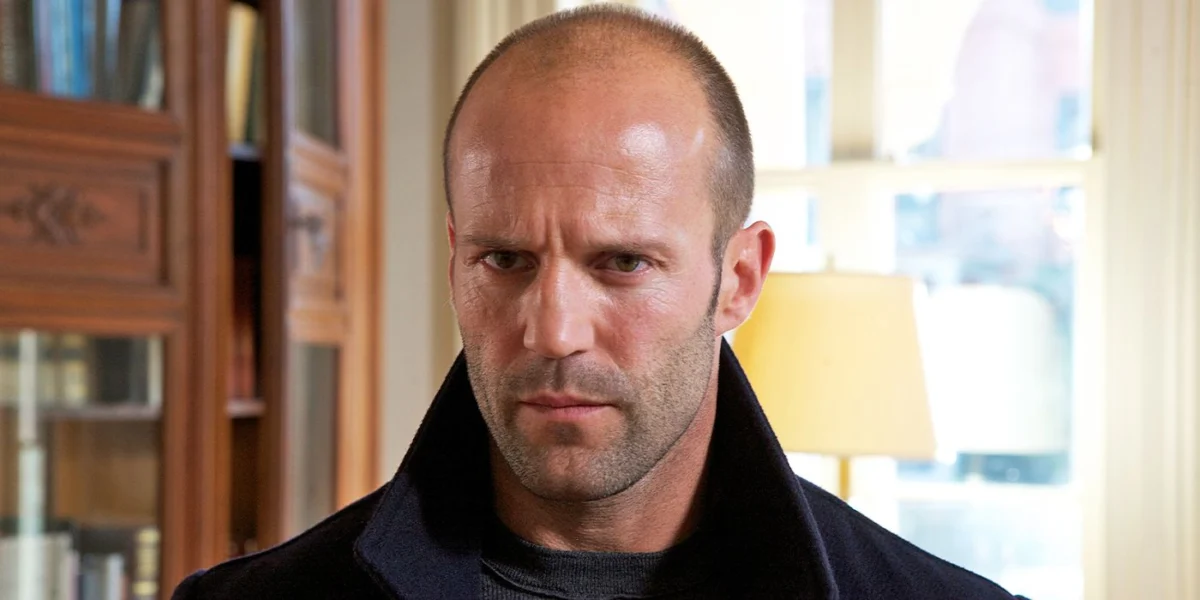
Main Facts: The Countdown Begins for Arthur Bishop’s Global Rampage
For fans of pure, unadulterated cinematic adrenaline, the clock is officially ticking. Mechanic: Resurrection—the high-octane 2016 sequel starring British action icon Jason Statham—is set to depart Netflix in the United Kingdom on November 1, 2026.
Directed by German filmmaker Dennis Gansel, the film serves as a masterclass in globe-trotting spectacle, absurd stunts, and Statham’s trademark deadpan brutality. Audiences in the UK have just over a week to catch the master assassin Arthur Bishop, better known as "The Mechanic," as he is dragged out of retirement for one final, continent-spanning crusade.
Featuring an eclectic and high-profile supporting cast that includes Jessica Alba, Tommy Lee Jones, and Michelle Yeoh, Mechanic: Resurrection leans into everything that makes Statham a modern action auteur. Whether he is dangling from a glass swimming pool hundreds of feet in the air or turning everyday hardware into lethal instruments, the film delivers precisely what action enthusiasts crave. However, once November 1 arrives, UK streamers will need to look elsewhere to get their Statham fix.
Chronology: From Charles Bronson’s Classic to Statham’s Global Franchise
To fully understand the trajectory of Mechanic: Resurrection, it is essential to look at the franchise’s lineage, which spans more than four decades of action cinema history.
The 1972 Origin
The roots of the property trace back to the 1972 crime thriller The Mechanic, directed by Michael Winner and starring the legendary Charles Bronson as Arthur Bishop. In the original film, Bishop is portrayed as a cold, calculating, and meticulously methodical hitman who takes a young, hot-headed apprentice named Steve McKenna (Jan-Michael Vincent) under his wing. The original film became a cult classic, renowned for its gritty, cynical neo-noir tone and its sparse dialogue, relying instead on visual storytelling to convey the grim realities of contract killing.
The 2011 Modern Reboot
Nearly forty years later, Hollywood resurrected the intellectual property for a modern audience. In 2011, director Simon West helmed a remake of The Mechanic, casting Jason Statham in the iconic role of Arthur Bishop, with Ben Foster stepping into the apprentice role originally played by Vincent. Statham brought a modern, muscular physicality to the role while maintaining the cold-blooded professionalism that defined Bronson’s original performance. The 2011 film successfully updated the narrative for twenty-first-century audiences, blending visceral close-quarters combat with elaborate, carefully orchestrated "accident" assassinations.
The 2016 Sequel: Going Global
Rather than repeating the mentor-student dynamic of the first two films, 2016’s Mechanic: Resurrection decided to blow the scale wide open. Arthur Bishop has successfully faked his death and is living a quiet, peaceful retirement in Rio de Janeiro under the alias Santos. However, his past catches up with him when mysterious operatives track him down.
When Bishop refuses to take on a new contract for a shadowy global syndicate led by his former childhood companion-turned-rival, Riah Crain (Sam Hazeldine), Crain kidnaps Bishop’s girlfriend, Gina Thornton (Jessica Alba). To ensure her safe return, Crain forces Bishop to complete three impossible assassinations across the globe, each disguised as a freak accident. From a maximum-security prison in the depths of Asia to a lavish fortress penthouse in Sydney, Australia, Bishop must race against the clock, cementing the film’s reputation as a relentless, boundary-pushing action vehicle.
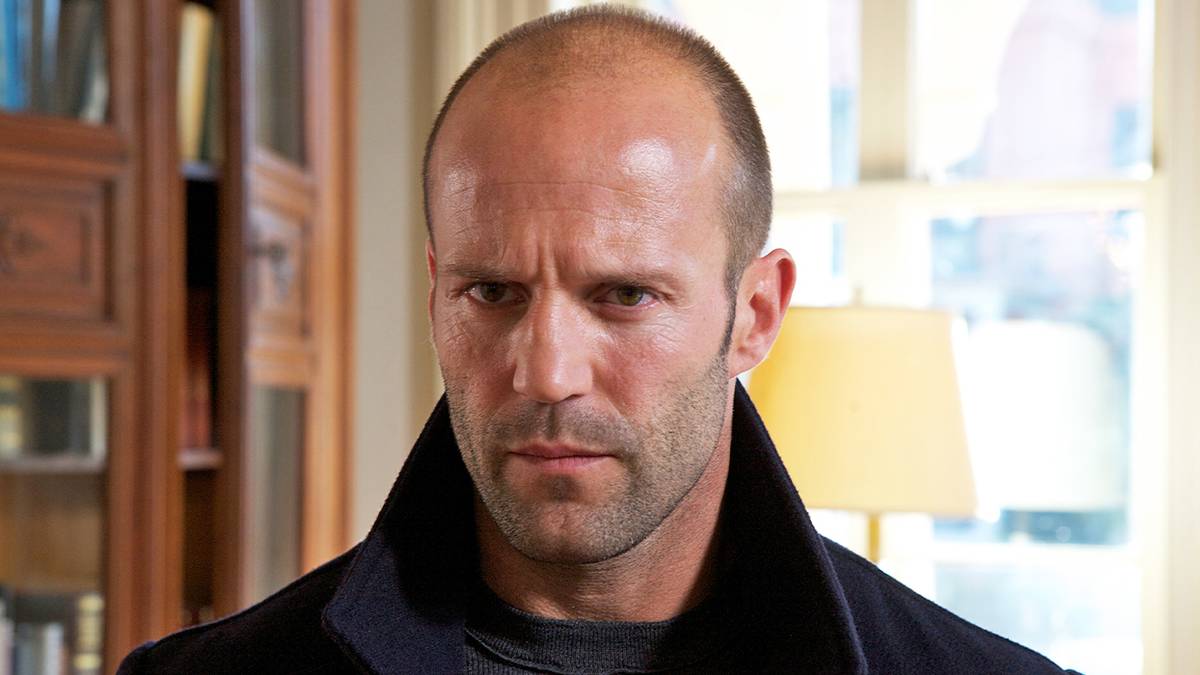
Supporting Data: Box Office Performance, Critical Reception, and Streaming Trends
While Mechanic: Resurrection may not have won over high-brow critics, its commercial performance and enduring streaming popularity tell a fascinating story about modern action cinema economics.
Box Office Performance
Produced on a modest estimated budget of roughly $40 million, Mechanic: Resurrection proved to be a reliable financial performer. While its domestic (North American) box office gross stalled at a relatively modest $21.2 million, the film truly shined internationally. Propelled almost entirely by Jason Statham’s undeniable global box office pull, the movie raked in an impressive $83.3 million overseas, bringing its worldwide cumulative box office gross to $104.5 million.
This performance reinforced a long-standing Hollywood truth: Jason Statham remains one of the most bankable international action stars of the 21st century. Even when domestic numbers are lukewarm, overseas audiences consistently turn out to see him dispatch villains with cool efficiency.
Critical Reception vs. Fan Appreciation
Critical consensus upon the film’s theatrical release in August 2016 was decidedly mixed. Mechanic: Resurrection currently holds a modest 31% approval rating on Rotten Tomatoes. Critics frequently pointed to the film’s predictable plot twists, paper-thin supporting character motivations, and dialogue that often served merely as a bridge between action set pieces.
However, the disparity between critical reviews and fan reception is stark. Action enthusiasts embraced the film precisely for its unapologetic B-movie sensibilities. Reviewers and fans alike praised the sheer audacity of certain sequences—most notably the infamous glass swimming pool stunt, which has since become a viral staple of internet action movie discussions. For viewers seeking high-energy escapism, the film delivered a potent mix of practical stunts, exotic locations, and Statham’s signature charisma.
The Streaming Lifespan
In the digital age, theatrical box office receipts are only half the battle. Library titles like Mechanic: Resurrection have found a lucrative second life on subscription video-on-demand (SVOD) platforms. Throughout its tenure on Netflix UK, the film regularly hovered near the platform’s trending lists, proving that audiences still crave the reliable, comfort-food comfort of mid-budget Statham actioners. Its looming removal on November 1, 2026, marks the end of an era for its current streaming cycle in the region.
Official Responses and Creative Perspectives
The production of Mechanic: Resurrection brought together a remarkably diverse and decorated ensemble cast, blending martial arts royalty, classic Hollywood heavyweights, and modern action stars.
Director Dennis Gansel spoke extensively during the film’s press tour about the unique challenge of expanding the world of Arthur Bishop. Rather than keeping the narrative contained within a single urban environment, Gansel envisioned a globe-trotting thriller that functioned like a classic James Bond adventure—albeit with a significantly higher body count and a darker, more cynical edge.

The inclusion of martial arts legend Michelle Yeoh as Mei added instant gravitas to the project. Fresh off her career-defining renaissance and decades of cinematic excellence, Yeoh brought a quiet authority to her scenes with Statham, serving as an old friend who understands the inescapable gravity of Bishop’s violent lifestyle.
Similarly, adding cinematic icon Tommy Lee Jones as the eccentric, arms-dealing billionaire Max Adams injected a dose of chaotic energy into the third act. Jones leaned heavily into a delightfully unhinged persona, sporting a wild mane of hair, sunglasses, and a tailored suit while chewing the scenery alongside Statham in Thailand. In interviews, the cast often highlighted the collaborative and stunt-heavy atmosphere on set, with Statham personally overseeing much of the physical choreography to ensure it met his rigorous standards for screen combat.
Implications: The State of Mid-Budget Action and Statham’s Legacy
The departure of Mechanic: Resurrection from Netflix UK highlights broader shifts in the current entertainment landscape, specifically concerning the availability of mid-budget genre cinema and the enduring value of star-driven intellectual property.
The Decline of the Mid-Budget Action Film
In an era dominated by four-quadrant superhero blockbusters costing upwards of $200 million to $300 million, the $40 million action movie has become an endangered species. Films like Mechanic: Resurrection, The Beekeeper, and Wrath of Man represent a crucial ecosystem in Hollywood—movies that rely on practical craftsmanship, straightforward storytelling, and a clear star vehicle premise rather than sprawling cinematic universes. As streaming platforms continually rotate their libraries licensing agreements, the accessibility of these reliable genre films fluctuates, making their temporary streaming windows increasingly valuable to fans.
Jason Statham’s Unyielding Brand
Statham’s career has proven remarkably durable. While many action stars from previous decades saw their box office viability fade as they aged, Statham has successfully cultivated a distinct cinematic brand. Audiences know precisely what they are purchasing when a ticket or stream features his name: dry British wit, bone-crunching physical combat, and a stoic code of honor. Mechanic: Resurrection remains a pivotal entry in that cinematic resume—a film that demonstrates how star power alone can elevate an otherwise formulaic script into a globally successful enterprise.
Final Days for UK Viewers
For UK-based fans looking to revisit Arthur Bishop’s globetrotting exploits, the countdown is officially on. With Mechanic: Resurrection leaving Netflix on November 1, 2026, viewers have a narrow window to witness Jason Statham outsmart, outmaneuver, and out-punch his way across the globe one last time on the platform. Whether it’s remembered for its gravity-defying stunts, its star-studded supporting cast, or simply as a prime example of Statham in his element, the film remains an essential watch for modern action aficionados.
