
The Tragic Visage: A Critical Post-Mortem of DC’s Clayface
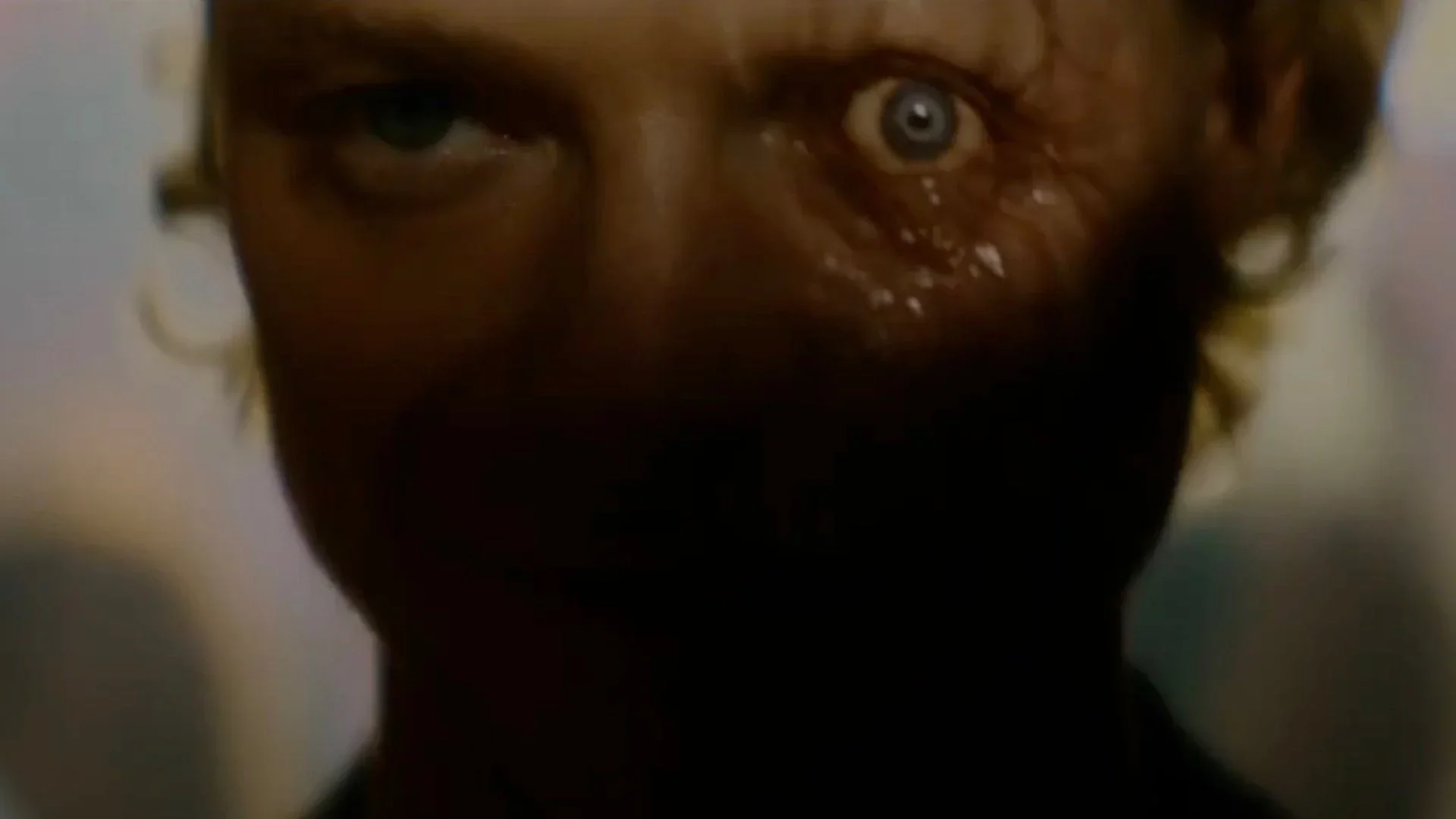
The release of DC’s Clayface was met with a cocktail of skepticism and palpable anticipation. Tasked with adapting one of Batman’s most psychologically complex rogues into a standalone, R-rated body horror feature, the film promised to peel back the layers of Matt Hagen—a man whose identity is as malleable as his mutated flesh. While the film delivers on its promise of visceral, skin-crawling practical effects, it ultimately struggles to reconcile its genre ambitions with a coherent narrative structure, leaving audiences with a fascinating but fundamentally fractured experience.
The Anatomy of an Origin: Narrative Foundation
The film centers on Matt Hagen (played by Tom Rhys Harries), a rising Hollywood star whose life is upended by a disfiguring encounter with organized crime. Driven by a desperate, vanity-fueled need to reclaim his former glory, Hagen turns to a black-market experimental medical procedure—a quintessential Gotham City "miracle cure" that predictably descends into biological nightmare.
The first two acts of the film are arguably its strongest, establishing a tone that balances the glitz of Hollywood with the grime of Gotham. Harries delivers a committed performance, grounding the early, more grounded segments of the story, while Naomi Ackie provides a necessary anchor of human empathy amidst the escalating madness. Director James Watkins demonstrates a clear affinity for the macabre, ensuring that when the film leans into the "body horror" genre, it does so with unapologetic intensity.
A Legacy of Tragedy: The Shadow of the Animated Series
To discuss Clayface without referencing Batman: The Animated Series (BTAS) is to ignore the gold standard of the character’s history. The iconic two-part episode from the 90s remains the definitive version of Matt Hagen, a masterclass in tragic storytelling that explored the intersection of ego, addiction, and identity loss.
In that iteration, the audience felt every ounce of Hagen’s descent. The writing was surgical, stripping away his humanity until only a desperate, shapeless void remained. The live-action adaptation, while clearly paying homage to these roots, struggles to replicate that emotional resonance. While the new film is adept at showing the horror of what happens to Hagen, it fails to fully articulate the tragedy of what he becomes. Where the animation succeeded in making the viewer weep for the monster, the film merely makes the viewer recoil from him. The foundation for a deep character study is present, but it is ultimately overshadowed by the spectacle of the gore.
Technical Breakdown: The Good, The Bad, and The "Gooey"
For fans of practical effects and visceral cinema, Clayface offers a treasure trove of "nightmare fuel." The film succeeds when it stops attempting to mimic the tropes of traditional comic book blockbusters and fully embraces its R-rated potential.
The Peak of Body Horror
The standout sequence involves a mid-flight incident where Hagen struggles to manage the rapid, unchecked growth of tissue over his own sensory organs. It is a gloriously revolting, claustrophobic set piece that showcases the best of the film’s practical makeup department. The skin-mutating effects and the fluid, grotesque nature of his transformations provide a level of tactile horror that is rarely seen in the sanitized world of modern superhero cinema.
Narrative Erosion and Pacing Issues
However, as the film enters its third act, the structural integrity begins to collapse—much like the titular character. The pacing accelerates into a chaotic, jumbled finale that feels as though it were edited in a rush. Plot threads are abandoned, character motivations become murky, and the emotional payoff that should have served as the story’s anchor is lost in a whirlwind of noise and unearned stakes.
Furthermore, the film’s visual language is strangely muted. Gotham City, which should serve as an oppressive, atmospheric character in its own right, feels largely generic. The lack of visual personality is a glaring omission for a project rooted in the Batman mythos.
Inconsistencies and the "Rules of Power"
One of the most persistent frustrations throughout Clayface is the lack of internal logic regarding Hagen’s abilities. The film frequently oscillates between showing us the painful, visceral process of morphing and simply "cutting" to a new appearance—an editing choice that feels at odds with the film’s identity as a body horror piece.
Most egregious is the sequence at a nightclub, which serves as a prime example of the film’s inconsistent "selective reality." Despite Hagen being seen as himself by multiple characters, the later police investigation of surveillance footage reveals no trace of him, as if the cameras were subject to his powers. Such narrative shortcuts undermine the audience’s suspension of disbelief, turning potential tension into eye-rolling confusion.
The "Flanagan Factor" and Creative Shifts
Speculation regarding the film’s production history remains a point of intense curiosity, particularly concerning the original screenplay by Mike Flanagan. Known for his masterful ability to weave genuine human tragedy into supernatural horror, Flanagan’s attachment to the project initially signaled a potential masterpiece of the genre.
Given the final product, one cannot help but wonder how much of the original vision was diluted. The current film feels less like a Flanagan-esque exploration of the human condition and more like a conventional, albeit bloody, revenge thriller. The absence of the nuanced, slow-burn psychological development one would expect from a Flanagan script is the film’s most significant missed opportunity. It suggests a creative tug-of-war between the studio’s desire for a franchise-friendly origin and the writer’s intent to create something more intimate and devastating.
Implications for DC’s Genre Experiments
Despite its flaws, Clayface stands as a testament to the fact that DC is willing to experiment with smaller, genre-specific, R-rated projects. This represents a pivot away from the "massive spectacle" model toward something more niche. While the film falls short of being a cohesive whole, it remains an entertaining, albeit flawed, exercise in "freak flag" filmmaking.
When compared to other recent, similarly divisive entries in the DC canon—such as Supergirl—Clayface feels like a more focused, albeit less consistent, effort. It is a film that is clearly trying to find its own voice, even if it trips over its own feet in the process.
Final Verdict: A Flawed Masterpiece of Gore
Is Clayface a disappointment? In terms of its wasted potential, yes. The ingredients for a truly legendary villain origin story were there: a top-tier antagonist, a talented cast, and a director willing to get his hands dirty. Yet, the film remains a victim of its own uneven pacing and a script that prioritizes chaos over character.
For the casual viewer, Clayface is an entertaining, visceral ride that is well-suited for a home-streaming experience. For the die-hard fan of the character, it is a frustrating "what if" scenario. It is a film that begins with a striking, horrifying premise and concludes as a messy, albeit occasionally brilliant, spectacle. It is, in essence, a reflection of its protagonist: ugly, occasionally terrifying, and deeply broken, yet undeniably captivating. It isn’t the definitive Clayface movie we wanted, but it is an ugly, fascinating bastard of a film that—despite its flaws—demands to be seen at least once.
