
Zendaya’s Strategic Shift: A Bid for Lead Actress Glory in ‘Dune: Part Three’
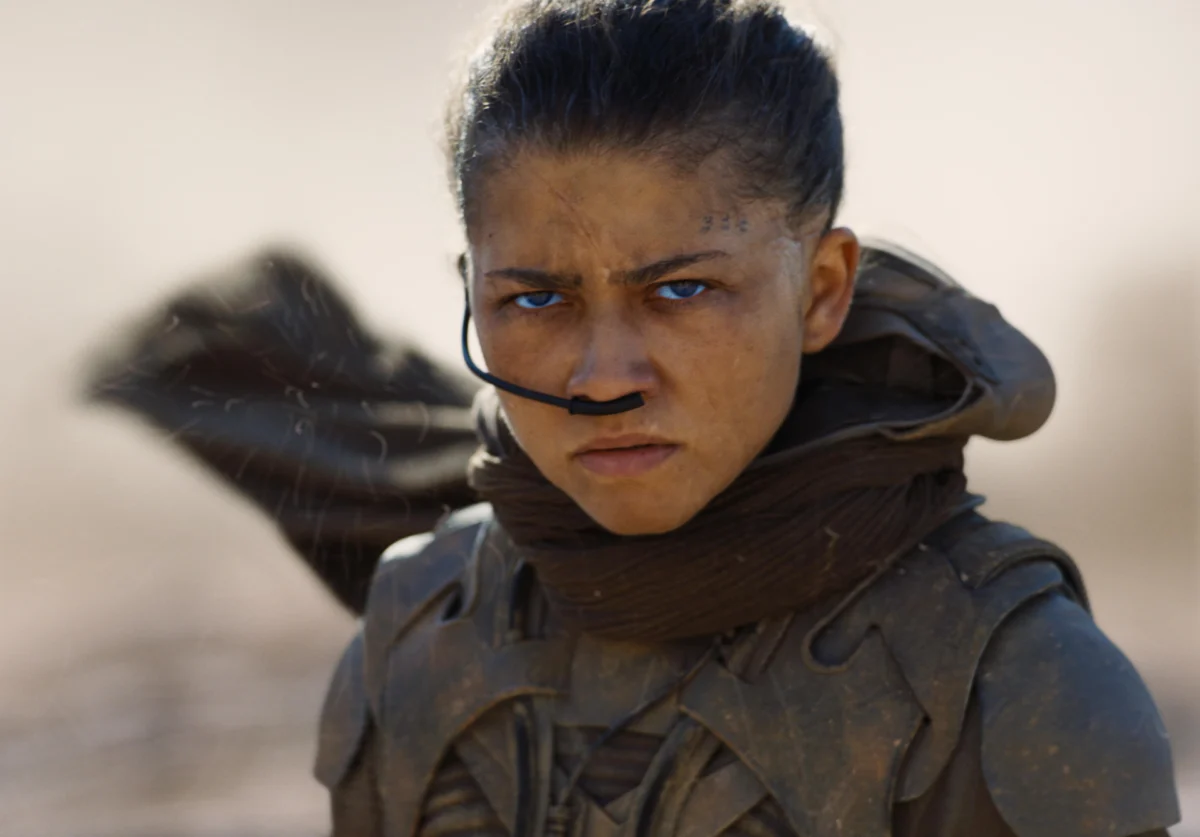
In a move that signals both a shift in narrative focus and a new milestone in her burgeoning cinematic career, Zendaya is set to campaign for the Academy Award for Best Actress for her performance as Chani in the highly anticipated finale of Denis Villeneuve’s sci-fi epic, Dune: Part Three. Multiple industry insiders have confirmed to Variety that the studio intends to submit the multi-hyphenate star in the lead category, a departure from the supporting actress designations she held for the franchise’s first two installments.
This strategic recalibration reflects the structural evolution of the Dune saga. While Chani served as a pivotal, albeit more peripheral, force in the earlier films, the final chapter promises a significantly expanded role for the character as the story traverses nearly two decades into the future of Frank Herbert’s universe.
The Evolution of Chani: A Narrative Centerpiece
The decision to elevate Zendaya’s campaign category is intrinsically linked to the script’s progression. Dune: Part Three picks up roughly twenty years after the events of the second film, finding Paul Atreides (Timothée Chalamet) firmly entrenched as a ruthless, all-powerful Emperor. As the dust of the Imperium settles, the narrative shifts from the rise of a hero to the harrowing consequences of his absolute rule.
In this final chapter, Chani emerges as the moral and emotional anchor of the story. As Paul grapples with the terrifying fallout of his reign—haunted by visions of imperial collapse and the return of long-lost adversaries—Chani stands at the heart of the mystery. As old alliances fracture and new, existential threats emerge, the film delves deep into a sweeping conspiracy where Chani’s perspective becomes the lens through which the audience observes the true cost of power.
The ensemble cast supporting this climax is nothing short of legendary, featuring Jason Momoa, Florence Pugh, Rebecca Ferguson, Anya Taylor-Joy, Robert Pattinson, Javier Bardem, Josh Brolin, Charlotte Rampling, and Isaach de Bankolé. However, the narrative trajectory heavily positions Zendaya’s Chani as the foil to Chalamet’s descent into tyranny, justifying her transition to the lead actress category.
A Career-Defining Year: The 2026 Slate
The announcement regarding Dune: Part Three comes at the crest of what can only be described as a landmark year for the 30-year-old actress. Zendaya’s 2026 filmography showcases an extraordinary range, moving seamlessly between intimate character dramas, blockbuster mythologies, and global tentpole franchises.
Her year began with the release of Kristoffer Borgli’s The Drama, a romantic dark comedy that allowed Zendaya to showcase her prowess in grounded, complex storytelling. Playing Emma Harwood, a literary editor tasked with unveiling industry-shaking secrets, Zendaya delivered a performance that critics have lauded for its sharp wit and vulnerability. Opposite Robert Pattinson, her work in this film is also slated for a Lead Actress Oscar submission, highlighting the studio’s confidence in her versatility.
Following this, she pivoted to the epic scale of Christopher Nolan’s The Odyssey. In this billion-dollar mythological adaptation, Zendaya portrayed Athena, a role that required both gravitas and an ethereal presence. For this performance, she will be vying for Supporting Actress recognition, finding herself in a competitive field alongside seasoned stars like Anne Hathaway, Samantha Morton, and Charlize Theron.
Finally, the year was punctuated by the massive success of Spider-Man: Brand New Day. By reprising her iconic role as MJ, Zendaya solidified her status as a global box-office force. The film has already ascended to become one of the highest-grossing motion pictures in history, proving that even amidst high-concept prestige work, her commercial appeal remains unparalleled.
Official Responses and Industry Silence
As is customary in the high-stakes world of awards season maneuvering, official communication has remained tight-lipped. Representatives for Warner Bros. and Zendaya declined to comment on the record regarding the specific categorization strategy for Dune: Part Three.
Industry analysts, however, suggest that the move is a logical progression. The "category fraud" debate—where actors are placed in supporting roles to avoid stiffer competition in lead categories—is a frequent topic of contention in Hollywood. By placing Zendaya in the lead category, Warner Bros. is signaling that her contribution to the third Dune film is foundational to the plot, rather than an auxiliary presence.
The Hardware: A History of Acclaim
Zendaya’s journey toward the Academy stage has been marked by a consistent trajectory of critical validation. Despite her relatively brief time in the industry, she has already amassed an enviable collection of hardware that underscores her evolution from a television star to a cinematic powerhouse.
Her work as Rue Bennett in HBO’s Euphoria stands as a benchmark for contemporary dramatic performance. Her two Emmy wins for Outstanding Lead Actress in a Drama Series made her the youngest two-time winner in the category’s history. That performance also earned her a Golden Globe in 2023.
In 2025, she furthered her prestige with Luca Guadagnino’s tennis-infused romance Challengers. The film was a critical darling, and Zendaya’s performance earned her two Golden Globe nominations: one for Best Actress in a Comedy/Musical and another for her role as a producer, recognizing the film’s nomination for Best Picture.
Despite this extensive list of accolades, an Oscar nomination has remained elusive—until now. Given the weight of Dune: Part Three and the critical success of her 2026 output, industry pundits believe this year represents her most significant opportunity to secure a nomination from the Academy of Motion Picture Arts and Sciences.
Implications for the Awards Season
The implications of this campaign are twofold. First, it forces a conversation about the nature of "leading" roles in modern blockbusters. As sci-fi epics become more character-driven, the lines between lead and supporting actors blur. By claiming the lead mantle for Dune: Part Three, Zendaya is challenging the Academy to recognize that her presence is not just essential to the film’s box office, but to its narrative architecture.
Second, it highlights the strength of the 2026 awards race. With Zendaya potentially appearing in multiple categories—Lead Actress for The Drama and Dune: Part Three, and Supporting Actress for The Odyssey—voters will be faced with a unique dilemma: how to weigh a single performer’s output across disparate genres.
As the industry prepares for the December 18 release of Dune: Part Three in theaters and IMAX, all eyes will be on the screen to see if the performance lives up to the heavy expectations placed upon it. If the reception matches the anticipation, Zendaya’s transition from television sensation to Academy Award nominee may finally be realized.
Ultimately, the decision to campaign in the lead category is an act of confidence. It asserts that in a film filled with emperors, warriors, and legendary figures, it is Chani who holds the keys to the kingdom. Whether the Academy agrees will be the defining story of the upcoming awards season. As the sun sets on the year 2026, the industry is watching closely, waiting to see if this is the moment Zendaya finally claims her place among the pantheon of Oscar-nominated legends.
