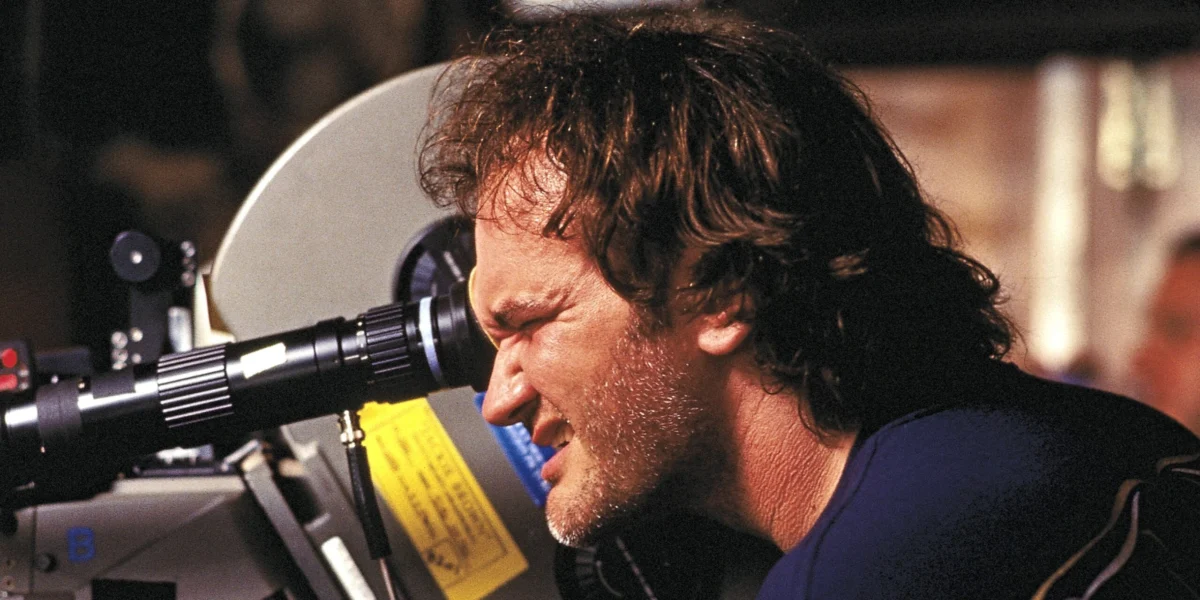
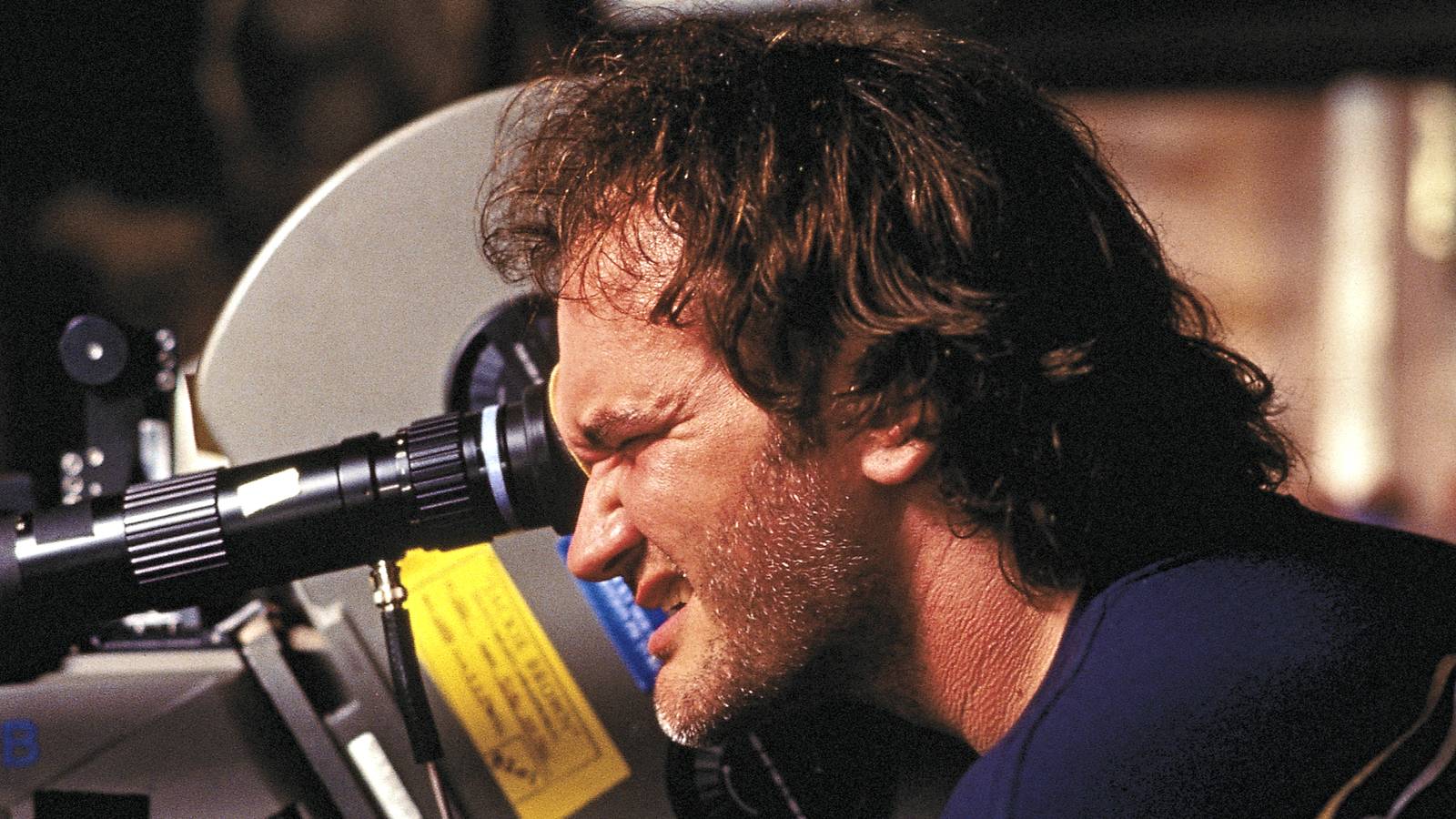
In an industry where high-volume output is often prioritized over artistic deliberation, QuentinTarantino has maintained a famously selective career trajectory. Having directed only nine feature films since his electrifying debut in the early 1990s, the auteur’s filmography is remarkably lean compared to contemporaries like Ridley Scott or Steven Spielberg. Yet, every cinematic entry into his catalog has sparked global conversation, redefined genre conventions, and dominated both the box office and the Academy Awards.
Following a relatively quiet period since his 2019 masterpiece Once Upon a Time… in Hollywood, Tarantino is preparing for a high-profile return to the silver screen with his next major cinematic project arriving in IMAX theatres this November. Meanwhile, retrospectives of his career are reaching a fever pitch as fans and critics revisit his most commercially and critically successful triumphs. Chief among these is his 2012 Southern epic, DjangoUnchained, which has newly landed on Amazon Prime Video via a Howdy subscription, alongside its ongoing availability on Lionsgate’s MovieSphere.
Chronology: Tracing Tarantino’s Asccent
To understand Quentin Tarantino’s towering cultural footprint, one must trace a career defined by sharp stylistic turns and deliberate career pacing:
1992–1994 (The Breakthrough): Tarantino bursts onto the independent film scene with Reservoir Dogs before capturing global attention—and an Academy Award for Best Original Screenplay—with PulpFiction, permanently altering the architecture of modern crime cinema.
1997–2009 (Genre Exploration): He explores blaxploitation homages with Jackie Brown, martial arts epics with the Kill Bill volumes, and WWII revisionism with Inglourious Basterds, cementing his penchant for mixing stylized violence with razor-sharp dialogue.
2012 (The Western Epic): Tarantino drops Django Unchained, his highest-grossing film to date, earning two Academy Awards (Best Supporting Actor for Christoph Waltz and Best Original Screenplay for Tarantino himself).
2015–2019 (Late-Era Masterpieces): He directs The Hateful Eight followed by Once Upon a Time… in Hollywood, which grossed over $400 million globally against a modest $90 million budget and yielded a career-best performance from Brad Pitt.
2026 and Beyond (The Next Chapter): After years of speculation regarding his purported retirement milestone (his stated desire to stop after ten films), Tarantino is set to launch his latest project in IMAX this November, accompanied by related expansions like Brad Pitt’s return in The Further Mis-Adventures of Cliff Booth.
Supporting Data: Box Office Muscle and Critical Acclaim
Tarantino’s unique combination of high-octane entertainment and auteur prestige is reflected in hard numbers. While blockbusters today routinely cross the billion-dollar mark with heavy CGI dependence, Tarantino achieves massive box office returns through star-studded casts, practical sets, and exceptional writing—all on tightly controlled budgets.
Box Office Efficiency:Once Upon a Time… in Hollywood pulled in more than $400 million worldwide against a $90 million budget, proving that an original, R-rated auteur-driven period piece can compete with franchise blockbusters.
Critical Consensus:Django Unchained remains a monumental critical and commercial darling, holding robust scores of 87% from critics and 92% from audiences on Rotten Tomatoes.
The Award Circuit: Across his nine directorial outings, Tarantino has accumulated multiple Academy Award wins and nominations. Django Unchained alone earned two Oscars (Best Supporting Actor and Best Original Screenplay) and scored matching BAFTA wins in the same categories, mirroring the awards success of his previous historical epic, Inglourious Basterds.
Official Responses and Creative Insights
When reflecting on Django Unchained, critics and audiences alike have long praised the film’s fearless deconstruction of the American Western. Set two years before the Civil War, the narrative follows Django (Jamie Foxx), an emancipated slave who teams up with Dr. King Schultz (Christoph Waltz), a quirky German bounty hunter. Their partnership leads them to the brutal Mississippi plantation of the sadistic Calvin Candie (Leonardo DiCaprio), where Django attempts to rescue his long-lost wife, Broomhilda von Shaft (Kerry Washington).
The official Rotten Tomatoes synopsis captures the core of the drama:
"Two years before the Civil War, Django (Jamie Foxx), a slave, finds himself accompanying an unorthodox German bounty hunter named Dr. King Schultz (Christoph Waltz) on a mission to capture the vicious Brittle brothers. Their mission successful, Schultz frees Django, and together they hunt the South’s most-wanted criminals. Their travels take them to the infamous plantation of shady Calvin Candie (Leonardo DiCaprio), where Django’s long-lost wife (Kerry Washington) is still a slave."
The film’s ensemble cast—featuring standout supporting performances by Samuel L. Jackson as the fiercely loyal house slave Stephen, Walton Goggins as Billy Crash, and Kerry Washington—elevated the project from a standard genre homage into a profound, complex cultural lightning rod.
Implications: The Future of Auteur Cinema in IMAX and Beyond
As the industry prepares for Quentin Tarantino’s upcoming November IMAX release, the broader implications for modern Hollywood are significant. In an era dominated by shared superhero universes and algorithmic IP mining, Tarantino remains one of the final remaining directors who can command massive global audiences purely on the strength of his own name.
Furthermore, the continued expansion of his cinematic universe—such as Brad Pitt reprising his Oscar-winning role in the upcoming The Further Mis-Adventures of Cliff Booth—demonstrates a rare willingness to play within his own established lore without compromising artistic integrity.
Whether Django Unchained is being rediscovered by a new generation of home-viewing audiences via Prime Video and MovieSphere, or cinephiles are lining up for his latest IMAX release, Quentin Tarantino proves that uncompromising, director-driven cinema retains an unshakeable grip on the modern cultural imagination.