
The Return of Sacred Heart: How ‘Scrubs’ Found Its Pulse Again
The Renaissance of a Sitcom Icon
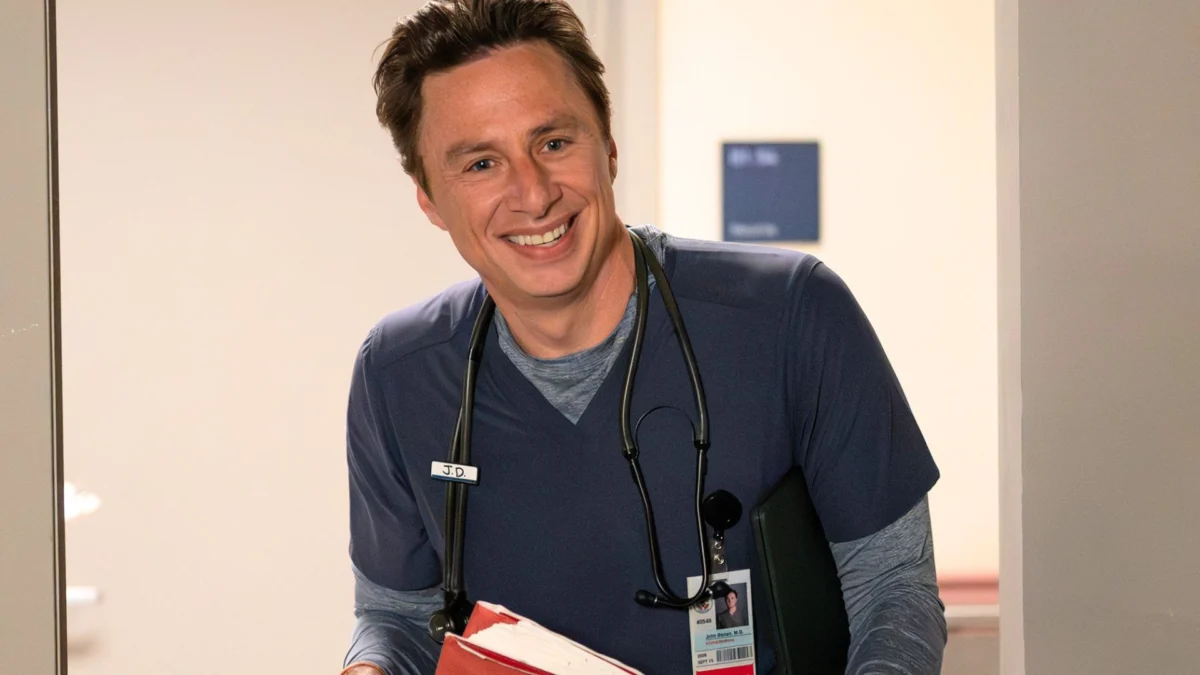
For years, the legacy of Scrubs existed in a precarious state of limbo. Following the widely criticized ninth season—the infamous Med School era—many fans feared that the medical comedy’s cultural footprint had been permanently stained. However, with the arrival of the Scrubs revival, creator Bill Lawrence and the production team have not only successfully navigated the difficult terrain of a modern reboot, but they have also managed to recapture the lightning-in-a-bottle chemistry that made the original run a touchstone of 2000s television.
The current season has been a masterclass in tone-management, balancing the nostalgic comfort of the original Sacred Heart setting with a fresh, contemporary narrative urgency. Yet, it was the fifth episode of the current season, "My Best Friend’s Birthday," that served as a watershed moment. After a steady start, the series has finally hit its stride, producing what many critics and long-time viewers are calling the most significant Scrubs episode since the legendary 2009 series finale, "My Finale."
A Chronology of Redemption: From "My Finale" to Now
To understand the significance of "My Best Friend’s Birthday," one must look at the historical trajectory of the show. "My Finale" remains one of the most highly regarded concluding episodes in sitcom history. It provided a sense of emotional closure that felt earned, poignant, and quintessentially Scrubs—blending J.D.’s (Zach Braff) internal monologues with the raw, often heartbreaking reality of hospital life.
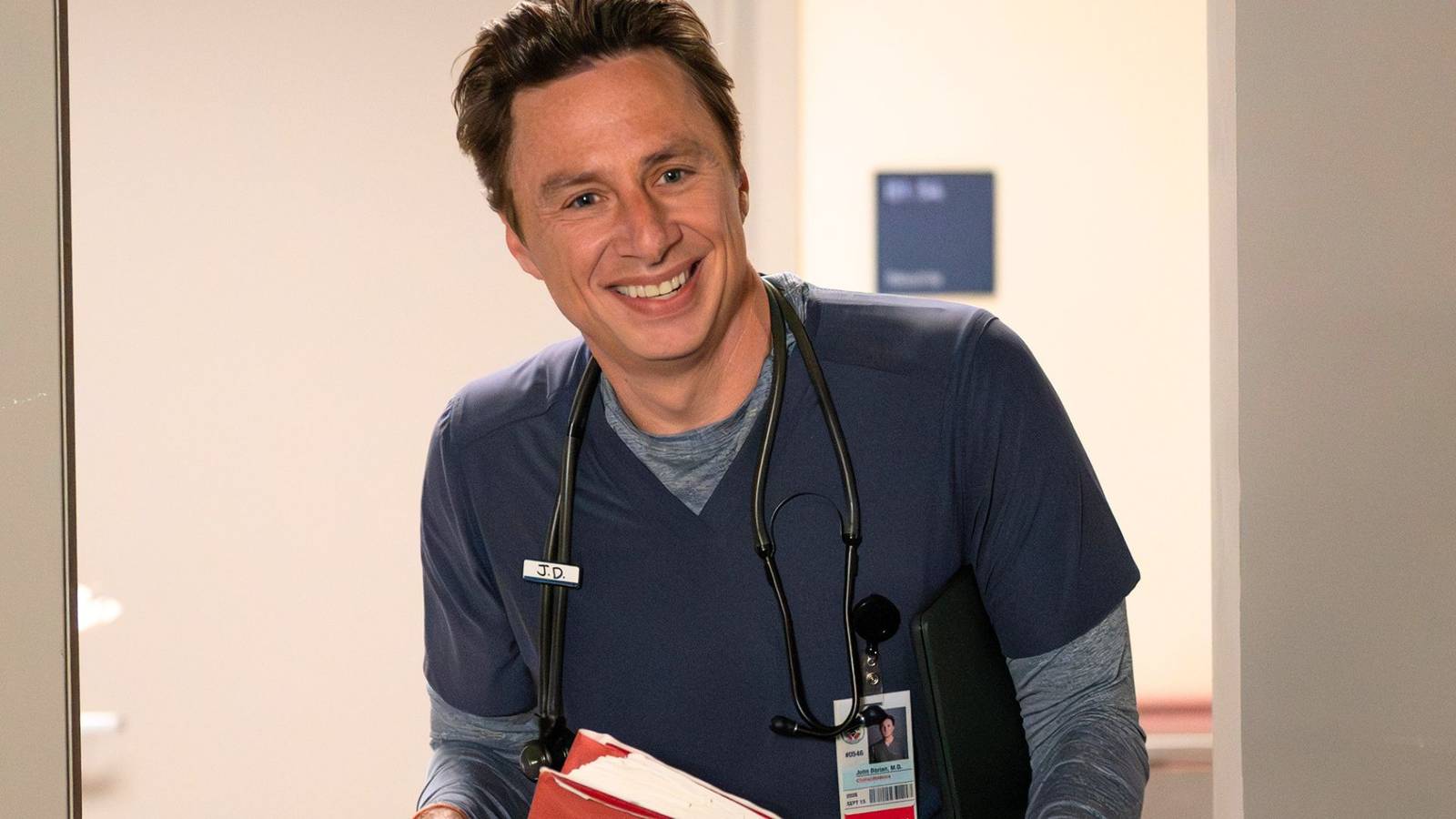
When Scrubs returned, the primary challenge was to wash away the memory of Season 9. By effectively retconning the Med School era, the showrunners cleared the narrative decks. The first four episodes of the current revival focused heavily on re-establishing the rhythm of the hospital. We saw the return of familiar faces, the introduction of a new generation of interns—namely the promising Tosh (Ava Bunn) and the earnest Asher (Jacob Dudman)—and the re-integration of the unique, surrealist humor that defined the series.
However, the pacing in those opening chapters felt experimental. The show was clearly struggling to balance the screen time of legacy characters like J.D. and Turk (Donald Faison) against the necessity of building new arcs for the newcomers. "My Best Friend’s Birthday" marks the end of this experimental phase. It is the first installment where the new characters feel fully fleshed out, and the interplay between the old guard and the new recruits feels not just necessary, but essential to the plot.
Supporting Data: The Balancing Act of Character Dynamics
The success of "My Best Friend’s Birthday" lies in its structural discipline. In television, an ensemble cast is a double-edged sword; too many moving parts often lead to fragmented storytelling. This episode, however, managed to weave three distinct threads into a cohesive tapestry:

- The Legacy Core: Turk’s birthday celebration provided a natural, organic platform for the original cast to interact. It reminded the audience why we fell in love with these characters in the first place, grounding the episode in established emotional history.
- The Internship Crucible: For the first time, we saw Asher riding solo on call. This shift in responsibility forced the character to grow, moving him from the periphery of the story into the driver’s seat.
- The Intergenerational Conflict: The subplot involving Dashana (Amanda Morrow) and Amara (Layla Mohammadi) provided a grounded, relatable conflict—roommate disputes—that served as a perfect foil to the high-stakes, life-or-death drama happening elsewhere in the hospital.
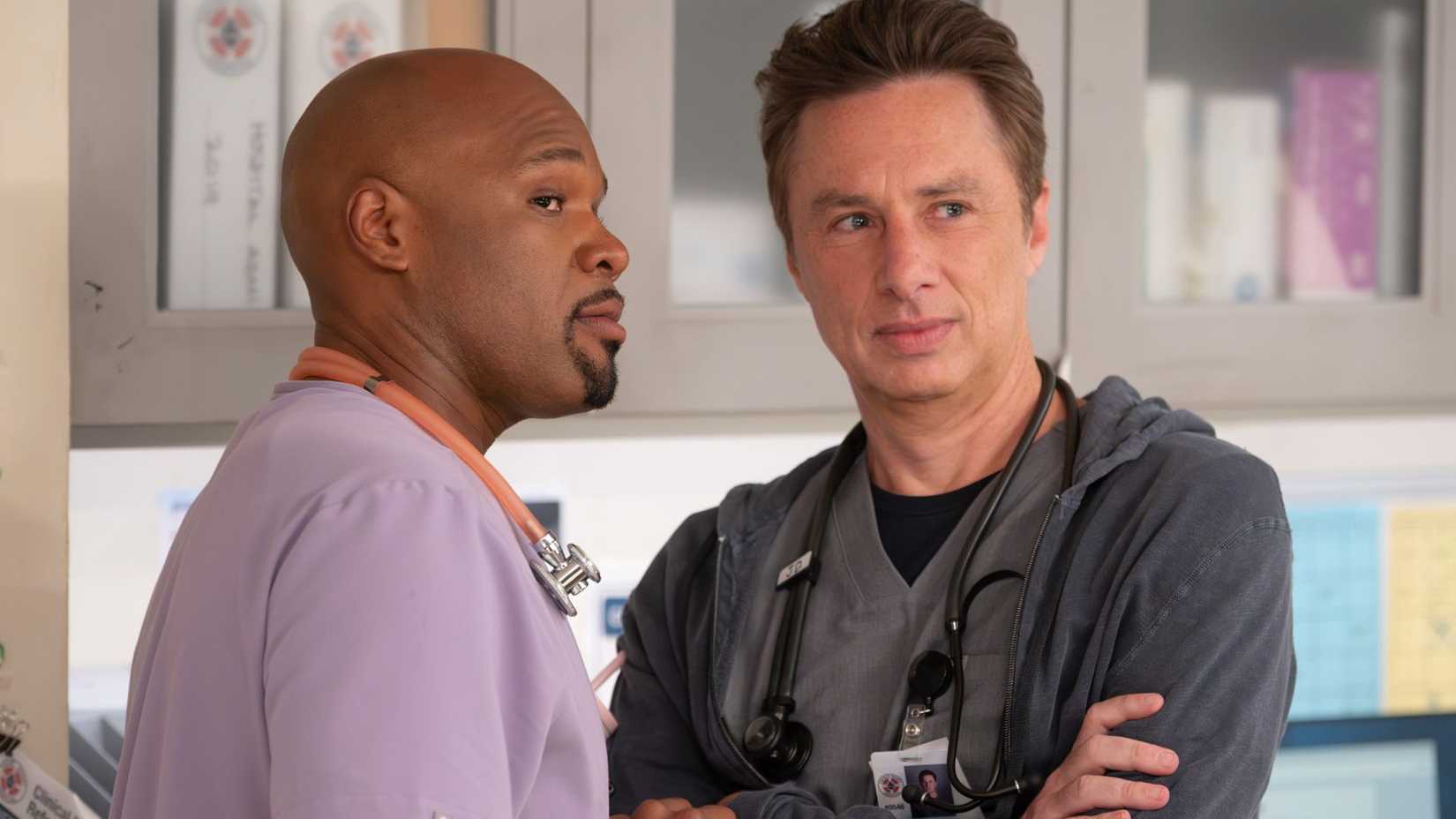
Furthermore, the episode’s pacing was bolstered by the inclusion of Nurse Francois Dubois (Michael James Scott). His role as both a comedic antagonist to Tosh and a mentor figure provides a necessary friction that drives the drama forward. By having characters from both generations interact—J.D. offering mentorship to Asher, while Turk deals with the consequences of a patient’s medical outcome involving the interns—the show has finally achieved the "appropriate ratio" of old and new.
Official Perspectives and Creative Intent
Behind the scenes, the Scrubs revival has been touted as a "redemption arc" for the brand. While Bill Lawrence has been relatively quiet on the specific mechanics of the revival, the tonal consistency of the recent episodes suggests a deliberate return to the show’s roots: a 70/30 split between comedy and pathos.
In a recent press briefing, production insiders noted that the goal for the mid-season was to ensure that viewers who never watched the original series could still engage with the current material. "My Best Friend’s Birthday" achieves this by centering the drama on universal themes: professional insecurity, the transition from trainee to practitioner, and the complexities of adult friendships. By focusing on these human elements, the show avoids becoming a "fan service" vehicle and instead stands as a robust, independent work of television.
Implications: The Future of Sacred Heart
The implications of this episode’s success are significant. First, it proves that the show can sustain itself without leaning solely on the nostalgia of the 2000s cast. By successfully passing the baton to the likes of Asher and Dashana, the revival has ensured that if the show continues beyond this season, it has the foundation to do so.
Second, it addresses the "overcrowded" feeling that plagued the earlier episodes. By choosing to sideline certain characters in favor of a tighter, more focused script, the show proved that quality of screen time is far more important than quantity. The absence of characters like Dr. Cox (John C. McGinley) or Carla (Judy Reyes) was not felt as a deficit, but rather as a necessary narrative choice to allow the plot of the birthday party and the medical crisis to breathe.
As we look toward the final five episodes of the season, the stakes are clearly defined. We know that Dr. Cox’s trajectory and Blake’s (David Gridley) journey into palliative care will serve as the emotional anchors for the finale. However, "My Best Friend’s Birthday" has provided a sense of security. It suggests that even when the show moves away from its central pillars, the creative team has the tools to keep the quality high.
Conclusion: A New Standard
"My Best Friend’s Birthday" is not just a high-water mark for the current season; it is a declaration of intent. Scrubs has successfully navigated the most dangerous part of a revival: the period where the show tries to be everything to everyone. By settling into a rhythm that honors its past while aggressively pursuing its future, the series has cemented its status as a relevant, necessary voice in the current television landscape.
The show is no longer just a "revival"—it is a continuation. For fans who were worried that the magic of Sacred Heart had evaporated, this episode stands as definitive proof that the heart of the hospital is still beating stronger than ever. The bar has been raised, the characters have matured, and for the first time in years, the future of Scrubs looks not just promising, but essential.
