The Immortal Creation: How James Whale’s 1931 Frankenstein Defined the Language of Cinema and Forged a Legacy of Horror
Main Facts: The Enduring Cultural Monument of Universal’s Masterpiece
Nearly a century after its initial theatrical release, JamesWhale’s Frankenstein (1931) remains a towering monolith in the history of cinema. Far more than a mere creature feature, the film stands as a foundational pillar of the horror genre, a masterclass in atmospheric expressionism, and a profound cinematic exploration of hubris, alienation, and the ethics of creation.
Produced by Universal Pictures during a golden era of cinematic monster-making, Frankenstein was adapted from Mary Shelley’s seminal 1818 Gothic novel and theatrical adaptations, yet it charted its own distinct mythological path. At its core is Colin Clive’s frenzied portrayal of Henry Frankenstein, the obsessed scientist who dares to play God, and Boris Karloff’s legendary, heartbreaking performance as the Monster—a creature mute, bewildered, and thrust into a hostile world he never asked to inhabit.
According to the American Film Institute (AFI), the cultural impact of Frankenstein cannot be overstated. The film has earned prestigious placement across multiple definitive AFI lists, anchoring itself as one of the greatest films of all time, while also being recognized among the art form’s most heart-pounding thrills. Furthermore, Colin Clive’s iconic, lightning-charged declamation—"It’s alive! It’s alive!"—has been immortalized as one of the greatest and most recognizable movie quotes in cinematic history.
Chronology: From Mary Shelley’s Page to Universal’s Silver Screen
To understand the cinematic triumph of the 1931 film, one must retrace a precise historical timeline of creation, adaptation, and cinematic risk-taking.
1818–1927: The Literary and Theatrical Genesis
January 1818: Mary Shelley anonymously publishes Frankenstein; or, The Modern Prometheus, establishing the template for modern science fiction and Gothic horror.
1827–1920s: The story undergoes numerous theatrical adaptations on European and American stages, most notably Presumption; or, the Fate of Frankenstein by Richard Brinsley Peake. These stage plays begin to codify the visual and narrative tropes of the scientist and his creation, long before motion pictures capture the public imagination.
1930–1931: Production and Pre-Release Challenges
1930: Following the staggering financial and critical success of Tod Browning’s Dracula, Universal Pictures head Carl Laemmle Jr. greenlights Frankenstein as the studio’s next major horror property.
Early 1931: Robert Florey is initially attached to direct, and test footage is shot with Bela Lugosi (fresh off Dracula) testing prosthetic makeup for the Monster. Lugosi ultimately departs the project due to creative differences over the lack of dialogue and the heavy, restrictive makeup design.
Spring 1931: British director James Whale takes over the helm, bringing a sophisticated, theatrical eye and a darkly satirical sensibility to the material. Whale casts the relatively unknown English stage actor Boris Karloff—credited simply as "Karloff"—to play the Monster.
Summer 1931: Makeup artist Jack Pierce spends months engineering the iconic square-headed, bolt-necked prosthetic design for Karloff, a grueling daily process lasting up to four hours.
November 1931: The Premiere and Cultural Explosion
November 21, 1931:Frankenstein has its world premiere in New York City. The film becomes an immediate commercial smash, horrifying and enthralling audiences emerging from the economic despair of the early Great Depression.
Decades Following: The film spawns a multi-billion-dollar multimedia legacy, countless sequels (Bride of Frankenstein, Son of Frankenstein), pop-culture parodies, and endless academic discourse regarding its psychological and philosophical underpinnings.
Supporting Data: Box Office, Critical Reception, and AFI Accolades
The historical weight of Frankenstein is backed by remarkable data regarding its box-office dominance, critical longevity, and institutional recognition.
Financial and Production Metrics
Production Budget: Estimated at approximately $262,000, a standard mid-tier budget for Universal at the time.
Box Office Gross: Upon its initial theatrical run, the film grossed an astounding $12 million worldwide, making it one of the most profitable pictures of the early sound era and single-handedly saving Universal Pictures from potential bankruptcy during the Great Depression.
Sequels and Franchise Expansion: The film’s runaway success generated a seven-film Universal monster sequence, paving the way for cinematic universes nearly a century before modern Hollywood franchise models took over.
American Film Institute (AFI) Recognition Data
The American Film Institute has repeatedly enshrined Frankenstein in its national cultural indices:
AFI’s 100 Years…100 Movies: Recognized as one of the 100 greatest motion pictures in American cinema history.
AFI’s 100 Years…100 Thrills: Inducted as a masterwork of cinematic suspense and dread.
AFI’s 100 Years…100 Movie Quotes: Henry Frankenstein’s ecstatic lightning-tower cry—"It’s alive! It’s alive!"—ranks among the top cinematic utterances ever recorded on celluloid.
Official Responses and Contemporary Critical Appraisal
When Frankenstein debuted in late 1931, the critical establishment was both deeply unsettled and profoundly impressed by its technical audacity.
Contemporary Reviews (1931)
Mordaunt Hall of The New York Times wrote upon the film’s release that Frankenstein was "a picture that holds attention with a grim fascination," praising James Whale’s directorial pacing and the startling effectiveness of the sound design. Audiences across the United States reacted with genuine terror; historical accounts note that theatergoers fainted in the aisles, prompting Universal to lean heavily into exploitation-style marketing that warned sensitive patrons to leave before the climax.
The Evolution of Critical Consensus
Over the decades, film historians and critics have elevated Frankenstein from a sensationalist genre picture to a high-art masterpiece. Renowned film critic Roger Ebert later added the film to his "Great Movies" collection, emphasizing that the film endures not because of its shocks, but because of its deep empathy for the Monster.
"The power of Frankenstein resides not in its horror, but in its tragedy," film historian David J. Skal noted in retrospective analyses. "James Whale imbued a pulp monster movie with genuine European art-house melancholy."
Implications: The Technological, Philosophical, and Cultural Legacy
The ripple effects of James Whale’s 1931 masterpiece extend far beyond the horror genre, touching upon bioethics, the psychology of the "Other," and the evolution of cinematic technology.
1. The Birth of the Sympathetic Monster
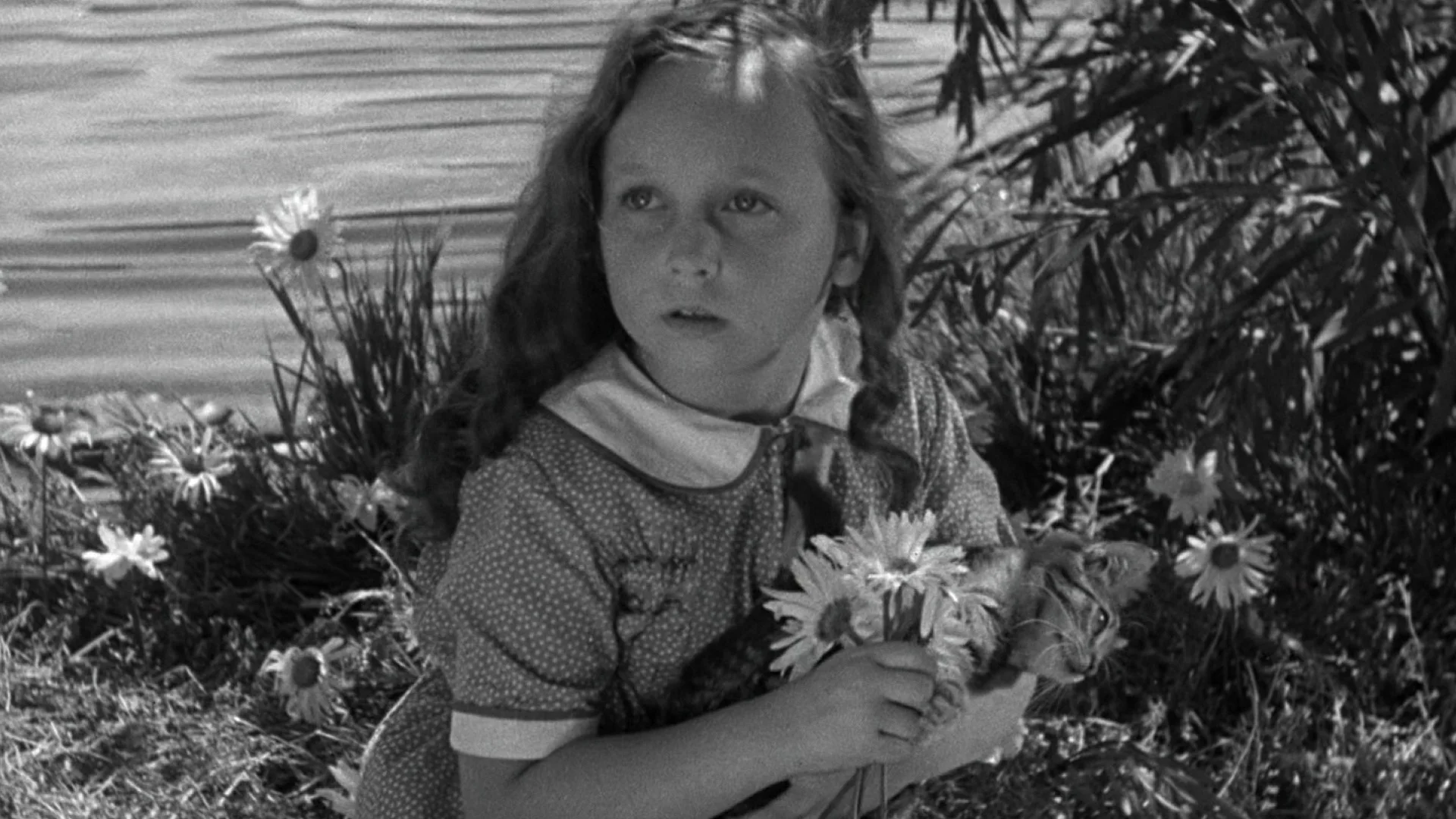
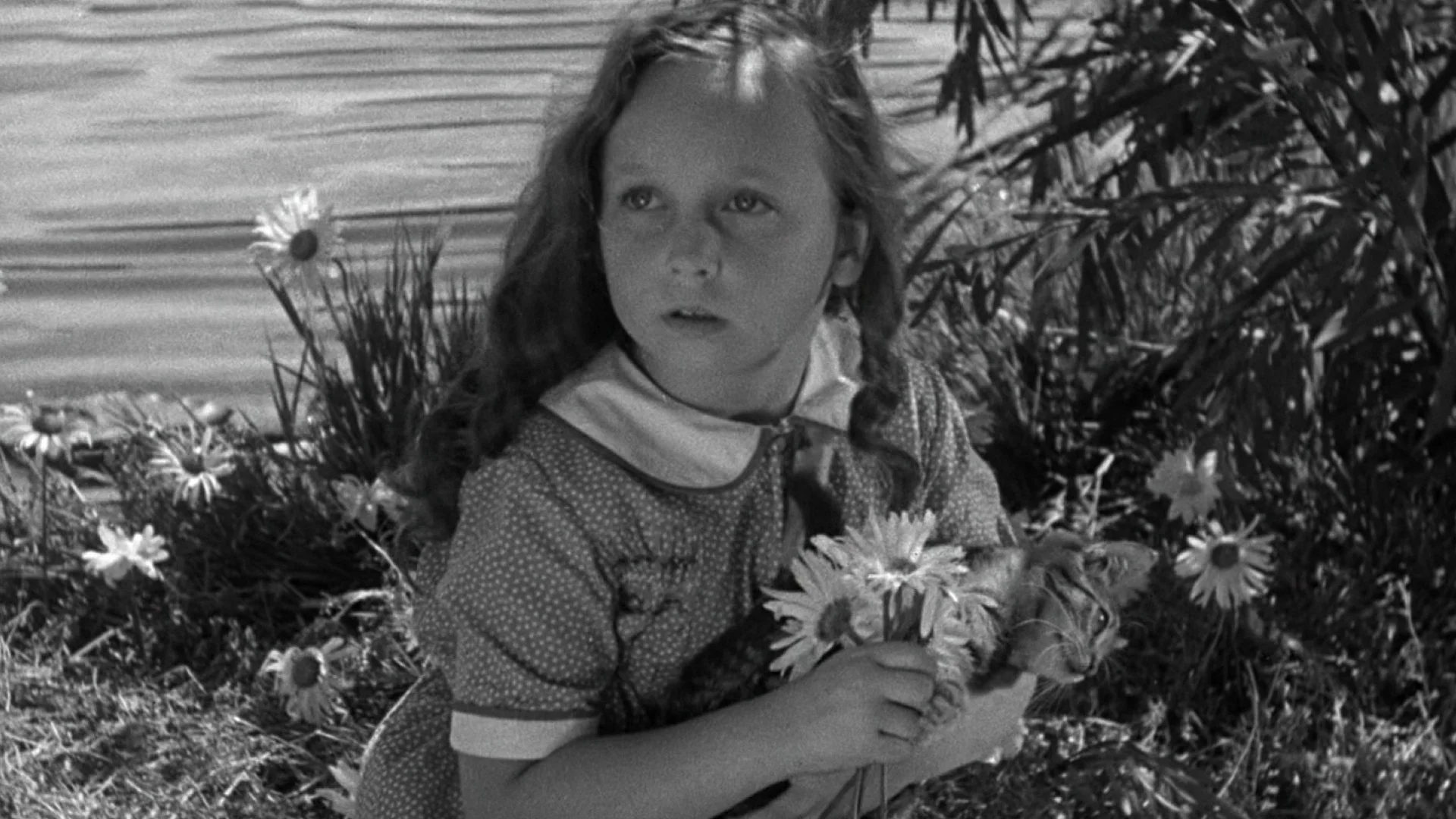
Before 1931, cinematic villains and monsters were typically portrayed as irredeemably evil, monstrous forces of nature that needed to be vanquished. Boris Karloff’s performance fundamentally subverted this trope. Through subtle body language, heavy-lidded expressions of confusion, and an undeniable pathos, Karloff forced audiences to sympathize with the creature. The implication was clear: the true monsters of the story were not the patched-together corpse, but the intolerant villagers and the arrogant creator who abandoned his responsibility. This psychological nuance paved the way for modern anti-heroes and complex character studies in cinema.
2. Bioethics and the "Modern Prometheus"
Mary Shelley’s subtitle, The Modern Prometheus, warned against the dangers of humanity overstepping its bounds into the realm of divine creation. Released at the dawn of rapid technological advancement, sound cinema, and early industrial automation, the 1931 film struck a raw nerve regarding the ethical limits of science. Today, as discussions surrounding artificial intelligence, genetic engineering, and synthetic biology dominate global discourse, the cautionary tale of Frankenstein remains acutely relevant. Henry Frankenstein’s unbridled ambition—fueled by the chilling cry, "Now I know what it feels like to be God!"—serves as an eternal warning against scientific hubris without moral oversight.
The legacy of Frankenstein also underscores the vital importance of film preservation. Through organizations like the American Film Institute and the Library of Congress (which selected the film for preservation in the United States National Film Registry in 1991), masterworks of early cinema continue to be studied, restored, and shared with new generations of filmmakers and cinephiles.
As viewers continue to stream Frankenstein via platforms indexed by the AFI Catalog, they are not merely watching a historical artifact; they are witnessing the exact moment the modern cinematic language of light, shadow, dread, and empathy was born.