
The Independent Revolution: Why Dana Terrace’s ‘Knights of Guinevere’ is 2026’s Animated Masterpiece
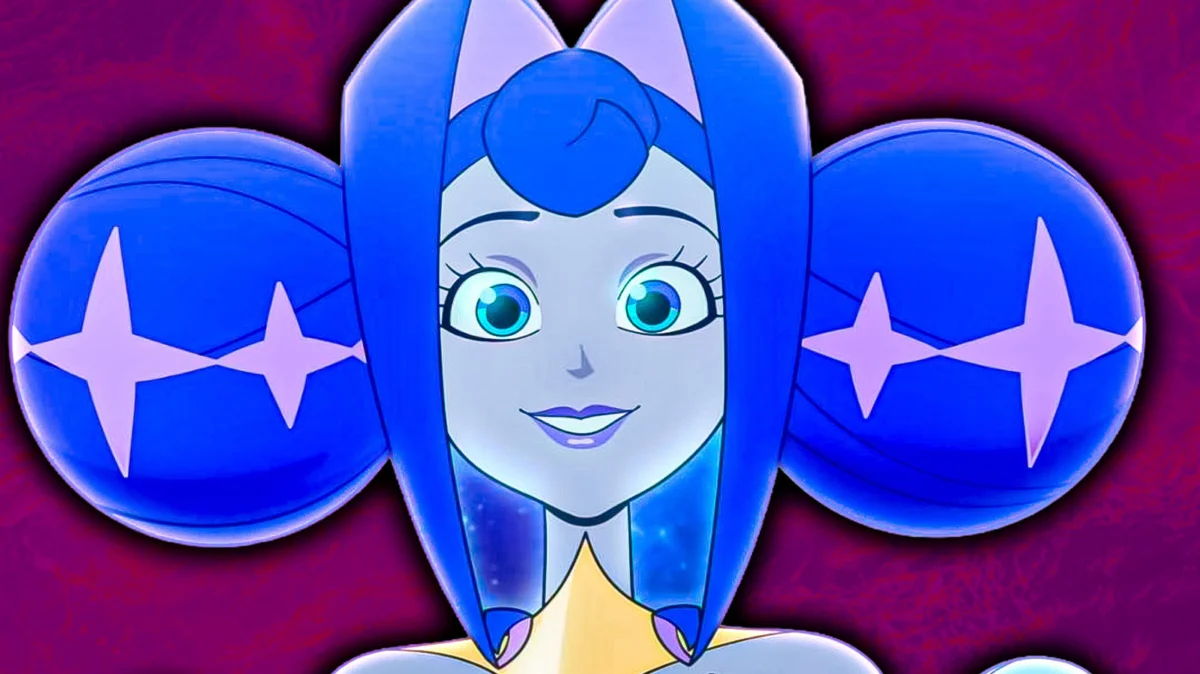
In the landscape of 2026 animation, the traditional hierarchy of media—dominated by massive studio budgets, corporate streaming monoliths, and rigid production schedules—has been effectively challenged by a singular, defiant project. Knights of Guinevere, the independent web series helmed by visionary creator Dana Terrace, has emerged not merely as a cult hit, but as one of the most compelling narratives currently gracing any screen.
For viewers weary of the sanitization of modern media, Knights of Guinevere offers a visceral, uncompromising alternative. Co-created by Terrace, Zach Marcus, and John Bailey Owen, the series represents a seismic shift in how animation can be distributed, consumed, and appreciated. By utilizing the reach of platforms like YouTube and the creative freedom of independent production, the show has bypassed the "gatekeepers" to deliver a biting critique of the very industry that once tried to constrain its creators.
The Core Premise: A World Built on Decay
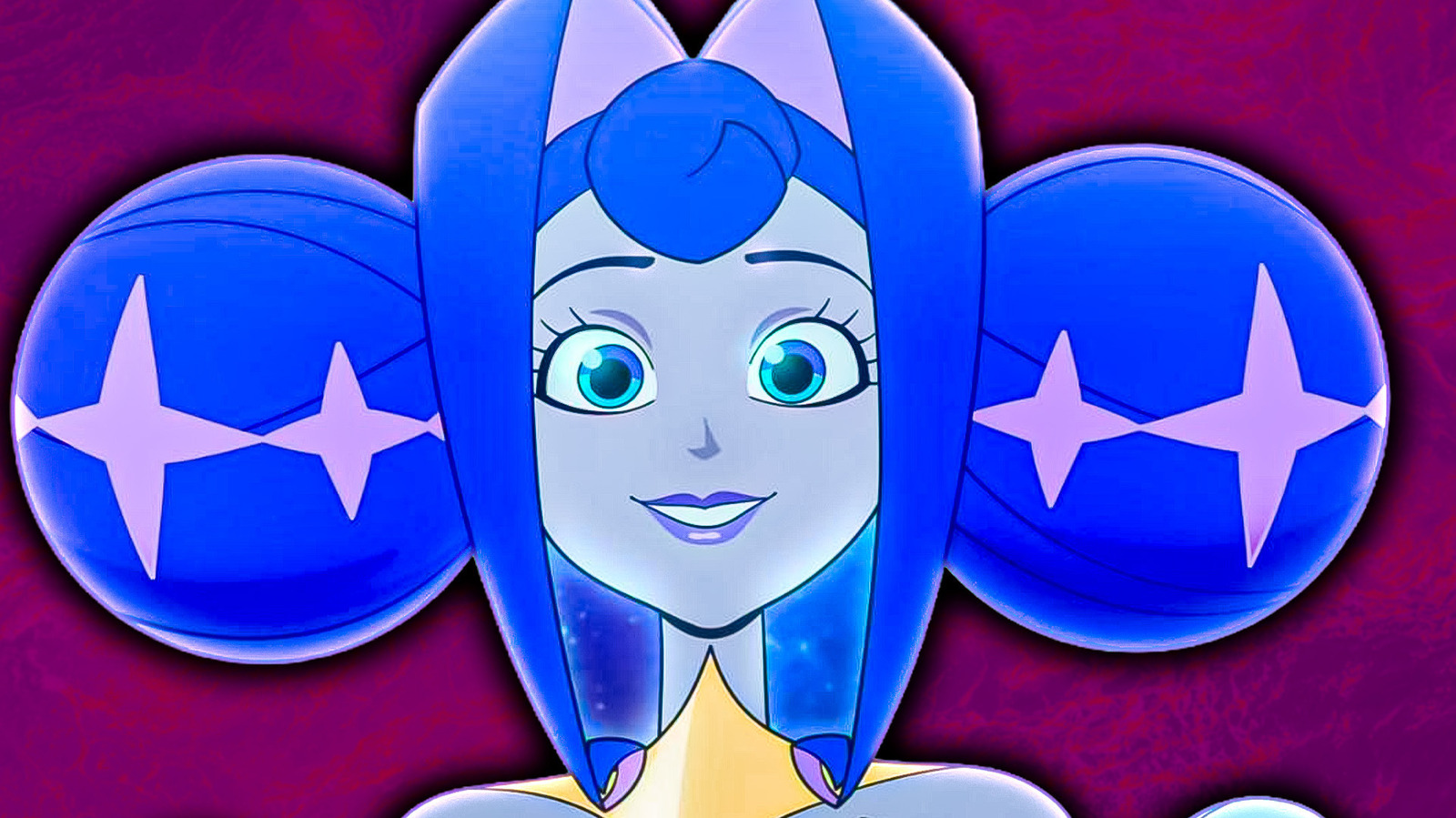
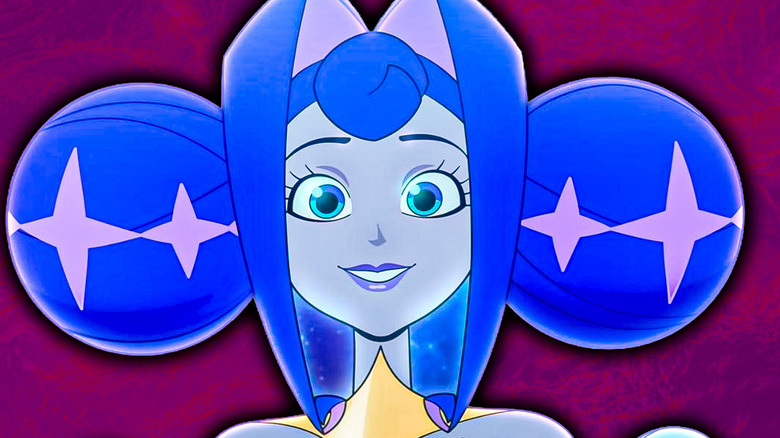
At the heart of the series lies "Park Planet," an immense, planet-sized amusement park floating in the void. It is a setting that functions as both a playground and a prison, serving as a scathing allegory for the soul-crushing nature of modern corporate consumerism. The park’s mascot is Guinevere (voiced by Eden Riegel), an android princess designed to represent the ultimate corporate asset: beautiful, subservient, and infinitely reproducible.
The narrative hook is deceptively simple: a factory worker and an engineer, dwelling on the neglected, industrial surface of the world below the park, stumble upon a damaged, discarded Guinevere unit. This discovery acts as the catalyst for a series of events that dismantle the glossy facade of Park Planet. As the protagonists peel back the layers of the park’s history, the show pivots from a sci-fi mystery into a high-stakes exploration of exploitation, artistic integrity, and the cost of human connection in an automated world.
Chronology of a Cult Phenomenon
The trajectory of Knights of Guinevere has been unconventional from its inception, reflecting the volatile yet liberating nature of independent production.
- Late 2025: The pilot episode premieres on the Glitch Productions YouTube channel. It is met with immediate, widespread acclaim, garnering millions of views and sparking intense discourse regarding its dark themes and experimental visual style.
- 2026: Following a year-long hiatus that tested the patience of its burgeoning fanbase, the series officially returns, cementing its status as a standout title for the year.
- January 2027 (Projected): The release of the third episode, marking the next chapter in the ongoing struggle against the architects of Park Planet.
- April 2027 (Projected): The scheduled premiere of the fourth episode, continuing the show’s slow-burn narrative rollout.
This release schedule—while excruciating for fans—is a byproduct of the show’s independence. Unlike a traditional television production where episodes are churned out to meet quarterly fiscal demands, Knights of Guinevere is crafted with a level of attention to detail that simply cannot be rushed.
Supporting Data: The Shift to 2D Mastery
One of the most notable aspects of the series is its aesthetic evolution. Glitch Productions, a studio historically celebrated for its prowess in 3D animation, made a daring pivot to 2D for this project. This decision was not merely stylistic; it was thematic. The hand-drawn aesthetic allows for a fluid, expressive quality that mirrors the show’s preoccupation with the "human touch" in an era of mechanical efficiency.
The visual storytelling in Knights of Guinevere is dense with symbolism. The stark contrast between the vibrant, garish colors of the amusement park and the grimy, desaturated reality of the surface dwellers creates a jarring, effective visual shorthand for class disparity. As the show’s budget and reach continue to grow via independent crowdfunding and organic YouTube growth, the animation quality has only improved, proving that the medium of 2D is far from dead—it just needed the right hands to guide it.
The "Owl House" Legacy and the Fight Against Censorship
To understand the spirit of Knights of Guinevere, one must look at the history of its creator. Dana Terrace became a lightning rod for controversy during her tenure at Disney, where she helmed the critically adored The Owl House. That show, while groundbreaking in its representation and narrative depth, was notoriously cut short by Disney executives, leading to a truncated final season.
The friction between Terrace and the Disney corporate apparatus reached a breaking point when she famously encouraged fans to pirate the series rather than support the company’s streaming platform. This act of creative rebellion set the stage for Knights of Guinevere. The new series is, in many ways, the "unfiltered" successor to The Owl House. Where the latter had to work within the constraints of children’s television, Knights of Guinevere revels in its maturity. It features visceral gore, complex moral ambiguity, and a level of thematic cynicism that would never have been permitted under the Disney banner.
Implications for the Future of Animation
The success of Knights of Guinevere has sent shockwaves through the animation industry. It suggests that the "Disney model"—wherein creators are beholden to shareholders and marketing departments—is no longer the only viable path to success.
1. The Democratization of Distribution
By leveraging YouTube as its primary home, Knights of Guinevere has bypassed traditional licensing deals and region-locking. It is available to anyone with an internet connection, free of charge. This model, while challenging to monetize, fosters a global community of viewers who feel personally invested in the show’s survival.
2. The Rise of "Creator-First" Studios
Glitch Productions is proving to be a new kind of powerhouse. By providing a platform for established industry veterans like Terrace to create without the interference of corporate middle management, they are attracting the best talent in the industry. This is a direct threat to the traditional studio system, which often struggles to retain visionary creators who feel stifled by corporate oversight.
3. The Rejection of Consumerism
Ironically, a show about the dangers of a theme-park-driven, consumerist hellscape is being watched by millions who are increasingly disillusioned by the very companies that own the intellectual properties they love. The show’s popularity is a barometer for the current cultural climate: audiences are hungry for stories that are "angry," "real," and explicitly anti-establishment.
Conclusion: A New Standard for Independent Art
Knights of Guinevere is more than just a series; it is a manifesto. It is proof that a small, dedicated team can compete with the world’s largest entertainment conglomerates by simply offering a better, more authentic product.
While the wait for future episodes may be long, the quality of the work is undeniable. By blending the high-fantasy lore of The Owl House with the gritty, adult-oriented sci-fi sensibilities of modern independent animation, Dana Terrace and her collaborators have created a landmark piece of media. As we look toward 2027 and beyond, Knights of Guinevere will likely be remembered as the tipping point—the moment when the power dynamic in animation began to shift, once and for all, back into the hands of the storytellers.
For those who have yet to dive into the mystery of Park Planet, the official Glitch Productions YouTube channel awaits. Just be prepared: the world of Guinevere is not one of fairy tales, but of consequences.
