
From Box Office Blunders to Cinematic Icons: 10 Sci-Fi Cult Classics

In the high-stakes world of Hollywood, the metrics of success are often brutally simple: opening weekend gross, marketing efficiency, and critical reception. For decades, the subreddit r/BoxOffice and industry analysts have dissected these numbers with surgical precision. Yet, history has proven that a film’s initial financial performance is a notoriously unreliable indicator of its long-term artistic value.
In the realm of science fiction, this disconnect is particularly pronounced. The genre’s inherent tendency to explore existential dread, the nature of humanity, and the cold indifference of the future often results in challenging, provocative cinema that defies the "digestible entertainment" favored by mass audiences at the time of release. Today, we examine ten seminal science fiction films that, despite suffering catastrophic box office flops upon their debut, have transcended their initial failures to become cornerstones of the cult canon.

The Anatomy of a Flop: Why Sci-Fi Struggles at Launch
Historically, sci-fi films that push boundaries are often "ahead of their time." When a project attempts to marry complex philosophical inquiry with high-concept visuals, it runs the risk of alienating general audiences seeking escapism.
For many of the films on this list, failure was a combination of bad timing, aggressive studio meddling, and the crushing shadow of more conventional blockbuster competition. When these movies failed to recoup their production budgets, they were initially written off by executives as expensive mistakes. However, the rise of home video in the 1980s and 90s, followed by the democratizing power of the internet and repertory cinema, allowed these films to find their intended audience—an audience that valued the director’s original vision over the studio’s compromised release.

A Chronological Journey Through the Pantheon
1. The Rocky Horror Picture Show (1975)
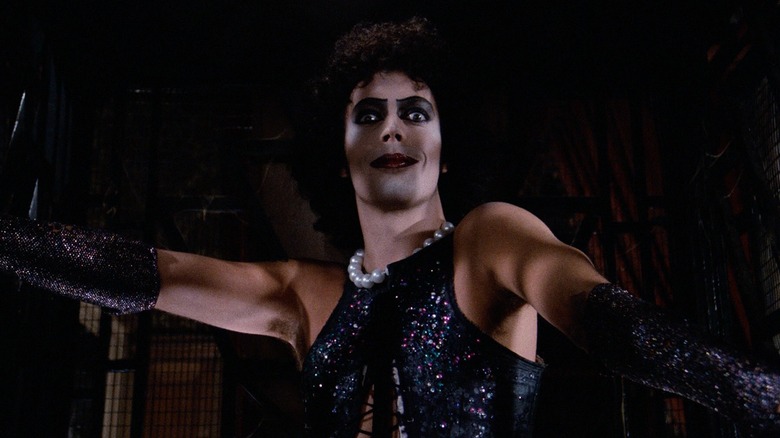
Jim Sharman’s adaptation of Richard O’Brien’s stage musical arrived in 1975 to a cold reception. 20th Century Fox pulled the film from theaters almost immediately due to abysmal attendance. However, the "midnight movie" phenomenon at New York’s Waverly Theater in 1976 transformed the film into a ritualistic event. It became a sanctuary for the counterculture, where the act of viewing—complete with costumes, audience participation, and props—became as important as the film itself.
2. Blade Runner (1982)
Ridley Scott’s neo-noir masterpiece hit theaters in June 1982, sandwiched between the populist juggernauts of E.T. and The Thing. Expecting a high-octane Harrison Ford action film, audiences were bewildered by the film’s slow, meditative pace and bleak outlook. Warner Bros. panicked, forcing a voice-over and a "happy ending" that undermined Scott’s vision. It took decades of director’s cuts and a critical reappraisal to cement Blade Runner as perhaps the most influential sci-fi film of the late 20th century.

3. The Thing (1982)
Released just weeks after Blade Runner, John Carpenter’s The Thing was similarly crushed by the E.T. effect. Critics savaged the film for its nihilism and visceral, grotesque practical effects. Yet, Rob Bottin’s creature designs remain the gold standard for body horror, and the film’s atmosphere of unrelenting paranoia has aged significantly better than the sentimental blockbusters of that same summer.
4. TRON (1982)
Disney’s foray into the "computer age" was a risky gamble that failed to pay off. Despite its pioneering use of early CGI, the film earned only modest returns against a high budget. TRON was a visionary project that lacked the narrative warmth of its competitors, but it accurately predicted the digital obsession that would define the next four decades of human history.
5. Dark City (1998)
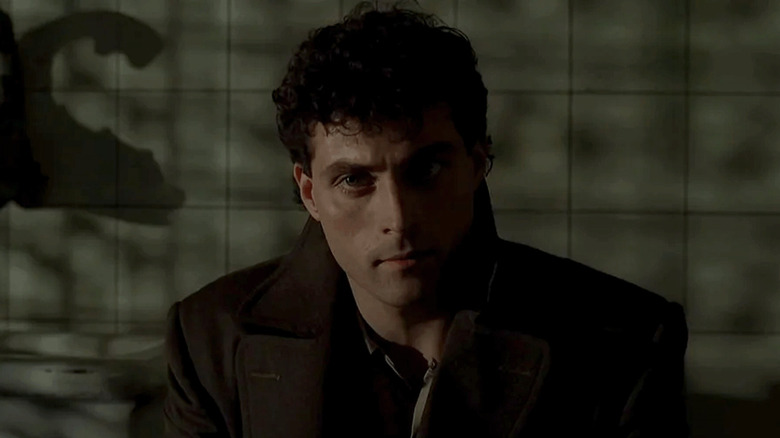
Alex Proyas’ 1998 visual feast was a victim of timing, forced to compete with the cultural tsunami of Titanic and the looming arrival of The Matrix. Borrowing sets from the latter, Dark City offered a haunting, German Expressionist look at memory and identity. While it underperformed, it remains one of the most intellectually rigorous sci-fi films ever produced.
6. Gattaca (1997)
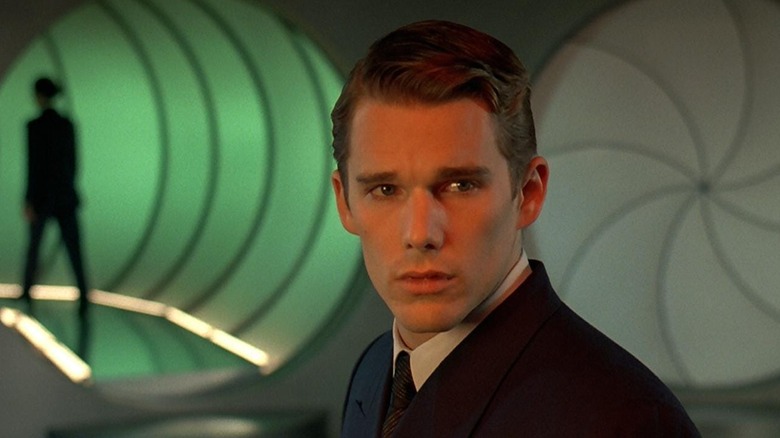
Andrew Niccol’s directorial debut is a masterpiece of restraint. In an era dominated by loud, explosive sci-fi, Gattaca’s cool, clinical approach to genetic discrimination made it a hard sell. Its failure was a failure of marketing, not merit; it remains a poignant, philosophical look at the indomitability of the human spirit.
7. Event Horizon (1997)
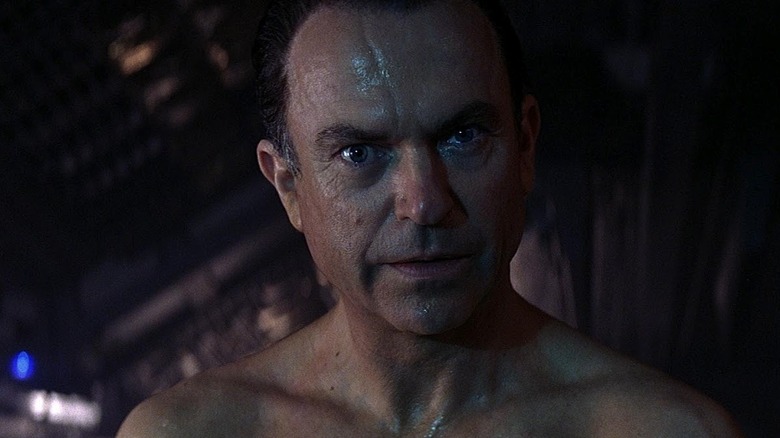
Paul W.S. Anderson’s space-horror outing was famously rushed through post-production, leading to a theatrical cut that was heavily sanitized of its most extreme violence. The film’s "lost" footage has become the stuff of urban legend, fueling a devoted following that keeps the film relevant to this day, with a comic book sequel currently in development.
8. The Iron Giant (1999)
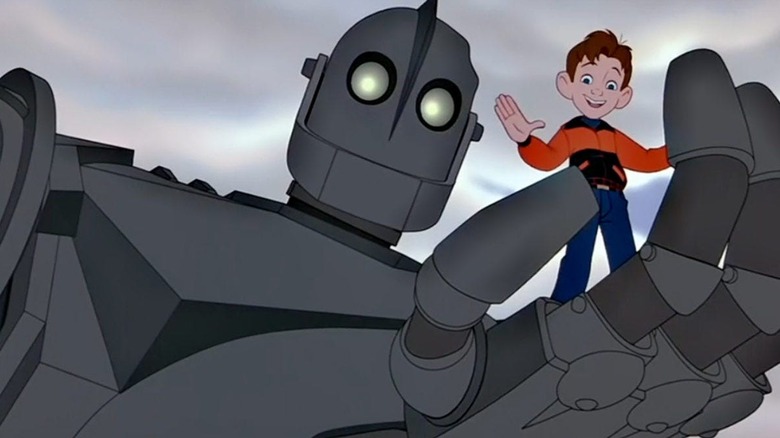
Brad Bird’s hand-drawn animation debut is perhaps the most tragic entry on this list. Warner Bros., still reeling from the failure of Quest for Camelot, barely marketed the film. Families who would have adored the story of a young boy and his misunderstood alien robot were unaware of its existence until it had already vanished from screens. It has since become a standard-bearer for emotional, intelligent animation.
9. Donnie Darko (2001)
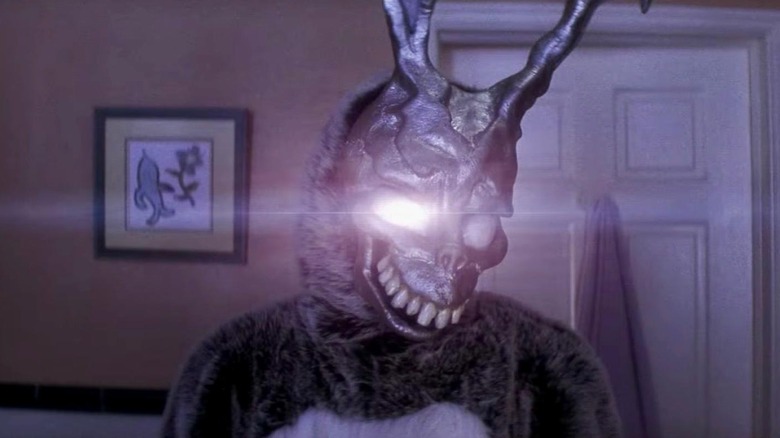
Released in the wake of 9/11, Richard Kelly’s Donnie Darko was deemed too weird for the post-tragedy climate. With its complex time-travel mechanics and suburban dread, it failed to find a foothold. However, the DVD era turned it into a "puzzle box" movie that fans would study for years, spawning a massive subculture of theories and fan-made explanations.
10. Starship Troopers (1997)
Paul Verhoeven’s military satire is the ultimate example of a film being "too smart for its own good." Because the film perfectly mimicked the aesthetic of a jingoistic, fascist recruitment video, many critics and audiences missed the irony entirely. They interpreted the satire as a sincere glorification of war, leading to a tepid box office run that ignored the film’s biting social critique.
Supporting Data: The "Hereditary" Curse of Sequels
Interestingly, the failure of these original films often bleeds into their franchise extensions. Blade Runner 2049 (2017) and recent TRON iterations have faced similar uphill battles at the box office. This suggests that these properties exist in a "cult vacuum"—they are beloved by a dedicated core of cinephiles, but their high-concept, often challenging DNA is inherently resistant to becoming a traditional, mass-market blockbuster franchise.
Official Responses and Creative Resilience
The directors of these films often express mixed emotions regarding their initial failures. Ridley Scott has spoken at length about the difficulty of the Blade Runner shoot and his relief when the Final Cut was finally released. Paul Verhoeven, conversely, has often chuckled at the fact that audiences missed the joke in Starship Troopers, viewing the subsequent cult status as the ultimate validation of his intent.
For these filmmakers, the box office was merely a temporary hurdle. The "official" record of their success is not found in a spreadsheet, but in the enduring influence they have had on subsequent generations of directors. From the visual language of Dark City influencing the Wachowskis, to the emotional beats of The Iron Giant shaping modern animation, these films represent a legacy that transcends quarterly earnings.
Implications for Modern Filmmaking
What do these ten films teach us about the current state of the industry? They serve as a vital reminder that the "business side" of film often fails to account for the "artistic side." As the industry pushes toward more homogenized, safe, and algorithmically tested content, the risk is that we may stop funding the very types of challenging, weird, and singular visions that eventually become our most cherished classics.
The rise of streaming and boutique physical media (such as 4K restorations from labels like Criterion or Arrow Video) has created a new ecosystem where "flops" can thrive. These platforms have proven that there is a massive, global audience for sci-fi that demands more than just explosions. For the next generation of filmmakers, the message is clear: if you are willing to take the risk of making something truly different, the audience will find you—it just might take a few decades.
