
Inside the Magic and the Meme: Disney’s ‘Hexed’ Filmmakers Address Viral Trailer Framing Criticisms
By Staff Entertainment Reporter
Published: June 2026
Main Facts: The Viral Debate Surrounding ‘Hexed’
The release of a first-look promotional trailer is typically a cause for unbridled celebration at Walt Disney Animation Studios, marking the moment a project steps out of the shadows of production and into the public eye. However, the debut promotional footage for the upcoming 2026 animated feature Hexed sparked an unexpected and highly specific conversation across social media platforms like X (formerly Twitter), TikTok, and Instagram.
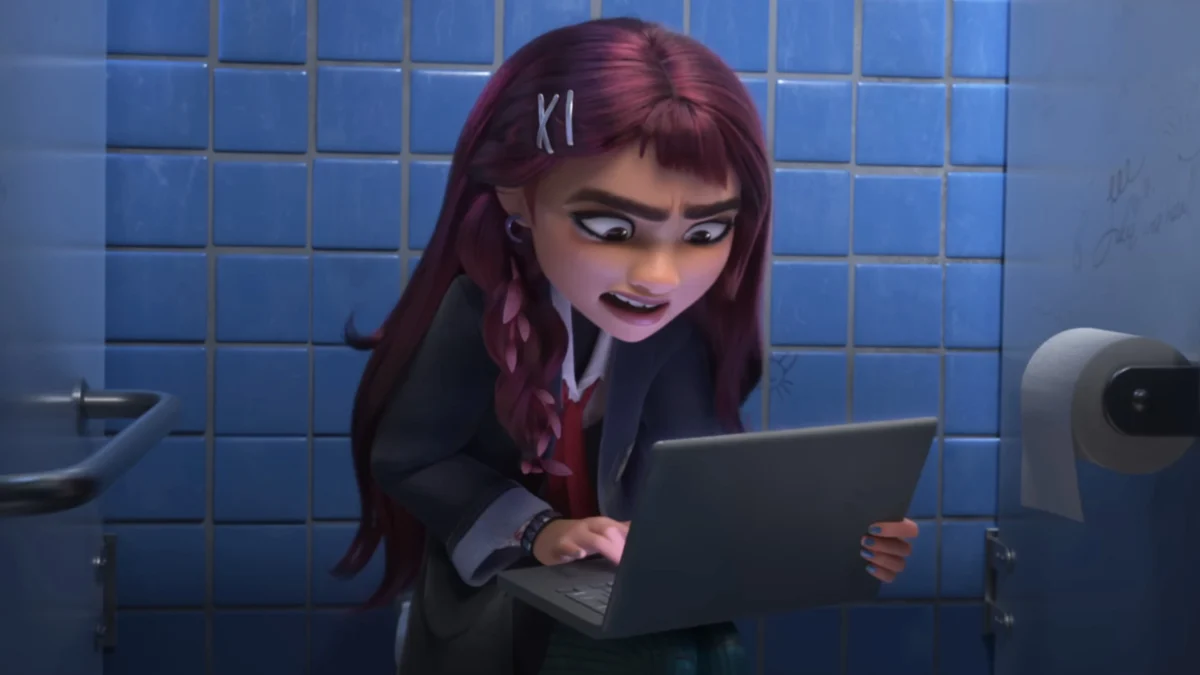
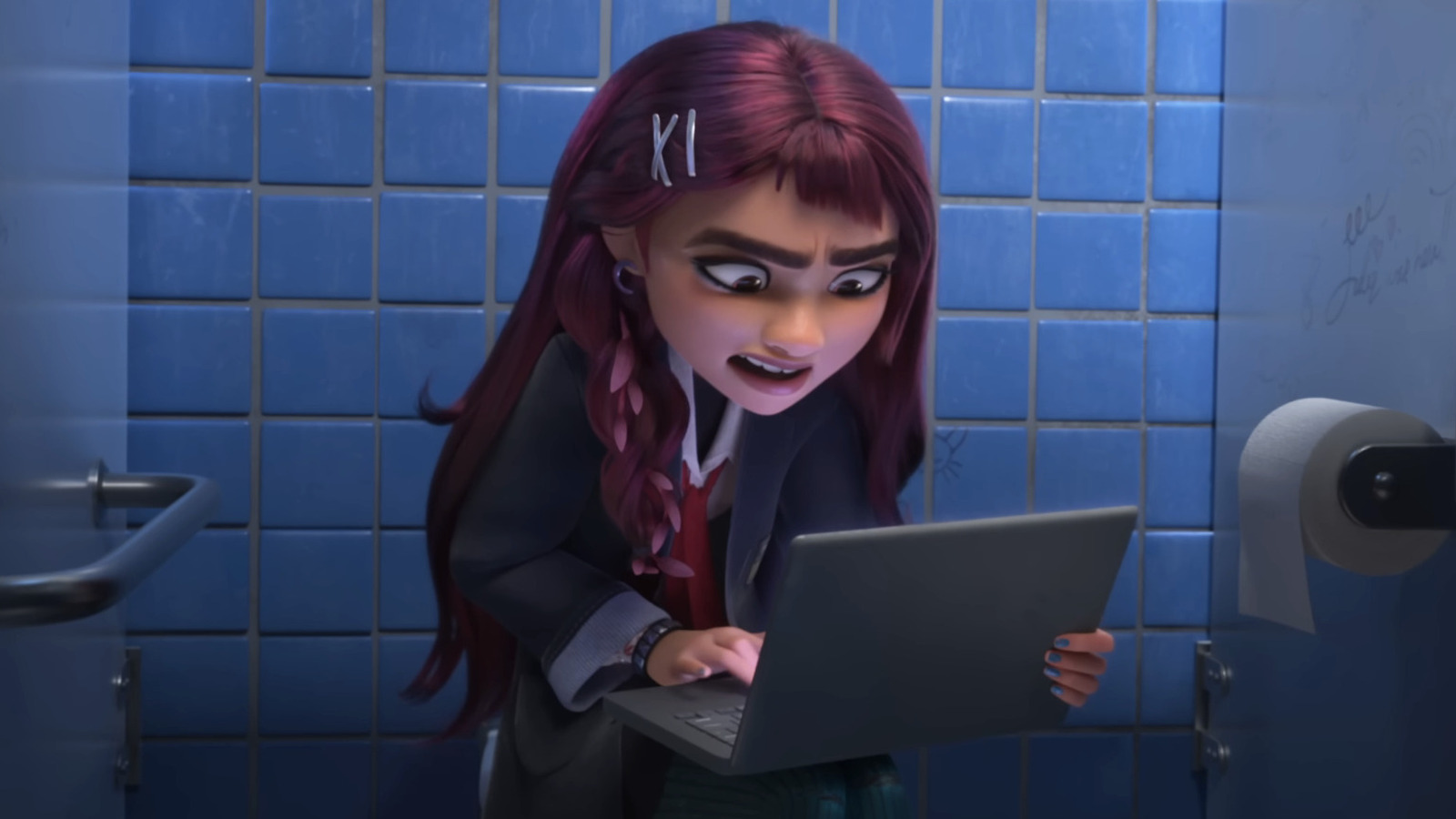
Eagle-eyed internet users quickly pointed out a recurring visual pattern in the trailer: an overwhelming majority of the character placements, action sequences, and compositions were tightly clustered in the dead center of the frame. This framing choice triggered a wave of viral speculation, with many armchair critics and meme accounts suggesting that the film had been visually optimized for vertical video consumption on short-form social media feeds rather than traditional cinematic presentation.
The online discourse drew sharp unfavorable comparisons to other recent animated misfires, raising concerns that traditional Hollywood storytelling was bending the knee to algorithmic optimization.
However, behind the scenes at Disney Animation Studios in Burbank, California, the film’s directors—Jason Hand (Moana 2) and Fawn Veerasunthorn (Wish)—maintain that the internet got it wrong. In exclusive interviews, the creative team has pushed back against the vertical-video narrative, attributing the trailer’s divisive framing to deliberate storytelling choices embedded deep within the movie’s thematic architecture rather than a cynical marketing or formatting pivot.
Chronology: From Internet Speculation to Studio Clarification
Understanding how the controversy unfolded requires tracing the timeline from the trailer’s drop to the studio’s early press day response:
- June 17, 2026: The official teaser trailer for Hexed debuts online, immediately capturing audience attention with its vibrant yet chaotic premise involving a teenage outcast discovering accidental witchcraft.
- June 17–19, 2026: Within hours of the trailer’s release, viral posts—most notably a side-by-side comparison video shared by user @clubsadie on X—amassed hundreds of thousands of views and interactions, highlighting the hyper-centered framing of the shots. The phrase "vertical video optimization" begins trending among online film communities.
- Late June 2026: Disney Animation Studios hosts an exclusive press day at its Burbank headquarters, granting invited journalists access to roughly 30 minutes of completed footage alongside sit-down interviews with directors Jason Hand and Fawn Veerasunthorn.
- Present: Industry analysts and film journalists begin evaluating the directors’ explanations, contrasting the limited scope of the teaser trailer against the broader visual language seen in the previewed sequences.
Supporting Data: Dissecting the Visuals of Plainsville vs. Hexe
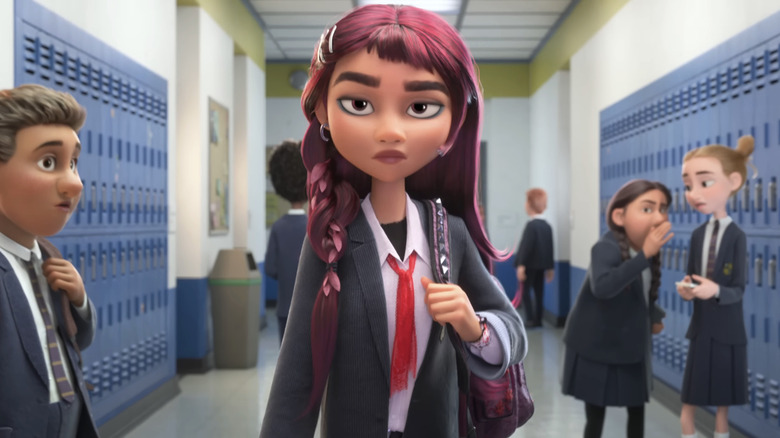
To understand why the trailer’s framing raised eyebrows, one must examine the narrative setup of Hexed. The film follows Billie, an alternative-style teenager navigating the trials of high school life. In the movie’s universe, Billie resides in Plainsville—a suburban, mundane backdrop characterized by rigid conformity, strict social boundaries, and an overall lack of color or imagination.
[Act I: Plainsville]
  ├── Visual Language: Boxed-in compositions, rigid lines, centered blocking
  └── Narrative Purpose: Reflects Billie's feelings of entrapment, isolation, and alienation

[Act II & Beyond: The World of Hexe]
  ├── Visual Language: Triangular architecture, dynamic blocking, vibrant autumn colors
  └── Narrative Purpose: Mirrors the chaotic, expansive, and unrestrained nature of magic
As co-director Fawn Veerasunthorn explained during the Burbank press day, the shots selected for the promotional teaser predominantly highlight this opening act.
"I think a lot of the shots that [were] chosen for the trailer [were] happening in the part of the film where we’re [showing] limitation and [it’s] rigid in act one, and then it gets crazier after that. So that was not true…"
Reinforcing his co-director’s sentiments, Jason Hand emphasized that the restriction seen in the framing was a deliberate cinematic choice.
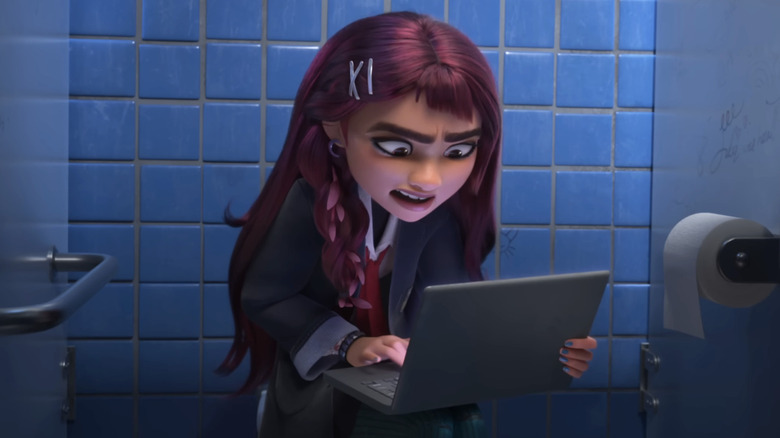
"Yeah, there’s a purpose cinematic choice to say that Billie is actually stuck in this boxed-in place," Hand noted.
In the narrative, Billie’s penchant for mischief and her eventual accidental activation of dormant magical powers act as the catalyst that propels her out of Plainsville and into Hexe—a hidden, spellbinding realm populated by witches. Once the narrative crosses the threshold into Hexe, the entire visual language of the movie undergoes a seismic shift. Plainsville’s square, predictable buildings and flat, standard lighting give way to the sharp, triangular aesthetics of Hexe (subtly echoing the classic silhouette of a witch’s hat) and richly saturated autumn color palettes.
Official Responses: Filmmakers Address the Backlash Head-On
The speed with which the internet critique circulated did not escape the notice of the Hexed production team. Rather than ignoring the viral memes, the directors tackled the criticism directly when speaking with the press, assuring audiences that the full feature film offers a vastly more diverse and cinematic visual scope than what a two-minute teaser can encapsulate.
"I don’t know if you noticed, but when she goes into Hexe, that completely changes literally," Jason Hand explained, addressing the concerns head-on. "That’s why I think, when we saw that type of stuff, which obviously was out there, we knew that there’s more to come. And when people see the film, they won’t feel like that."
Industry professionals who attended the Disney Animation Studios press preview corroborated this statement. Having viewed approximately half an hour of unedited and finalized footage from various sections of the movie, critics noted that while centered framing is utilized—as it frequently is in classical animation to guide the viewer’s natural focal point toward characters—it does not dominate the cinematic presentation. The visual techniques utilized in Hexed align closely with traditional Hollywood feature animation standards rather than mobile-first content creation parameters.
Implications: What This Means for Modern Animation Marketing and Production
The Hexed trailer controversy highlights a broader, growing anxiety within the cinematic community regarding the intersection of traditional filmmaking and modern digital consumption habits. As platforms like TikTok, Instagram Reels, and YouTube Shorts continue to dominate media diets, studios face mounting pressure to market their projects across fragmented digital landscapes. This has naturally led to heightened scrutiny from audiences who fear that artistic integrity might be compromised in pursuit of algorithmic appeal.
- The Perils of Teaser Marketing: Trailers are inherently out-of-context snippets designed to grab attention in a crowded digital marketplace. By pulling sequences exclusively from a film’s restrictive first act to establish character status quo, studios risk misrepresenting the aesthetic scope of the final product.
- Audience Skepticism: Modern cinephiles are increasingly visually literate, quickly identifying aspect ratio choices, framing styles, and composition patterns. While this hyper-awareness can lead to constructive film criticism, it can also foster viral misinterpretations before a project’s full artistic vision can be seen.
- The Defense of Classical Composition: Directors like Hand and Veerasunthorn demonstrate that centering action is not an invention of social media optimization; rather, it is a time-tested narrative tool used to convey emotional states, such as claustrophobia, alienation, and rigidity.
Ultimately, the proof will be in the cinematic pudding. While internet memes provided a temporary storm of speculation, the true test of Hexed will arrive on the big screen. Audiences will have the opportunity to judge the film’s visual breadth and storytelling prowess for themselves when Hexed officially casts its spell in theaters on November 25, 2026.
