
The Architecture of Intellect: How Hollywood’s Golden Age Defined Cinematic Genius
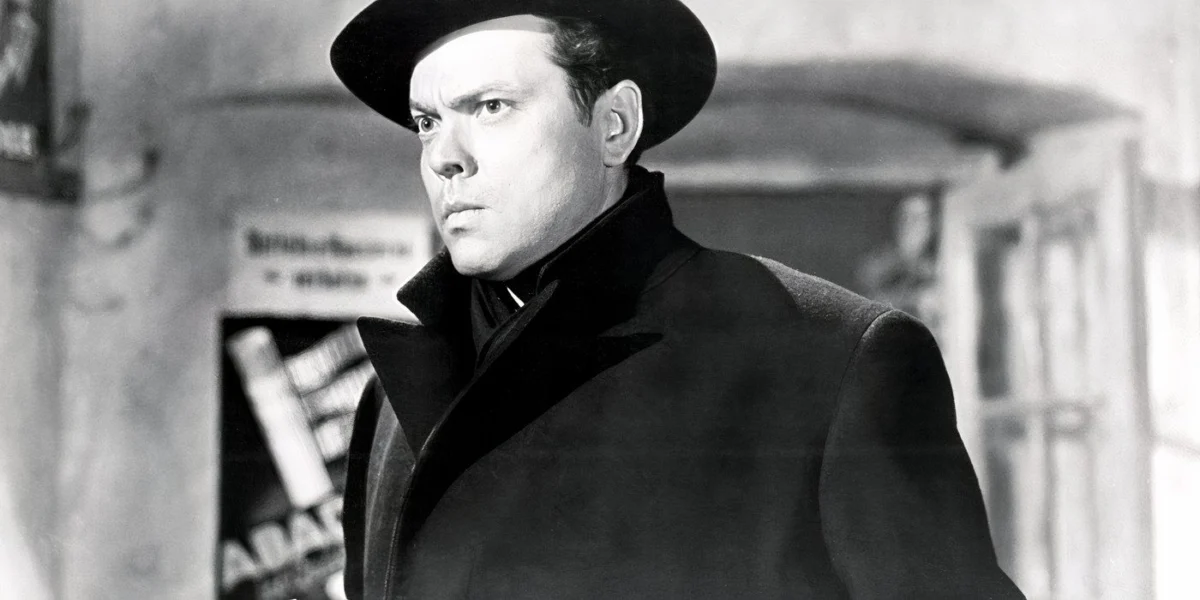
LOS ANGELES — For nearly a century, the silver screen has maintained an enduring, almost hypnotic fascination with the figure of ultimate intellect: the character who reads the invisible patterns of a room, stays three moves ahead of every adversary, and untangles the seemingly impossible using nothing more than a razor-sharp mind and an unshakable nerve. During the golden era of Hollywood, brilliance was rarely framed as a sterile academic pursuit. Instead, it was presented as a high-stakes form of glamour—a psychological weapon as thrilling to watch as any theatrical shootout, high-speed pursuit, or swashbuckling sword fight.
Silver screen intelligence has historically taken myriad forms. It manifests as the cool, methodical deductive reasoning of the peerless investigator; the Machiavellian cunning of con artists and schemers who turn human nature against itself; and the quiet, observant wisdom of outsiders who understand human psychology far better than the rigid rules of civilized society. The iconic figures celebrated below prove that a devastating intellect can anchor a narrative far more effectively than brute physical strength, outsmarting oppressive systems, exposing the institutional lies of the powerful, and etching themselves permanently into the annals of film history.
Main Facts: The Anatomy of Golden Age Brilliance
To examine the masterminds of classic cinema is to understand that true cinematic intelligence is defined by adaptability and agency. Whether working within the confines of studio-era censorship codes or pushing narrative boundaries, legendary filmmakers utilized sharp-witted protagonists and antagonists to reflect societal anxieties about power, morality, and control.
- The Illusion of Effortlessness: Characters like Nick Charles demonstrate that true intellectual dominance often wears a mask of casual indifference, utilizing wit as both a shield and a sword.
- The Weaponization of Perception: Figures like Margo Channing and Phyllis Dietrichson prove that emotional intelligence and acute observation of human vanity are far more dangerous than physical force.
- The Philosophy of Cynicism: Masterminds such as Harry Lime and Sam Spade operate on cold, unyielding logic, prioritizing self-preservation and systemic exploitation over sentimental morality.
Chronology and Evolution of the Cinematic Mastermind
The portrayal of intellect in American cinema evolved significantly from the early sound era through the height of the studio system, reflecting the shifting cultural mood of a nation navigating economic depression, global war, and post-war disillusionment.
1. The Sophisticated Sleuth: Nick Charles (The Thin Man, 1934)
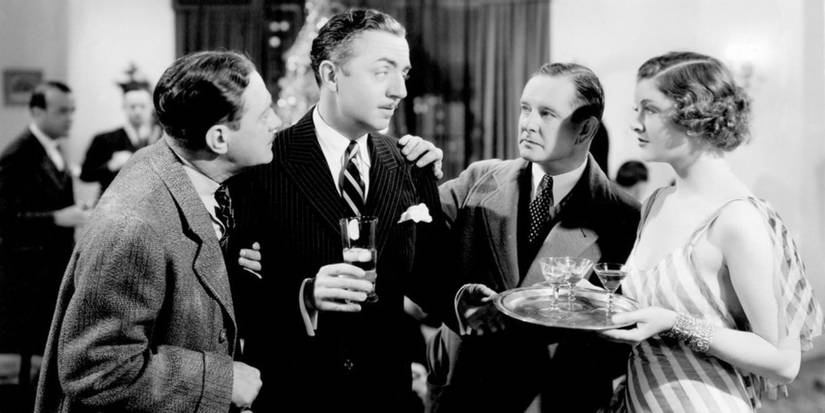
Emerging from the early days of the Production Code, retired detective Nick Charles (brought to life by the effortlessly sophisticated William Powell) established a template for intellectual superiority defined by leisure and charm. While supporting characters stumble blindly through a maze of red herrings and conflicting clues in The Thin Man, Charles breezes through murder investigations with a highball in hand and a dry quip on his lips, treating the mystery as a mild interruption to his cocktail hour.
Charles’s brilliance relies entirely on his profound understanding of human behavior. He coaxes truths out of suspects through seemingly idle conversation, psychological bluffs, and tactical gamesmanship. Furthermore, his dynamic with his equally brilliant wife, Nora (Myrna Loy), establishes that rapid verbal sparring is its own form of genius. Charles understands a fundamental truth of narrative strategy: the smartest man in the room rarely needs to announce his superiority; he simply solves the case, finishes his drink, and returns to enjoying life.

2. The Hard-Boiled Skeptic: Sam Spade (The Maltese Falcon, 1941)
As the studio era plunged into the shadows of World War II, cinematic intelligence took on a harder, more cynical edge. In John Huston’s essential noir masterpiece The Maltese Falcon, Humphrey Bogart stars as private investigator Sam Spade, a man who navigates a labyrinth of liars, thieves, and murderers by anticipating their deceit.
Spade’s supreme strength is his radical skepticism. Operating on the baseline assumption that everyone entering his office harbors an ulterior motive, he plays along just long enough to extract necessary information while allowing his adversaries to believe they are successfully manipulating him. Cornered by law enforcement, threatened by Casper Gutman, and menaced by hired guns, Spade remains ice-cold, systematically turning every hostile situation to his advantage. His final, devastating choice—rejecting Brigid O’Shaughnessy out of hardened principle rather than passion—crystallizes the noir philosophy: true intelligence means seeing through everyone, including the person you love most.
3. The Street-Smart Journalist: Hildy Johnson (His Girl Friday, 1940)
In Howard Hawks’ legendary screwball comedy His Girl Friday, Rosalind Russell shatters mid-century gender expectations as Hildy Johnson, a newspaper reporter whose cognitive velocity outpaces virtually every man in the industry. Operating in a high-octane male-dominated bull pen, Johnson spots the underlying story within a chaotic news cycle, cuts through official institutional propaganda, and manages her sources with ruthless efficiency.
The film’s pioneering overlapping dialogue demands extraordinary mental agility. Johnson matches her former husband and managing editor, Walter Burns (Cary Grant), line for line, frequently anticipating his psychological ploys and turning them against him. Her intelligence is rooted in absolute self-knowledge; she recognizes her own professional competence and fiercely protects her autonomy. Johnson stands as a testament to the fact that lightning-fast linguistic and situational thinking can be the most electric spectacle on screen.
4. The Perceptive Icon: Margo Channing (All About Eve, 1950)
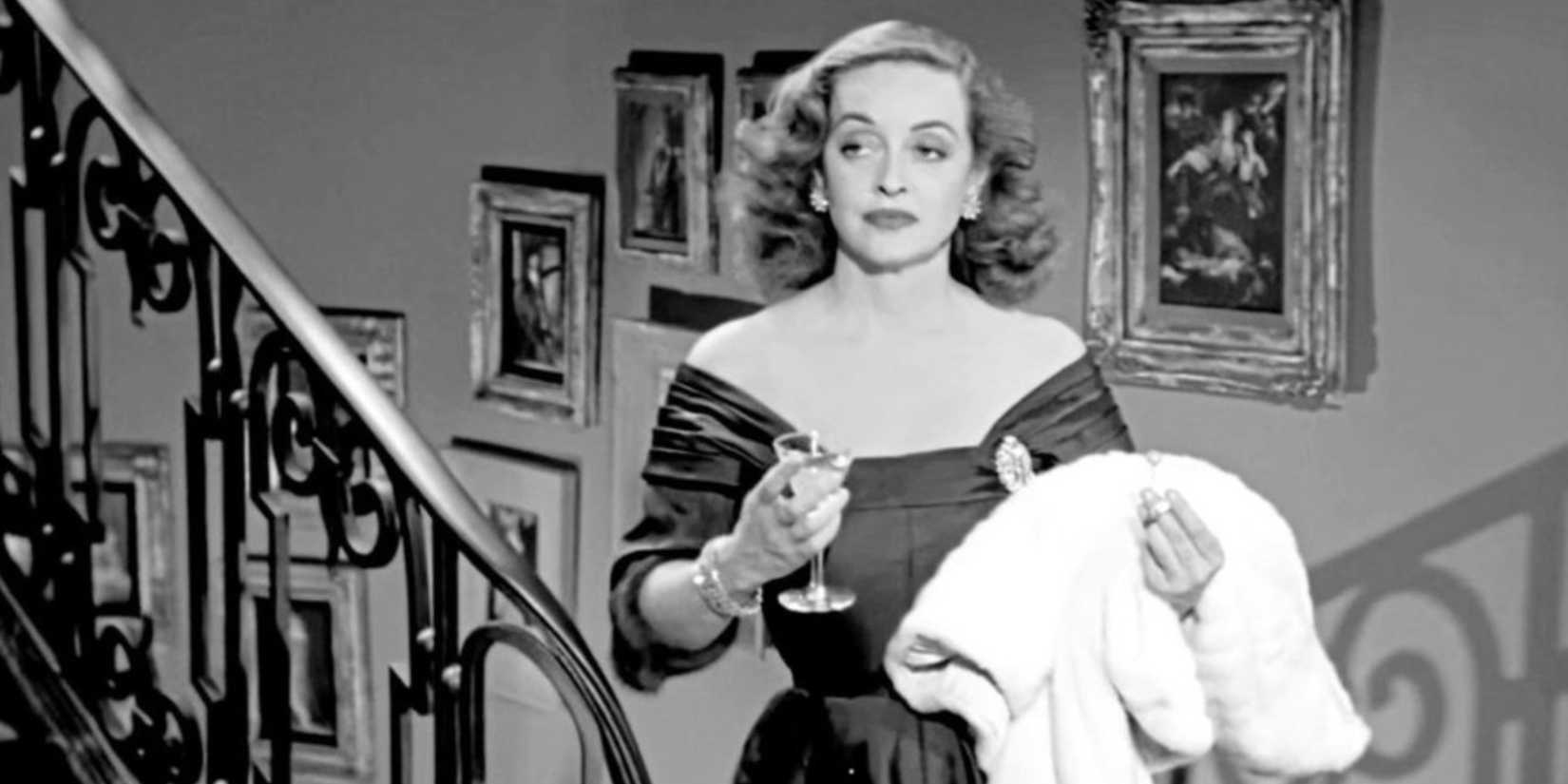
Shifting from investigative spaces to the theatrical high-society of Joseph Mankiewicz’s All About Eve, Bette Davis delivers a masterclass in psychological clarity as aging Broadway star Margo Channing. Despite being surrounded by sycophants and industry flatterers, Channing maintains an unflinching view of human insecurity—most notably her own.
Channing’s brilliance is anchored in her instinctual read of people. While her peers are easily hoodwinked by the humble, deferential facade of ambitious up-and-comer Eve Harrington (Anne Baxter), Channing senses the rot beneath the surface long before any tangible evidence emerges. Her razor-sharp observations cut through pretense instantly, and her capacity for brutal self-awareness separates her from mere schemers. Margo Channing reminds audiences that true intellectual maturity involves not just solving external puzzles, but confronting uncomfortable inner truths.
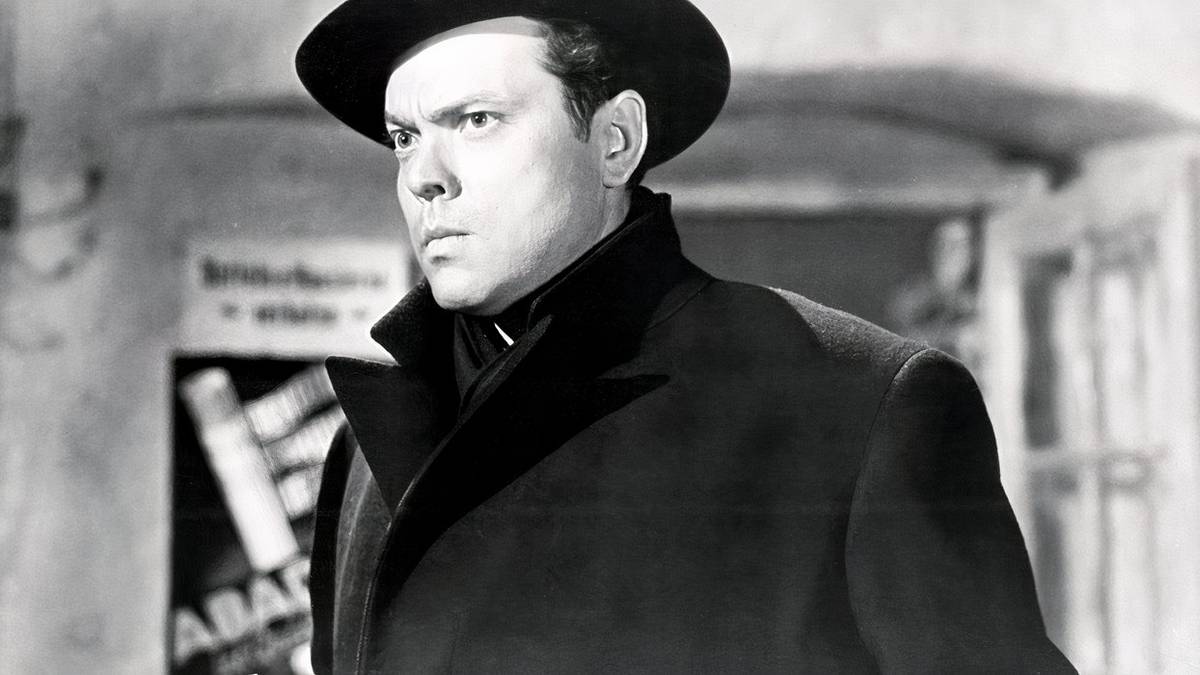
5. The Calculating Philosopher of Evil: Harry Lime (The Third Man, 1949)
Representing the darker, post-war European landscape of Carol Reed’s classic, Orson Welles’ portrayal of Harry Lime in The Third Man redefines the cinematic mastermind. Despite limited screen time, Lime’s presence dominates the narrative through pure intellectual audacity. His most brilliant stroke occurs before the film even begins: faking his own death in an Allied-occupied Vienna splintered by black-market corruption and shifting geopolitical loyalties.
Lime’s chilling nature stems from his cold, utilitarian logic. During their iconic confrontation atop the Vienna Ferris wheel, Lime casually defends his profiteering from diluted penicillin that has maimed and killed children, reducing human casualties to abstract dots on the pavement. His infamous monologue concerning the brutal history of the Italian Borgias versus the peaceful cuckoo clock of Switzerland illustrates a sophisticated intellect that has constructed an elaborate philosophical framework to justify atrocities. Lime demonstrates that unbridled brilliance devoid of moral conscience is among the most lethal forces imaginable.
6. The Ultimate Strategist: Phyllis Dietrichson (Double Indemnity, 1944)
Standing at the absolute apex of cinematic calculation is Barbara Stanwyck’s portrayal of Phyllis Dietrichson in Billy Wilder’s Double Indemnity. Dietrichson is a supreme strategist who weaponizes mid-century societal assumptions about the "bored suburban housewife," utilizing her magnetic allure and calculated fragility to trap her victims.
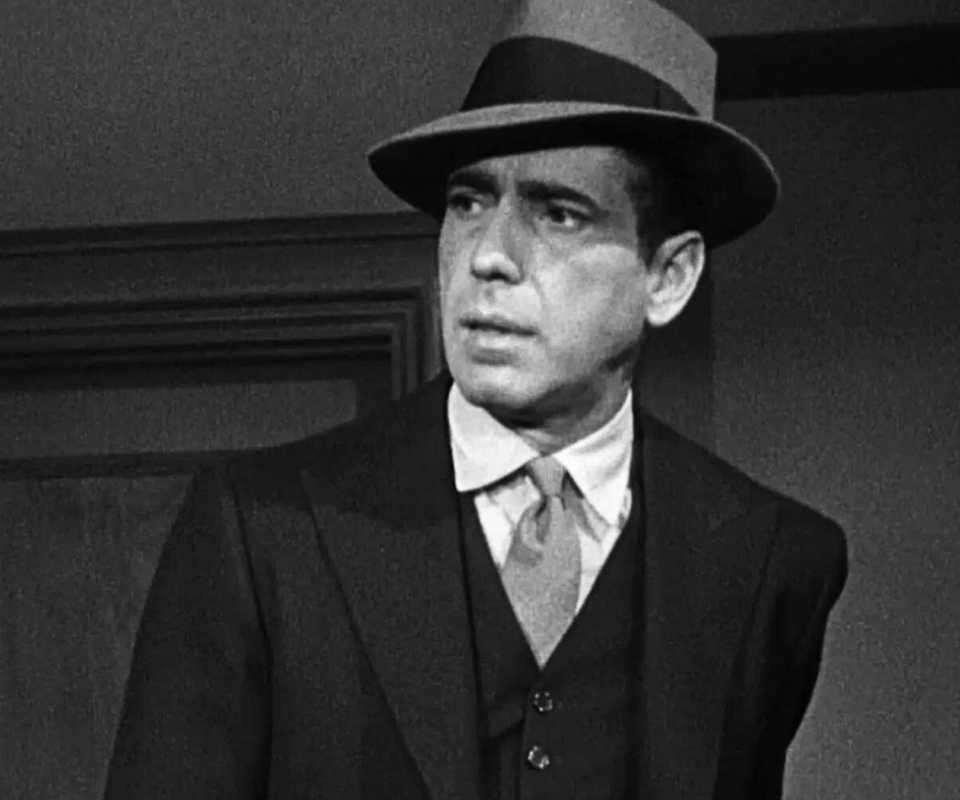
Her intellectual superiority is evident from her choice of collaborator. Rather than executing a crime alone, she targets insurance agent Walter Neff (Fred MacMurray), a man intimately familiar with every legal loophole in the corporate system, transforming him into an unwitting architect of his own destruction. Dietrichson reads Neff’s ego within minutes, manipulating him into an obsessive affair while maintaining ironclad emotional discipline. Even during her terminal confrontation with Neff, her mind remains furiously active. Cold, observant, and endlessly adaptable, Dietrichson remains the definitive cinematic portrait of a mastermind whose danger lies in the fact that her targets never suspect her until it is far too late.
Supporting Data: The Anatomy of Classic Cinematic Archetypes
To better understand how these iconic figures functioned within the studio system, film historians and box-office analysts frequently categorize them by their primary cognitive attributes:
| Character | Film & Year | Primary Intellectual Trait | Core Motivation |
|---|---|---|---|
| Nick Charles | The Thin Man (1934) | Deductive deduction & psychological bluffing | Preservation of lifestyle & truth |
| Sam Spade | The Maltese Falcon (1941) | Extreme skepticism & tactical positioning | Professional code & self-preservation |
| Hildy Johnson | His Girl Friday (1940) | Rapid-fire verbal agility & investigative intuition | Professional autonomy & agency |
| Margo Channing | All About Eve (1950) | Psychological self-awareness & human observation | Protection of art & personal dignity |
| Harry Lime | The Third Man (1949) | Nihilistic philosophy & systemic exploitation | Financial gain & power |
| Phyllis Dietrichson | Double Indemnity (1944) | Long-game strategy & emotional manipulation | Total emancipation from constraint |
Official Responses and Industry Reception
Upon their initial theatrical releases, these masterclass performances and characterizations challenged the conservative censorship guidelines enforced by the Hays Office. Motion picture executives frequently expressed anxiety regarding characters who broke the law or violated traditional moral codes while exhibiting superior intelligence.
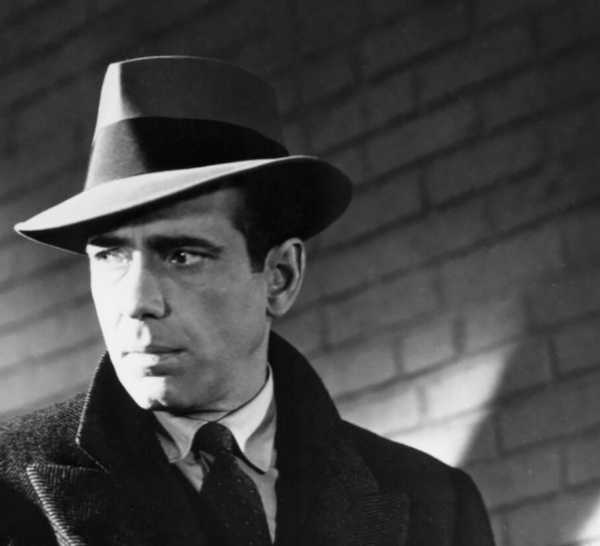
Studio censors famously scrutinized Double Indemnity and The Third Man to ensure that criminal masterminds did not appear overly heroic or glamorous. Billy Wilder and his co-writer Raymond Chandler had to fiercely negotiate with the Production Code Administration to retain the cynical, unrepentant intellectual framing of Phyllis Dietrichson and Walter Neff. Similarly, critical retrospectives from institutions like the American Film Institute (AFI) have consistently elevated these performances, cementing them not merely as genre archetypes, but as foundational pillars of screenwriting and character development.
Implications: The Legacy of Golden Age Intellect
The enduring cultural footprint of these characters extends far beyond mid-century Hollywood, shaping modern storytelling across television, film, and digital media. The archetype of the hyper-intelligent, morally ambiguous mastermind—seen in contemporary prestige television such as The Sopranos, Breaking Bad, and Boardwalk Empire—owes a direct debt to the groundwork laid by Harry Lime and Phyllis Dietrichson.
Furthermore, the fast-paced, overlapping banter pioneered in screwball comedies like His Girl Friday revolutionized how dialogue communicates cognitive superiority, influencing generations of screenwriters. Ultimately, these cinematic masterminds endure because they tap into a universal human curiosity: the desire to see someone look past the chaos of the world, identify the underlying machinery, and play the game better than anyone else in the room.
