
Beyond the Popcorn: How Patty Jenkins’ Wonder Woman Reshaped the Cultural Landscape and Earned its Place in AFI History
Main Facts: A Watershed Moment for Modern Blockbusters
When Patty Jenkins’ Wonder Woman slashed its way into theaters in the summer of 2017, it did far more than conquer the global box office—it fundamentally recalibrated the cinematic landscape for comic book adaptations and female-led franchises alike. Directed by AFI Conservatory alumna Patty Jenkins (Class of 2000), the DC Extended Universe installment achieved a rare feat: critical acclaim, unprecedented cultural resonance, and massive commercial success.
Recognizing its monumental impact on the moving image, the American Film Institute (AFI) honored Wonder Woman with an official AFI Award in 2017. The distinction places the film among the year’s most culturally and artistically significant achievements.
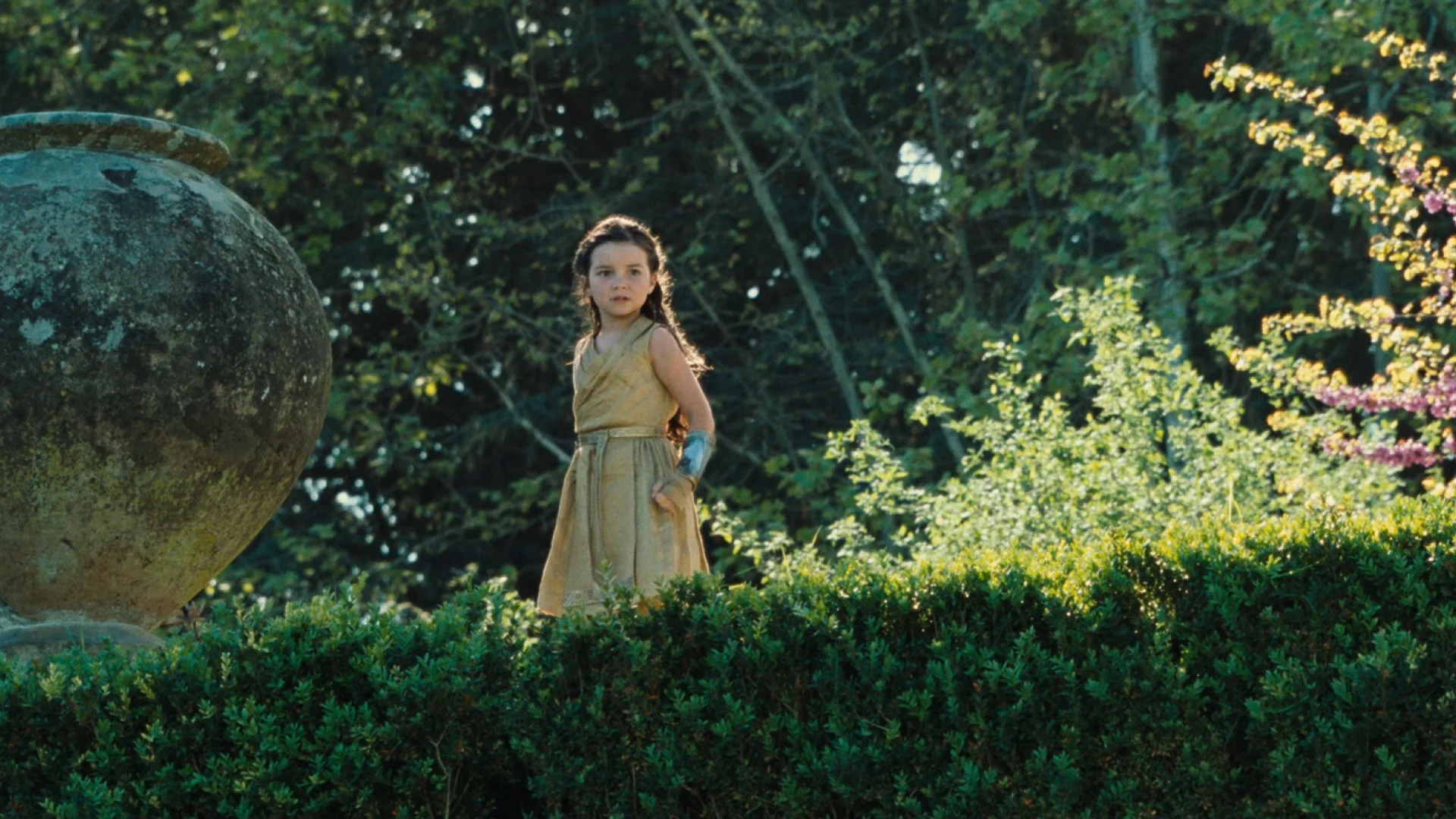
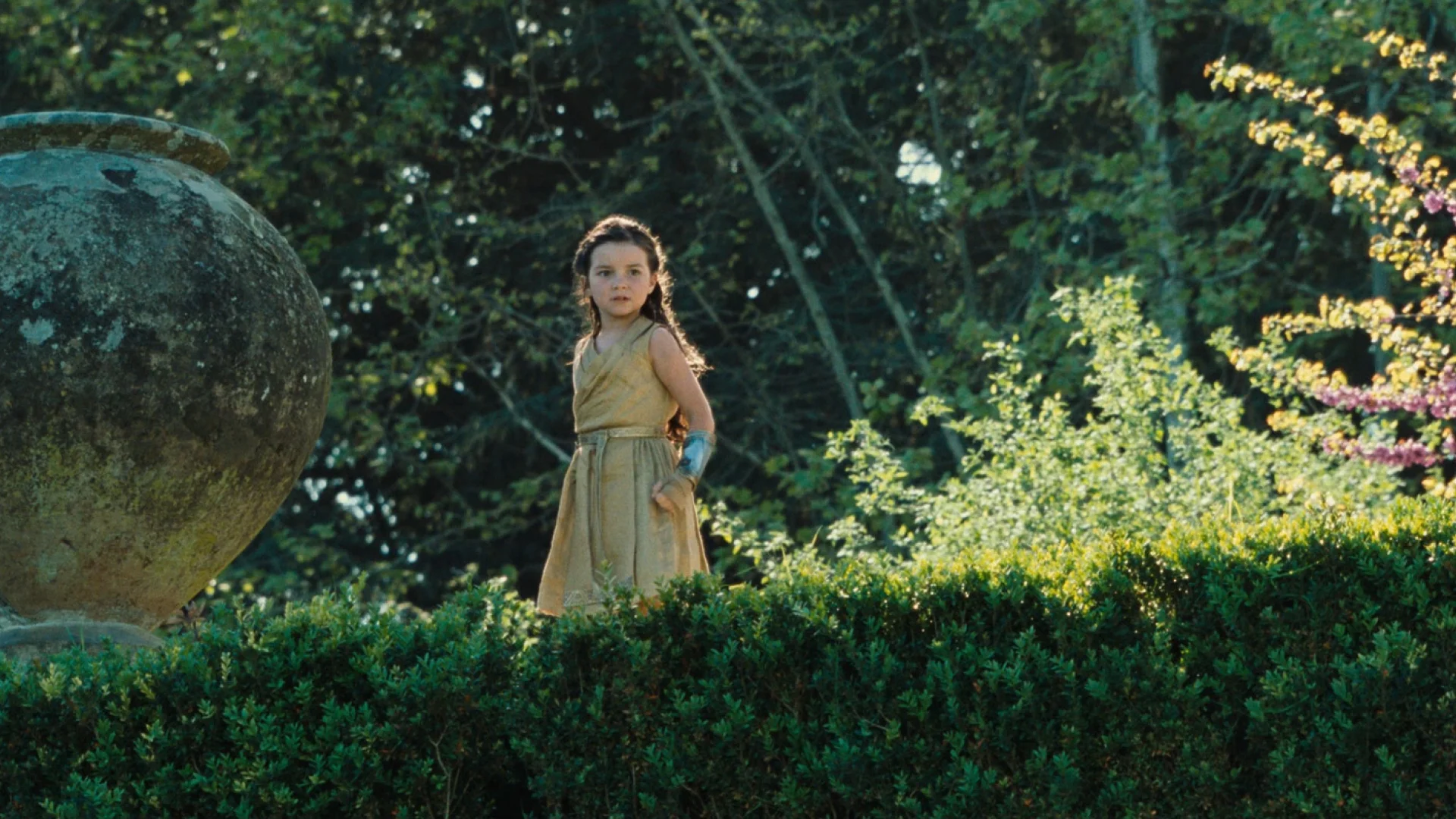
At its core, the film’s narrative follows Diana of Themyscira, an Amazonian princess raised on a sequestered island paradise who leaves her home to stop World War I, believing the conflict is stoked by the ancient god Ares. Led by Gal Gadot’s pitch-perfect portrayal of Diana Prince and anchored by Jenkins’ visionary direction, the film transcended the traditional superhero genre. It delivered a message that resonated deeply with a turbulent geopolitical climate: "Only love can save this world."
Chronology: From Development Hell to Global Phenomenon
The journey of bringing Wonder Woman to the silver screen is a testament to perseverance, spanning decades of false starts before Jenkins and Gadot finally brought the Amazonian warrior to life.
- 1996–2006 (The Development Labyrinth): For years, Warner Bros. attempted to launch a Wonder Woman feature film. A revolving door of high-profile writers and directors—including Ivan Reitman, Jon Cohen, Todd Alcott, and Joss Whedon—took turns trying to crack the code of the character, but the projects repeatedly stalled in development hell over budgetary concerns and script disputes.
- 2013 (The Casting Breakthrough): Director Zack Snyder cast Israeli actress and former model Gal Gadot as Diana Prince/Wonder Woman for Batman v Superman: Dawn of Justice. Her brief appearance in the 2016 film proved to be a rare bright spot in an otherwise divisive movie, whetting audience appetites for a standalone adventure.
- September 2014 (Entering the Director’s Chair): After Michelle MacLaren departed the project over creative differences, Warner Bros. tapped AFI alumna Patty Jenkins to direct. Jenkins, whose previous feature film was 2003’s critically acclaimed Monster, became the first woman to direct a live-action superhero film with a nine-figure production budget.
- November 2015 – May 2016 (Principal Photography): Filming took place across the United Kingdom, France, and Italy, bringing the mythical island of Themyscira and the gritty battlefields of World War I to vivid life.
- May 2015 (The AFI Connection Deepens): Jenkins’ journey is deeply intertwined with the American Film Institute. Having graduated from the prestigious AFI Conservatory in 2000, her ascension to a major studio blockbuster milestone served as a beacon for the institution’s commitment to cultivating pioneering visual storytellers.
- May/June 2017 (The Global Premiere): Wonder Woman premiered in Shanghai on May 15, 2017, before rolling out worldwide. It shattered box office expectations, grossing over $100 million in its domestic opening weekend—the highest ever for a female-directed live-action film at the time.
- December 2017 (AFI Recognition): The American Film Institute formally inducted Wonder Woman into its prestigious AFI Awards list for 2017, cementing its legacy as an artistic triumph.
Supporting Data: Box Office Dominance and Critical Acclaim
The commercial and critical data surrounding Wonder Woman underline its unprecedented disruption of the Hollywood status quo.
- Box Office Performance: Produced on an estimated budget of $120–$150 million, Wonder Woman grossed a staggering $822.8 million globally, making it one of the highest-grossing films of 2017.
- Opening Weekend Milestones: In North America, the film opened to $103.3 million, setting a record for the largest domestic opening weekend for a female director. It ultimately legged out to $412.6 million domestically, proving that audiences would flock to a superhero film driven by empathy and optimism rather than cynicism and grit.
- Critical Consensus: On the review aggregator Rotten Tomatoes, Wonder Woman holds a certified fresh rating of 93%, with an average score of 7.6/10. The site’s consensus reads: "Thrilling, earnest, and buoyed by Gal Gadot’s charismatic performance, Wonder Woman succeeds in-spectacular fashion." On Metacritic, the film scored a robust 76 out of 100, indicating "generally favorable reviews."
- AFI Historical Context: By earning an AFI Award in 2017, Wonder Woman broke a long-standing industry bias. Comic book adaptations rarely make the AFI Awards list, which typically favors prestige dramas and auteur-driven cinema. Its inclusion signaled a cultural pivot: populist entertainment could possess genuine artistic merit and social utility.
Official Responses: The AFI Rationale and Creative Triumphs
The official rationale released by the American Film Institute for Wonder Woman’s 2017 award encapsulates why the film resonated so profoundly with critics and audiences alike. The AFI stated:
“WONDER WOMAN smashes the stratosphere of status quo by giving the world what it needs most — a heroine whose heart beats with strength, hope and the power of love. Patty Jenkins’ masterful take on the iconic DC Comics character blasts beyond the walls of popcorn entertainment and lands firmly — and proudly — in the cultural zeitgeist. Gal Gadot’s embodiment of Diana Prince stands as an American icon for this moment in time — a superhero whose driving sentiment is, ‘Only love can save this world.’”
For Patty Jenkins, the success was a vindication of her distinct directorial vision. Over the years, Jenkins has frequently credited her foundational training at the AFI Conservatory with giving her the technical chops and narrative confidence to handle a massive studio canvas without losing the emotional core of her characters.
Gal Gadot similarly expressed deep emotion regarding the character’s reception, noting in various press rounds that playing Diana Prince was a responsibility she took heavily to heart, knowing what the hero meant to young girls—and boys—around the world who had never before seen a cinematic universe anchored by an uncompromised, compassionate female warrior.
Implications: Changing the Face of Hollywood and the Superhero Genre
The legacy of Wonder Woman extends far beyond its ticket sales or award plaques. Its success fundamentally altered industry practices and social expectations across several key areas:

1. Shattering the "Female-Led Action" Myth
For decades, Hollywood executives perpetuated the fallacy that female-led action and superhero films were box office poison, pointing to historical misfires like Catwoman (2004) and Elektra (2005) as proof. Wonder Woman obliterated that narrative once and for all. Its historic box office run forced studios to rethink their risk assessments, paving the way for subsequent hits like Marvel’s Captain Marvel (2019), Birds of Prey (2020), and Black Widow (2021).
2. Redefining Heroism Through Empathy
Before 2017, the prevailing trend in contemporary superhero cinema—particularly within the DC universe, following Christopher Nolan’s The Dark Knight trilogy and Zack Snyder’s early entries—was dark, brooding, and cynical. Wonder Woman bucked this trend by embracing unabashed idealism. Diana’s unwavering belief in humanity, her refusal to succumb to nihilism, and her ultimate thesis that love—not violence—is the true savior of the world offered a refreshing, life-affirming antidote to cinematic cynicism.
3. Elevating Women Behind the Camera
Patty Jenkins’ triumphant navigation of a blockbuster production proved that female filmmakers could manage multi-million-dollar visual effects spectacles with poise and commercial viability. While Hollywood still has significant ground to cover regarding gender parity behind the camera, Wonder Woman stands as a pivotal milestone that unlocked doors for a new generation of women directors stepping into franchise filmmaking.
4. Enduring Cultural Legacy
Years after its theatrical run, Wonder Woman remains a fixture of cultural dialogue, celebrated on platforms like the AFI Catalog as a milestone of modern American cinema. As audiences continue to stream and revisit the film, its central message of hope, resilience, and radical compassion only grows more urgent, cementing Diana of Themyscira not just as a DC Comics icon, but as an enduring symbol of 21st-century heroism.
