
Beyond Bret Maverick: The Rise, Fall, and Legacy of James Garner’s Forgotten ’70s Western, "Nichols"
Main Facts
James Garner remains an enduring titan of television history, celebrated universally for his sharp wit, effortless charm, and indelible contributions to the Western and detective genres. To millions of fans, he is forever Bret Maverick, the smooth-talking, card-playing anti-hero of the smash-hit 1950s ABC series Maverick. Later in his career, he would captivate audiences yet again as the weary, world-wise private investigator Jim Rockford in The Rockford Files.
However, tucked between these two monumental television triumphs lies a fascinating, albeit star-crossed, chapter in Garner’s career: the short-lived 1970s NBC series Nichols.
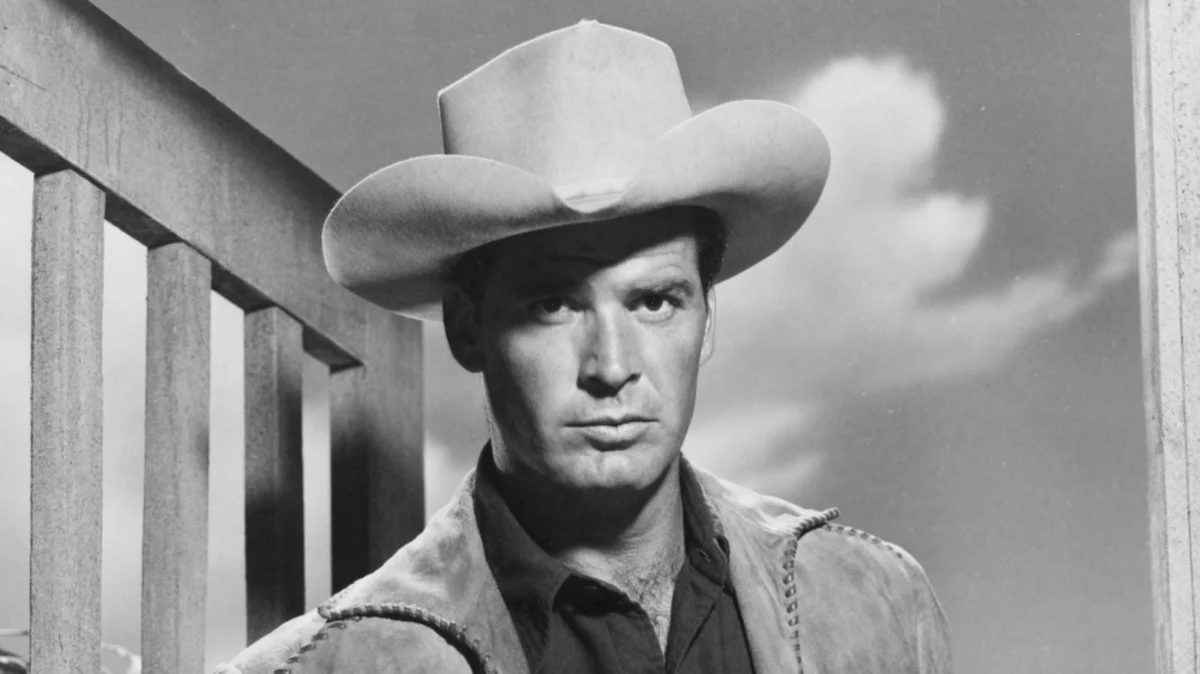
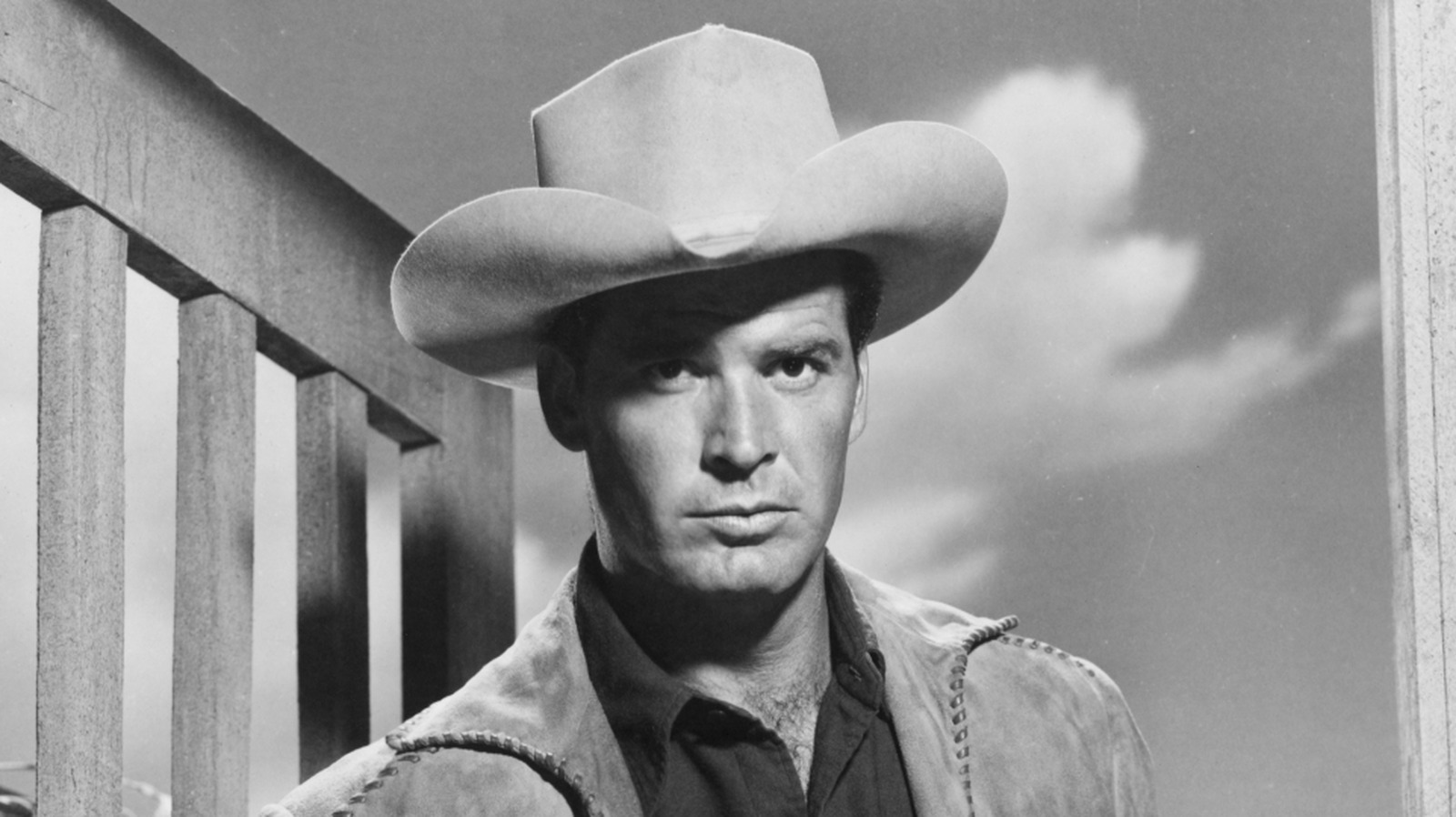
Created by Stirling Silliphant, Nichols was an unconventional and progressive take on the traditional Western formula. Set in the year 1914 rather than the turbulent mid-to-late 19th century, the series presented a rapidly modernizing American frontier where horses shared the dusty roads with motorcycles, and the untamed wilderness was slowly giving way to industrial progress. Garner starred as the eponymous anti-hero, an ex-soldier returning to his industrialized hometown only to find it strong-armed by a ruthless rival family.
Despite boasting a stellar cast—including future icon Margot Kidder as his love interest and the late Stuart Margolin as his loyal sidekick—Nichols struggled to capture a mainstream audience. Plagued by corporate jitters, disastrous scheduling disruptions, and heavy political pre-emptions, the series lasted for just a single season consisting of 24 episodes.
The failure of the show was a bitter pill for Garner, who held Nichols in extraordinarily high regard, famously ranking it creatively alongside his greatest career achievements. The actor’s frustration reached such a peak that he orchestrated a famously subversive, tongue-in-cheek finale that killed off his character in the opening moments—a rare move for a network television lead at the time.
Chronology of a Misunderstood Series
The Post-Maverick Decade and Healing Old Wounds
To understand the genesis of Nichols, one must look back at the dramatic departure Garner made from his breakout role in Maverick. Garner famously walked away from the Warner Bros. hit during its third season following a bitter contract dispute and creative friction with the studio. The acrimony resulted in a prolonged cooling-off period. Throughout the 1960s, Garner focused predominantly on a successful film career, appearing in cinematic Westerns and comedies, while largely keeping his distance from episodic television.
By the early 1970s, however, time had healed old wounds. Garner mended fences with the studio system and turned his attention back to the small screen. Eager to break the mold of the standard, formulaic television Western that had dominated the airwaves for two decades, Garner partnered with NBC and visionary writer-producer Stirling Silliphant to craft something entirely fresh. The result was Nichols, a project designed to subvert every established trope of the genre.
Production, Premise, and Pacing
When Nichols premiered in the fall of 1971, viewers immediately realized this was not your grandfather’s Western. Setting the show in 1914 allowed the creators to explore the awkward, fascinating transitional period of American history where the old West collided with the 20th century. Nichols wasn’t a righteous sheriff or a quick-draw gunslinger; he was a cynical, weary man who favored peace over violence—partly out of pragmatism and partly out of laziness—and he preferred riding an Indian motorcycle over a stallion.
The narrative centered on Nichols returning to his home town of Nichols, Arizona, only to find it corrupted and controlled by the Ketcham family. Rather than immediately cleaning up the town with a six-shooter, Nichols reluctantly takes the job of town sheriff, attempting to navigate the complex socio-political web of a changing society using his wits, diplomacy, and trademark Garner cynicism.
Corporate Hesitation and the Long Slide to Cancellation
Trouble brewed for Nichols even before the first frame was shot, stemming directly from the immense shadow cast by Garner’s previous television masterpiece.
As Garner detailed in his 2011 autobiography, The Garner Files: A Memoir, corporate sponsorship issues severely hampered the show’s rollout. Major automotive giant Chevrolet had originally lined up to be the primary corporate sponsor for the series. However, the deal hit a massive roadblock following an early private screening at Chevy’s Detroit headquarters. According to Garner, the wife of a high-ranking corporate executive watched the pilot and reportedly complained, "It’s not Maverick."
Unwilling to take a gamble on a show that deviated so wildly from the comfortable, expected formula of traditional Westerns, Chevrolet abruptly scaled back its financial commitment, opting to sponsor only half of the series’ run. This immediate loss of institutional and financial backing put Nichols at a distinct disadvantage right out of the gate.
Supporting Data and Production Metrics
The operational hurdles faced by Nichols during its lone 1971–1972 television season read like a masterclass in network programming misfortunes. The production metrics and broadcast realities paint a clear picture of why the series struggled to build momentum:
- Episode Count: 24 episodes produced and aired during the 1971–1972 television season.
- Setting: 1914, representing a deliberate shift away from the classic 1870s–1880s Wild West backdrop.
- Sponsorship Impact: Chevrolet halved its advertising support after executive preview feedback, leaving the network to absorb higher production costs.
- Pre-emptions: A staggering one-third (approximately 8 episodes) of the season’s lineup was pre-empted due to extensive television coverage of the 1972 U.S. presidential election cycle.
- Slot Shuffling: In a desperate bid to find an audience, NBC moved the series to a different night mid-season and even rebranded the title to James Garner as Nichols to leverage his personal star power.
- Competitive Timeslot: The series was frequently pitted directly against ABC’s Marcus Welby, M.D., which reigned as one of the most dominant, top-rated dramatic programs on television at the time.
Despite these compounding obstacles, internal production data and Garner’s own recollections suggest that Nichols performed far better than its cancellation implied. When not swallowed up by election news or battered by top-tier opposition, the show maintained respectable demographic numbers. Yet, in an era of network television where patience was thin and corporate margins were tight, respectable numbers were not enough to save an expensive period piece.
Official Responses and Industry Perspectives
The abrupt cancellation of Nichols elicited strong reactions from its star, creative team, and network executives, highlighting the deep disconnect between artistic satisfaction and commercial metrics in 1970s television.
James Garner made no secret of his heartbreak and indignation over the network’s decision to pull the plug. In The Garner Files, the actor reflected candidly on the emotional toll the cancellation took on him:
"I was so angry and disappointed, I decided to kill Nichols off in the last episode."
Rather than bowing out quietly with a standard, open-ended narrative conclusion that might have allowed for syndication fantasy or future wrap-up movies, Garner used the series finale as an explicit act of creative protest. In the opening sequence of the final episode, titled "The Last Chapter," the character of Nichols is abruptly shot and killed.
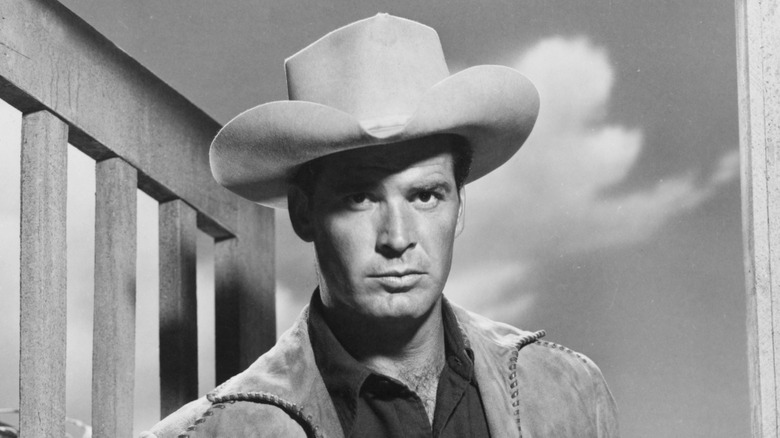
To twist the knife further and playfully troll the network executives who had mishandled the show, the narrative introduces Nichols’ identical twin brother, Jim Nichols—also played by James Garner—who casually strolls into town in the very next scene to avenge his fallen sibling. It was a meta-textual middle finger to the suits in New York and Burbank, signaling that while the network could cancel the show, they couldn’t stifle Garner’s irreverent spirit.
Despite the show’s premature demise, Garner maintained a profound affection for the project until the end of his life. In his memoirs and various retrospective interviews, he consistently ranked Nichols alongside his career-defining triumphs, writing:
"In my mind, ‘Nichols’ is right up there with ‘Maverick’ and ‘Rockford.’"
Television historians and critics have largely come to agree with Garner’s assessment. Retrospective evaluations of Nichols praise it as a project ahead of its time. By blending the classic Western aesthetic with early-20th-century modernization, anti-hero cynicism, and complex serialized character dynamics, the show anticipated the gritty, revisionist Western dramas that would come to define prestige television decades later.
Implications for Television History
The story of Nichols extends far beyond a footnote in James Garner’s resume; it serves as a vital case study in the evolution of television programming, risk aversion, and creative autonomy.
The Dangers of Typecasting and Brand Expectations
The corporate panic that crippled Nichols highlights the double-edged sword of television stardom. While Garner’s immense popularity as Bret Maverick drew initial eyeballs to the screen, it ultimately triggered unrealistic expectations among sponsors and network brass. The industry’s rigid adherence to brand uniformity—the belief that an actor must forever inhabit the specific archetype that made them famous—robbed audiences of adventurous, boundary-pushing television. The executive who complained that Nichols wasn’t Maverick demonstrated the exact kind of creative stagnation that progressive television creators fought against throughout the 1970s.
The Birth of Collaborative Creative Partnerships
On a positive note, the failure of Nichols directly paved the way for one of the greatest partnerships in television history. During the production of the series, Garner forged a deep personal and professional bond with co-star Stuart Margolin. When NBC canceled Nichols, Garner and his creative team immediately remembered the incredible chemistry between Garner and Margolin. Just two years later, when Garner pitched a new detective series to Universal, Margolin was brought on board to play the lovable, scheming con-man Evelyn "Angel" Martin in The Rockford Files. Margolin’s portrayal won him two Emmy Awards and became an integral pillar of the show’s success, proving that out of the ashes of Nichols grew a television masterpiece.
A Precursor to Revisionist Westerns
Finally, Nichols stands as an early pioneer of the revisionist Western. Long before television networks embraced dark, deconstructionist frontier dramas like Deadwood or Hell on Wheels, Nichols dared to ask what happened to the cowboys when the wild frontier officially grew up, bought a motorcycle, and surrendered to industrial bureaucracy.
While commercial failure relegated Nichols to the back shelves of television history for decades, its bold narrative choices, stellar performances, and Garner’s unwavering dedication ensure that it remains a fascinating, highly respected milestone in the evolution of the American television western.
