
The Architecture of the Image: The Cinematic Universe of Ross Meckfessel
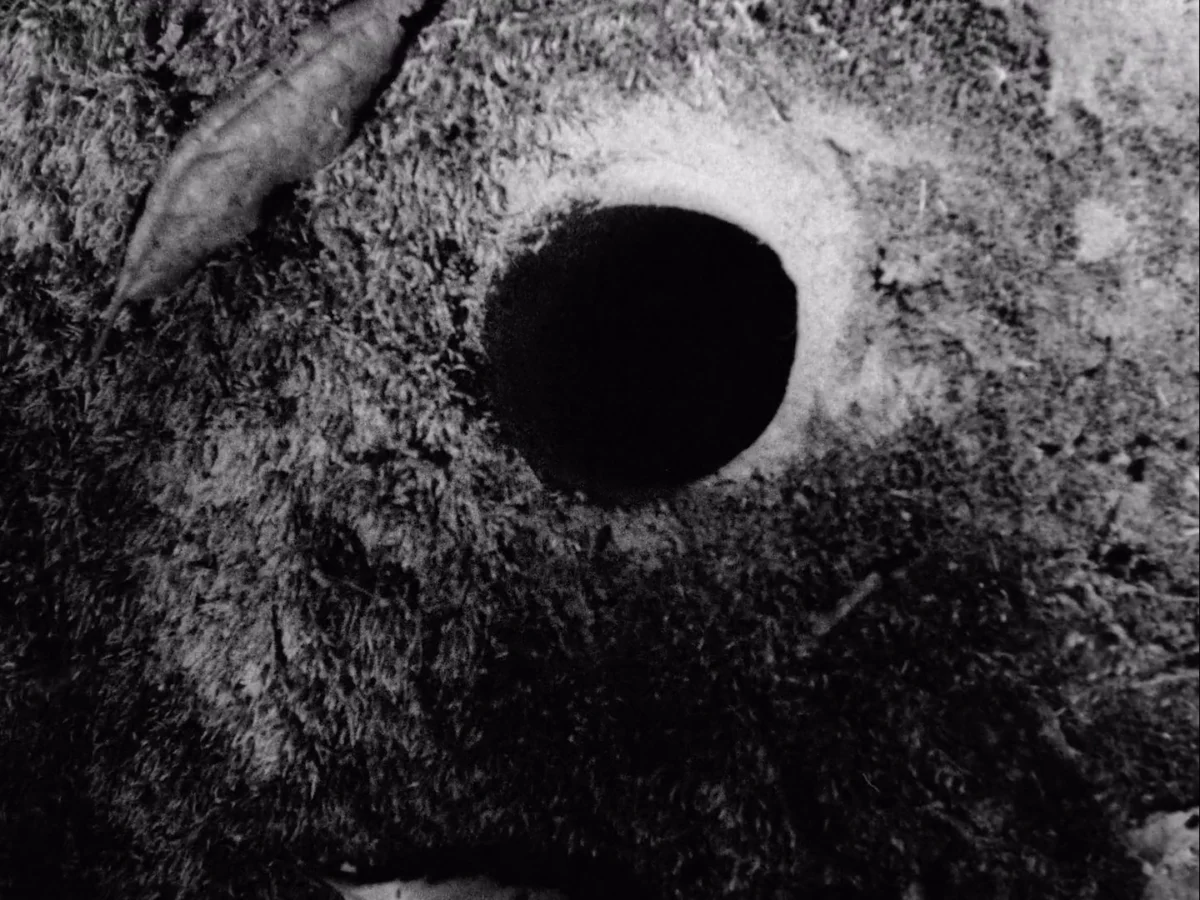
By [Your Name/Journalistic Desk]
In the vast, image-saturated landscape of the 21st century, the act of capturing a photograph has evolved from a tool of documentation into a foundational component of modern reality. For American filmmaker Ross Meckfessel, this evolution is not merely a technical curiosity but the central subject of a decade-long exploration. Through a body of work that challenges the boundaries between the physical and the digital, Meckfessel has emerged as a vital voice in the avant-garde, interrogating how we see, how we record, and how we exist within the frames we create.
The Philosophical Framework: Why We Photograph
To understand Meckfessel’s work, one must first engage with the two competing "comic narratives" of photography. The first posits that we are racing toward a world where every possible photograph has already been taken—a taxonomic, perhaps even totalitarian, dream where language and image align perfectly. The second, more romantic and inherently "screwball" narrative, suggests that the visible world is a vast, infinite protagonist, and the camera is a hapless lover attempting to capture its essence.
Meckfessel’s films operate in the friction between these two poles. His work is a reflection on the "textures of our image-laden world," characterized by a deep-seated ambivalence toward the medium itself. He recognizes that photography is simultaneously a compulsive act of preservation and a coercive act of appropriation. In his films, this duality is not just thematic; it is structural.
Chronology: A Decade of Formalist Evolution
Meckfessel’s filmography, spanning roughly seven major works over the last ten years, reveals a steady refinement of a specific, idiosyncratic toolkit.
The Formative Years (2011–2014)
His early work, such as the undergraduate thesis film Cheryl (2011/12), established the bedrock of his aesthetic. By juxtaposing monochrome, "late-bohemian" footage of art school peers with rephotographed, glossy headshots of models, Meckfessel began to articulate his central concern: the violent intersection of beauty and objectification. Following this, his work branched into pure formalism with Invocation of Uzi (2014), a nod to the structuralist intensity of Stan Brakhage, and All My Star Wars Cards (2014), a flicker-film parody that transformed pop-culture ephemera into a rhythmic exercise.
The Crystallization of Style (2017–2021)
The transition to a mature style occurred with A Century Plant in Bloom (2017), where Meckfessel hit upon a revelatory technique: the digital screen as a discrete, physical object within the frame. This led to his most acclaimed mid-career works, The Air of the Earth in Your Lungs (2018) and Estuary (2021). These films utilize "open montage"—an editing pattern where the relationship between shots is unrestricted—to create immersive, hypnotic experiences that resist traditional summary.
The New Ambitions (2023–Present)
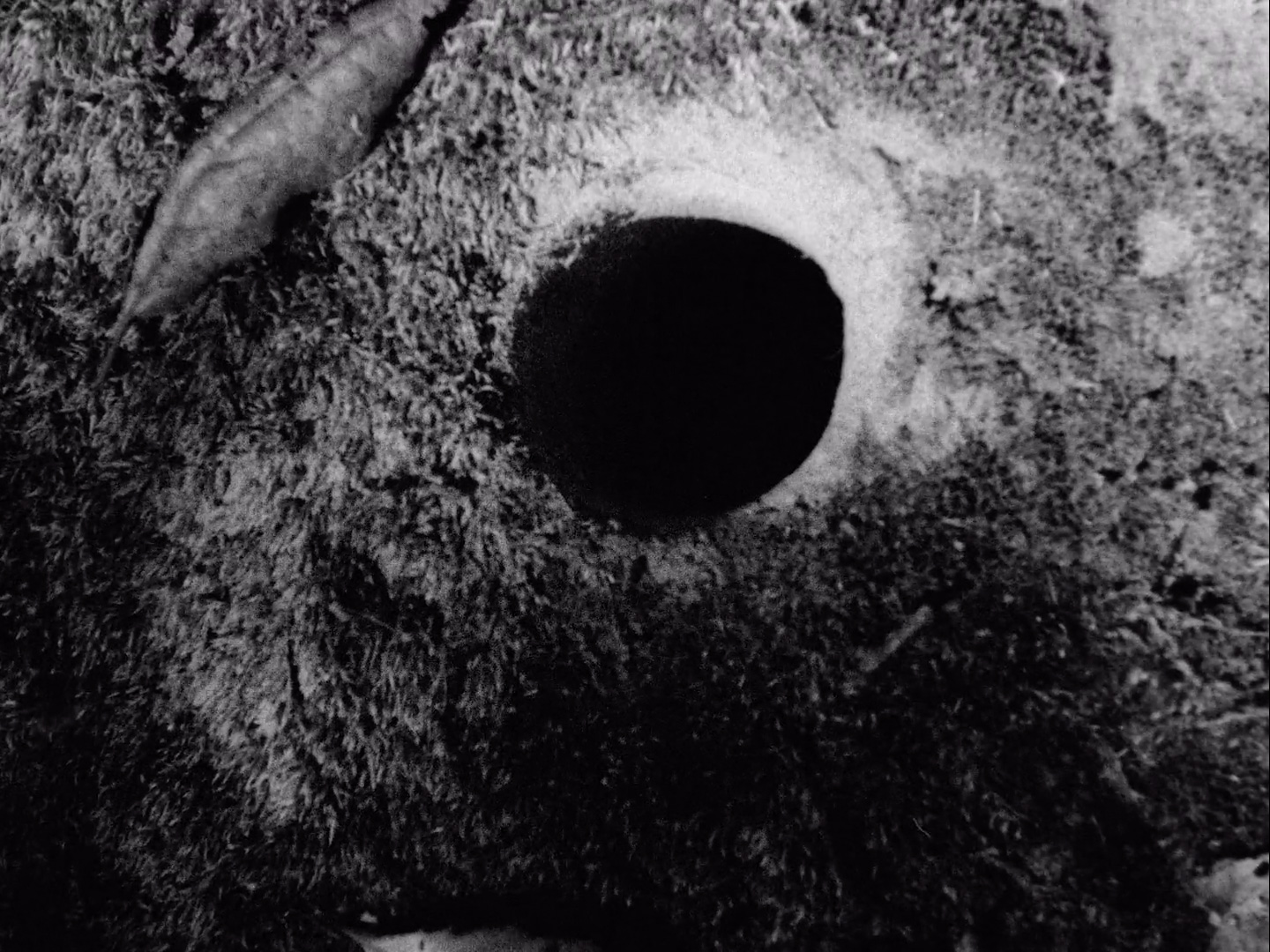
Most recently, Spark from a Falling Star marks a significant pivot toward genre subversion. Here, Meckfessel takes the tropes of science fiction and alien abduction and filters them through his signature lens of rephotography and tonal chiaroscuro, suggesting that the "invaders" in our modern lives might well be the very architectural spaces designed to be photographed.
Supporting Data: The Foundational Elements
Meckfessel’s work is underpinned by three core pillars that distinguish his practice from his contemporaries:
- Open Montage: Drawing inspiration from Nathaniel Dorsky and Paul Sharits, Meckfessel utilizes an unrestricted editing pattern. This is not arbitrary; it is an act of extreme visual acuity, where the filmmaker identifies "connectives" between shots that allow the viewer to retrieve a syntax of emotion or logic, even as the images themselves shift unpredictably.
- Pop Soundtrack Re-contextualization: Unlike filmmakers who use pop music for ironic distance, Meckfessel selects ubiquitous tracks and subjects them to heavy editing and slowing. By placing these familiar sounds in disjunctive contexts, he creates a "tonal chiaroscuro" that highlights the haunted, ambivalent relationship contemporary society has with its own cultural detritus.
- Rephotography: Meckfessel frequently re-films digital video onto 16mm celluloid using Bolex cameras and optical printers. This creates an "uneasy equivalence" between the physical world and the digital, effectively blurring the lines between what is "real" and what is "rendered."
Critical Perspective and Artistic Intent
Critics and peers often point to a 25-second sequence in A Century Plant in Bloom as the key to Meckfessel’s practice. The shot features a houseplant in the foreground and an iPhone in the background playing drone footage of a waterfall. By holding the frame steady, Meckfessel forces the viewer to perceive the digital screen not as a window into another world, but as an object—a "weight" in the same space as the physical plant.
This approach reaches its zenith in Estuary, where the focus on "screen-as-architecture" becomes a meditation on human touch. The image of hands smudging the aluminum body of a MacBook serves as a powerful metaphor for our current condition: we are constantly trying to touch the digital, leaving behind greasy, human traces at the border of the physical.
Furthermore, in Zero Length Spring, Meckfessel introduces a literary dimension. By incorporating texts by the late Brian Torrey Scott alongside reiki healing sequences and direct celluloid animation (spray paint, hand processing), the film abandons the "perfect draftsmanship" of the camera in favor of chemical and physical forces. It is a haunting exploration of "unseen energies" that exist beyond the reach of digital capture.
Implications: The Future of the Cinematic Image
The broader implications of Meckfessel’s work are profound. As we move into an era dominated by AI-generated imagery and synthetic reality, his insistence on the materiality of the image—the film grain, the camera lens, the physical screen—becomes a form of resistance.
His latest film, Spark from a Falling Star, suggests that we are living in a world of "architectural invaders"—spaces like New York’s One Vanderbilt, which are built primarily to be viewed through a screen, effectively turning the human occupant into mere "set decoration." This is not a hopeful conclusion, but it is an honest one. Meckfessel argues that while we may have lost the capacity for images to act as absolute "vessels of truth," the arrangement of these images in the world can still express the truth of our experience.
As Meckfessel continues to refine his craft, he challenges us to consider the comedy of our own situation. We are trapped in a loop of capturing the world to prove we exist, only to find that the act of capture itself creates a distance we can never fully bridge. Whether one views this as a tragedy or a farce, Meckfessel’s films provide the necessary mirror, forcing us to look at the "miles and miles of terminal darkness" and find, within that very darkness, the spark of human perception.
In the final assessment, Meckfessel is not merely a filmmaker of the digital age; he is an archivist of its ghosts, documenting the precise moment where our physical reality began to dissolve into the screen, and showing us how to keep watching, even as the landscape comes apart.
