
Inside the Visual Effects of Citadel Season 2: How DNEG Mastered Invisible Spectacle, Orbital Destruction, and Complex CG Choreography
For the highly anticipated second season of Amazon’s blockbuster spy thriller Citadel, visual effects powerhouse DNEG was tasked with an extraordinary creative brief. Striking a delicate balance between invisible artistry and large-scale digital spectacle, the studio’s global teams delivered a massive suite of visual effects. From a haunting, flame-engulfed character and fully CG vehicle collisions to meticulous digital doubles, an intricate 80-second continuous shot, and the catastrophic destruction of orbital satellite networks, Citadel Season 2 pushes episodic VFX boundaries.
In an in-depth conversation with fxguide, DNEG VFX Supervisor Daniel Baldwin pulled back the curtain on the practical references, complex simulations, and deep respect for principal performances that grounded the season’s most technically demanding sequences.
Main Facts: The Scope of Citadel Season 2 VFX
The collaboration between DNEG and the Citadel production team began long before cameras rolled. Building upon a strong creative and technical foundation established during Season 1 alongside Production Supervisor Wesley Froud, DNEG was involved from the earliest pre-production stages.
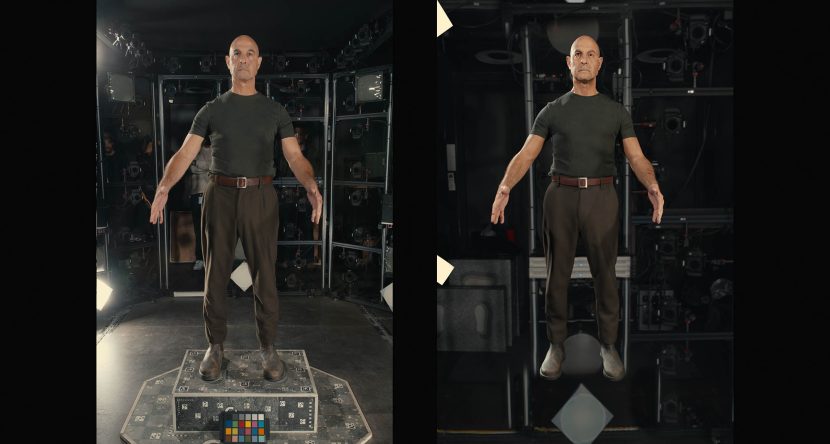
Rather than relying purely on post-production magic, the pipeline for Season 2 was defined by a symbiotic relationship between practical on-set data capture and advanced digital simulation. Baldwin personally attended principal photography alongside a dedicated DNEG data-capture team. Together, they executed comprehensive LiDAR scanning of environments, orchestrated complex digital-scanning sessions for the cast, and gathered crucial lighting references, including High Dynamic Range Imaging (HDRI) maps and standard chrome and grey balls.
The resulting body of work spans multiple distinct visual domains:
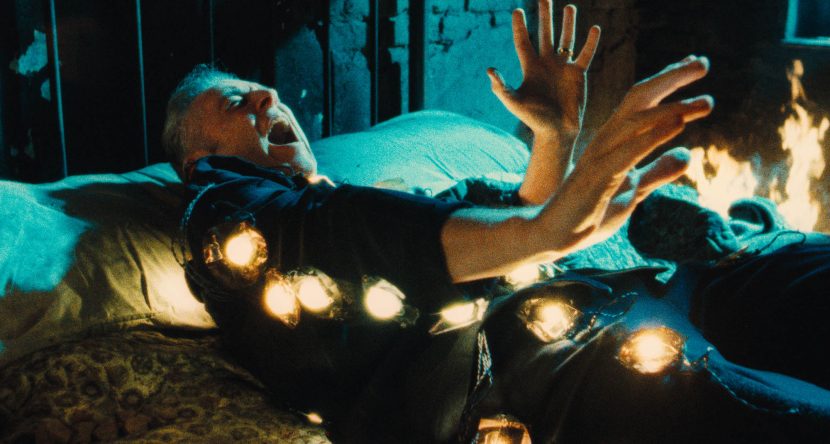
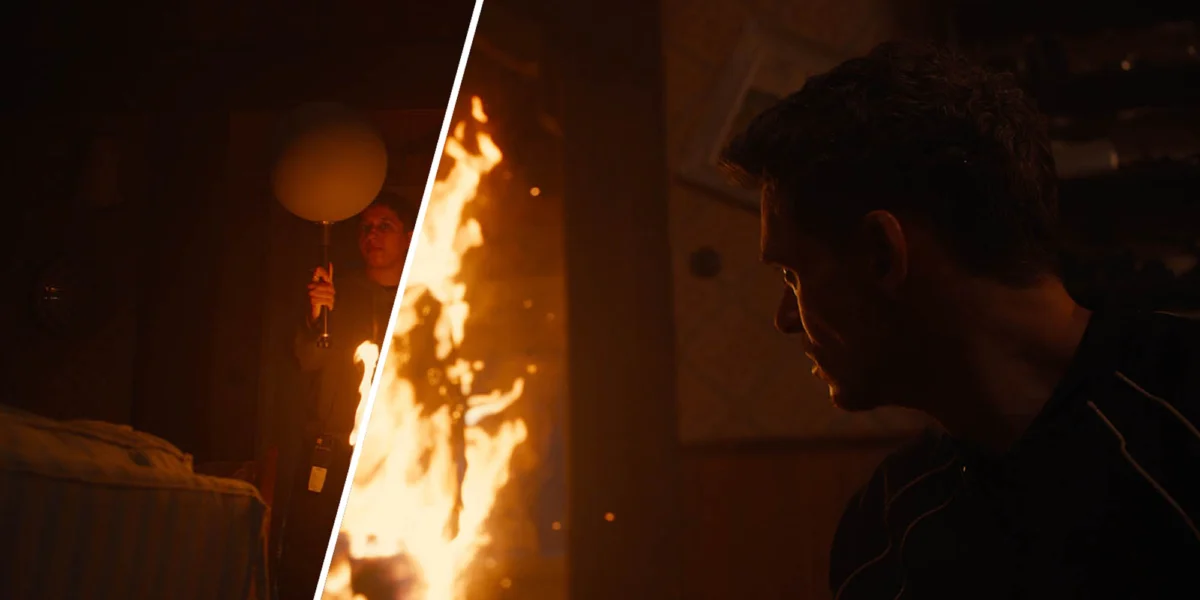
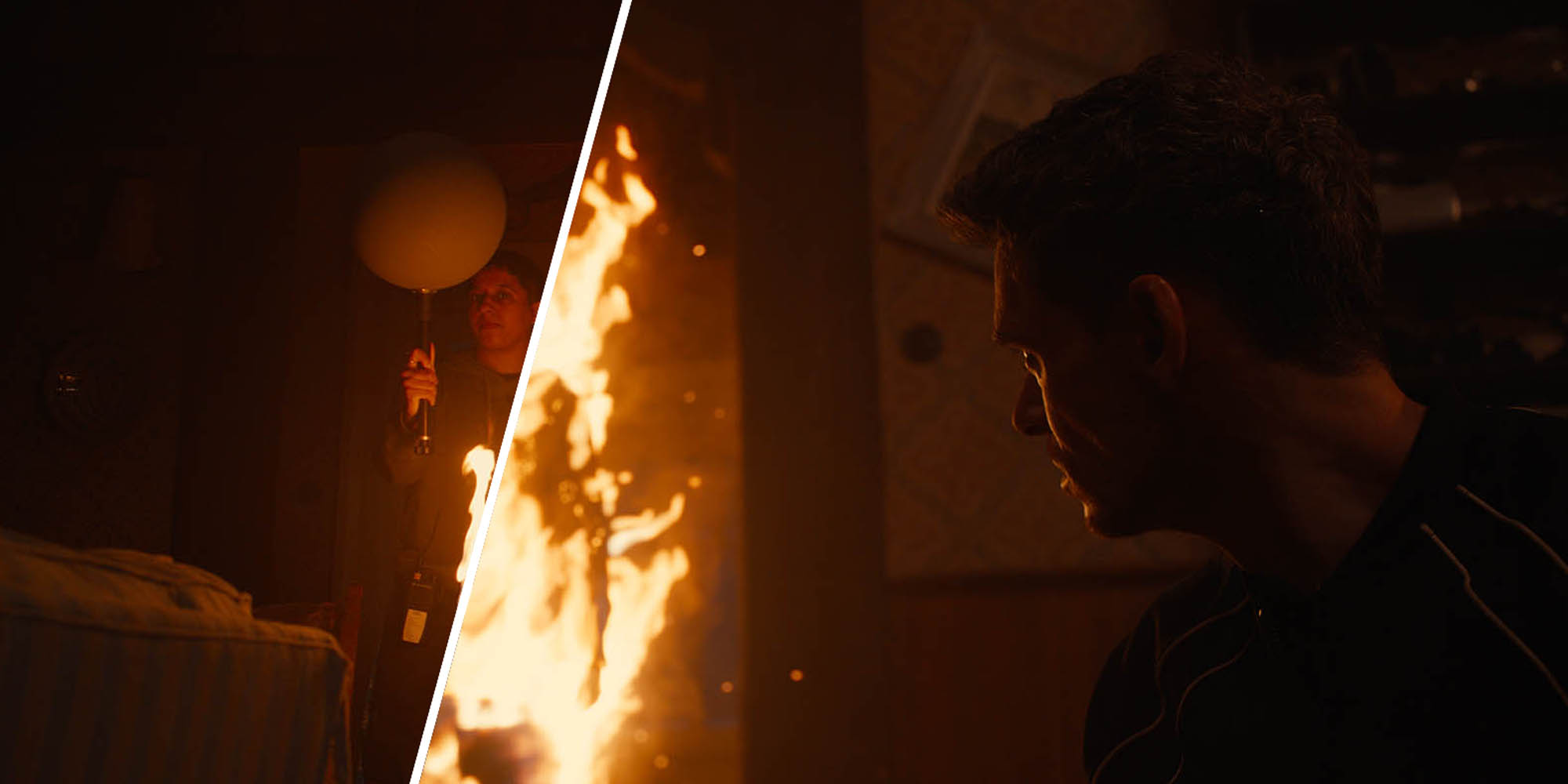
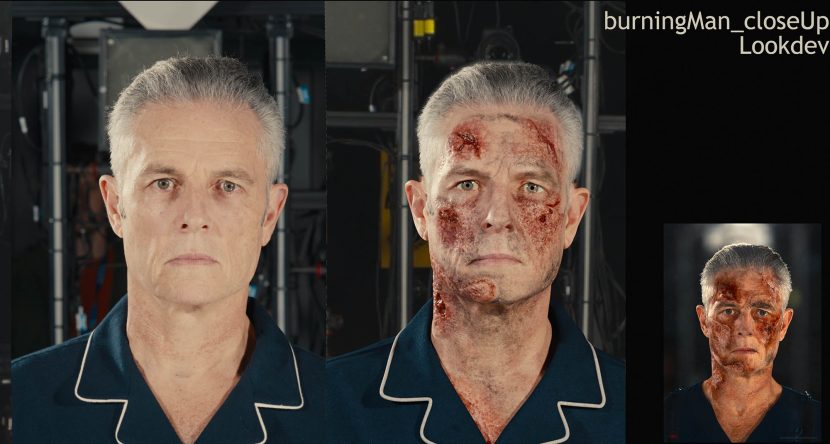
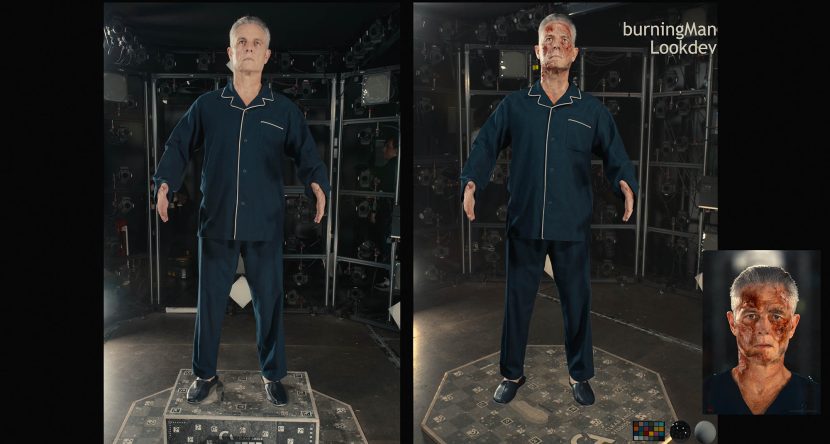
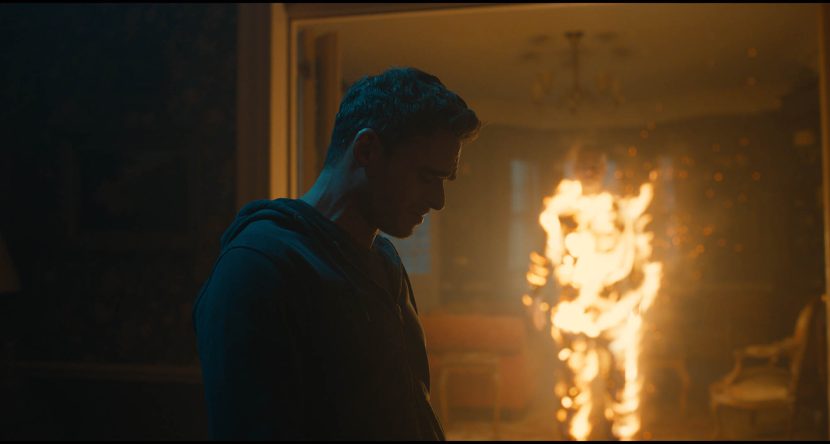
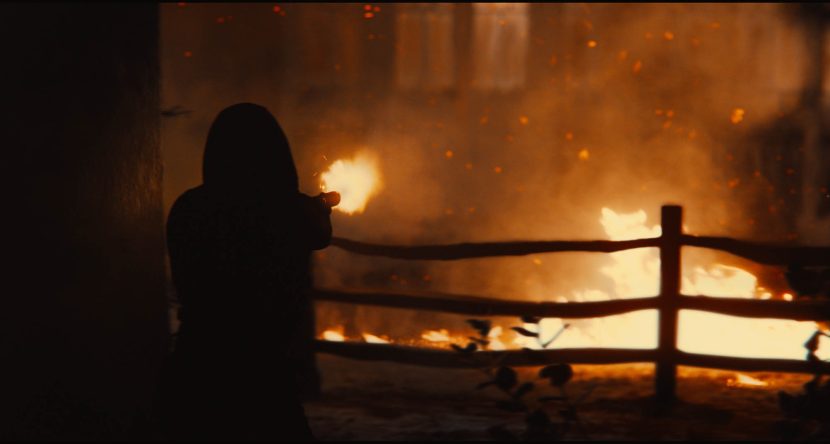
- The "Burning Man" (Mason’s Father): A deeply emotional character arc featuring a figure consumed by fire, handled through a hybrid of practical LED lighting rigs, mannequin burn tests, custom CFX simulations, and careful preservation of the actor’s facial performance.
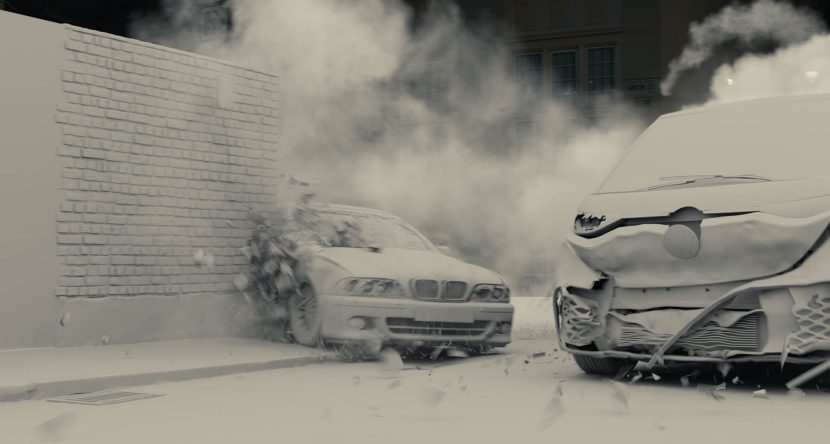
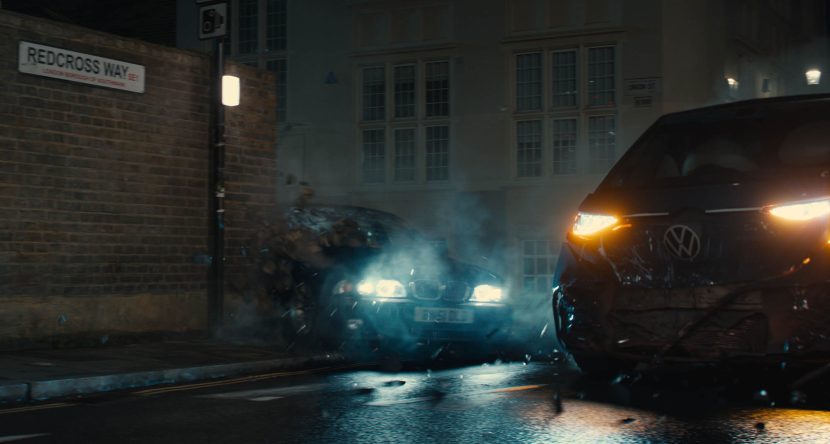
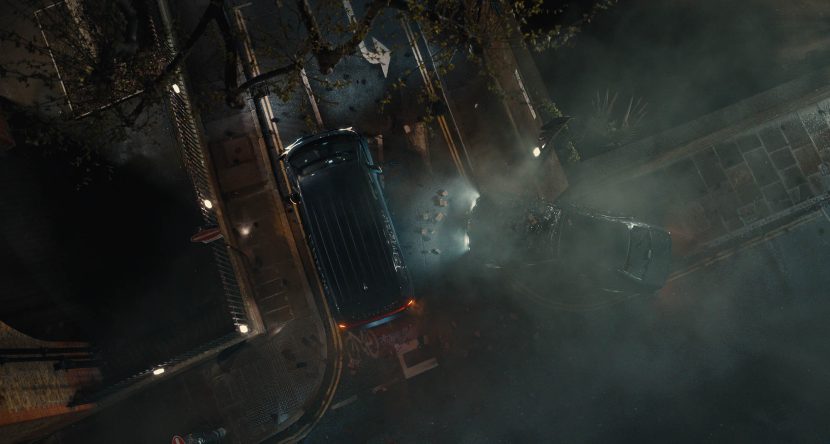
- The Car Crash Sequence: A completely digital vehicle collision sequence built entirely from scratch in post-production using pre-visualized animation and manufacturer crash data, supported by empty background plates and lighting reference passes.
- The 80-Second Continuous Sequence: A seamless technical stitch transitioning from a drone shot to a Steadicam take, complicated by disparate natural lighting conditions and resolved through a full 3D environment and digital double bridge.
- The G8 Finale & Satellite Destruction: A breathtaking orbital climax featuring DNEG’s proprietary photoreal Earth setup, paired with dynamically simulated space debris and explosions that balanced scientific plausibility with high-stakes cinematic storytelling.
Chronology: From Pre-Production Planning to Post-Production Execution
Phase 1: Early Prep and Controlled Practical Testing
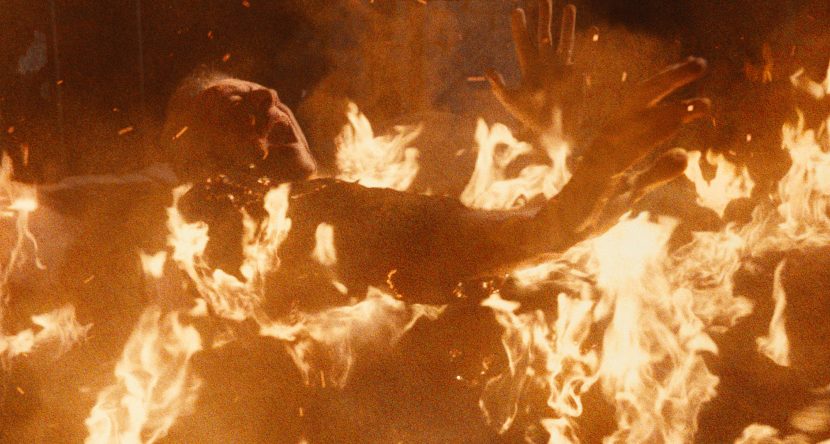
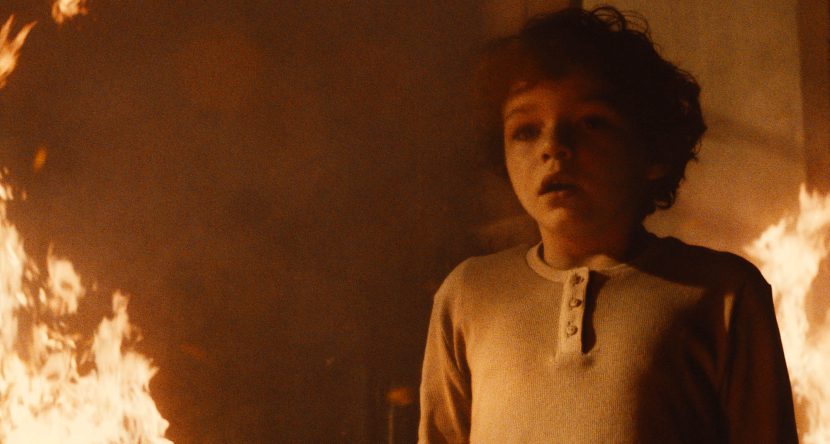
Long before principal photography commenced, DNEG and production supervisors established clear visual targets. For the complex "burning man" sequences involving Mason’s father, the team refused to leave the fiery dynamics to chance. Wesley Froud and the physical production team conducted controlled practical tests by setting mannequins alight in custom replica costumes. This testing provided critical empirical data regarding burn rates, fabric behavior, ember dispersion, and smoke density.
Concurrently, DNEG engaged in extensive concept development to determine the physical extent of the thermal scarring on the actor’s face, evaluating whether the flames should cross the head or remain restricted to clothing. The team established a strict creative boundary: the principal actor’s head and facial expressions would never be fully replaced by CG, preserving the emotional integrity of the performance.
Phase 2: On-Set Capture and Data Acquisition
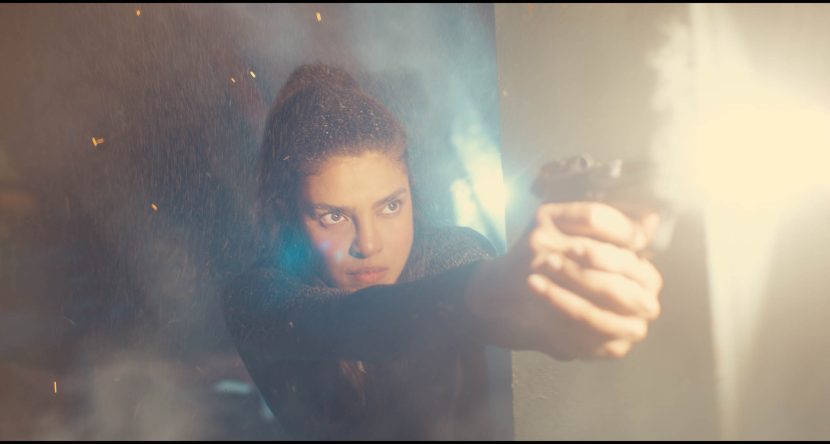
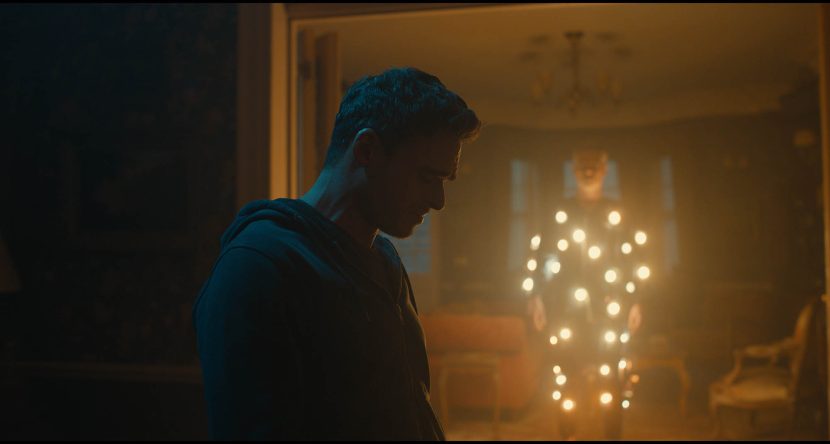
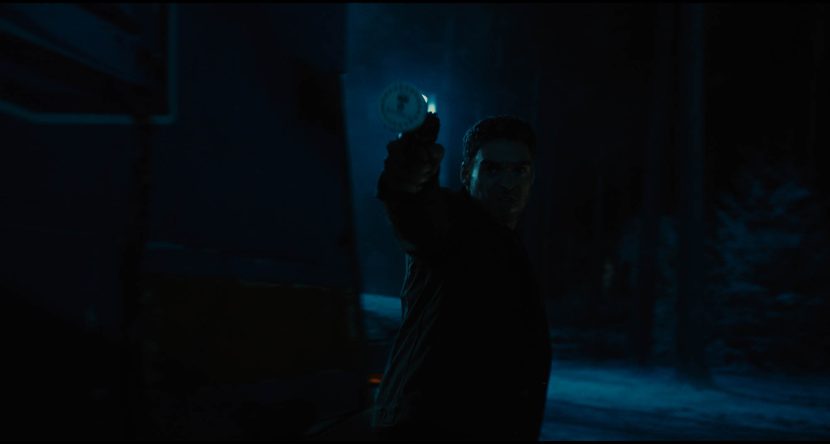
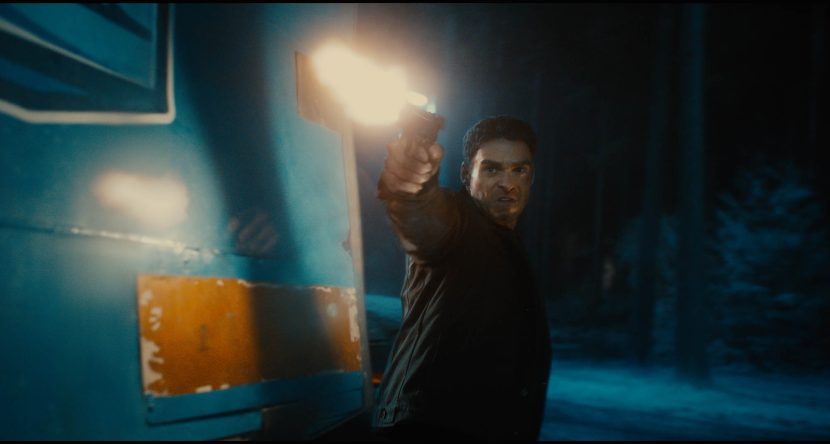
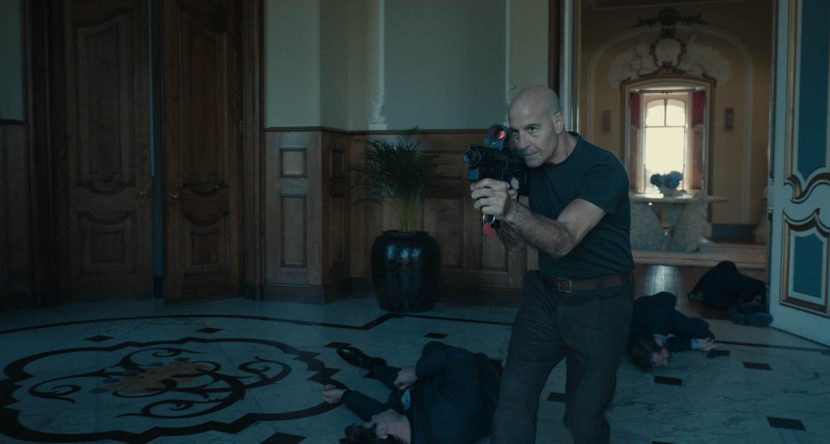
During the active shoot, the production and DNEG teams implemented innovative practical tools. To ensure accurate interactive lighting on actors and sets, the crew developed a specialized LED-embedded suit for the actor playing the burning father, perfectly mimicking the flickering illumination of roaring flames. Similar practical considerations were applied to gunplay, where on-set firearms featured tip-mounted LEDs to replicate muzzle flash lighting on actors’ faces.
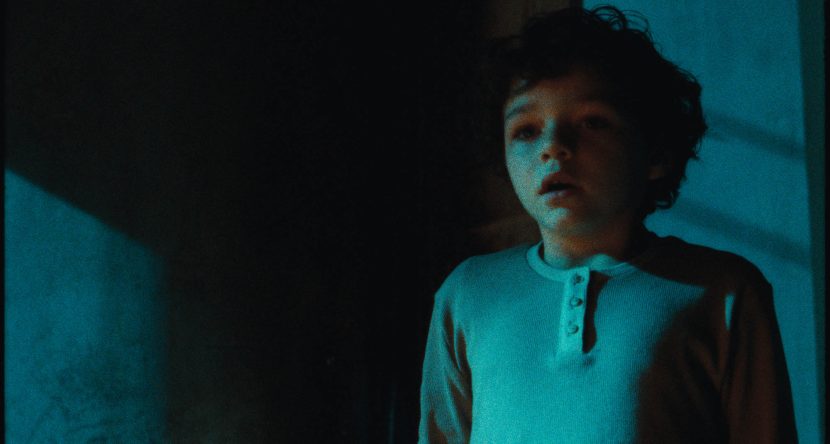
For the car crash sequence, the production discarded traditional hazardous stunt driving in favor of a clean-plate and reference-pass strategy. After locking down the timing via previs animations, the crew shot empty background environments followed by slow-motion reference passes of the vehicles. LiDAR scanners simultaneously recorded every square inch of the physical locations.
Phase 3: Post-Production Simulation and Compositing
Once the plates arrived at DNEG facilities—with significant heavy lifting handled by teams in Sydney under the supervision of Compositing Supervisor Renaud Madeline—the heavy computational work began. Houdini procedural setups, bespoke CFX cloth simulations, digital matte painting (DMP) skin projections, and 3D camera matchmoves were integrated iteratively. Under the guidance of production leadership, including VFX Producer Lisa Kelly, the teams enjoyed the time and iterative space required to achieve photorealism without feeling crushed by traditional episodic television schedules.
Supporting Data: Technical Breakdown of Key Sequences
The Burning Man and Digital Doubles
Balancing physical realism with character emotion required a multi-layered hybrid workflow. While the actor wore the LED lighting suit on set, DNEG body-tracked his movements against a full CG recreation of his costume.
- CFX and Fire Simulations: The digital pajama suit was run through cloth simulations, onto which singeing, smoke, and procedural flame dynamics were layered.
- Skin and Facial Work: Facial wounds were primarily achieved through DMP skin projections tracked meticulously onto the actor’s performance.
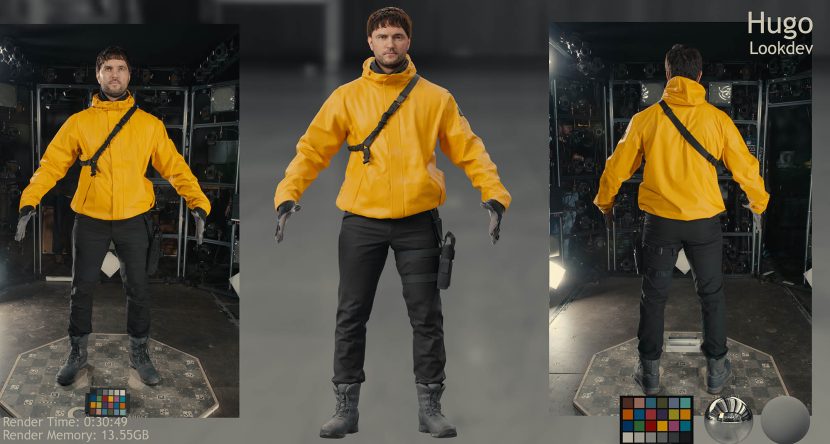
- Assassins and Stunt Doubles: For sequences like the abduction of Abby—where the Swedish assassin Hugo is struck by a vehicle—full CG digital doubles of both actor and car were deployed. These assets were anchored by high-resolution body scans and wire-removal element plates shot on set.
Gunplay and Digital Blood
DNEG maintained a flexible, hybrid pipeline for muzzle flashes and ballistic impacts. When shots featured extreme camera movements or complex lighting, procedural Houdini FX simulations took precedence over 2D stock elements. However, for standard dialogue and action beats, the team utilized a targeted library alongside custom elements filmed using the exact weapons and set materials used during production.
Digital blood proved particularly challenging due to audience familiarity with practical gore. According to Baldwin, principal actors received significantly more fine-tuning and iterative passes than generic background antagonists. By referencing real practical makeup effects from parallel shots, the team struck a balance between gritty realism and restrained execution.
The 80-Second Continuous Shot
One of the season’s most formidable technical achievements was an 80-second unbroken sequence stitching an aerial drone shot into a ground-level Steadicam take.
- The Challenge: Natural lighting variations between different shooting times caused drastic shifts in highlights and shadows across the two source plates. Furthermore, minor discrepancies in actor positioning at the stitch point broke 2D-only morphing solutions.
- The Solution: Under Layout Supervisor Shailendra Swarnkar, DNEG rebuilt the entire environment in 3D. The layout team executed a digital camera stitch, while the animation team introduced a seamless performance handover for the actor. CFX cloth simulations and shot-sculpting smoothed out T-shirt crease deformations as the character crossed the threshold, allowing a door frame to serve as a natural lighting wipe.
The Space Finale: Earth and Satellite Destruction
For the grand finale, DNEG utilized its proprietary Earth rendering environment to generate hyper-realistic terrain, oceanic depth, and volumetric cloud layers.
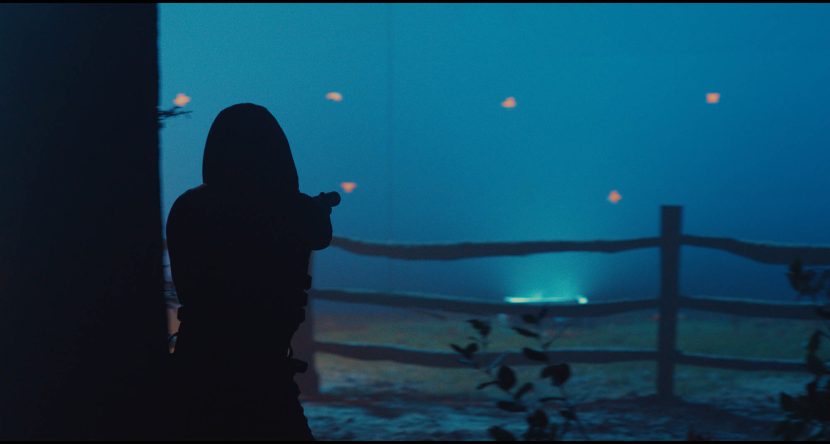
When tackling the orbital satellite self-destruction, the team balanced scientific accuracy against cinematic tropes. Recognizing that actual explosions in the vacuum of space lack atmospheric fire, the artists introduced short-lived, gas-fed internal detonations so viewers could instantly comprehend the narrative stakes. Zero-gravity physics governed the trajectory of floating shrapnel until gravitational pull eventually drew the debris downward toward a dramatic atmospheric reentry behind an aircraft.
Official Responses and Industry Collaboration
A recurring theme in DNEG’s behind-the-scenes breakdown is the profound level of inter-departmental collaboration. Daniel Baldwin repeatedly credited the production’s leadership—specifically Production Supervisor Wesley Froud and VFX Producer Lisa Kelly—for fostering an environment where visual effects vendors were consulted from day one.
This collaborative ethos eliminated adversarial friction between on-set physical effects (SFX) teams and post-production digital effects (VFX) teams. By sharing data capture protocols, coordinating practical lighting tests (such as the mannequin burn tests and flame bars), and maintaining open lines of communication, the production ensured that digital assets were never treated as an afterthought.
Implications: The Evolution of Episodic VFX
The work delivered by DNEG for Citadel Season 2 carries significant implications for the future of high-end streaming television. Historically, television production schedules have forced compromises in visual fidelity, pushing complex choreography, digital doubles, and large-scale simulations into rushed post-production windows.
Citadel Season 2 demonstrates that episodic television can achieve feature-film-grade visual effects when pre-production planning mirrors blockbuster workflows. By utilizing upfront LiDAR scanning, extensive physical reference testing, and structured data acquisition on set, studios can significantly reduce guesswork during compositing.
Furthermore, DNEG’s disciplined approach to digital doubles and facial integration—prioritizing the preservation of principal actor performances over gratuitous digital replacement—establishes a benchmark for invisible effects work. As streaming platforms continue to demand cinematic spectacle on tight episodic turnaround times, the hybrid pipeline forged on Citadel Season 2 provides a blueprint for how complex, high-stakes visual storytelling can be successfully executed without sacrificing emotional resonance.
