
Beyond the Rose-Tinted Glasses: 8 Fantasy Classics That Struggle to Hold Up Today
The fantasy genre is the bedrock of modern cinematic escapism. From the sweeping, technicolor wonder of The Wizard of Oz to the intricate, immersive world-building of the Harry Potter franchise, fantasy has consistently provided the industry with its most enduring icons. However, there is a persistent phenomenon in film criticism where a movie’s status as a "classic" becomes self-perpetuating. We are often told that these films are masterpieces simply because they have always been labeled as such.
Yet, when viewed through the cold, analytical lens of contemporary cinematic standards—where pacing, visual effects, and cultural sensitivity have evolved exponentially—many of these celebrated films falter. Nostalgia is a powerful filter, but when stripped away, the cracks in the foundation become impossible to ignore. Here, we examine eight fantasy "classics" that, while historically significant, arguably struggle to offer a compelling viewing experience to the modern audience.

The Evolution of the "Classic" Standard
To understand why these films feel dated, one must first acknowledge how the definition of a "masterpiece" has shifted. In the 1980s and 90s, the mere existence of a high-fantasy world on screen was often enough to secure a film’s legacy. Today, audiences demand fluid integration of CGI, tighter narrative structures, and a level of thematic maturity that avoids the tropes of yesteryear.

A film can be historically important—pioneering a genre or launching a career—without being "watchable" by modern standards. Recognizing this distinction is vital for a nuanced understanding of film history.

A Chronological Look at Fading Fantasy
While the following films hold a special place in the annals of cinema, their ability to captivate a modern viewer is, at best, inconsistent.

8. Conan the Destroyer (1984)
- The Legacy: The 1982 original, Conan the Barbarian, is a gritty, R-rated masterclass in sword-and-sorcery. It defined the anti-hero archetype and catapulted Arnold Schwarzenegger to global fame. Conan the Destroyer was intended to expand this universe but ultimately became a cautionary tale of franchise dilution.
- The Modern Critique: By pivoting toward a family-friendly tone, the sequel lost the grounded, visceral realism that made the original work. The shift toward high-fantasy creatures exposed the limitations of 1980s practical effects. Watching Andre the Giant navigate a scene in a stiff, poorly articulated rubber monster suit serves as a jarring reminder of how far creature design has progressed.
7. Krull (1983)
- The Legacy: Krull was an audacious, high-budget gamble that attempted to fuse science fiction with high fantasy. It boasts an impressive pedigree, featuring early performances from legends like Liam Neeson and Robbie Coltrane, underscored by a sweeping, ambitious score from the legendary James Horner.
- The Modern Critique: In an era of "cinematic universes" and high-octane pacing, Krull feels glacial. Modern audiences, accustomed to the kinetic energy of the Marvel Cinematic Universe or the sharp editing of contemporary adventure films, will likely find the vast stretches of characters walking through barren landscapes and engaging in aimless side quests to be an exercise in frustration.
6. Labyrinth (1986)
- The Legacy: Jim Henson’s Labyrinth is a testament to the power of home video culture. Despite being a commercial failure upon its initial release, it found a second life as a cult classic. David Bowie’s enigmatic performance as the Goblin King and the tactile genius of Henson’s puppetry have etched the film into the childhood memories of millions.
- The Modern Critique: Beyond the magnetism of Bowie, the film’s narrative is surprisingly thin. The plot feels more like a collection of disparate Muppet-style vignettes rather than a cohesive journey. Furthermore, the opening sequence featuring a noticeably aged CGI owl is a stark reminder of the "uncanny valley" that early computer-generated imagery often occupied.
5. The Beastmaster (1982)
- The Legacy: Often referred to as "the film that never left cable television," The Beastmaster became a staple of 1990s broadcast schedules. Its ubiquity made it a comforting, familiar presence for an entire generation, cementing its status as a "guilty pleasure" classic.
- The Modern Critique: Re-evaluating the film today reveals a disturbing undercurrent of sexualization. Scenes where the protagonist uses his telepathic animal connection to voyeuristically spy on women bathing are presented with a tone of "boys-will-be-boys" humor that feels profoundly uncomfortable today. When paired with bizarre plot twists involving non-consensual dynamics, the film’s "breezy" charm evaporates, replaced by a sense of thematic datedness.
4. Willow (1988)
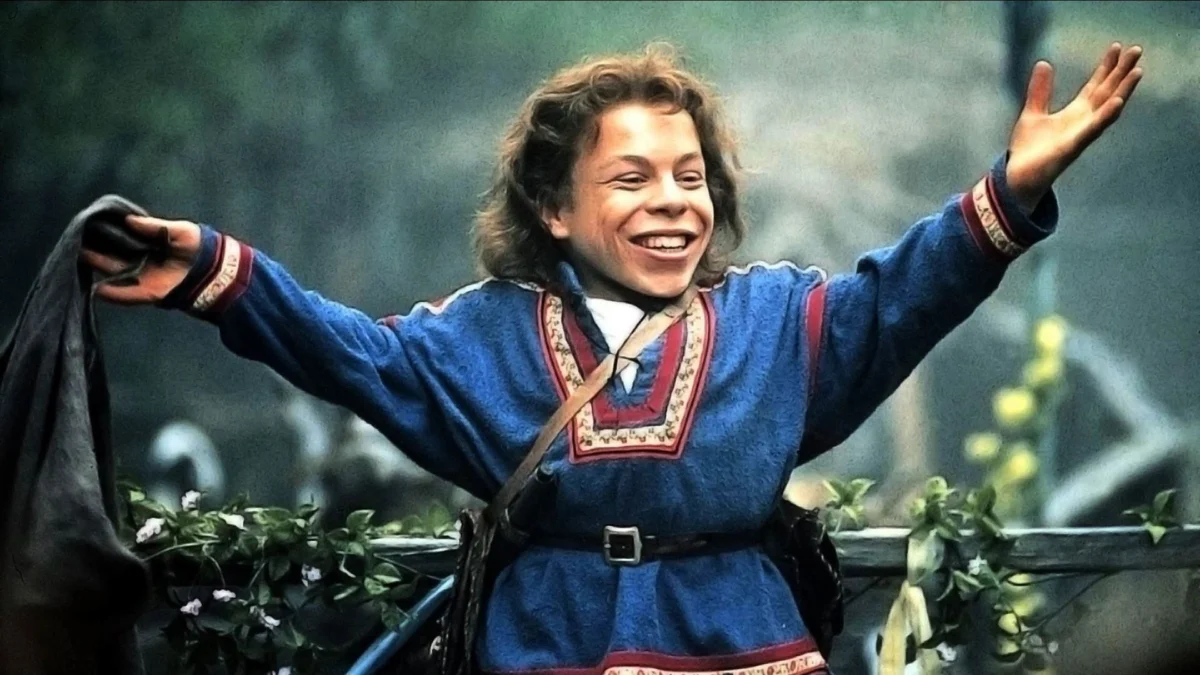
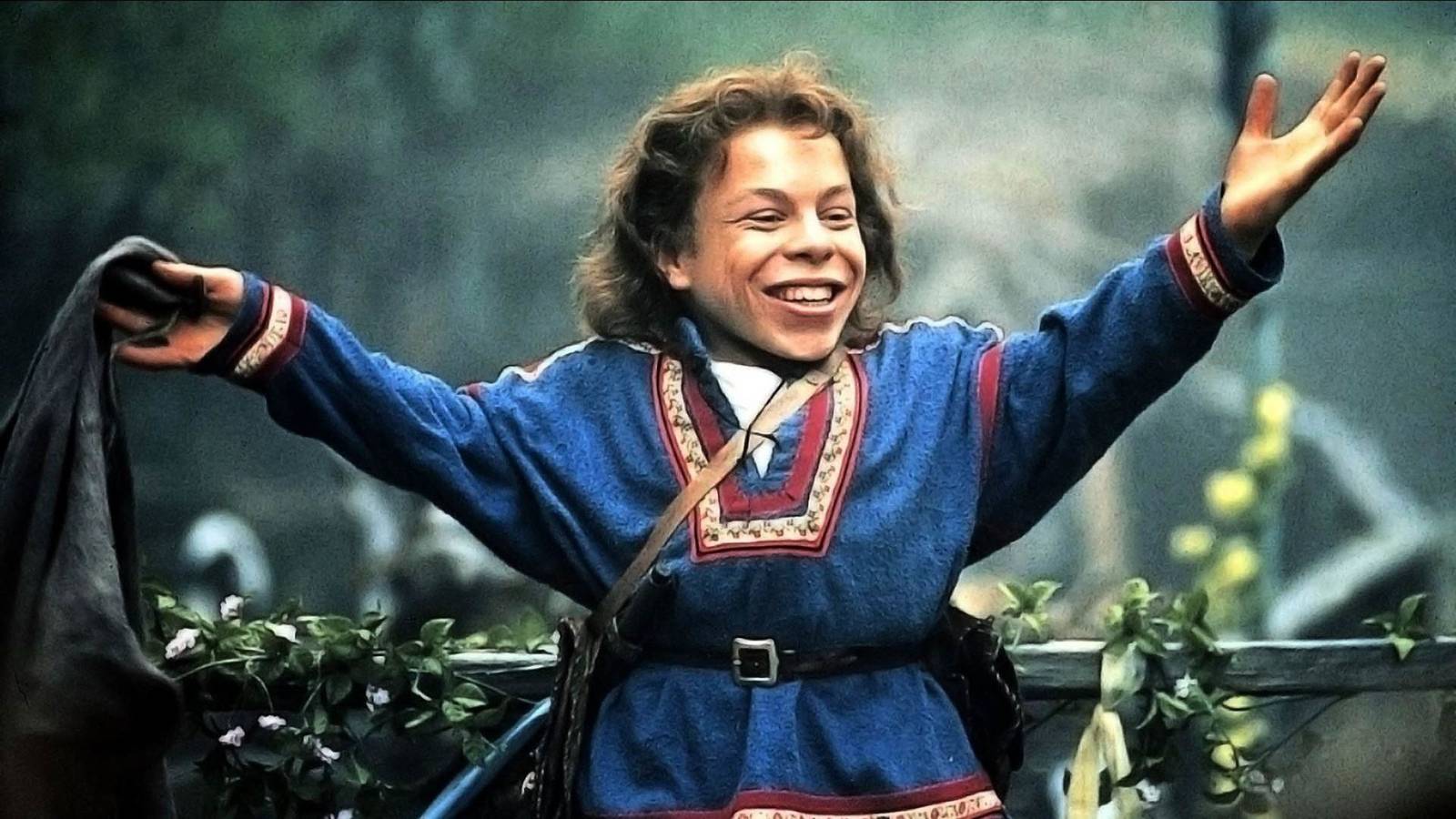
- The Legacy: Conceived by George Lucas and directed by Ron Howard, Willow arrived at the height of their influence. It was lauded for its heart and for casting Warwick Davis in a lead role—a refreshing departure from the era’s obsession with hyper-masculine, muscle-bound warriors.
- The Modern Critique: The film’s greatest weakness is its humor. The "Brownies"—tiny, high-pitched creatures—are meant to provide comic relief, but their relentless bickering and forced slapstick feel grating to the modern ear. Additionally, the technical integration of these characters into live-action scenes—often involving clunky blue-screen work—creates a visual dissonance that pulls the viewer out of the story.
3. The NeverEnding Story II: The Next Chapter (1990)
- The Legacy: Following the massive success of the 1984 original, the sequel was highly anticipated. It attempted to recapture the wonder of Fantasia, featuring Jonathan Brandis, a rising star of the era.
- The Modern Critique: The film’s failure is twofold: it suffers from severely aged effects, and it fundamentally misunderstands its protagonist. Watching Bastian regress from the empowered hero of the first film to a passive, fearful character is deeply unsatisfying. It lacks the thematic depth that allowed the original to resonate with both children and adults.
2. Song of the South (1946)
- The Legacy: A landmark achievement in the combination of live-action and animation, the film was initially celebrated for its technical prowess and iconic soundtrack.
- The Modern Critique: The film is now widely recognized as a problematic artifact of its time. Its depiction of the Reconstruction-era South and its reliance on the "Uncle Tom" archetype present a sanitized, offensive view of racial hierarchy. Disney’s decision to remove the film from its streaming platform and rebrand its associated park attractions is a clear, official acknowledgment that the film’s core values are incompatible with modern ethics.
1. Clash of the Titans (1981)
- The Legacy: This film is the swan song of the legendary Ray Harryhausen, the master of stop-motion animation. It featured a "prestige" cast, including Laurence Olivier and Maggie Smith, elevating it above the typical B-movie fantasy fare of the early 80s.
- The Modern Critique: While Harryhausen’s work is historically significant, it is undeniably jerky by modern standards. In a world where digital animation allows for seamless, lifelike movement, the stop-motion style of Clash of the Titans acts as a barrier to immersion. Coupled with pacing that feels agonizingly slow, the film struggles to maintain the interest of viewers accustomed to modern narrative velocity.
Implications for Modern Media
The debate surrounding these films is not about "canceling" the past, but rather acknowledging that the criteria by which we judge art are in constant flux.

- Technical Obsolescence: As CGI and motion-capture technologies continue to advance, practical effects from the 80s and 90s increasingly look like museum pieces rather than immersive tools.
- Thematic Sensitivity: Themes that were once ignored or accepted as tropes are now rightly scrutinized for their impact on modern audiences.
- Pacing and Engagement: Modern viewers have developed a different relationship with time. The slow, meditative pacing of 1980s fantasy is increasingly at odds with the "always-on" nature of modern entertainment.
Ultimately, these films retain their value as historical markers—testaments to the ambition of their creators and the limitations of their time. They are the scaffolding upon which modern fantasy is built. However, viewing them through a modern lens requires an acceptance that "classic" status does not automatically grant a pass for poor storytelling, offensive themes, or outdated execution. To appreciate these films, one must be prepared to look past the flaws, but to call them "masterpieces" by today’s standards is a disservice to the evolution of the craft.
