
"As Gross as It Gets": Ben Affleck Blasts Warner Bros. Over Zack Snyder’s Justice League Firing and Toxic Reshoots
Main Facts
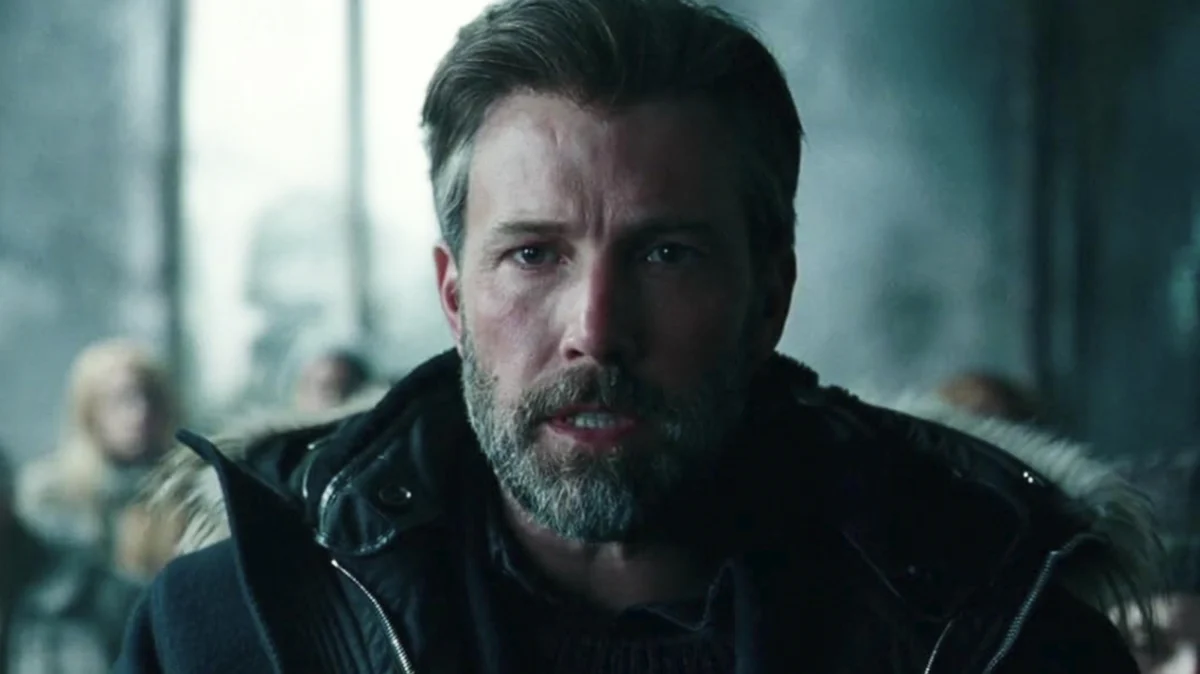
Years after the fractured rollout of the DC Extended Universe (DCEU), Ben Affleck has pulled back the curtain on what he considers the lowest point of his storied Hollywood career. Appearing on Josh Horowitz’s Happy Sad Confused podcast, the Academy Award-winning actor and filmmaker did not mince words regarding his time filming 2017’s Justice League.
Affleck explicitly labeled the studio-mandated reshoots and the handling of director Zack Snyder’s departure as "about as gross as it gets." The actor’s scathing commentary sheds light on a dark chapter in blockbuster filmmaking, confirming long-standing industry rumors that Warner Bros. executives capitalized on a devastating family tragedy to oust Snyder and drastically alter the film’s creative direction.
The fallout from the Justice League production has long been recognized as a turbulent period for Hollywood, but Affleck’s recent remarks elevate the conversation. By pointing the finger directly at studio executives and replacement director Joss Whedon—whose on-set behavior toward cast members like Gal Gadot and Ray Fisher has also been heavily scrutinized—Affleck has reignited the discourse surrounding studio interference, creative control, and the sometimes toxic corporate culture underpinning modern cinematic universes.
Chronology: The Rise and Fall of the DCEU Blueprint
To understand the depth of the animosity surrounding the 2017 release, it is necessary to examine the rushed chronology that birthed the DCEU and ultimately set the stage for behind-the-scenes catastrophe.
The Fast-Track Era (2013–2016)
The foundational cracks in the DCEU formed immediately following the release of Zack Snyder’s Man of Steel (2013). While the Superman reboot performed respectably at the box office, it fell significantly short of the coveted $1 billion global threshold that Marvel Studios effortlessly crossed with The Avengers and Iron Man 3.
Panicked by the rapid ascent of the Marvel Cinematic Universe (MCU), Warner Bros. executives opted to bypass the patient, multi-year developmental strategy that Marvel utilized. Instead, the studio demanded a shortcut to a massive team-up movie, ordering a Justice League feature without establishing the necessary groundwork.
This imperative led directly to Batman v Superman: Dawn of Justice (2016). The film attempted to simultaneously adapt the iconic Death of Superman comic book storyline while hurriedly introducing core franchise pillars: Lex Luthor, Wonder Woman, Aquaman, The Flash, and Cyborg. Although the film grossed $874 million worldwide, it suffered from a polarizing critical reception and failed to cultivate the widespread, positive momentum required to launch a sustainable cinematic universe.
The Tragedy and the Takeover (2017)
As Justice League entered post-production under Zack Snyder’s supervision, the production was struck by an unimaginable personal tragedy. Snyder’s daughter, Autumn Snyder, tragically took her own life.
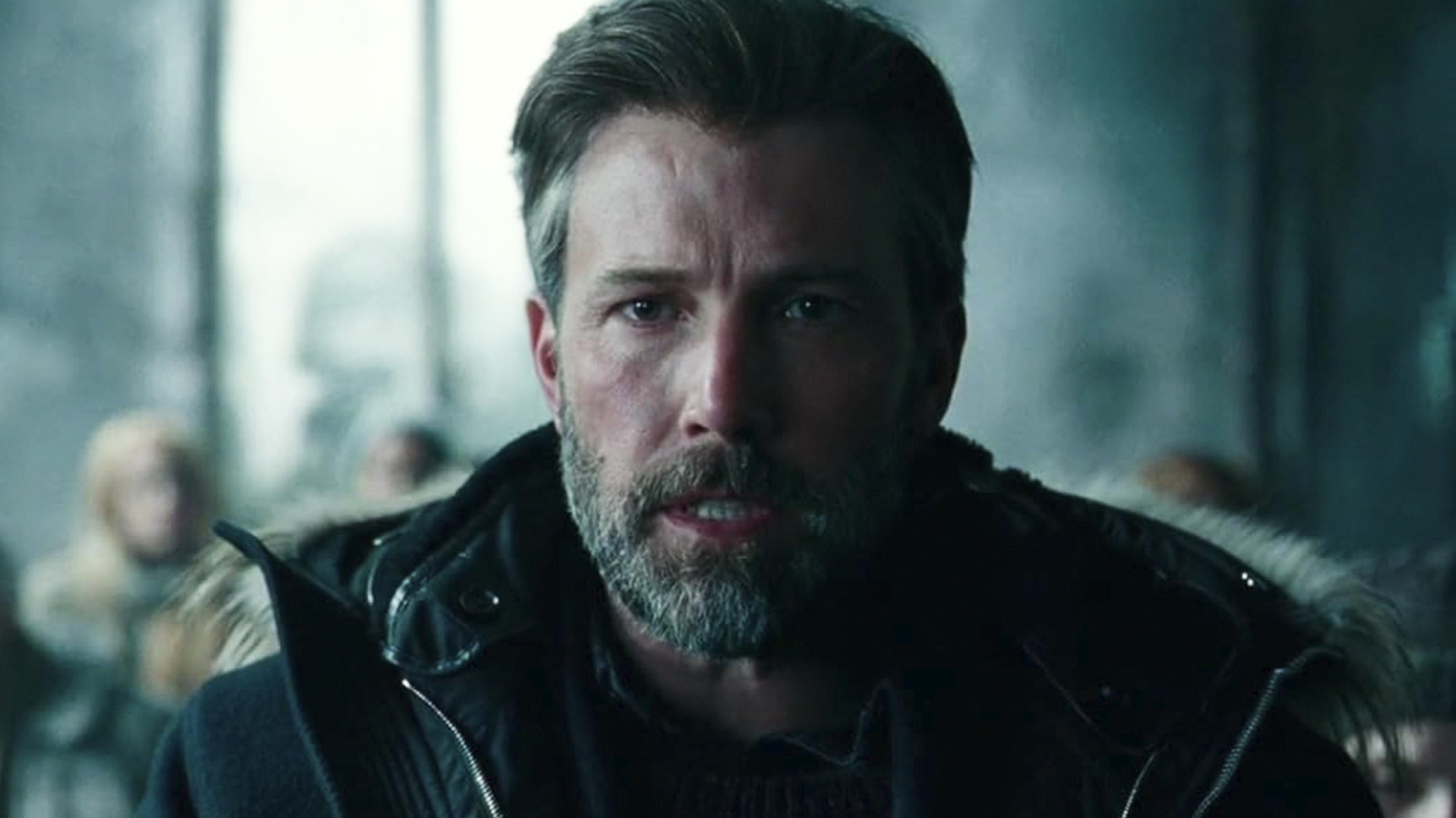
Reeling from the loss, Snyder stepped away from the project to grieve and be with his family. Rather than pausing production or hiring a filmmaker whose sensibilities aligned with Snyder’s established vision, Warner Bros. brought in Joss Whedon—who was coming off massive success with Marvel’s The Avengers—to complete the movie.
Whedon’s arrival triggered two months of extensive reshoots. The studio utilized this transition to pivot the film’s tone away from Snyder’s darker, mythic aesthetic toward a lighter, more comedic style reminiscent of Marvel properties. The resulting theatrical cut of Justice League hit theaters in November 2017 to mixed reviews and underwhelming box-office returns, grossing $661 million against a massive $300 million production budget.
The Redemption and the Fallout (2021–Present)
For nearly four years, fans lobbied aggressively for the release of Snyder’s original cut, giving rise to the cultural phenomenon known as the "Snyder Cut" movement. In 2021, Warner Bros. capitulated, granting HBO Max the budget to complete visual effects and editing for Zack Snyder’s Justice League. The four-hour director’s cut was widely praised as a massive creative improvement over the theatrical version, validating Snyder’s original artistic vision and vindicating the actors who had spoken out against the studio’s interference.
Supporting Data: Box Office Realities and Production Realities
The financial and operational metrics surrounding the DCEU’s early entries highlight the systemic pressures that drove Warner Bros. to panic:
- The Billion-Dollar Benchmark: While Marvel’s The Avengers (2012) grossed $1.5 billion and Iron Man 3 (2013) topped $1.2 billion, Zack Snyder’s Man of Steel earned roughly $668 million globally.
- Budget vs. Return: Justice League (2017) required a staggering production budget estimated at $300 million before marketing expenses, ultimately grossing $661 million—a financial underperformance that led to significant studio losses.
- The Snyder Cut Investment: HBO Max invested an additional $70 million to finish Zack Snyder’s Justice League (2021), transforming a tarnished brand asset into a critically acclaimed streaming success.
- The Post-DCEU Landscape: Following the collapse of the DCEU, DC Studios was restructured under James Gunn and Peter Safran. Gunn’s 2025 Superman reboot pulled in $619 million globally—ironically coming in under the theatrical run of Snyder’s Man of Steel, yet viewed as a success due to a recalibrated financial model and managed expectations.
Official Responses and Insider Revelations
Ben Affleck’s recent interview on the Happy Sad Confused podcast provides the most candid assessment of the production to date. Reflecting on the toxic environment on set, Affleck did not hesitate to condemn both the corporate machinery and the specific tactics used to sideline Snyder.
"The experience of Justice League for me was so, so negative, for lots of different reasons, some of which happened to do with just where I was personally, some of which had to do with the tragedy that happened during that time," Affleck told host Josh Horowitz.
The actor offered a damning critique of the dynamic between corporate oversight and artistic creation, noting that the project taught him "how not to make a movie like that, which is when the studio is at odds with the filmmaker, you’re really making a mistake."
Most notably, Affleck corroborated long-standing insider reports that Warner Bros. executives strategically used Autumn Snyder’s suicide as an operational mechanism to ease Zack Snyder out of the director’s chair. Displeased with the direction of the franchise following Batman v Superman, the studio seized the moment.
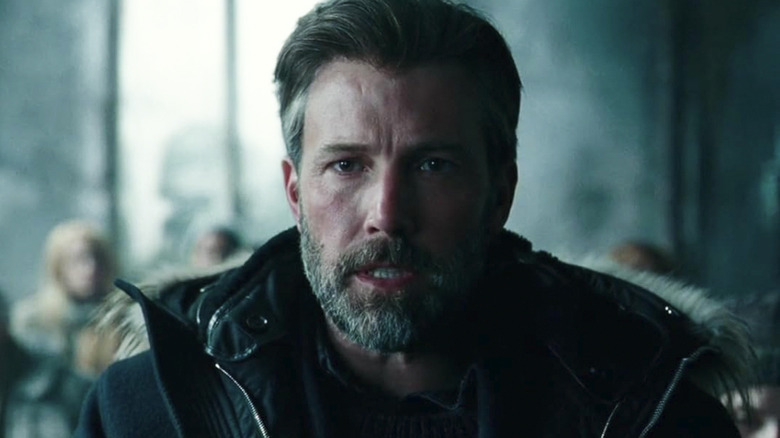
"[Zack Snyder] being taken off that movie, and the reshoots that we did. If you want the low point of my career, it was that," Affleck stated. "Somebody’s death by suicide, that eclipses everything. And the way in which that was, I thought, frankly, used as an excuse, I just thought was one of the sh***iest things I’d ever seen."
Affleck’s comments echo earlier allegations made by co-star Ray Fisher (Cyborg), who publicly accused Joss Whedon of abusive, unprofessional, and racially insensitive behavior on set, alongside executive complicity from producers like Geoff Johns and Jon Berg. Gal Gadot (Wonder Woman) also reported friction with Whedon, alleging that the director threatened her career during the reshoots.
Implications for Modern Hollywood
Ben Affleck’s unfiltered remarks carry profound implications for how major studios manage intellectual property, creative talent, and crisis communication.
1. The Perils of Corporate Panopticism
The Justice League debacle remains a textbook case study in the dangers of studio interference. When corporate entities panic over fluctuating box-office yields and attempt to forcefully retrofit a director’s distinct vision to mirror a competitor’s formula, the result is almost universally compromised. Affleck’s public declaration that studio-filmmaker friction leads to catastrophic artistic failure serves as a warning to major media conglomerates that micro-management destroys morale and alienates marquee talent.
2. The Human Cost of Blockbuster Franchising
Blockbuster filmmaking is frequently discussed through the sterile lens of box office returns, merchandise sales, and opening weekend projections. Affleck’s commentary forces the industry to confront the human and psychological toll inflicted upon casts and crews. Using a family tragedy as corporate leverage represents a profound ethical breach that permanently alters how talent perceives studio loyalty.
3. Creative Vindication and Industry Relationships
Despite the professional trauma of the 2017 production, Affleck expressed deep gratification that Snyder was eventually allowed to complete his definitive cut of the film. Furthermore, the fallout has solidified loyal creative alliances outside of corporate studio systems. Demonstrating his ongoing support for those mistreated during the process, Affleck recently cast Ray Fisher in his upcoming directorial project, Animals, proving that genuine solidarity among artists can endure long after corporate bridges have burned.
As Hollywood continues to navigate the post-superhero-boom landscape, the cautionary tale of Justice League will undoubtedly echo through boardroom discussions for decades to come—serving as a stark reminder that art cannot be successfully manufactured by committee, especially when built on a foundation of corporate cynicism.
