
When Glitz Meets Authoritarianism: Jennifer Lopez’s Turkmenistan Controversy Revives the Debate Over Celebrity Diplomacy
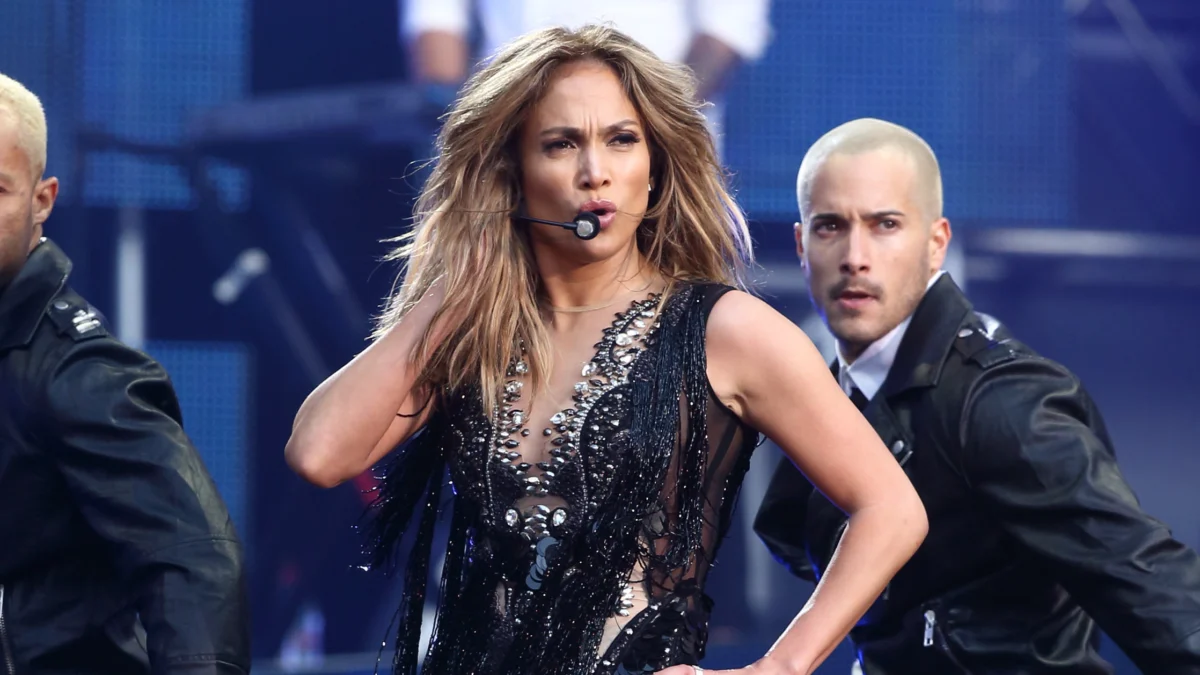
In an era where global entertainment figures command unprecedented cultural influence and commercial reach, the intersection of celebrity power, lucrative corporate bookings, and geopolitical human rights has once again ignited a fierce public debate. Jennifer Lopez, the multi-hyphenate global superstar, found herself at the center of an international firestorm after performing a personalized rendition of "Happy Birthday" to Gurbanguly Berdimuhamedow, the authoritarian leader of Turkmenistan.
While Lopez is far from the first high-profile entertainer to stumble into the murky waters of performing for controversial political figures, the incident has cast a harsh spotlight on the vetting processes of celebrity management teams, the staggering financial allure of private overseas gigs, and the persistent naivety that often accompanies high-stakes global entertainment.
Main Facts: The Turkmenistan Incident
The controversy erupted following a weekend corporate gala held in the Central Asian nation of Turkmenistan. Lopez, alongside several other international artists, had been brought in to headline an exclusive event organized by the China National Petroleum Corporation (CNPC). The primary audience for the evening was a gathering of corporate executives and local employees.
However, the tone of the evening shifted dramatically when the event’s organizers approached the pop star with a last-minute request. Gurbanguly Berdimuhamedow—Turkmenistan’s authoritarian president—was in attendance, and the corporation asked if Lopez would publicly sing "Happy Birthday" to him.
Footage subsequently uploaded to YouTube captured the moment Lopez took to the stage, addressing the head of state directly before breaking into the traditional celebratory song. According to Human Rights Watch, Turkmenistan languishes under "extraordinary levels of repression," characterized by absolute government control over public life, severe suppression of dissent, and a near-total absence of independent media or political opposition.
By unwittingly serenading a leader frequently condemned by international watchdogs for systemic human rights violations, Lopez exposed herself to intense public backlash. The incident instantly threatened to undermine years of her well-publicized philanthropic work, including advocacy for the Children’s Defense Fund and campaigns to improve health care access in Panama.
Chronology of Events
To understand how a routine corporate booking escalated into a public relations crisis, it is necessary to examine the timeline leading up to and following the performance:
- Pre-Event Planning and Vetting: Representatives for Jennifer Lopez were approached regarding a private corporate performance for CNPC executives in Turkmenistan. According to her publicists, the booking underwent standard vetting procedures to ensure it was a corporate function rather than a government-sponsored political rally.
- Arrival and Rehearsal: Lopez traveled to Turkmenistan, operating under the assumption that she was performing exclusively for a delegation of energy executives.
- The Last-Minute Request: Moments before Lopez was scheduled to take the stage, CNPC representatives made an uncontracted request: could the singer deliver a birthday greeting to President Berdimuhamedow, who was present in the room? Viewing it as a simple courtesy to her corporate hosts, Lopez "graciously obliged."
- The Performance: Lopez delivered the customized birthday greeting, unaware of the international political firestorm it would soon ignite.
- Immediate Backlash and Publicist Statement: As footage hit social media platforms like YouTube, human rights advocates and journalists raised alarms. By Sunday, Lopez’s publicist issued a definitive statement to the Associated Press, declaring that the singer would never have attended the event had she or her team been aware of Turkmenistan’s abysmal human rights track record.
Supporting Data: A History of Celebrity Missteps
Jennifer Lopez is far from the first global icon to discover that performing in closed societies or for authoritarian regimes carries catastrophic reputational risks. Over the past decade, a recurring pattern has emerged wherein Western celebrities accept astronomical sums for private appearances, only to face severe condemnation once the political realities of their hosts come to light.
The Gaddafi Family Fallout (2011)
Perhaps the most notable precursor occurred in 2011, when a slate of A-list musicians—including Beyoncé, Mariah Carey, and Nelly Furtado—faced universal outrage after it was revealed they had performed at private New Year’s Eve parties for members of Muammar Gaddafi’s inner circle. The performances took place just as the Libyan regime was violently cracking down on anti-government demonstrations, a crisis that soon escalated into a full-scale civil war and the downfall of the dictator.
The backlash was swift and damaging. Mariah Carey publicly expressed deep remorse for her involvement, telling reporters: "I feel horrible and embarrassed to have participated in this mess. Going forward, this is a lesson for all artists to learn from. We need to be more aware and take more responsibility regardless of who books our shows." Similarly, Nelly Furtado took to social media to announce she would be donating the $1 million she received for a 2007 performance for the Gaddafi family to charity.
Hilary Swank and the Chechen Gala (2011)
Later that same year, Academy Award-winning actress Hilary Swank found herself embroiled in a major public relations disaster after traveling to Grozny to attend a lavish birthday celebration for Ramzan Kadyrov, the leader of Chechnya. Kadyrov had long been accused by international human rights organizations of severe abuses, including torture, forced disappearances, and extrajudicial killings.
Swank’s presence at the event, where she shared a stage with the authoritarian leader and praised him, triggered immediate global condemnation. Recognizing the severity of the misstep, Swank issued a public apology and subsequently parted ways with her management team. Appearing on The Tonight Show with Jay Leno, a visibly contrite Swank confessed: "Shame on me. The bottom line is I should know where I’m going and I should do better research."
Divergent Paths: Apologies vs. Defiance
While artists like Lopez, Carey, and Swank quickly offered mea culpas, other entertainment figures have chosen a stance of outright defiance.
- Sean Penn and Danny Glover have repeatedly drawn sharp criticism from Western critics for their vocal support of and visits to the late Venezuelan leader Hugo Chávez.
- Steven Seagal has cultivated close personal ties with Russian President Vladimir Putin and Chechen leader Ramzan Kadyrov, frequently defending his associations and prompting intense scrutiny over whether his actions provide soft-power legitimacy to authoritarian regimes.
Official Responses and Damage Control
In the wake of the Turkmenistan controversy, Jennifer Lopez’s management team released a comprehensive, unedited statement aimed at clarifying the context of the performance and insulating the artist from charges of political complicity:
"Jennifer Lopez and several other artists were invited and performed at a private corporate event for the China National Petroleum Corporation that was presented to their local executives in Turkmenistan. This was not a government-sponsored event or political in nature.
The event was vetted by her representatives; had there been knowledge of human rights issues of any kind, Jennifer would not have attended.
The China National Petroleum Corporation made a last-minute ‘birthday greeting’ request prior to Jennifer taking the stage. This was not stipulated in her contract, but she graciously obliged the China National Petroleum Corporation request."
Despite this clarification, the incident exposed glaring vulnerabilities in how celebrity representation agencies vet foreign engagements. Recognizing a systemic blind spot in the entertainment industry, organizations such as Human Rights Watch and the Global Philanthropy Group previously established specialized, confidential verification services. These initiatives were specifically designed to help performers and their agents screen international corporate and private event bookings to prevent accidental alignment with repressive regimes. Yet, as the Lopez case demonstrates, last-minute improvisations on the ground can easily bypass even the most rigorous pre-show compliance protocols.
Implications: The High Stakes of Global Soft Power
The convergence of pop culture and authoritarian politics carries profound implications for the modern entertainment landscape. As domestic music markets mature and streaming revenues fluctuate, international private bookings—often bankrolled by state-owned enterprises, oligarchs, or sovereign wealth funds—offer staggering financial windfalls that are difficult for management teams to turn down.
However, these transactions are rarely politically neutral. Autocrats and repressive regimes frequently utilize Western pop stars as tools of "soft power," leveraging the glitz and global prestige of American celebrities to legitimize their rule on the world stage, distract from domestic human rights abuses, and project an image of modernity and international acceptance.
For celebrities who frequently position themselves as champions of humanitarian causes, social justice, and progressive values, accepting money from opaque foreign entities creates a dangerous cognitive dissonance. When the veneer of apolitical entertainment shatters against the reality of state-sponsored oppression, the damage to a star’s personal brand can be swift and enduring.
Ultimately, the Jennifer Lopez Turkmenistan controversy serves as a cautionary tale for the entire entertainment industry. It underscores an urgent need for heightened geopolitical literacy, stricter on-site protocols, and a fundamental recognition that in an interconnected global economy, there is no such thing as a truly apolitical performance. For global superstars, knowing who is signing the check—and who is sitting in the front row—is no longer just good business; it is a moral imperative.
