
The New Reality: 12 Essential Protocols for Camera Assistants in a Post-Pandemic Set Environment
The global film industry, much like the world at large, found itself at a standstill in early 2020. As productions cautiously emerged from the shadows of the coronavirus pandemic, the technical departments—specifically the camera department—faced a unique set of challenges. Tasked with handling high-touch, high-value equipment while operating in close proximity to unmasked talent, camera assistants found that their craft required a fundamental shift in methodology. While the core skills of pulling focus and managing digital media remain timeless, the execution of these tasks has been irrevocably altered.
Main Facts: The Intersection of Craft and Caution
The camera department is arguably the most vulnerable to viral transmission risks on set. By nature, it involves:
- High-touch surface interaction: Cameras, monitors, and lens housings are constantly handled by a "carousel" of crew members.
- Proximity to Talent: The operator and 1st Assistant Camera (AC) frequently work in the "danger zone"—the immediate space surrounding actors who must remove their masks for performance.
- Equipment Exchanges: Essential tasks like reloading media or swapping lenses require close physical interaction between members of the camera team.
The shift toward a "safety-first" workflow is not merely about wearing masks; it is about re-engineering the physical layout of the set and the digital infrastructure of the camera department to minimize unnecessary contact.
Chronology of the Shift
The transition to pandemic-era filmmaking didn’t happen overnight. It evolved through three distinct phases:
- The Total Shutdown (Spring 2020): A period of industry-wide stasis where union and guild guidelines were drafted.
- The Pilot Phase (Summer 2020): Initial non-union commercial shoots served as the proving ground. It was here that veteran ACs began documenting the "real-world" friction between safety protocols and the demands of a fast-paced set.
- The Protocol Standardization (Late 2020–Present): The integration of wireless technology, sanitization schedules, and remote monitoring into the standard production budget.
12 Essential Lessons for the Modern Camera Assistant
1. Navigating the Communication Barrier
Masks are non-negotiable, but they create two major obstacles: sound muffling and the loss of lip-reading.
- Adopt Hand Signals: Standardized signals for "rolling," "battery," and "card change" are no longer just industry jargon; they are vital tools for silent, distanced communication.
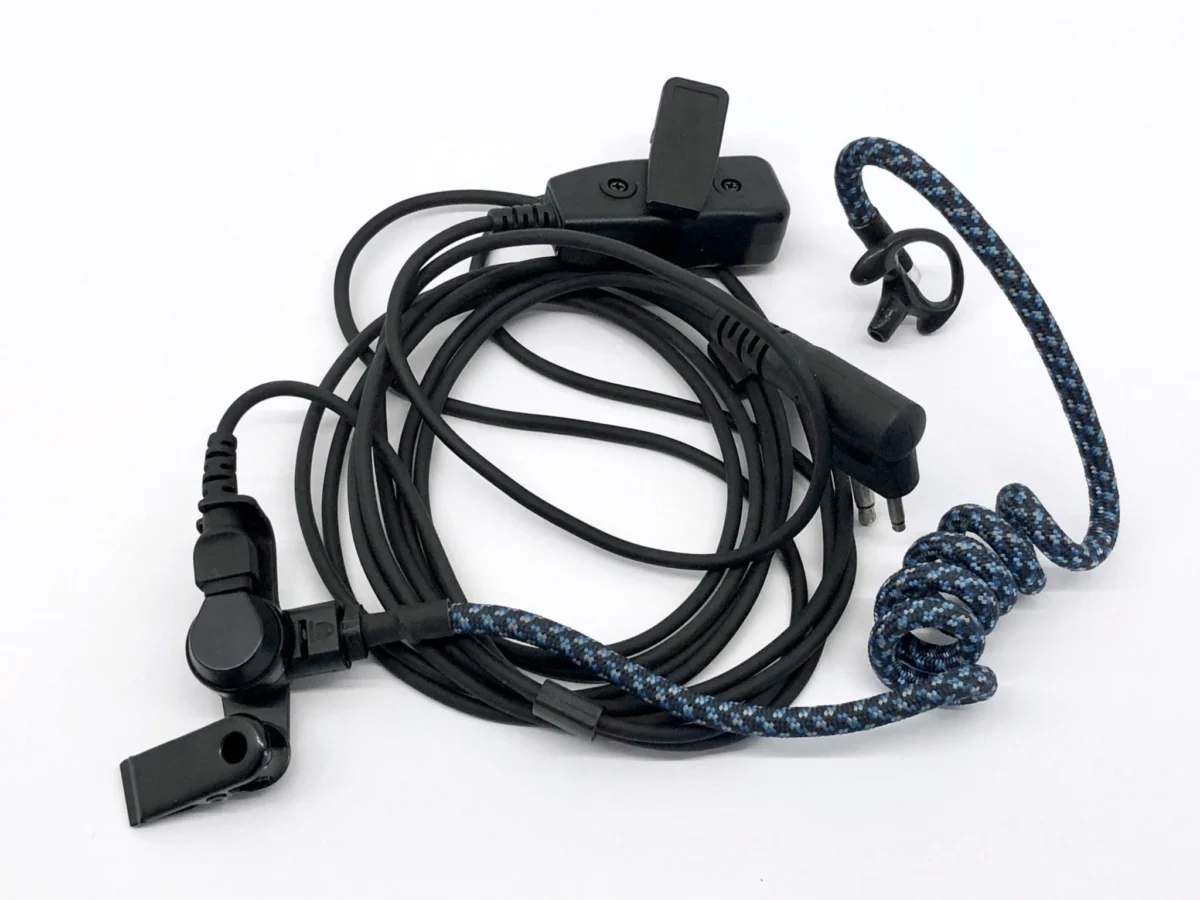
- Technology as a Bridge: The use of Eartec headsets and private walkie channels has become essential to eliminate the need for shouting across a set, which only serves to spread droplets.
2. The Sanitization Paradox
A common mistake among junior crew is attempting to wipe down every piece of gear after every touch. This is mathematically impossible and leads to burnout.
- Strategic Disinfection: Focus on high-touch items (buttons, handles, viewfinders).
- The Rental House Responsibility: Ideally, the bulk of sterilization should occur at the rental house. ACs should prioritize personal hygiene—constant use of hand sanitizer—over obsessive cleaning of the equipment itself, which should be managed by the facility providing the kit.
3. Vetting Rental House Policies
It is no longer enough to check if a lens is sharp. You must ask: "What is your COVID-19 cleaning procedure?" Rental houses that do not have documented, rigorous disinfection processes represent a health liability to the entire production. Look for vacuum-sealed accessories and clear, transparent cleaning logs.
4. The Mandate for Wireless Everything
Wireless follow focus is now a baseline requirement. By moving the 1st AC away from the camera operator and the talent, you create a buffer zone that significantly reduces exposure. If the budget allows, remote heads and wireless video transmission are not just "nice to haves"—they are essential safety infrastructure.
5. Expanding the Video Village
The traditional "crowded" video village is a relic of the past. Productions should now budget for at least two to three monitors. This allows for:
- Main Monitor: For the operator and DIT.
- Ancillary Monitor: For hair, makeup, and art department to view framing without hovering over the primary focus station.
6. Personal Protective Equipment (PPE)
While production is mandated to provide supplies, self-reliance is the mark of a professional. Bring your own high-quality, multi-layer masks and a personal supply of surface-safe disinfectant. Treat your kit as a self-contained unit to avoid the need to borrow or share items.
7. Resisting the "COVID-Discount"
There is a disturbing trend of producers using the pandemic as a leverage point to lower day rates or cut necessary crew positions.
- The "Hazard" Fallacy: Some productions have attempted to frame lower pay as a "COVID-rate."
- Protecting Crew Integrity: Maintaining a standard rate and refusing to work on under-crewed sets—where you are expected to do the work of three people—is essential for the long-term health of the industry.
8. Streamlining the Prep
Prep days should be restricted to the minimum number of people. If the DP can supervise remotely, they should. Reducing the density of the prep bay is the first line of defense in ensuring the equipment arrives on set clean and uncontaminated.
9. Managing the Follow Focus
Avoid "spit-and-wipe" habits. Use professional cleaning solutions like Pancro to remove marks from focus rings. It is cleaner, safer, and faster.
10. Monitor Discipline
If you must walk away from your focus monitor, turn it off. It prevents other crew members from crowding the station and "breathing" on your screen, which helps maintain your personal physical boundary.
11. Adapting Slating Techniques
Slating is often the moment of closest proximity between camera and talent. Coordinate with the Assistant Director (AD) to slate while the actor is masked, or pan away from the talent to mark the slate, minimizing the need for the 2nd AC to be inches away from an unmasked face.
12. Minimizing the "Kit" Footprint
The less gear you bring, the less you have to manage, clean, and protect. Optimize your kit to only what is necessary for the specific shoot.
Official Responses and Industry Guidelines
Major bodies including SAG-AFTRA, the CDC, and the WHO have provided the framework for these changes. Most production companies have integrated these guidelines into their "Return to Work" agreements. These documents are not suggestions; they are the contractual basis upon which the industry currently operates. Always read your liability waivers carefully, as they are now a standard part of the onboarding process.
Implications for the Future
The pandemic has accelerated the digitization of the film set. While the social aspect of filmmaking—the "huddle" around the monitor—has been curtailed, the result is a more disciplined, technology-driven approach. For the camera assistant, this means an evolution in the role: you are no longer just a technician of optics and mechanics; you are now a steward of a complex, sanitized, and highly regulated environment.
As we continue to navigate these changes, the goal remains the same: to capture the image with precision and artistry. By adopting these twelve protocols, camera assistants can ensure that they remain not only effective in their craft but also safe in their practice. The industry has changed, and those who adapt to these new realities will be the ones who continue to define the visual language of the future.
