Inside Springfield’s Nightmare: How The Simpsons Built a Stop-Motion Tribute to Henry Selick for "Treehouse of Horror XXXVII"
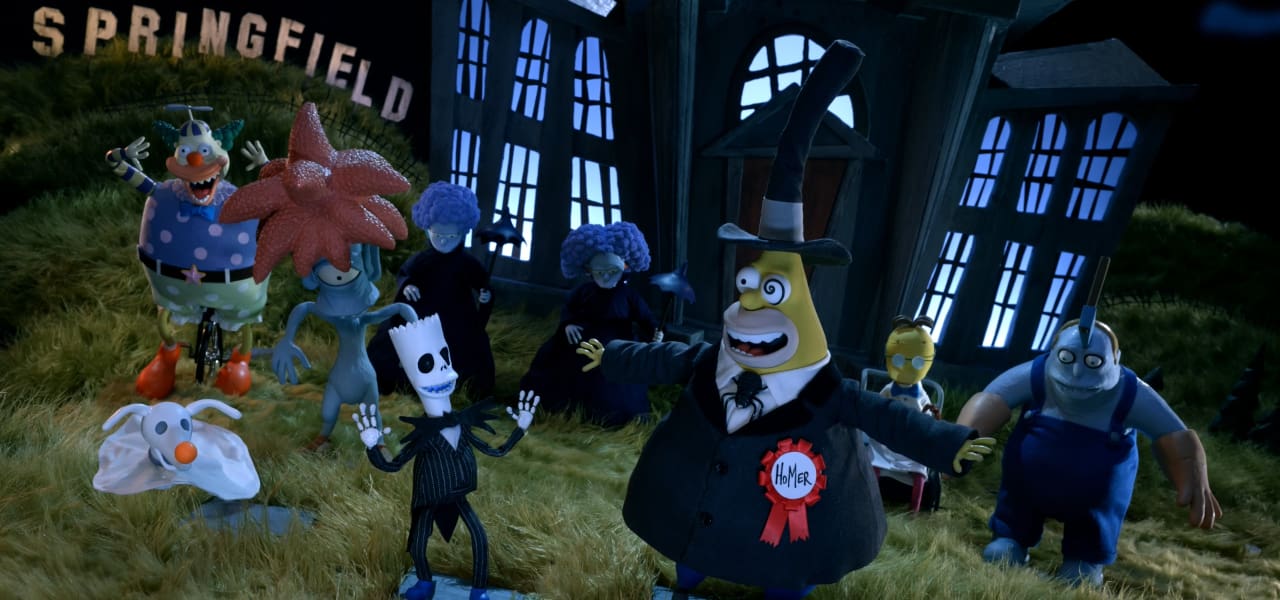
As The Simpsons marches into its historic 38th season, the animated institution continues to prove that even after nearly four decades on the air, it can still reinvent its visual grammar. Four episodes into the current broadcast run, the series delivered its annual Halloween tentpole: "Treehouse of HorrorXXXVII." Premiering on October 25 on Fox before arriving on Hulu for streaming, the latest installment leans heavily into handcrafted terrors, headlined by a bespoke stop-motion cold open that pays meticulous homage to HenrySelick’s 1993 stop-motion masterpiece, The Nightmare Before Christmas.
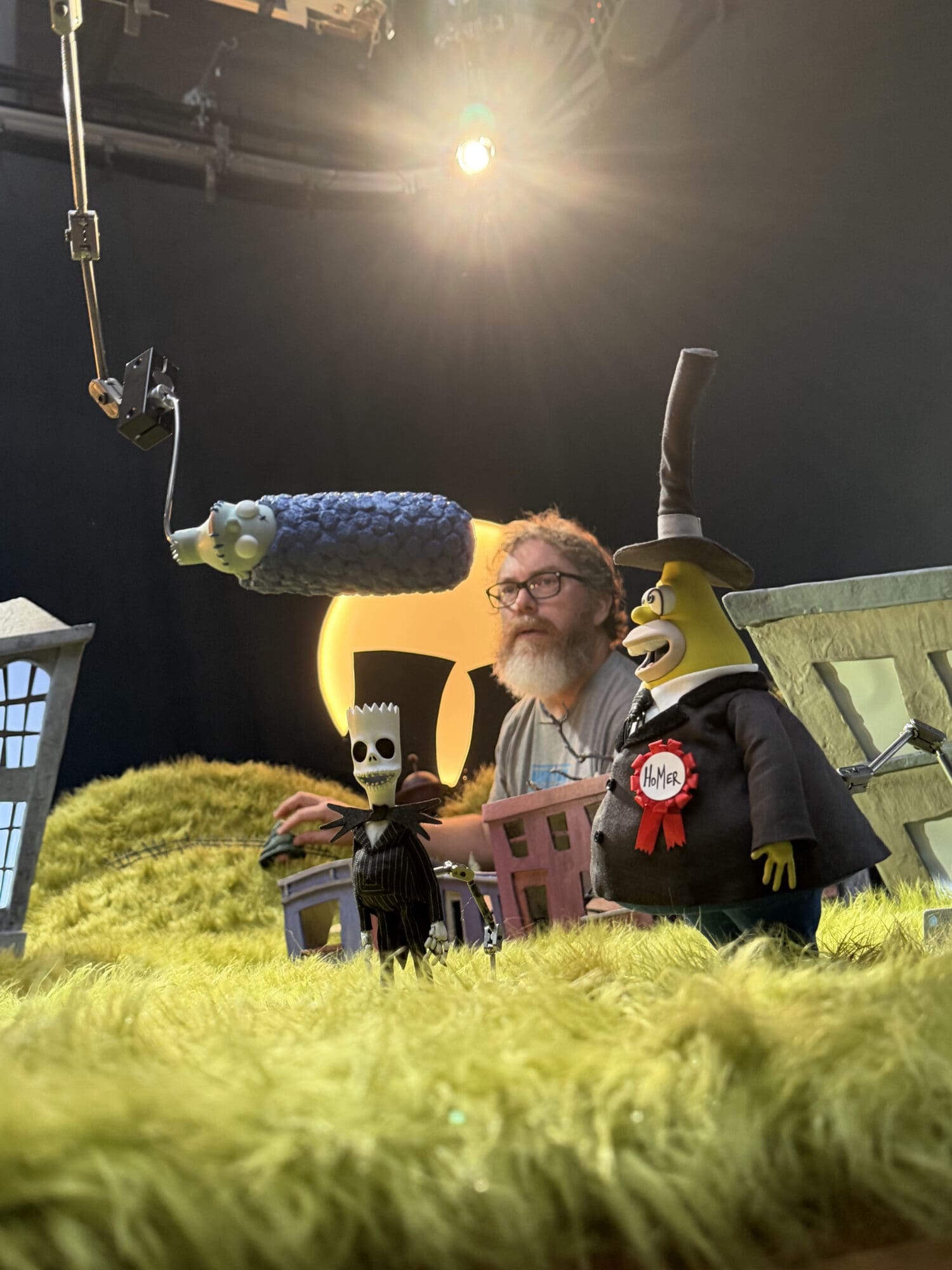
Produced by co-showrunner Tim Long and directed by John Harvatine of the Burbank-based animation powerhouse Stoopid Buddy Stoodios—in close collaboration with veteran Simpsons director David Silverman—the special balances contemporary satirical bite with a profound reverence for tactile, physical filmmaking.
Main Facts: A Convergence of Icons
"Treehouse of Horror XXXVII" continues a recent tradition for The Simpsons: treating the annual Halloween special not merely as a collection of spooky segments, but as a playground for diverse animation styles.
The Structure: The episode opens with a stop-motion sequence styled after The Nightmare Before Christmas, complete with original Simpsons-centric parody lyrics set to Danny Elfman’s iconic "This Is Halloween" theme. Following the cold open, the episode transitions into three traditionally animated segments: "Bride’s Shed Revisited," "Dog Boy Afternoon," and "Vehicular Dad Slaughter."
The Creative Team: The special was spearheaded by co-showrunner Tim Long—a veteran of the writers’ room with nearly 30 years on the series—alongside staff writers Joel H. Cohen and Jessica Conrad.
External Collaborators: The stop-motion sequence was crafted by Stoopid Buddy Stoodios, with John Harvatine directing alongside Simpsons veteran David Silverman. Guest stars include Survivor host Jeff Probst, who lends his voice and likeness to one of Marge’s alternate-universe husbands.
Cultural Weight: The Treehouse of Horror franchise remains one of Fox’s most durable ratings engines, traditionally commanding a significantly larger audience than standard season episodes, placing immense pressure on the writers and animators to elevate the creative bar year after year.
Chronology: From 2024 Seed to October 2026 Premiere
The realization of "Treehouse of Horror XXXVII" was a multi-year collaborative effort between the traditional animation pipeline in Los Angeles and the physical workshop spaces of Stoopid Buddy Stoodios.
The Seed (2024)
The idea for a Nightmare Before Christmas crossover was first floated by executive producer Matt Selman back in 2024. At the time, Stoopid Buddy Stoodios was wrapping up stop-motion work on an earlier Treehouse of Horror segment titled "Denim." Because the pitch was in its absolute infancy, formal discussions were shelved as the series focused on its immediate production slate.
The Revival (Three Months Prior to Broadcast)
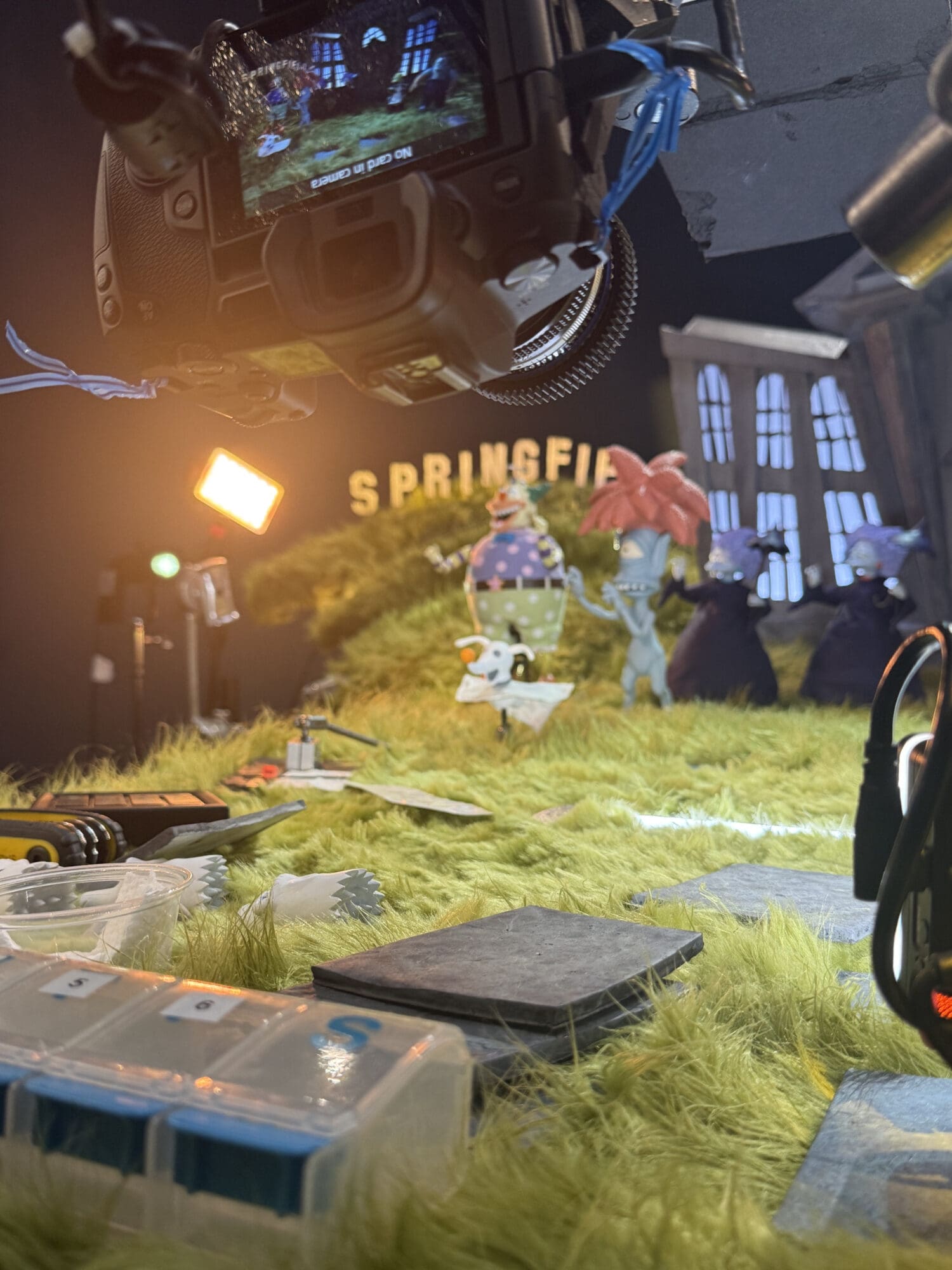
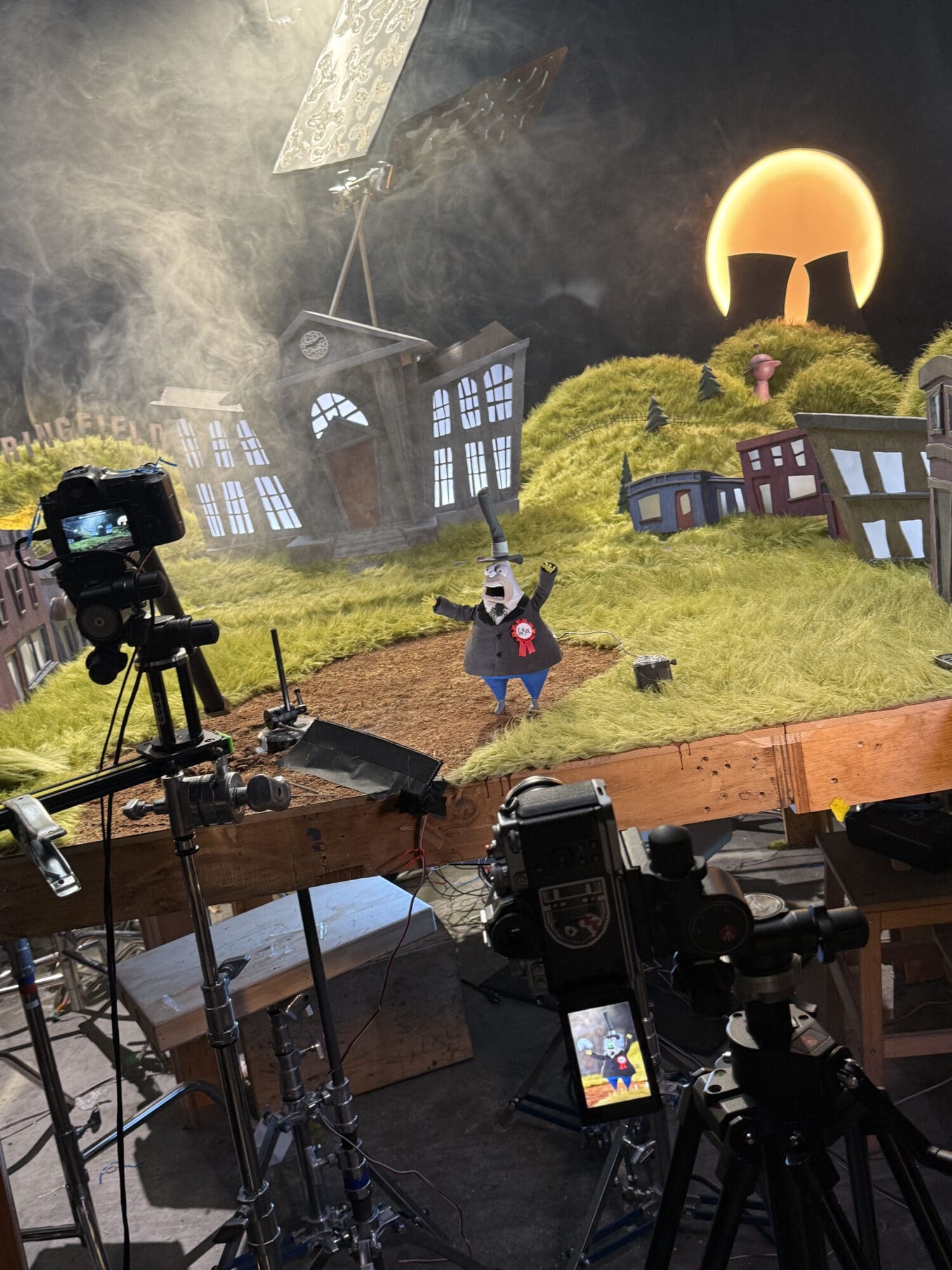
Roughly three months before the October 25, 2026 premiere, the creative team revisited Selman’s pitch. Tim Long and the writers developed a loose animatic and lyrical parody of "This Is Halloween," which was handed over to Stoopid Buddy to establish set designs, lighting schemes, and puppet fabrication requirements.
On-Site Collaboration
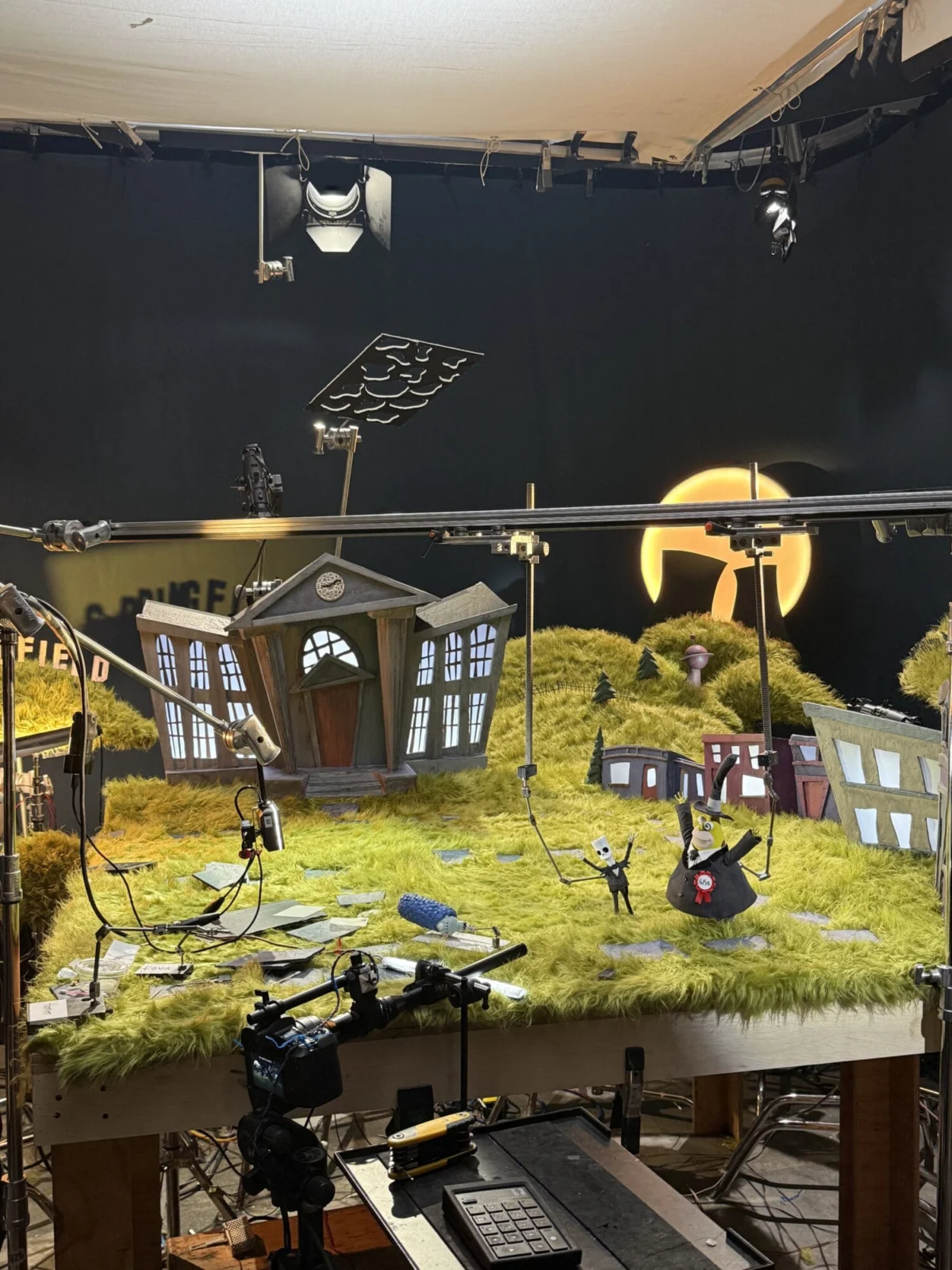
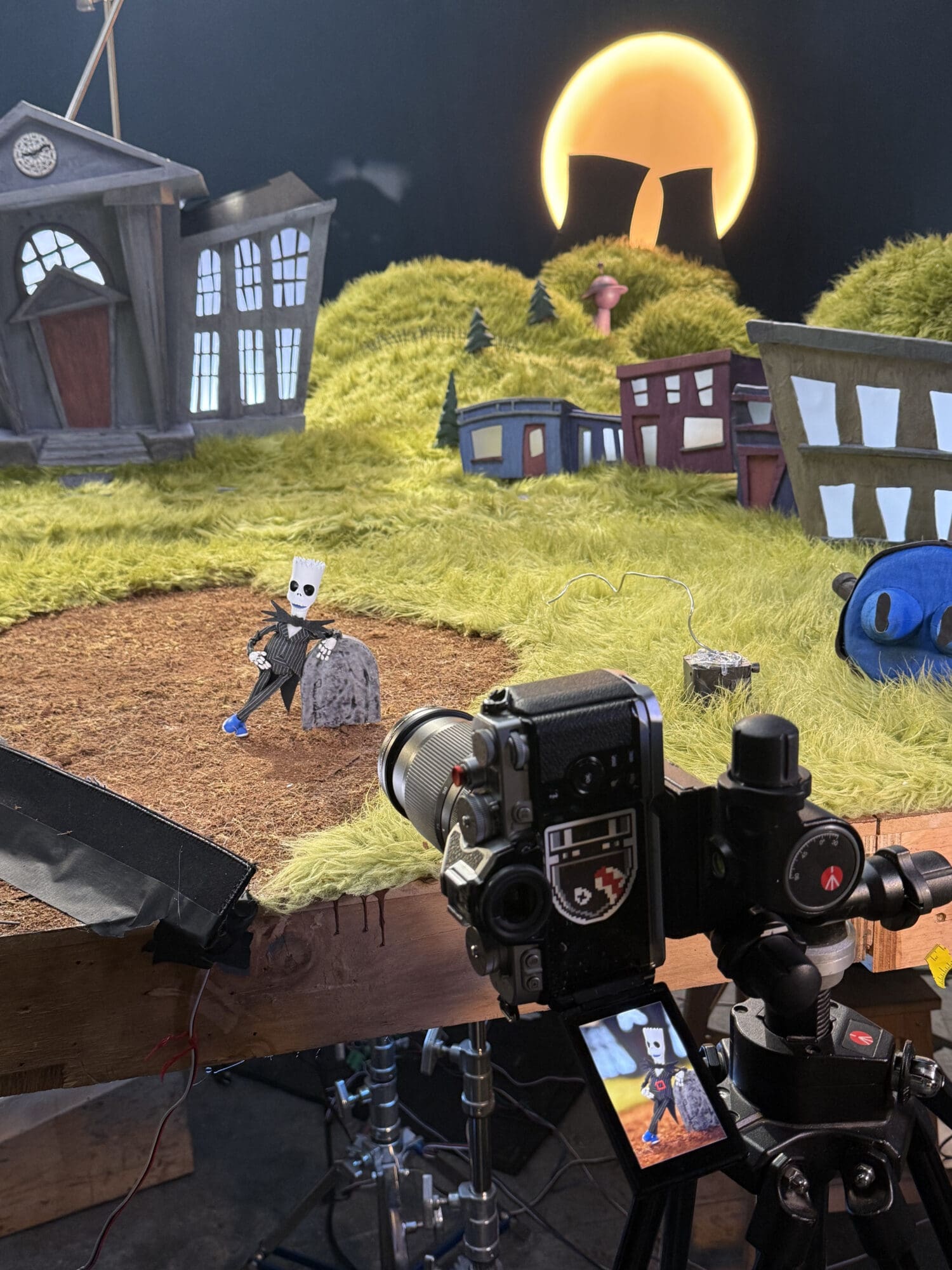
Veteran Simpsons director David Silverman traveled to Stoopid Buddy Stoodios to work directly with Harvatine and his sculpting teams. Rather than a protracted translation phase, Silverman rapidly sketched character adaptations on-site, allowing the puppet department to begin immediately on translating 2-dimensional Springfield residents into 3D, posable armatures.
Fabrication and Delivery (Weeks Leading to October)
The puppet department faced an intense crunch to fabricate 16 individual puppets, complete with duplicates, hand-sewn costumes, and clay-sculpted typography. The grueling physical production culminated in time to lock the episode for its October 25, 2026 broadcast on Fox and subsequent streaming release on Hulu.
Supporting Data & Production Breakdown: Building Springfield in Clay and Felt
Bringing The Simpsons into the world of German expressionist angles and stop-motion textures required solving unprecedented technical hurdles under a compressed timeline.
The Puppet Department’s Burden
The Stoopid Buddy team had to manufacture 16 distinct characters, constructing backups for every primary puppet to withstand the rigors of physical manipulation under hot studio lights.
Costuming: Every costume was meticulously hand-sewn by a specialized team of five to six costume artists working in parallel with sculptors.
Armatures: Many puppets were built without traditional tie-down systems, forcing animators to rely on balance and performance rather than mechanical floor tethers. Harvatine explicitly instructed his animators to "go big, go bold," prioritizing emotional performance over rigid technical constraints.
The Claymation Title Cards
Adding to the physical aesthetic, the title sequence features opening text constructed entirely out of clay-sculpted worms.
Initially, the production considered a safer backup plan: creating a mechanical mold to mass-produce the worm letters the "old-fashioned way."
Because the animation schedule tracked ahead of time in its final weeks, the team retained an animator to hand-sculpt the letters and execute an elaborate "splat" ending.
Sharp-eyed viewers who freeze-frame the title sequence’s chaotic flying elements can spot hidden Simpsons Easter eggs embedded by the animators, celebrating the tactile imperfections, fingerprints, and rawness of traditional stop-motion.
Official Responses: Behind the Creative Decisions
Speaking with Cartoon Brew, the creative leadership behind "Treehouse of Horror XXXVII" detailed the pressures of upholding a 37-year-old horror tradition and the creative philosophy driving each segment.
Tim Long on the Legacy of Treehouse of Horror
Acknowledging his nearly three decades with the show, Long admitted that helming the Halloween special carries a unique psychological weight.
"It’s a little daunting because there is this incredible tradition that we have to uphold, and it’s always a very prominent episode in our schedule," Long explained. "Apparently, it gets way more viewers than almost any other episode, so you’ve got to bring the goods. Plus, there’s also this tradition now that we want to do something different animation-wise."
Long noted that the writers actively avoid leaning on cheap, direct parodies of the latest cinematic horror releases, preferring organic concepts. His own segment, "Vehicular Dad Slaughter," was born from vintage driver’s education scare films from the mid-20th century. Realizing that long-time DMV employees Patty and Selma had never served as the primary antagonists in a Halloween special, the narrative locked into place.
Matt Groening’s Mandate and Jessica Conrad’s "Dog Boy Afternoon"
Staff writer Jessica Conrad’s segment, "Dog Boy Afternoon," was directly inspired by a directive from series creator Matt Groening.
"He wanted to get back to the days when the Halloween episodes are genuinely scary," Long noted.
The resulting story channels Stephen King’s Pet Sematary via Santa’s Little Helper. The segment features unflinching, visceral dark comedy—such as Homer taking a shovel directly to Bart’s head and a chaotic sequence where a pack of dogs turns on Homer.
Joel H. Cohen’s Multiverse Twist
Rounding out the traditional segments, Joel H. Cohen penned "Bride’s Shed Revisited," a narrative riff on Holly Gramazio’s sci-fi novel The Husbands. In this iteration, Marge discovers their backyard shed serves as a cosmic portal to alternate dimensions where she is married to various men instead of Homer. Among these alternate spouses is Survivor host Jeff Probst. Long emphasized that they deliberately avoided casting a generic Hollywood "hunk," opting instead for a figure Marge would find genuinely compelling and grounded.
John Harvatine on Collaborating with David Silverman
Reflecting on the stop-motion production at Stoopid Buddy Stoodios, Harvatine praised the swift synergy between the traditional Simpsons animation camp and the stop-motion craftspeople. Working side-by-side with David Silverman eliminated traditional communication bottlenecks.
"We sat with him, and I thought it would take a while to figure out how to get all these characters right," Harvatine said. "Pero pretty quickly, he had his little sketch pad and would throw ideas out and did it pretty fast."
Implications: The Evolution of Animation Hybridization in Modern Television
The success and cultural footprint of "Treehouse of Horror XXXVII" highlight broader shifts in how legacy animated series maintain relevance in a crowded, prestige-television landscape.
The Value of Artisanal Craft in a Digital Age: By investing in physical, stop-motion animation via Stoopid Buddy Stoodios, The Simpsons taps into viewer nostalgia while celebrating tactile artistry—fingerprints, clay imperfections, and hand-stitched seams—that digital vector animation cannot replicate.
Event Television Longevity: The Treehouse of Horror brand continues to function as an experimental sandbox. By consistently introducing high-profile aesthetic departures (ranging from anime parodies and claymation to 3D CGI and now Henry Selick-style stop-motion), the production team successfully converts standard syndication viewers into live-event appointment watchers.
Cross-Studio Collaboration: The seamless integration of veteran Simpsons directors like David Silverman into specialized external studios demonstrates a maturing collaborative model in American animation, proving that 2D giants and stop-motion boutique houses can successfully merge workflows without sacrificing the integrity of either medium.
As The Simpsons pushes deep into its fourth decade, Springfield proves that it is more than willing to step out of its traditional yellow frame and into the shadows of stop-motion artistry, ensuring its Halloween legacy remains as sharp and terrifying as ever.