
Dissecting DC’s Descent: A Critical Review and Industry Analysis of the 2026 Body-Horror Feature Clayface

Main Facts
The cinematic landscape of DC adaptations shifted once again with the 2026 theatrical release of Clayface, a gritty, villain-centric body-horror film directed by James Watkins. Moving away from the standard superhero template, the film stars Tom Rhys Harries as Matt Hagen, a rising Hollywood actor whose life and career implode following a brutal assault. The supporting cast features a robust ensemble including Naomi Ackie, Eddie Marsan, Max Minghella, David Dencik, Francesca Corney, Ruby Sear, Wil Coban, Joshua James, Jake Curran, Nancy Carroll, Olivia-Mai Barrett, Sonita Henry, Adam Silver, Rob Brydon, Joana Ribeiro, and Emily Florence.
The plot traces Hagen’s desperate pivot to experimental nanotechnology spearheaded by an underfunded scientist, Caitlyn Corr (played by Naomi Ackie). While the procedure ostensibly heals his mangled face, it introduces a horrific mutation: moments of high stress, anger, or emotional turbulence cause his skin and physical form to destabilize, sloughing off like liquid clay. Soon, Hagen discovers he can morph his appearance to mimic others, sparking a campaign of vengeance against those who wronged him in the cutthroat environment of Gotham City’s elite acting circles. Despite its unique tonal ambitions and a script partially shaped by genre writer Mike Flanagan, Clayface has polarized audiences and critics alike, drawing severe critiques for its muddled narrative choices, timid execution of the body-horror genre, and questionable character motivations.
Chronology of Development and Release
The journey of Clayface to the silver screen reflects DC’s ongoing strategy to diversify its cinematic portfolio by isolating individual rogue gallery members into distinct genre exercises.

- Pre-Production and Creative Assembly: DC Studios greenlit the project with an eye toward psychological and body horror, recruiting director James Watkins—known for The Woman in Black and the remake of Speak No Evil—to helm the feature. Screenwriter Mike Flanagan was brought on board to establish the narrative framework, setting the story within the glamorous yet toxic underbelly of Gotham’s entertainment industry.
- Casting and Principal Photography: Casting announcements rolled out through late 2024 and 2025, securing rising star Tom Rhys Harries to anchor the film alongside Naomi Ackie and Max Minghella. Principal photography took place under strict secrecy, emphasizing practical effects mixed with digital enhancements to bring the iconic Batman villain to grounded, live-action realism.
- Marketing and Trailer Debuts: Throughout early and mid-2026, promotional rollouts—including character posters and teasers released in April and September 2026—signaled a stark departure from traditional comic-book blockbusters. The marketing heavily leaned into psychological tension, body transformation, and neo-noir aesthetics.
- Theatrical Premiere: Clayface debuted in theaters to immediate scrutiny, inviting heavy debates regarding its narrative structure, genre commitment, and its place within the broader, shifting ecosystem of comic book adaptations.
Supporting Data and Production Overview
To understand the scale and stylistic choices behind Clayface, examining the production metrics and creative pedigree provides crucial context:
- Release Year: 2026
- Director: James Watkins
- Key Screenwriting Contributions: Mike Flanagan
- Primary Cast:
- Tom Rhys Harries (as Matt Hagen)
- Naomi Ackie (as Caitlyn Corr)
- Max Minghella (as John Borelli)
- Supported by Eddie Marsan, David Dencik, Rob Brydon, and an extensive ensemble cast.
- Genre Classification: DC Villain / Body Horror / Psychological Thriller
- Critical Reception Summary: Initial critical consensus points toward an identity crisis. While praised for attempting a standalone villain focus, critics have flagged structural pacing issues, a timid approach to graphic special effects, and undercooked social commentary regarding fame, identity, and modern grievance politics.
Official Responses and Creative Intentions
Neither DC Studios nor director James Watkins has shied away from the risk inherent in stripping the superhero entirely out of a Batman-universe narrative. In early promotional junkets, the creative team emphasized a desire to humanize monsters and explore the psychological rot of celebrity culture.
Watkins reportedly sought to ground the transformation of Matt Hagen not in mystical comic book chemicals, but in a twisted intersection of modern biotechnology and unchecked human desperation. By casting Naomi Ackie as the ethical anchor of the film—a scientist caught between her professional ambitions and moral boundaries—the production aimed to inject emotional resonance into a narrative otherwise dominated by betrayal and vengeance.
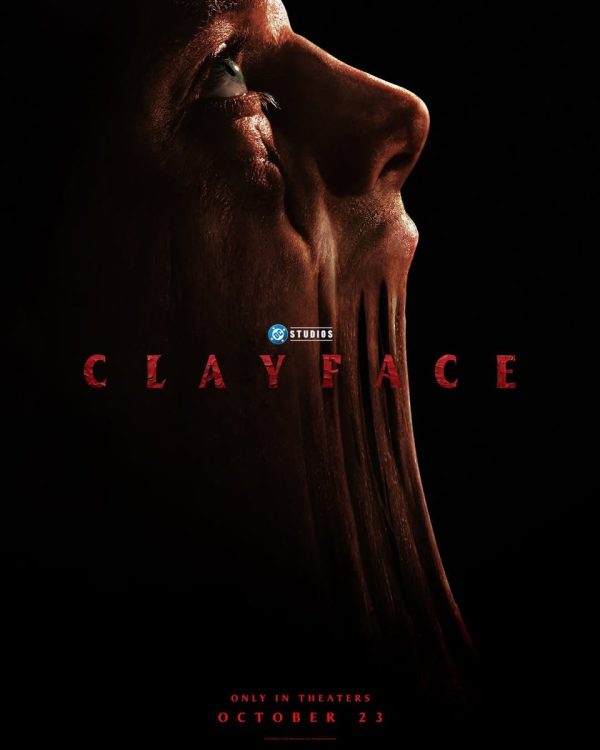
However, audience and critical feedback has challenged these artistic choices. Reviewers have pointed out that while the intent was to craft a nuanced character study about a man losing his humanity, the execution frequently stumbles into tone-deaf territory. The narrative decision to cast Hagen as a victim of fabricated allegations by a mob-connected associate’s partner has drawn sharp disapproval from cultural critics, who argue the script leans into clumsy, unearned tropes without offering meaningful commentary or narrative justification. Furthermore, the decision to pull back on the visceral, graphic potential of body horror has left horror purists wanting more from a premise explicitly built on physical disintegration.
Implications for the Future of DC Adaptations
The release and reception of Clayface carry significant weight for the strategic direction of DC’s film slate. For years, studio executives have toyed with the idea of standalone character studies—most notably proven by the massive financial and cultural footprint of Todd Phillips’ Joker. However, Clayface demonstrates the critical tightrope walk required when scaling down from franchise tentpoles to niche genre experiments.
1. The Risk of Genre-Bending Without Commitment
One of the primary takeaways from Clayface is the danger of generic dilution. By billing the film as a body-horror vehicle but ultimately shying away from the visceral, boundary-pushing elements characteristic of the subgenre, the production alienated horror enthusiasts while failing to satisfy traditional comic book fans. For future standalone villain projects to succeed, DC must empower filmmakers to commit fully to their chosen genre rather than leaning on conservative studio compromises.

2. Narrative Precision in Standalone Stories
Without a caped crusader to anchor the narrative or provide moral opposition, character-driven villain films must rely entirely on the psychological depth of their protagonists. Critics have noted that Matt Hagen’s arc devolves into unconvincing, whiny grievance rather than a tragic, Shakespearean descent into monstrosity. Future screenwriters in this shared universe will need to craft sharper, more self-aware characterizations to ensure audiences sympathize with—or at least find compelling—the central figures of darkness.
3. Fan and Critical Fatigue
As cinematic universes expand and contract, audience patience for underwhelming storytelling wears thin. The lukewarm reception of Clayface—capped off by an unearned third-act twist—feeds into a growing narrative that DC’s broader slate lacks consistency. If the studio hopes to build long-term momentum and maintain viewer trust, future entries will need to elevate their scripts to match their high-concept premises.
Ultimately, Clayface will likely be remembered as a bold experiment that missed its mark—a cautionary tale of what happens when a promising premise, a talented cast, and unique stylistic ambitions are undercut by timid writing and uneven execution. Whether DC can course-correct from these stumbles will depend entirely on how the studio listens to the lessons of Gotham’s latest, and perhaps most disappointing, fallen star.
