
Beyond the Arcade: Why Andrew Schulz’s Casting as Dan Hibiki in the 2026 ‘Street Fighter’ Movie Is Turning Heads
Main Facts: The Evolution of Adaptation and Comedy in the 2026 Film
Paramount Pictures’ Street Fighter, directed by Kitao Sakurai, has arrived in theaters to a polarized reception. Eschewing the gritty, militaristic, or straightforward martial arts tone that some purists anticipated following the endearingly campy 1994 live-action adaptation directed by Steven E. de Souza, Sakurai’s 2026 film leans heavily into absurdist comedy. Populated not only by dedicated martial arts performers but also by prominent comedic talents like Eric André, Kyle Mooney, and Andrew Schulz, the movie amplifies the eccentricities of Capcom’s iconic fighting game franchise.
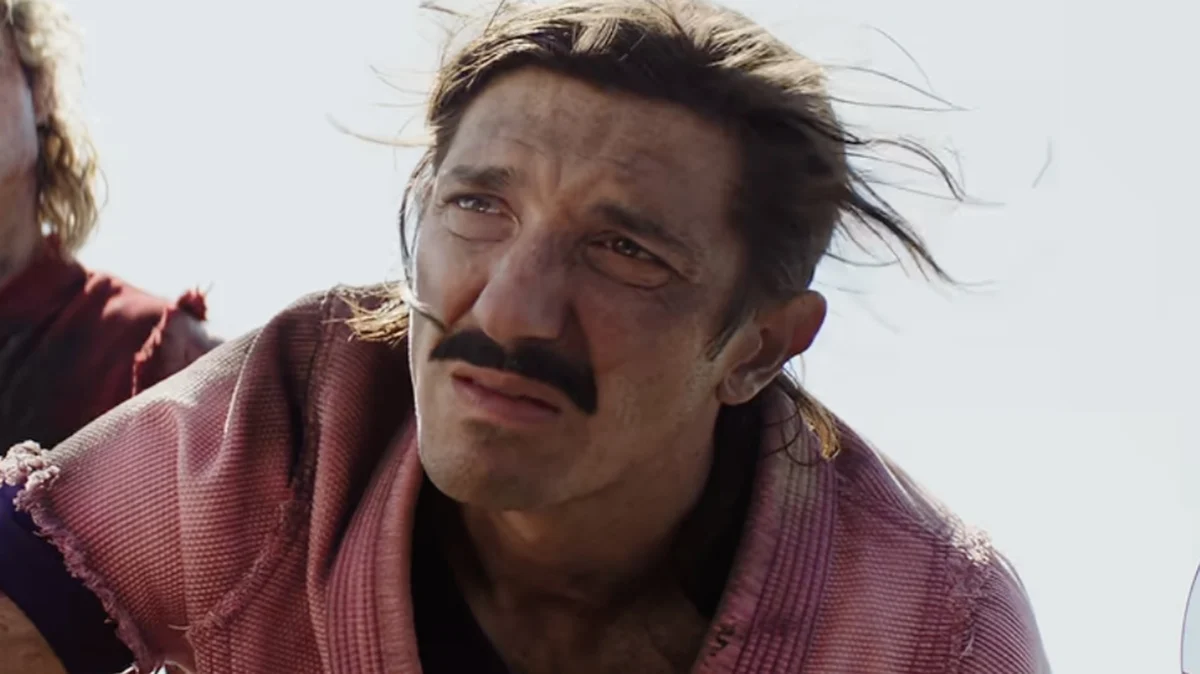
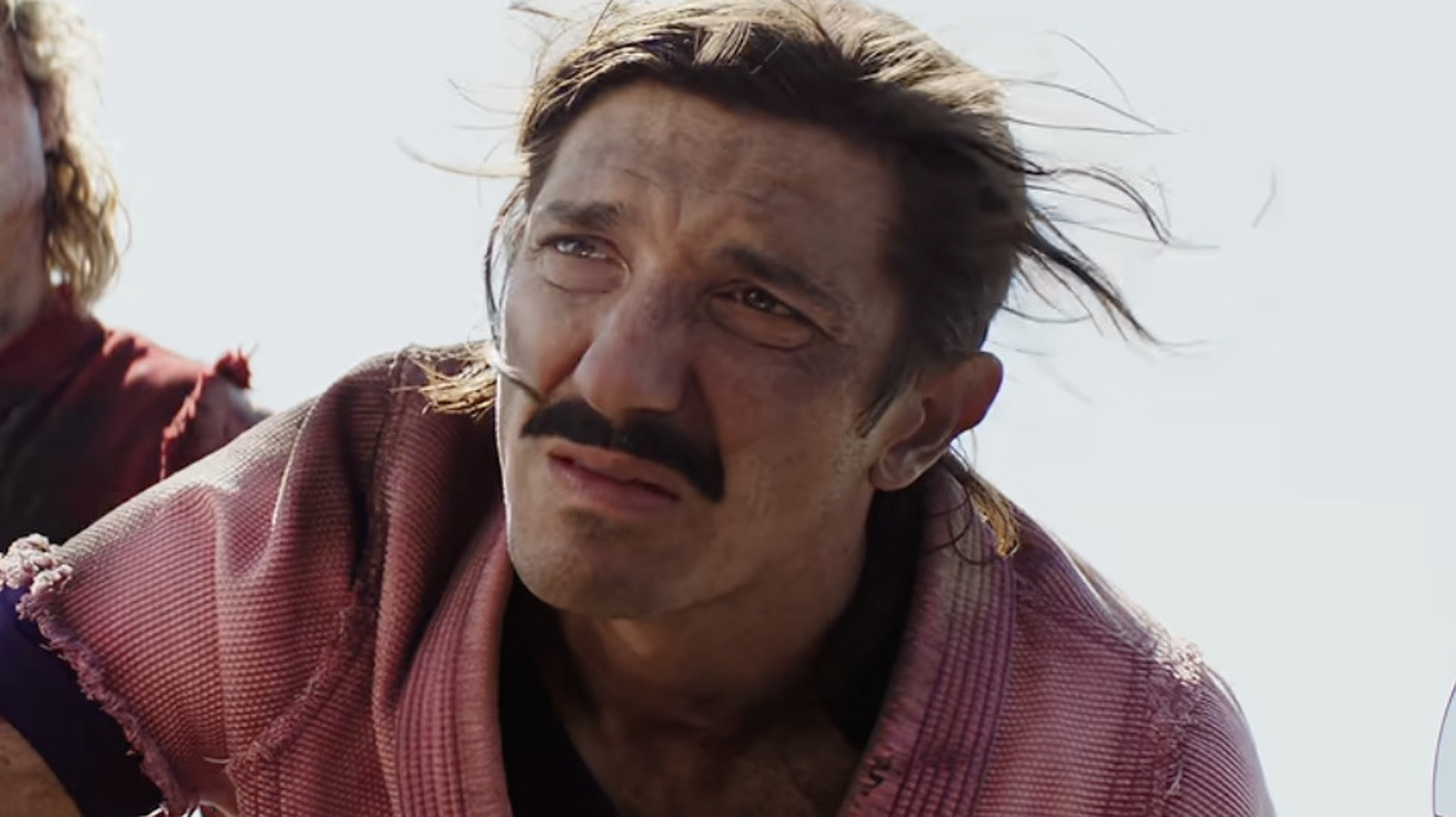
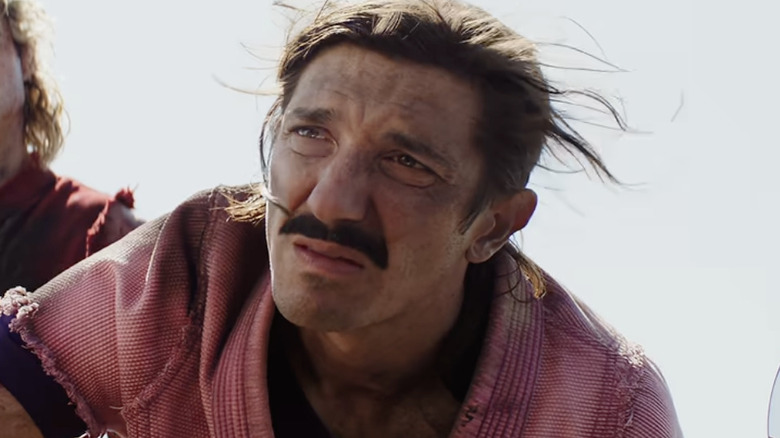
Among the film’s most talked-about casting choices is stand-up comedian and podcaster Andrew Schulz, who steps into the oversized pink gi of Dan Hibiki. Originally introduced in Capcom’s Street Fighter Alpha (1995) as a parody of rival SNK characters Ryo Sakazaki and Robert Garcia from Art of Fighting, Dan is legendary in gaming lore as the ultimate underperformer—overconfident, perpetually outmatched, and defined by his comically ineffective "Saikyoryu" fighting style.
In Sakurai’s feature film, Schulz’s Dan Hibiki serves as the manager and perpetual hype-man to Ken Masters, portrayed by Noah Centineo. Despite being billed lower down the credits, Schulz commands a surprisingly substantial narrative footprint. His on-screen dynamic with Centineo forms a core comedic spine of the picture, anchoring scenes that alternate between generating genuine amusement from fans and drawing criticism from those wishing the runtime was dedicated to the franchise’s deeper bench of martial arts legends.
Beyond the box office and the silver screen, however, Schulz’s inclusion has sparked widespread cultural discourse. Known just as much for his viral stand-up specials, his controversial podcasting ecosystem, and frequent social media spats as he is for his burgeoning Hollywood career, Schulz brings a heavy dose of real-world baggage to a fictional universe already struggling to find its footing with mainstream critics.
Chronology: From Underground Podcaster to Mainstream Blockbuster Casting
To understand how Andrew Schulz landed a major supporting role in a major studio video game adaptation, it is necessary to chart his rapid rise through modern media ecosystems:
- The Early Years and Traditional Stand-Up: Schulz first gained visibility as a cast member on MTV2’s Guy Code and through the early days of New York’s competitive stand-up comedy scene.
- The Podcast Boom (Mid-2010s): Recognizing the shift in digital media consumption early on, Schulz co-founded The Brilliant Idiots podcast alongside media personality Charlamagne Tha God, quickly carving out a niche for unfiltered, conversational, and often boundary-pushing commentary.
- The Independent Stand-Up Revolution (2018–2022): Frustrated by traditional television gatekeepers, Schulz famously self-released his comedy specials directly to YouTube, pioneering a direct-to-consumer monetization and distribution model that amassed millions of subscribers and millions of views per special.
- Expansion into Digital Media Networks (Flagrant): Schulz expanded his digital footprint by transforming his Flagrant 2 podcast (later shortened to Flagrant) into one of the most-watched comedic video podcasts on the internet, frequently hosting high-profile athletes, internet personalities, and politicians.
- The Hollywood Pivot (2024–2026): Leveraging his massive digital audience, Schulz began transitioning steadily into traditional film and television acting. In addition to securing the role of Dan Hibiki in Paramount’s 2026 Street Fighter movie, Schulz has booked roles in high-profile upcoming projects, including Joseph Kosinski’s Miami Vice ’85 and Gavin O’Connor’s sports drama Running.
- The 2026 Street Fighter Release: With the film’s premiere, Schulz’s performance as Dan Hibiki cements his presence in major studio blockbusters—while simultaneously reigniting scrutiny regarding his past controversies.
Supporting Data: Box Office Performance, Casting Logistics, and Critical Reception
The financial and critical reception of Street Fighter (2026) paints a complex picture of a studio trying to balance nostalgic fan service with modern comedic sensibilities.
Box Office and Audience Metrics
While early studio projections hoped for a viral crossover smash akin to recent video game adaptations like The Super Mario Bros. Movie or Sonic the Hedgehog, Street Fighter has had a more muted theatrical run. Industry analysts attribute the soft box office performance to a disconnect in tone:
- Tone Mismatch: Audiences seeking a high-octane martial arts tournament thriller have found themselves navigating a chaotic comedy populated by internet-era personalities.
- Character Allocation: Data from fan exit polls suggests that while core gaming audiences enjoyed Easter eggs like Dan Hibiki’s signature taunts, many felt that prominent characters like Ryu, Chun-Li, and Guile were sidelined in favor of comedic subplots involving Ken Masters and his overbearing manager.
Schulz’s Professional Trajectory
Despite a polarized box office, Hollywood casting directors are clearly betting big on Schulz’s distinct persona and built-in internet audience:
- Streaming Dominance: Schulz’s Netflix specials and independent YouTube releases routinely pull in millions of unique viewers, a metric that studios increasingly weigh against traditional acting credentials when casting ensemble blockbusters.
- Multi-Project Slate: With roles secured in Miami Vice ’85 and Running, Schulz is actively transitioning from internet personality to studio-vetted character actor, signaling a broader industry trend of importing digital influencers directly into franchise filmmaking.
Official Responses and Public Reactions: Controversy Follows the Comic
Few modern comedians generate as polarized a public response as Andrew Schulz. His entry into the Street Fighter universe has amplified ongoing debates regarding his comedic style, political commentary, and public missteps.
Stand-Up and Podcast Controversies
Schulz’s brand of crowd-work-heavy, unapologetic street comedy has frequently landed him in hot water. Critics have targeted several aspects of his public persona:
- Racial and Gender-Based Material: Over the years, segments of Schulz’s stand-up and podcast episodes have drawn widespread condemnation from cultural critics and social media watchdogs for relying on insensitive tropes regarding race and gender dynamics.
- Political Interviews and Statements: In the lead-up to the 2024 political cycle, Schulz hosted Donald Trump on the Flagrant podcast. The interview drew intense scrutiny, which was further compounded by a remark in which Schulz joked that his electoral vote would hinge on "who gets the most p****"—a comment widely criticized in light of the former president’s legal history regarding sexual abuse and misconduct.
- High-Profile Callouts: Schulz’s cultural footprint is large enough to have drawn direct pushback from top-tier musical artists. Most notably, Pulitzer Prize-winning rapper Kendrick Lamar took an apparent jab at Schulz on the track "GNX," cementing the comedian’s polarizing status within the broader cultural zeitgeist.
Fan Reactions to Dan Hibiki
Within the gaming community, the reaction to Schulz playing Dan Hibiki has been a mixture of ironic appreciation and absolute bewilderment:
- The Purist Backlash: Hardcore fighting game fans who waited decades for a cinematic adaptation have questioned why a divisive internet comic was chosen to embody one of Capcom’s most beloved comedic relief characters.
- The Meta-Irony: Conversely, a faction of the fanbase has leaned into the casting choice, arguing that casting an inherently polarizing, loud-mouthed internet personality to play a character whose entire lore is built around being a loud-mouthed, overconfident meme is a stroke of accidental genius.
Implications: The Future of Video Game Franchises and Influencer Casting
The casting of Andrew Schulz in Street Fighter (2026) serves as a case study for where modern Hollywood is heading, highlighting several key implications for future franchise adaptations:
1. The Blurring Lines Between Streamers and Actors
As traditional box office returns face increasing volatility, studios are looking for built-in audience retention. By casting internet personalities with massive, highly engaged follower bases (such as Schulz, Eric André, and Kyle Mooney), studios are attempting to buy guaranteed social media impressions. However, as Street Fighter demonstrates, this strategy risks alienating core fanbases who prefer traditional dramatic or action-oriented performances over recognizable internet faces.
2. Franchising and the Post-Credits Horizon
Despite middling reviews and soft box office numbers, the 2026 film’s post-credits sequence explicitly sets the stage for a sequel. This guarantees that whether fans embrace or detest the creative direction, Andrew Schulz’s version of Dan Hibiki—and his chaotic dynamic with Ken Masters—will remain a fixture of the cinematic universe moving forward.
3. The Separability of Art and Artist in Franchise Media
For audiences who find Schulz’s off-screen controversies and podcast persona unpalatable, his prominent role in a major studio release forces a familiar modern dilemma: how to consume pop culture when a cast member actively alienates segments of the viewing public. As Hollywood continues to cross-pollinate traditional cinema with controversial digital creators, studios will increasingly have to weigh the viral marketing benefits of internet stars against the alienation of critical demographics.
Ultimately, whether viewed as an inspired piece of meta-casting or a baffling misstep, Andrew Schulz as Dan Hibiki ensures that Kitao Sakurai’s Street Fighter will be talked about—for better or worse—long after its theatrical run concludes.
