
Beyond the Mob: James Gandolfini’s Profoundly Human Turn in "Enough Said"
The sudden and tragic passing of James Gandolfini in 2013 sent shockwaves through Hollywood and beyond. At just 53, the actor left behind a legacy irrevocably shaped by his monumental portrayal of Tony Soprano, the complex and conflicted mob boss who redefined television anti-heroes. Yet, in the poignant romantic comedy Enough Said, Gandolfini delivered a performance that offered a breathtakingly different facet of his immense talent, showcasing a vulnerability and warmth that captivated audiences and proved his artistic range extended far beyond the confines of his most iconic role.
This article delves into the significance of Gandolfini’s performance in Enough Said, exploring the film’s premise, the actor’s remarkable departure from his established persona, the critical reception, and the enduring impact of this final, deeply human chapter in his cinematic journey.
The Premise: Navigating the Nuances of Middle-Age Romance
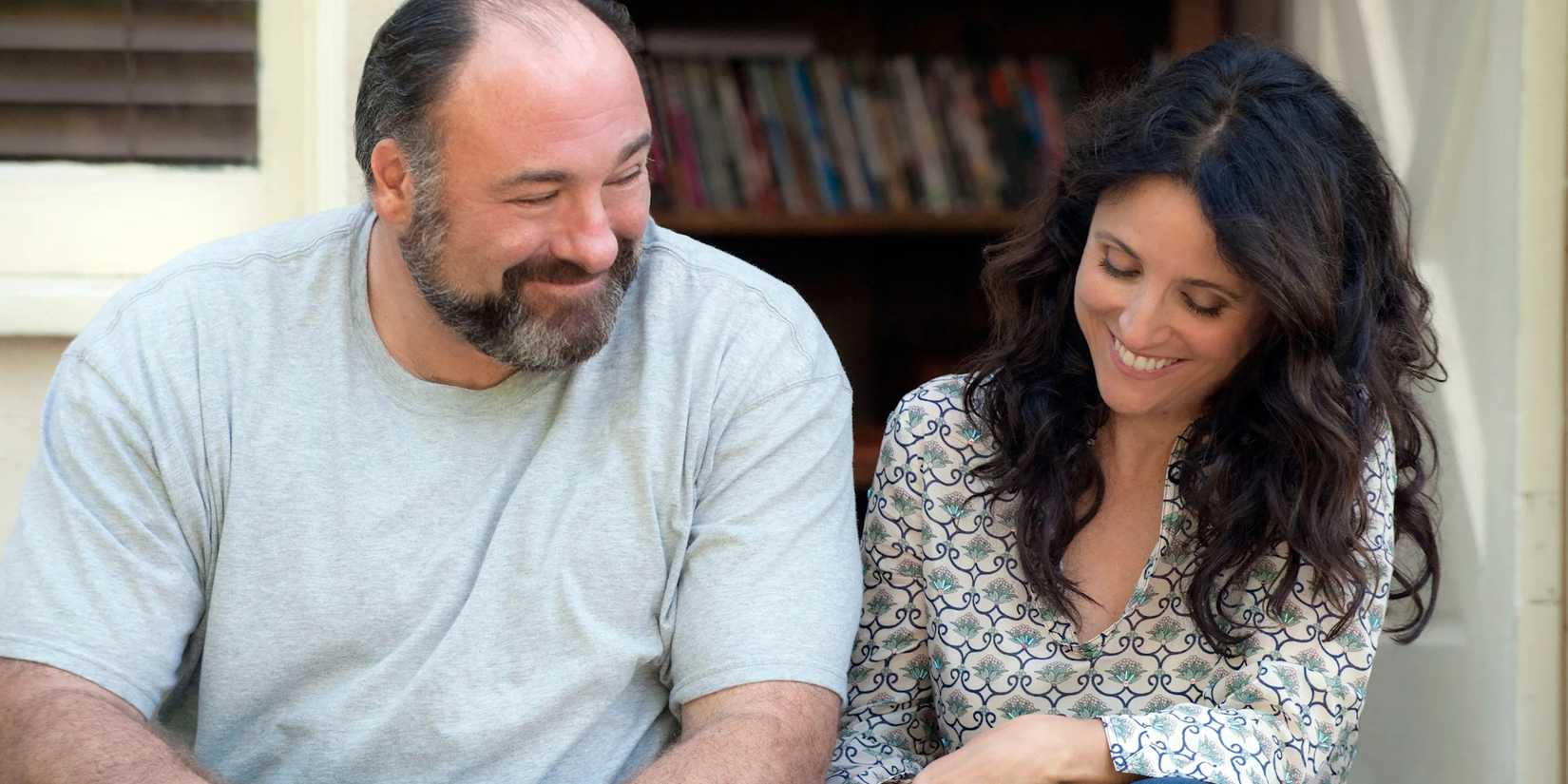
Written and directed by Nicole Holofcener, a filmmaker renowned for her astute observations of human relationships, Enough Said centers on Eva (Julia Louis-Dreyfus), a recently divorced woman grappling with the complexities of single parenthood and the daunting prospect of dating again. At a party, Eva meets Albert (James Gandolfini), a gentle and seemingly down-to-earth single father.
Despite an initial lack of overt romantic sparks – Eva finds Albert to be balding and somewhat out of shape – a connection begins to form. Holofcener masterfully eschews typical romantic comedy tropes, instead opting for a grounded and relatable portrayal of dating in middle age. The film charts the tentative steps of Eva and Albert’s burgeoning relationship, navigating the inherent awkwardness, insecurities, and the delicate dance of vulnerability that accompanies forming new emotional bonds later in life.
A Masterclass in Transformation: Gandolfini Sheds the Soprano Skin
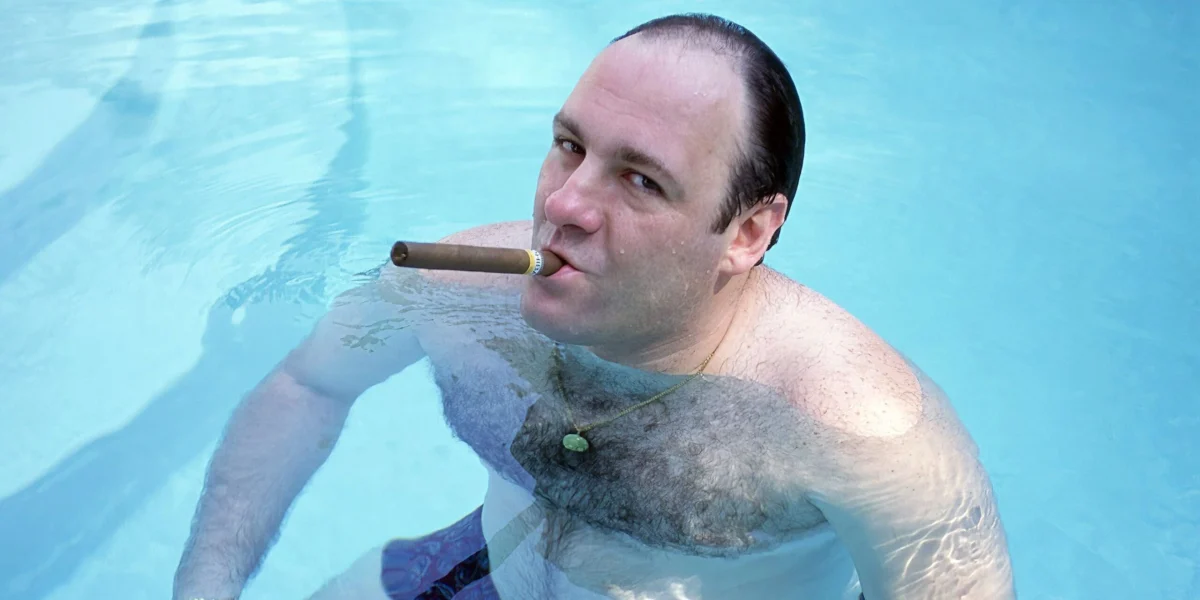
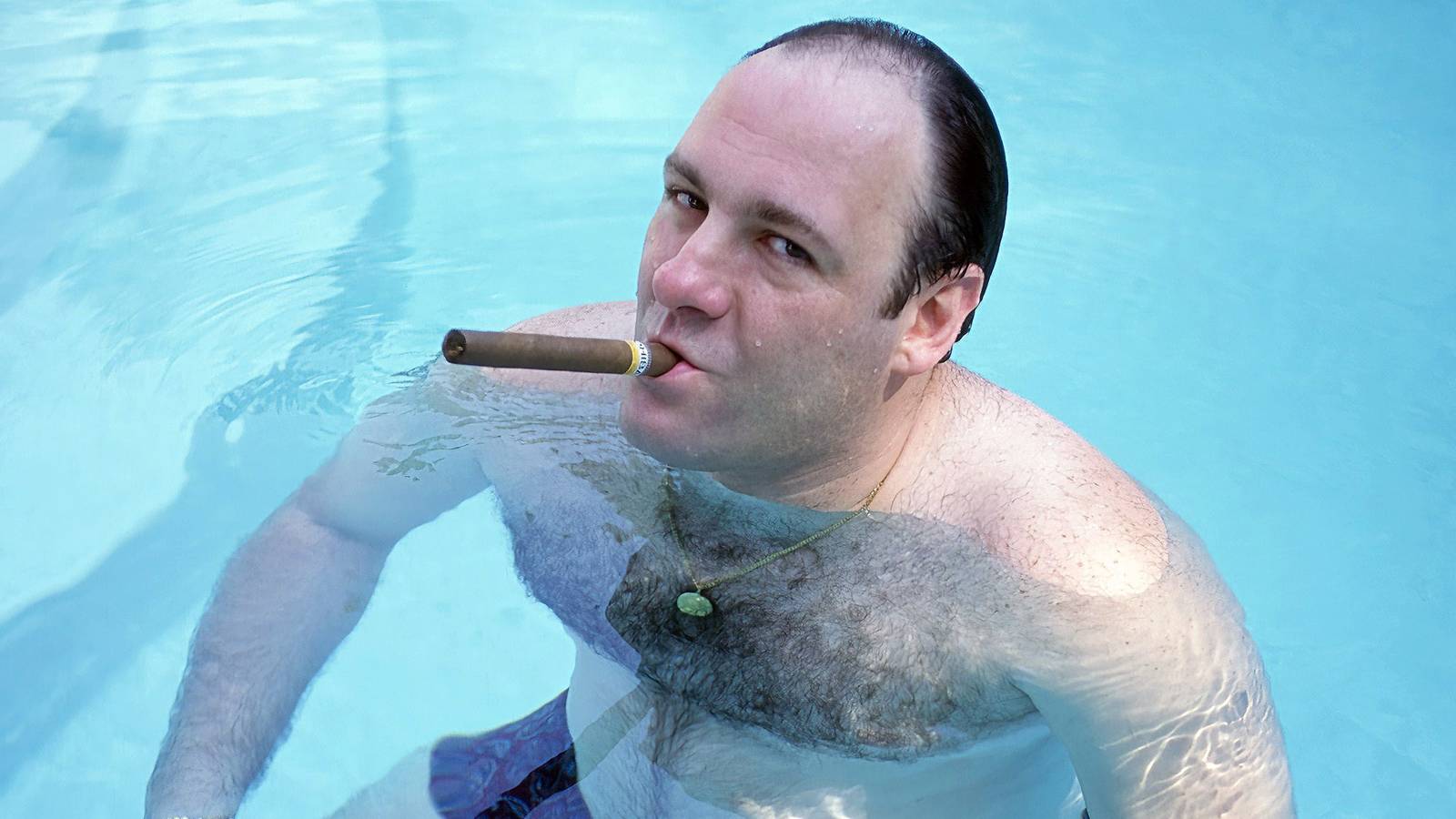
The shadow of Tony Soprano loomed large over James Gandolfini’s career. Six years after The Sopranos concluded its groundbreaking run, Gandolfini was still so indelibly linked to the iconic mob boss that seeing him in any other role required a conscious effort from the audience to separate the actor from his most indelible character. Tony Soprano, despite his layers of complexity and moments of introspection, was ultimately a man defined by violence, deception, and a life lived on the fringes of legality. He was a character who, while compelling, was undeniably a product of a world steeped in power and intimidation.
In stark contrast, Albert in Enough Said is a revelation. Gandolfini embodies a character who is the antithesis of Tony Soprano. Albert is quiet, kind, and possesses a profound sense of vulnerability. He wears his heart on his sleeve, his interactions marked by a gentle demeanor and an almost achingly sincere smile. Where Tony Soprano presented a hardened exterior, a carefully constructed façade to navigate his dangerous world, Albert is open, unpretentious, and refreshingly self-aware.

Gandolfini imbues Albert with a quiet dignity and a subtle humor. He finds moments of lightheartedness in Albert’s self-deprecating remarks about his appearance, making him an instantly likable and relatable figure. This is not a character who commands attention through brute force or intimidation; rather, he draws you in through his sheer humanity. He is an everyman, extraordinary in his ordinariness, and his loneliness resonates deeply with the audience, making their hope for his happiness with Eva palpable. The performance is a testament to Gandolfini’s ability to disappear into a role, shedding the formidable persona of Tony Soprano to reveal a softer, more introspective artist.
Critical Acclaim and the Poignancy of a Final Act
Enough Said premiered to overwhelmingly positive reviews, with critics particularly lauding Gandolfini’s performance. The film’s release, however, was tinged with profound sadness, as it arrived in theaters posthumously. This context added an undeniable layer of poignancy to Gandolfini’s portrayal. Every moment he graced the screen was a reminder of the immense talent lost too soon.
The film earned a remarkable 95% on Rotten Tomatoes, a testament to its quality and the power of its performances. Critics recognized Gandolfini’s nuanced portrayal of Albert as a significant departure and a brilliant showcase of his acting prowess. Julia Louis-Dreyfus, who shared the screen with Gandolfini, spoke candidly about his experience on set. In an interview with the Los Angeles Times, she recalled Gandolfini’s nervousness about taking on a role so far removed from his established image.
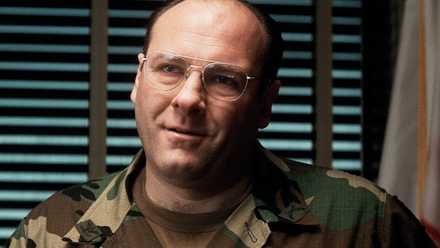
"What was so fascinating to me immediately was that he’s a very mild, dear, thoughtful fellow, very much like the character he plays in the film," Louis-Dreyfus said. "He isn’t like Tony Soprano at all, even though he sure looks like Tony Soprano." This sentiment highlights the remarkable transformation Gandolfini achieved, proving that his talent was not confined to a single archetypal character. It is a profound tragedy that he did not live to witness the widespread acclaim and appreciation for this deeply personal and affecting performance.
Thematic Resonance and Lasting Legacy
Enough Said delves into the universal themes of love, loss, and the challenges of reinvention. The film subtly explores how past hurts and insecurities can cast long shadows over new relationships. Catherine Keener’s character, Marianne, Albert’s ex-wife, serves as a catalyst for much of the film’s conflict. Her constant stream of criticisms about Albert plants seeds of doubt in Eva’s mind, forcing her to confront her own fears and perceptions.
The brilliance of Gandolfini’s performance lies in its ability to make Albert a character who is both flawed and fundamentally good. He is the kind of man you could trust, a "big teddy bear" whose endearing imperfections make him all the more human. Gandolfini’s performance in Enough Said is a powerful reminder of the actor’s ability to portray layered and complex characters with profound authenticity. It was a glimpse into a potential future for his career, one that promised further exploration of diverse and emotionally resonant roles.
Alongside The Drop, released after his passing, Enough Said stands as a vital testament to Gandolfini’s artistic range and his enduring impact on cinema. While Tony Soprano will forever be etched in the annals of television history, Albert in Enough Said offers a different, equally profound legacy – the memory of a gifted actor embracing vulnerability and reminding us of the quiet power of human connection. It is a performance that resonates not just as a final chapter, but as a beautiful and poignant testament to the multifaceted artistry of James Gandolfini.
