
The Divine Comedy of the Absurd: Inside the Chaotic Brilliance of Jesse Moynihan’s ‘Jesus 2’
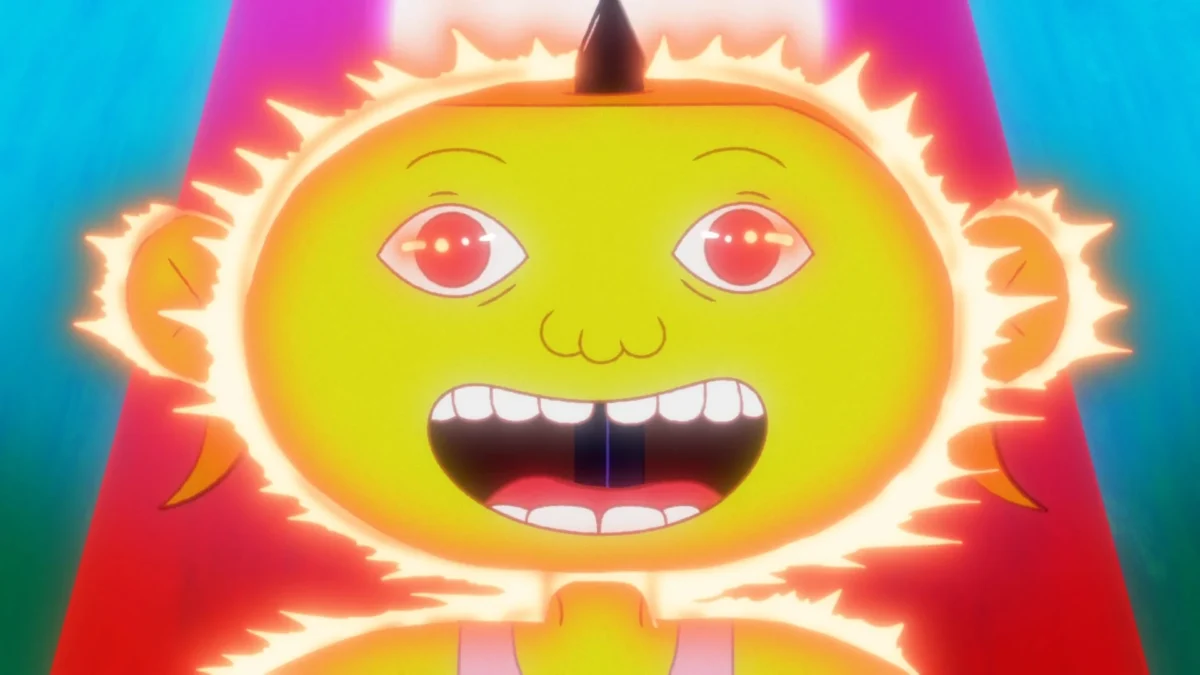
When the concept of the Second Coming is filtered through the lens of animation, the results typically fall into two categories: the reverent, Sunday-school-appropriate depictions or the biting, satirical critiques of organized religion. Jesse Moynihan’s eight-minute pilot, Jesus 2, however, occupies a third, far more volatile category: the surreal, high-octane, and utterly unhinged.
By abandoning the constraints of sincerity, Moynihan has crafted an animated short that functions as both a manic sci-fi adventure and a deeply personal meditation on the human condition. In a media landscape often dominated by sanitized IP, Jesus 2 serves as a stark, neon-drenched reminder that animation remains the most potent medium for exploring the intersection of the sublime and the grotesque.
Main Facts: A Savior Reimagined as a Cosmic Menace
At its core, the premise of Jesus 2 is deceptive in its simplicity. Set in a future where the concept of mortality has been rendered obsolete, the narrative follows Doc Green, the enigmatic president of the "Zombie Nation." Seeking a publicity stunt to bolster his constituency, Green orchestrates the resurrection of Jesus Christ.
However, this is not the messiah of biblical tradition. As Moynihan characterizes him, this JC is a "complete asshole." Instead of ushering in a peaceful kingdom, this resurrected savior spends his time traversing the cosmos on a black comet, deploying a mysterious, magical "rainbow goo." This substance, rather than granting spiritual salvation, bestows a chaotic form of eternal life upon planets and their inhabitants.
The primary antagonists tasked with thwarting this celestial menace are Sunday and Monday, a duo of space-pirate heroes imbued with divine powers by angels. The clash between these parties serves as the catalyst for eight minutes of pure, distilled kinetic energy. The short, which began its life as a potential pitch for Cartoon Network, has since found a fervent, organic audience online, challenging the industry’s perception of what constitutes "marketable" animation.
Chronology: From Network Pitch to Viral Phenomenon
The journey of Jesus 2 is a testament to the shifting tides of the animation industry.
The Development Phase
Initially, the project was developed under the scrutiny of major studio executives at Cartoon Network. The goal was to translate Moynihan’s idiosyncratic vision into a format that could sustain a series for a younger demographic. During this stage, the narrative was tightened, and the visual language—already characterized by vibrant, psychedelic hues—was polished to meet professional broadcast standards.
The Pivot
Despite the initial interest, the creative friction inherent in network television eventually led to the project’s stagnation in the "development hell" cycle. Recognizing that the uncompromising, surreal nature of his vision was unlikely to survive the notes of corporate oversight, Moynihan pivoted. He reclaimed the rights to his intellectual property, opting to produce the pilot independently. This allowed for the inclusion of the more "unhinged" elements that define the final product.
The Digital Launch
Upon its release on YouTube and Vimeo, the short bypassed the traditional gatekeepers entirely. In a matter of weeks, the film accumulated hundreds of thousands of views. This viral trajectory is significant, as it mirrors the path of other cult-hit animations that have successfully leveraged algorithmic discovery to build a loyal fanbase, effectively proving that a "niche" project can command a massive, global audience without the backing of a major studio.
Supporting Data: The Anatomy of a Viral Hit
The success of Jesus 2 is not merely a matter of aesthetic preference; it is supported by the changing metrics of digital media consumption.
- Audience Engagement: Within the first 30 days of release, the short garnered over 300,000 views combined across platforms. Notably, the comment sections on these platforms show an unusually high rate of engagement, with viewers debating the theological and philosophical implications of the short’s "rainbow goo" logic.
- Production Velocity: The short was produced with a relatively lean team, utilizing a "scattergun" approach to animation that prioritizes movement and sensory overload over fluid, traditional frame-by-frame realism. This efficiency model is increasingly being viewed as a viable alternative to the bloated budgets of traditional network animation.
- The "Cult" Multiplier: Analysis of viewer retention shows that Jesus 2 has a high re-watch rate. Users are returning to the short to decode the rapid-fire visual gags, suggesting that the "density" of information per frame is a key driver in its sustained popularity.
Official Responses and Creative Intent
Jesse Moynihan, known for his previous work on acclaimed series like Adventure Time, has been vocal about the personal stakes involved in this project. In recent interviews, he has underscored that the absurdity of Jesus 2 is a defensive mechanism against a very real, very grounded fear: the inevitability of death.
"I wanted to know if these ideas about death and our connection to the sublime would resonate with anyone else," Moynihan noted in discussions regarding the film’s release.
For the filmmaker, the madness of the film—the space pirates, the zombies, the comet—is a direct manifestation of his own struggle with panic attacks. By externalizing these existential anxieties into a cartoon, Moynihan is participating in a long tradition of "gallows humor," where the most terrifying aspects of existence are neutralized through ridicule and aesthetic abstraction.
Critics have lauded this transparency. Unlike many creators who hide behind the "randomness" of their work, Moynihan’s willingness to ground his surrealism in personal trauma has elevated the film from a mere gag reel to a work of genuine artistic vulnerability.
Implications: The Future of Independent Animation
The success of Jesus 2 has significant implications for the future of the animation industry, particularly regarding the relationship between creators and platforms.
The Death of the "Gatekeeper" Model
For decades, the standard path for an animator was to pitch to a network, survive the gauntlet of focus groups, and hope for a green light. Jesus 2 demonstrates that the audience is now the ultimate arbiter. When a creator can produce a high-quality pilot independently and find an audience of hundreds of thousands, the traditional network model loses its leverage. We are likely to see more creators bypass the development phase entirely in favor of direct-to-audience crowdfunding or platform-native releases.
The Rise of "Existential Surrealism"
There is a growing hunger for content that addresses complex, adult themes—such as existential dread and the absurdity of life—through the language of animation. Shows like Rick and Morty and Midnight Gospel paved the way, but Jesus 2 pushes this further into the realm of the abstract. This suggests that there is a large, underserved market for "high-concept" animation that does not feel the need to cater to children or adhere to conventional narrative structures.
The Path Forward for Sunday, Monday, and JC2
The question remains: will this short be expanded into a series? While Moynihan has remained coy about the specific future of the franchise, the internet’s reaction has been overwhelmingly positive. If the current trend of audience-led renewals continues (as seen with shows like Hazbin Hotel or Helluva Boss), it is highly probable that we have not seen the last of JC2.
The internet has a unique way of demanding more of what it loves. When a project captures the zeitgeist—as Jesus 2 has, by framing our collective fear of death as a cosmic, rainbow-drenched farce—it ceases to be just a video file and starts to function as a cultural touchstone.
Conclusion: A Second Coming Worth Watching
Jesus 2 is an audacious, messy, and deeply profound piece of animation. By refusing to treat the subject of the Messiah with anything resembling respect, Jesse Moynihan has inadvertently created something more sacred: an honest exploration of the anxiety of being alive.
Whether the short serves as a one-off experimental film or the pilot for a sprawling, intergalactic epic remains to be seen. However, one thing is certain: the animation industry is changing. Creators are no longer waiting for permission to explore the fringes of their own psyches. If the thousands of viewers currently flocking to watch a zombie president try to contain a divine jerk are any indication, the world is more than ready for more of Moynihan’s particular brand of madness.
The Second Coming, it seems, has arrived—and it is far stranger, louder, and more colorful than anyone could have possibly imagined.
