
A Masterpiece Adrift: Why Laika’s ‘Wildwood’ Became 2026’s Most Acclaimed—and Most Disappointing—Box Office Flop
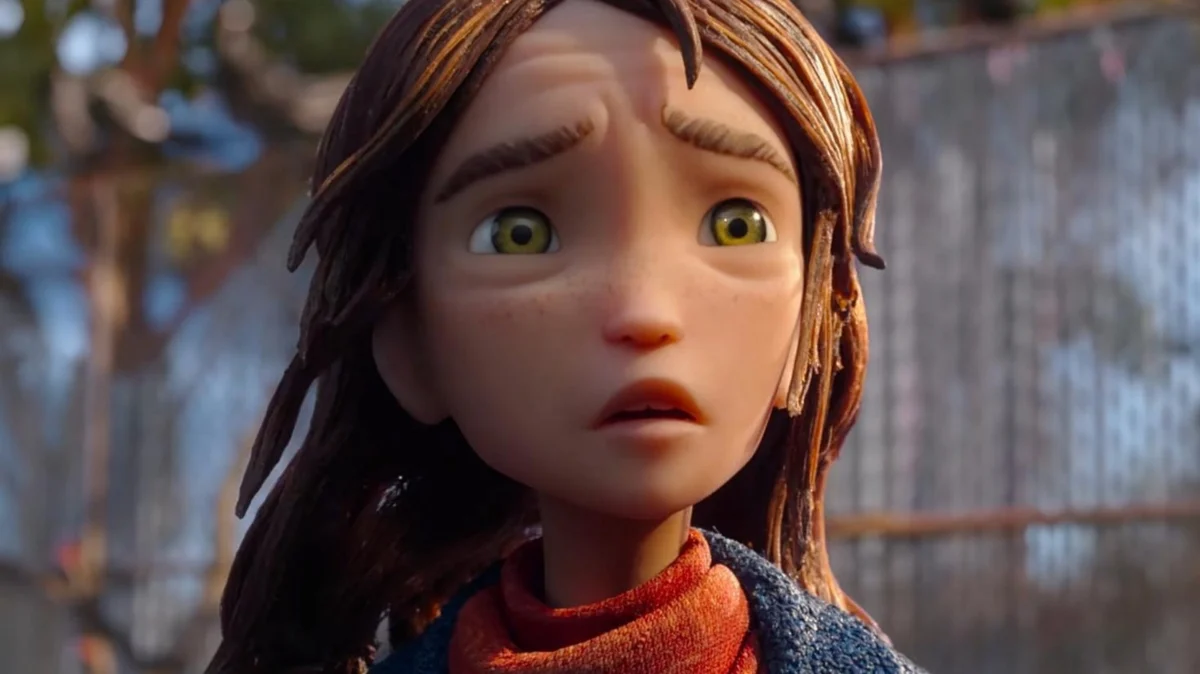
In the cyclical rhythm of the Hollywood box office, critics and audiences occasionally align to crown an undisputed masterpiece, only for the broader public to look away entirely. Such is the tragic paradox currently unfolding around Wildwood, the latest stop-motion marvel from Laika Studios. Directed by Travis Knight, the film has arrived as arguably the most critically revered movie of 2026. Yet, its opening weekend figures paint a grim portrait of a financial misfire that threatens to repeat the studio’s haunting history of critical triumphs paired with commercial woe.
Despite a wave of near-universal acclaim that has positioned it as an early front-runner for the Academy Award for Best Animated Feature, Wildwood stumbled out of the gate domestically, pulling in a meager $12.2 million during its opening frame. For a studio celebrated for redefining the boundaries of stop-motion animation with films like Coraline and Kubo and the Two Strings, the financial reality of Wildwood highlights a persistent disconnect between artistic excellence and modern theatrical viability.
Main Facts: The Numbers and the Narrative
The starkest metric of Wildwood‘s theatrical struggle is its budget-to-box-office ratio. Produced with a reported price tag hovering around $100 million before factoring in global marketing and distribution costs, the film needed a robust theatrical launch to secure profitability. Instead, its $12.2 million domestic debut landed it in third place for the weekend.
The box office crown for the frame went to DC’s R-rated comic-book adaptation Clayface, which pulled in a sturdy $24 million, while holdover You Can See Everything continued to defy expectations with a $19.5 million second weekend, claiming the number two spot.
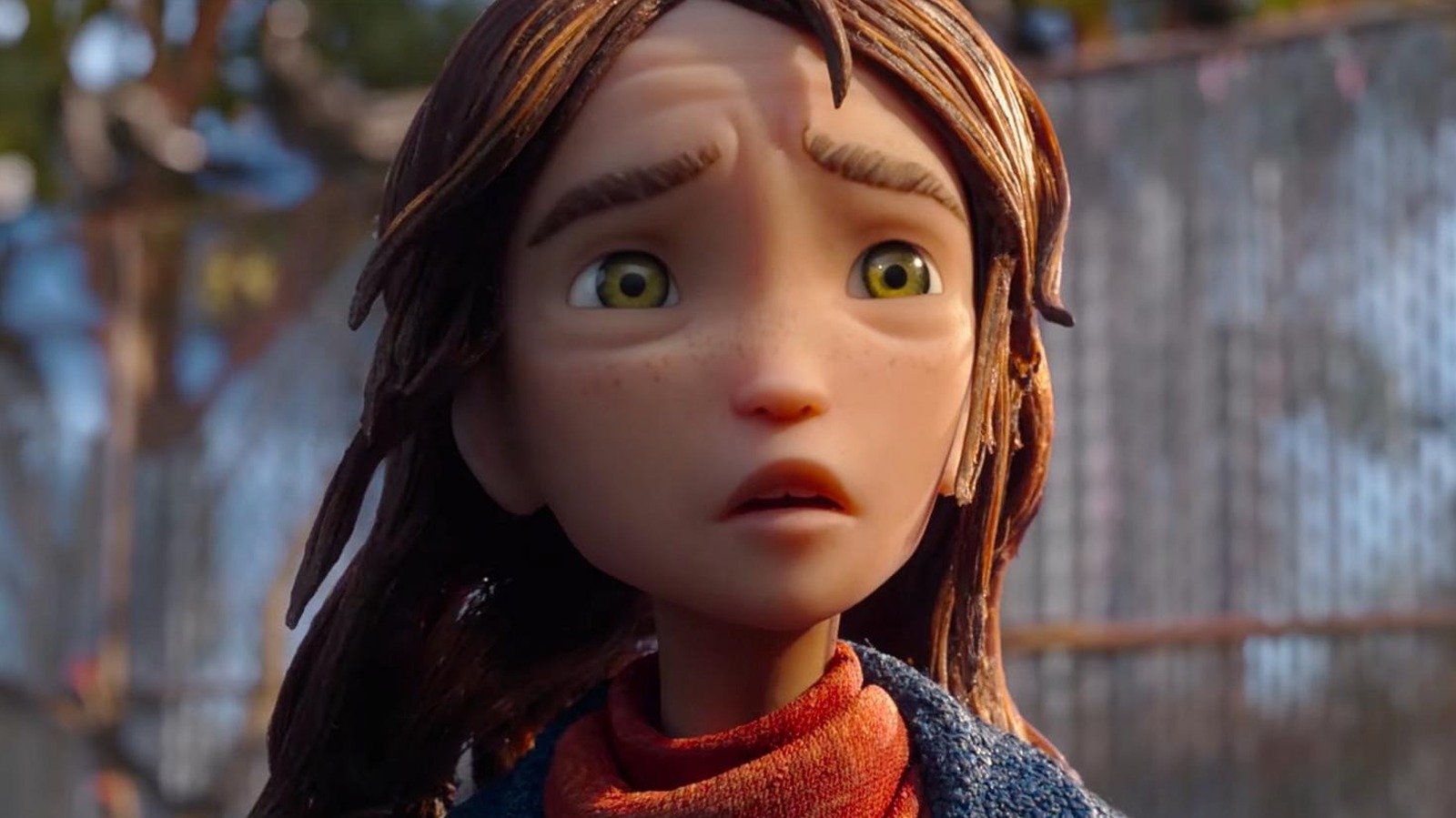
Based on the 2011 fantasy novel by Colin Meloy and illustrated by Carson Ellis, Wildwood follows young Prue McKeel (voiced by Peyton Elizabeth Lee) as she embarks on a perilous quest into the forbidden, mythical forests outside Portland to rescue her kidnapped infant brother. While the source material offered a built-in fanbase, and Travis Knight brought proven directorial pedigree—having previously helmed Kubo and the Two Strings and the live-action Masters of the Universe—the ingredients failed to translate into immediate ticket sales.
Chronology of a Critical Darling
The trajectory of Wildwood from page to screen, and subsequently from festival buzz to box office reality, spans over a decade of painstaking craftsmanship.
- 2011: Colin Meloy publishes Wildwood, the first installment in his acclaimed fantasy trilogy, featuring atmospheric illustrations by Carson Ellis.
- 2015–2020: Laika quietly develops the adaptation, utilizing the studio’s signature meticulous stop-motion techniques. Production faces standard industry delays, compounded by the logistical hurdles of physical animation during and after the global pandemic.
- Early 2026: Press screenings begin, sending shockwaves through the cinematic community. Critics label the film a crowning achievement for Laika, praising its tactile beauty and emotional depth.
- Mid-2026 Opening Weekend: Wildwood premieres in North American theaters, securing a $12.2 million domestic opening and landing firmly at number three behind Clayface and You Can See Everything.
Supporting Data: The Critical Consensus vs. Commercial Realities
The disparity between how Wildwood is perceived by those who see it and how many people are actually buying tickets is staggering.
As of press time, Wildwood holds a staggering 99% critical approval rating on Rotten Tomatoes across more than 123 counted reviews. Audience reception has been similarly ecstatic, reflected in a rare 97% audience score on the review aggregator and a coveted "A" CinemaScore from opening-night moviegoers.
Reviewers have hailed its visual splendor and narrative maturity. Witney Seibold of /Film lauded the film as a "stunner" that "makes fantasy feel fresh again," a sentiment echoed by major outlets worldwide.
However, these glowing metrics clash sharply with historical benchmarks for stop-motion animation. Laika’s catalog tells a sobering financial story:
- Coraline (2009): Produced on a $60 million budget, it initially grossed $127 million globally—a respectable run that only transformed into a definitive hit years later, eventually reaching $188 million worldwide following theatrical re-releases, notably a massive resurgence in 2024.
- The Boxtrolls (2014): Brought in $108 million worldwide against a $60 million budget.
- Kubo and the Two Strings (2016): Earned $76 million globally on a $60 million budget.
- Missing Link (2019): A disastrous financial misfire, grossing just $26 million worldwide against a steep $100 million production budget.
Wildwood, sharing the same financial weight class as Missing Link, faces an uphill battle to escape the red, relying heavily on long-tail word-of-mouth and international markets to salvage its theatrical run.
Official Responses and Industry Insights
In interviews leading up to the release, director Travis Knight and Laika executives emphasized their commitment to pushing the medium forward, regardless of commercial pressures. However, industry analysts point to specific structural hurdles that likely dampened Wildwood‘s opening weekend.
Unlike traditional, broadly targeted American animated studio features designed to capture multi-generational family audiences, Wildwood presents unique commercial challenges. It carries a PG-13 rating for thematic elements and peril, and boasts an expansive 131-minute runtime. In an era where mainstream Hollywood animation typically stays under the two-hour mark and aims for a PG or G rating to maximize family attendance, Wildwood occupies a more mature, niche space.
"It is a film that demands patience and emotional maturity—qualities that don’t always align with the fast-paced, high-turnover environment of a crowded weekend box office," notes one box office analyst. Furthermore, industry observers point out that critical acclaim has increasingly decoupled from commercial success in the post-pandemic box office landscape, pointing to similarly lauded titles like 28 Years Later: The Bone Temple and Tony, which also struggled to convert critical favor into massive opening numbers.
Implications: What Wildwood‘s Struggles Mean for the Future of Stop-Motion
The commercial stumble of Wildwood carries profound implications not just for Laika Studios, but for the future of handcrafted, high-budget animation in Hollywood.
1. The Financial Vulnerability of Independent Studios
Stop-motion animation is an agonizingly slow, labor-intensive, and exorbitantly expensive art form. Unlike computer-generated animation, where digital assets can be easily manipulated or reused, every puppet, set piece, and costume in a Laika film must be physically crafted, lit, and filmed frame by frame. When a $100 million stop-motion picture fails to clear its theatrical hurdles, it strikes a severe blow to the financial health of the studio, potentially forcing longer gaps between projects or compromises in future budgets.
2. A Delayed Cult Classic
If history is any indicator, Wildwood will likely find its audience over time. Much like Coraline, which required a 15-year cultural digestion period to achieve true blockbuster status, Wildwood is primed to thrive on VOD, physical media (such as boutique 4K physical releases), and streaming platforms. Its impending recognition during the upcoming awards season—where it stands as the presumptive heavyweight for Best Animated Feature—will undoubtedly drive home-viewing discovery. But streaming revenue rarely replaces the direct profit margins of a healthy theatrical run.
3. A Shrinking Appetite for Risky Cinema
Perhaps the most worrisome implication is the chilling effect Wildwood‘s box office performance might have on greenlighting original, non-franchise, risk-taking animation. In a marketplace dominated by sequels, intellectual properties, and algorithmic familiarity, Laika has consistently acted as a bastion of original storytelling. If a masterwork boasting near-perfect reviews cannot break through the noise, risk-averse studio executives may become even more reluctant to fund ambitious, artist-driven animation in the future.
For now, Wildwood remains in theaters—a dazzling, bittersweet monument to what cinematic art can achieve, and a stark reminder of how unforgiving the commercial marketplace can be to true originality.
