
The Improvisational Brilliance of Walter Koenig: A Legacy Beyond the Bridge
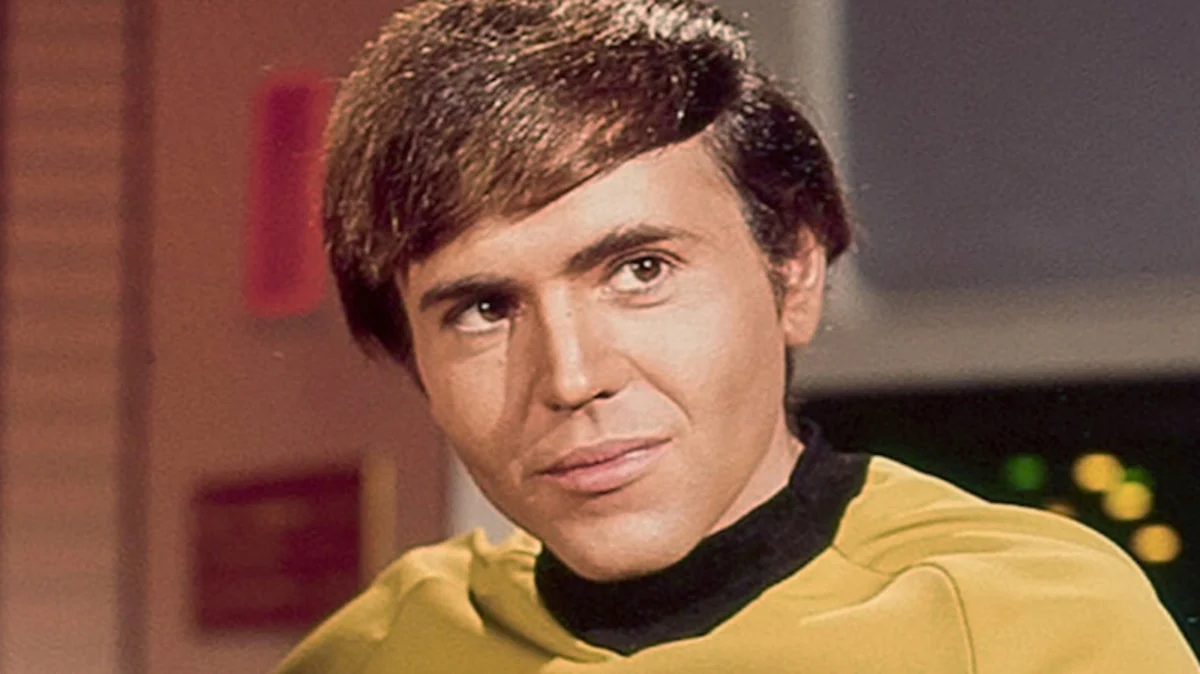
The entertainment industry is currently mourning the loss of Walter Koenig, the iconic actor best known for portraying Pavel Chekov in the Star Trek franchise. Passing at the age of 90, Koenig leaves behind a career defined not just by his tenure on the U.S.S. Enterprise, but by his incredible versatility as a character actor. Perhaps no singular moment better encapsulates his quick-witted talent and professional adaptability than his guest appearance on the beloved detective series Columbo.
In a television landscape where scripts were often treated as gospel, Koenig’s 1974 appearance in the Columbo episode "Fade In to Murder" stands as a masterclass in improvisation. Faced with a sudden creative pivot by series star Peter Falk during a grueling 2:00 AM shoot, Koenig managed to rewrite his character’s dialogue on the fly, delivering a performance in a single, unbroken take that remains a testament to his craftsmanship.
A Crossover of Icons: The Star Trek-Columbo Connection
During its golden era, Columbo became a cultural phenomenon, distinguished by its unique "inverted detective" format and its penchant for casting high-profile guest stars. From Faye Dunaway and Dick Van Dyke to musical legend Johnny Cash, the show’s rotating cast of antagonists and supporting players became a "who’s who" of Hollywood talent.
Interestingly, Columbo served as a frequent playground for actors from the Star Trek universe. The shared DNA between the two shows—both staples of NBC’s programming reach—led to a recurring trend where officers of the U.S.S. Enterprise would trade their phasers for police badges or criminal mastermind tropes. Leonard Nimoy, Kate Mulgrew, Ricardo Montalban, and Laurence Luckinbill all graced the Columbo screen. Even William Shatner, Captain Kirk himself, famously appeared in the series multiple times, demonstrating his range as a dramatic villain.
It was during Shatner’s first Columbo outing, "Fade In to Murder," that Walter Koenig joined the production. In the episode, Shatner plays Ward Fowler, a celebrated television actor who finds himself entangled in a blackmail scheme involving a former lover. To protect his career from the revelation of his past as a Korean War deserter, Fowler stages a violent robbery that turns fatal. Koenig was cast as a police officer named Morella, tasked with detailing the grim logistics of the crime scene for Lieutenant Columbo.
The 2:00 AM Pivot: A Masterclass in Improvisation
The behind-the-scenes reality of television production is rarely as glamorous as the final product. Koenig’s pivotal scene was filmed in the dead of night, at 2:00 AM, a time when fatigue typically sets in for even the most seasoned professionals. It was at this juncture that Peter Falk, ever the perfectionist, decided that the scripted dialogue for Koenig’s character felt too redundant.
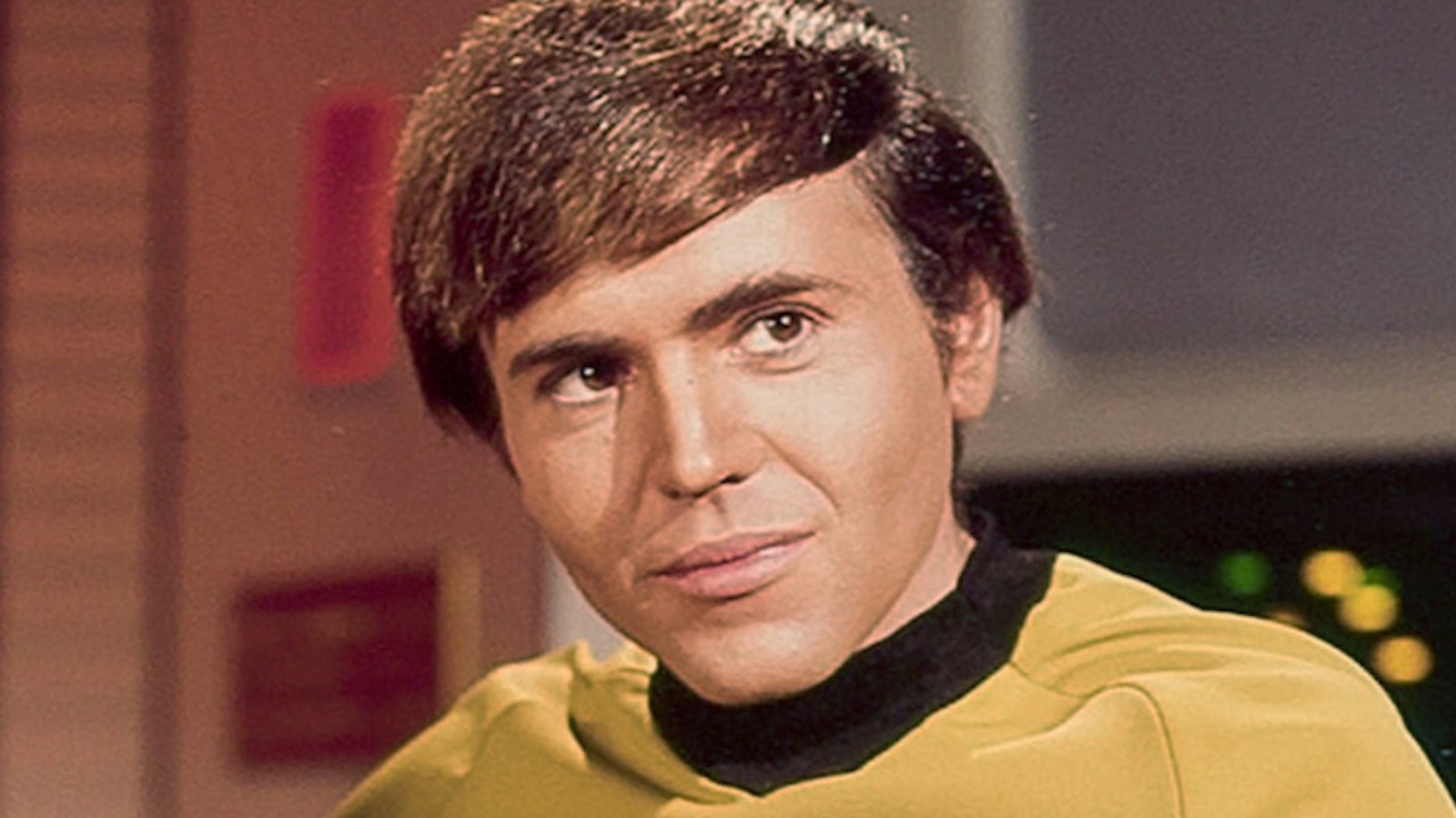
In the original script, Officer Morella was meant to give a dry, functional account of the murder: "Robbery. Guy comes in all bundled up like a downhill racer, takes her money, clobbers Mr. Kajanian here, the lady tries to get out, and he shoots her in the back."
Falk, sensing that the lines mirrored his own character’s deductive observations too closely, pulled Koenig aside. With no time for the writers to draft a new script, Falk simply explained the narrative beats he needed to hit and instructed Koenig to make it his own. The pressure was immense: a professional set, a tight deadline, and the need to maintain the pacing of a classic Columbo mystery.
Koenig did not falter. He stepped into the frame and, in a single, fluid take, delivered an improvised monologue that was far more evocative than the original text:
"Robbery. Guy comes in all bundled up like a downhill racer. Comes over to here. Lady’s over here. Tony’s behind the cash register. Takes her money. Grabs the money out of the till. Shoves Tony up against the oven. Starts pistol-whipping him. The lady must’ve started to go, because Tony heard the guy yell, ‘Don’t move!’ Went back to pistol-whipping him. The lady must’ve really got scared and started to run. The guy came out. Shot her in the back."
The delivery was natural, rhythmic, and perfectly suited to the gritty, lived-in realism that defined Columbo. It transformed a functional "exposition dump" into a compelling piece of character work.
Chronology: A Career of Quiet Distinction
Walter Koenig’s career was far broader than the science fiction roles for which he is most remembered. Born in 1934, Koenig cut his teeth in the theater before breaking into television in the early 1960s. His trajectory can be categorized into three distinct phases:
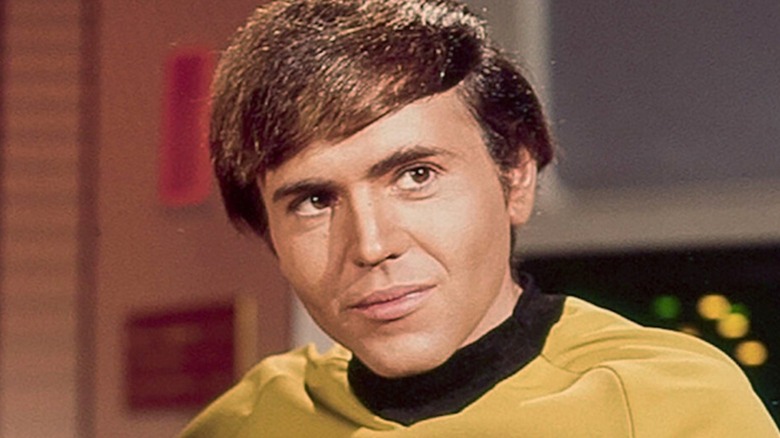
- The Formative Years (1960–1966): Before joining the Star Trek cast, Koenig appeared in numerous episodic dramas, honing the gritty, grounded acting style that would serve him well in roles like Officer Morella.
- The Trek Era and Beyond (1967–1980): His arrival on Star Trek in its second season made him an icon. However, he balanced this with genre-bending work in projects like Harlan Ellison’s short-lived but ambitious series The Starlost and the cult science-fiction film Moontrap, where he starred alongside Bruce Campbell.
- The Legacy Phase (1981–2024): In his later years, Koenig became a beloved figure on the convention circuit. Unlike some actors who distanced themselves from their genre roots, Koenig embraced the "Trekker" community. His interactions with fans were noted for their warmth, intelligence, and genuine enthusiasm, cementing his status as one of the franchise’s most approachable ambassadors.
Supporting Data: Why This Moment Matters
The significance of the "Morella" scene in Columbo isn’t just about the improvisation; it serves as a case study in the power of collaborative television. In the 1970s, the "auteur" theory was beginning to take hold in film, but television remained a writer-driven medium. For a guest star to be granted the agency to rewrite their lines in real-time shows a profound level of trust between Peter Falk and his supporting players.
Furthermore, this incident highlights the "Star Trek" actors’ hidden versatility. While audiences often associated Koenig, Nimoy, and Shatner with the heightened, stylized dialogue of space opera, their ability to pivot to the grounded, blue-collar procedural style of Columbo proves their technical prowess. These actors were not merely playing versions of their Star Trek personas; they were character actors in the purest sense of the term.
The Implications of a Life Well-Lived
Walter Koenig’s passing is a significant loss, but his legacy invites a broader discussion about the nature of the "character actor." Today, modern media often focuses on the "star system," where actors are expected to play variations of themselves. Koenig, however, represented an older, more traditional school of acting—one that prioritized the script, the scene partner, and the immediate needs of the narrative.
His willingness to take risks—like that 2:00 AM improvisation—is a lesson for the next generation of performers. Acting is not just about memorizing lines; it is about listening, reacting, and occupying a space with authenticity. Whether he was navigating the bridge of the Enterprise or walking a crime scene in a delicatessen, Koenig brought a sense of humanity and color to every role he touched.
As we look back on his contributions, it becomes clear that Koenig’s impact was not limited to the screen. By embracing his fans, engaging in creative problem-solving, and maintaining a career that spanned seven decades, he set a standard for what it means to be a working professional in the arts. He may have played a supporting officer in Columbo, but in the story of television history, Walter Koenig was a leading man.
