
Precision Engineering for the Sony FX5: A Deep Dive into Wooden Camera’s New Modular Ecosystem
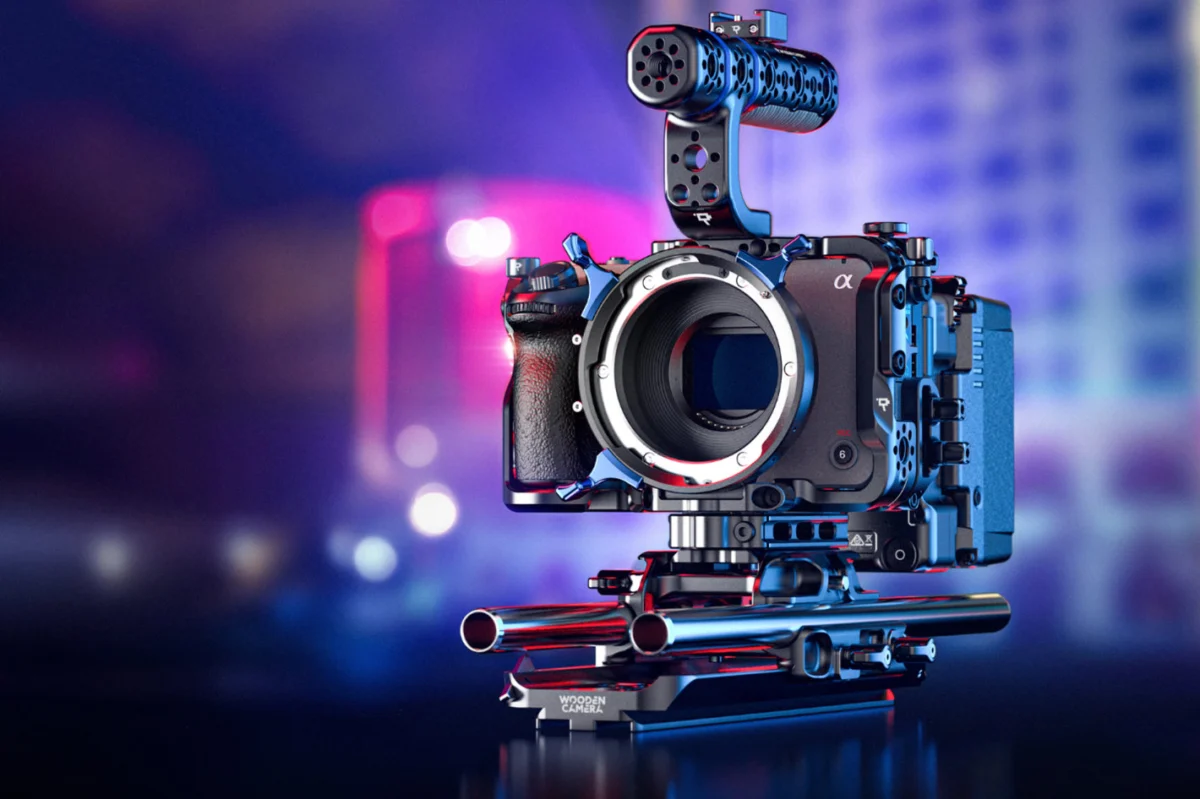
In the fast-paced world of digital cinematography, the ability to adapt is just as critical as the camera’s internal sensor. Sony’s FX5 has quickly become a staple for filmmakers who require a high-performance cinema tool in a compact, agile form factor. Recognizing that the camera’s versatility is only as good as its support infrastructure, industry-leading accessory manufacturer Wooden Camera has unveiled a comprehensive, modular rigging ecosystem specifically tailored for the Sony FX5.
This new line of accessories is designed to bridge the gap between "run-and-gun" mobility and full-scale cinema production. By prioritizing tool-less transitions, robust power management, and advanced lens adaptation, Wooden Camera is positioning its new suite as the definitive foundation for FX5 operators.
The Evolution of the Modular Rigging Concept
Main Facts: What Defines the New Ecosystem?
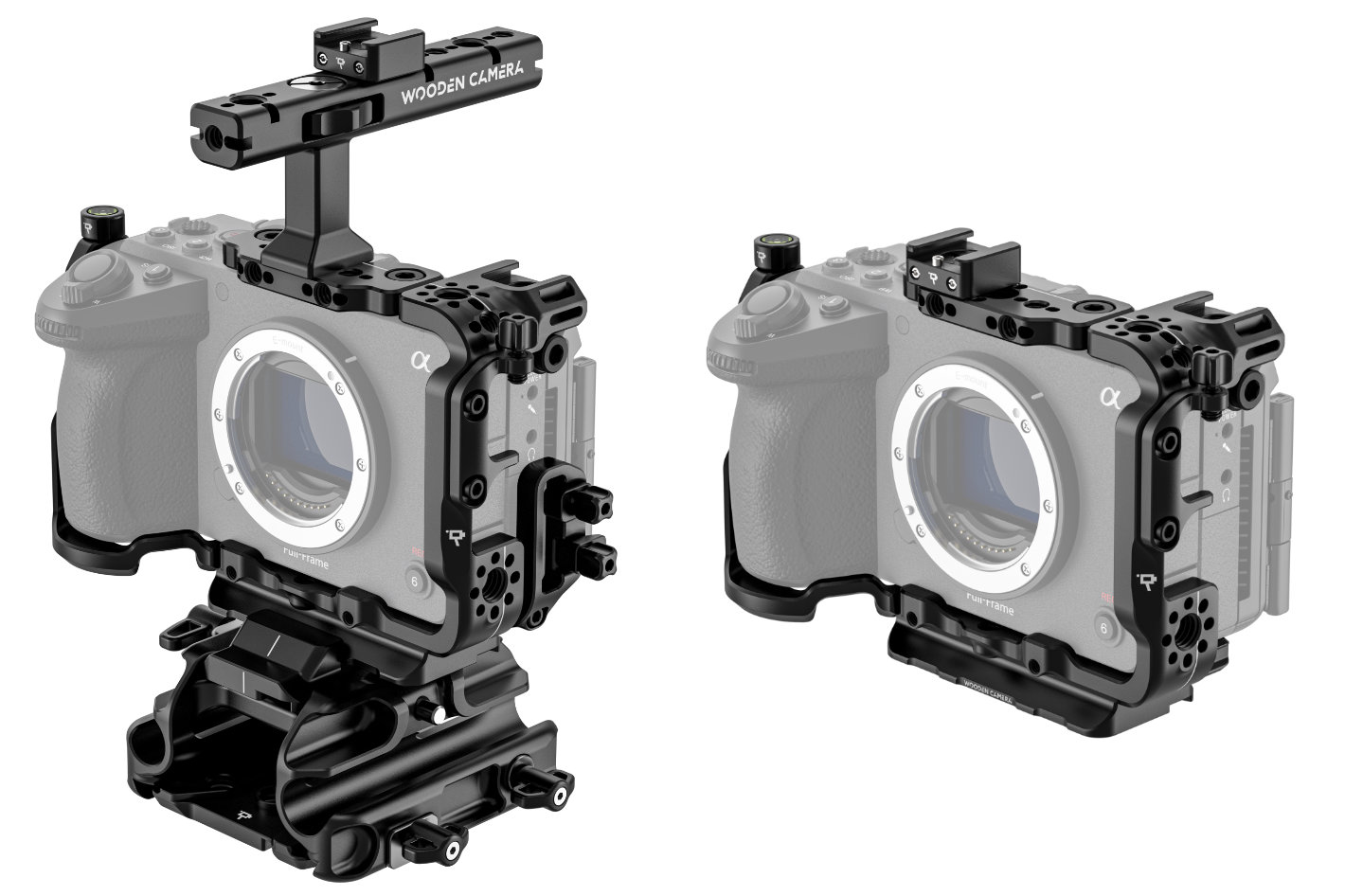
The core of the Wooden Camera offering is a philosophy of non-restrictive design. Unlike traditional cages that "lock" a camera into a specific, static build, the new system for the Sony FX5 is inherently modular. It is constructed from aircraft-grade 6061 aluminum and treated with Type III hard anodization, ensuring that while the gear remains lightweight, it can withstand the rigors of high-stakes, professional set environments.
Key components of the system include:
- The Low-Profile Modular Cage: The centerpiece of the setup, designed to maintain the camera’s original balance while providing extensive mounting points.
- Integrated Dovetail System: Allows for rapid transitions between bridge plates, tripod heads, and gimbal mounts without the need for additional tools.
- Gimbal-Specific Solutions: The 13mm Bolt-On ARCA – DJI RS Quick-Release Plate, which streamlines the transition from handheld to gimbal-stabilized shots.
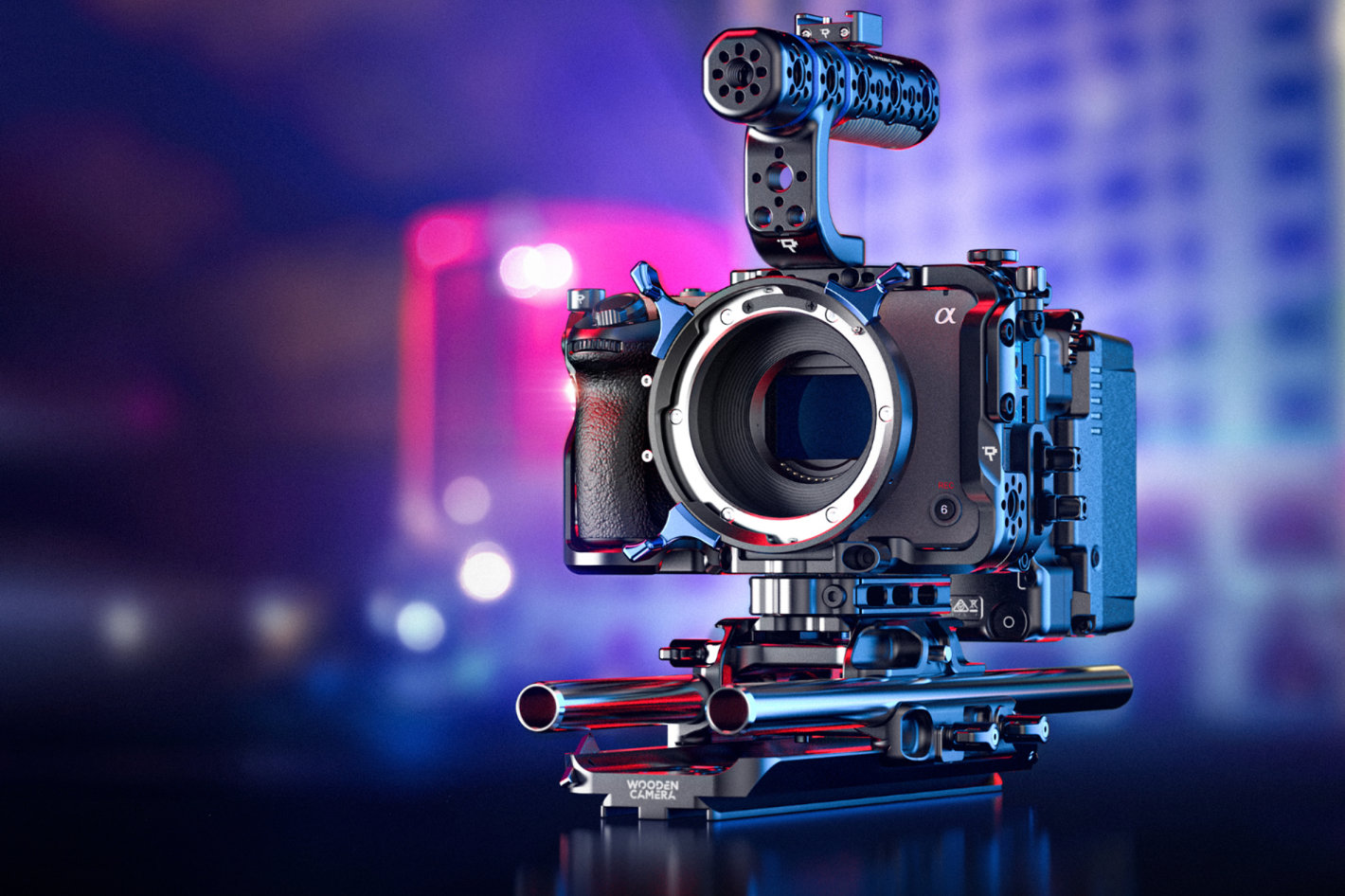
- Professional Lens Adaptation: E-mount to PL and E-mount to LPL adapters, enabling the use of high-end cinema glass.
- Flexible Power Management: Battery slide solutions for both Gold Mount and V-Mount batteries, allowing for extended runtimes.
Chronology: From Concept to Cinema-Ready
The development of this system followed a meticulous feedback loop. Wooden Camera, a brand under the Vitec/Videndum umbrella, has a long history of analyzing camera form factors before releasing support gear.
- Phase One (Prototyping): Following the release of the Sony FX5, engineers analyzed the camera’s heat dissipation and input/output port placement. The goal was to ensure that the cage would not obstruct any essential camera functions.
- Phase Two (Modular Integration): The team focused on the "Elite Cage System," a concept that allows users to scale from a lightweight half-cage for documentaries to a fully rigged studio setup for scripted content.
- Phase Three (Testing and Optimization): The "bolt-on" features, specifically for DJI RS-series gimbals, were field-tested to ensure that the center of gravity could be adjusted quickly—a major pain point for solo operators.
- Phase Four (Market Launch): The official release signifies a shift in how Wooden Camera approaches accessory design, emphasizing "cohesive foundations" rather than just individual parts.
Supporting Data: Why Modularity Matters
Modern production workflows demand extreme efficiency. Data from industry surveys indicates that a significant percentage of professional cinematographers now operate as "one-man bands" or in small teams, meaning they must switch between handheld, tripod, and gimbal setups multiple times per day.
The Wooden Camera system addresses this through its tool-less modular dovetail. By reducing the time required to reconfigure a camera from 10–15 minutes down to mere seconds, the system significantly impacts the "on-set uptime." Furthermore, the use of 6061 aluminum ensures that even when the camera is fully loaded with wireless video transmitters, lens motors, and external monitors, the total weight remains within the payload capacities of standard gimbals like the DJI RS 3 or RS 4 Pro.
The addition of PL and LPL mount adapters is particularly crucial. While the Sony FX5 is often paired with lightweight E-mount lenses, professional cinematography often necessitates the distinct "look" of large-format cinema glass. By providing a stable, secure mount for PL lenses, Wooden Camera allows FX5 users to elevate the aesthetic quality of their footage without needing to switch camera bodies.
Official Responses: The Philosophy Behind the Gear
Dominick Aiello, the Divisional Senior Director of Accessories at Wooden Camera, provided insight into the company’s vision during the launch.
"The Sony FX5 gives filmmakers an incredibly capable cinema camera in a compact package," Aiello stated. "Our goal was to build an accessory ecosystem that preserves that mobility while giving professionals the flexibility to configure the camera for the way they actually work."
This response highlights the tension between the FX5’s small size and the complex requirements of modern filmmaking. The "Elite Cage System" serves as the answer to this, offering an ecosystem that evolves with the production. Whether the user is filming an interview on a tripod or a high-octane action sequence on a gimbal, the camera doesn’t need to be "rebuilt"—it simply needs to be reconfigured.
Implications for the Future of Filmmaking
The introduction of this ecosystem has several long-term implications for the industry:
1. The Rise of the Hybrid Cinema Rig
As camera sensors become more powerful, the distinction between "prosumer" and "professional" cinema cameras is blurring. With high-end support systems like those from Wooden Camera, cameras like the Sony FX5 are being used in high-budget productions that previously required much larger, more expensive cinema cameras. This shift democratizes high-end image quality.
2. Standardized Workflow Efficiency
By creating proprietary mounting points that are compatible with their wider range of accessories, Wooden Camera is creating a "language" of rigging. Once a filmmaker invests in the base modular system, they can easily add new components—such as articulating arms for monitors or dedicated lens motor mounts—without worrying about compatibility issues.
3. Sustainability in Gear Ownership
The modular approach is, by design, more sustainable. Instead of buying a new cage every time a production style changes, the filmmaker simply adds or subtracts components. This "future-proof" mentality reduces the amount of electronic and mechanical waste in the production chain, appealing to environmentally conscious production houses.
4. Precision vs. Versatility
Perhaps the most significant implication is the focus on "low-profile" designs. For years, camera rigs were notoriously bulky. The Wooden Camera FX5 ecosystem suggests that the industry is trending toward a "less is more" approach, where the accessory system is designed to disappear, leaving the operator to focus entirely on the image and the narrative.
Conclusion: A New Standard for Sony Operators
The collaboration between high-performance camera technology and precision-engineered support gear has reached a new milestone with this release. By focusing on the specific pain points of the Sony FX5 user—namely, the transition between gimbal and handheld, the need for cinema-grade lens support, and the necessity for robust power management—Wooden Camera has provided a solution that is as versatile as it is durable.
As filmmakers continue to push the boundaries of what is possible with compact cinema cameras, having a reliable, modular, and professional-grade ecosystem is no longer a luxury—it is an operational necessity. With the new Sony FX5 cage and accessory system, Wooden Camera has ensured that the camera remains the heart of the rig, while the support system provides the muscle required to get the shot, regardless of the environment.
Whether you are a documentary filmmaker trekking through remote locations or a commercial cinematographer working on a studio set, this system offers the necessary adaptability to ensure that your gear never gets in the way of your vision. In an era where the camera is only the beginning, Wooden Camera has built the foundation that allows that beginning to become a masterpiece.
