
The Shadow of the Troubles: Why ‘I, Dolours’ Is the Essential Companion to ‘Say Nothing’
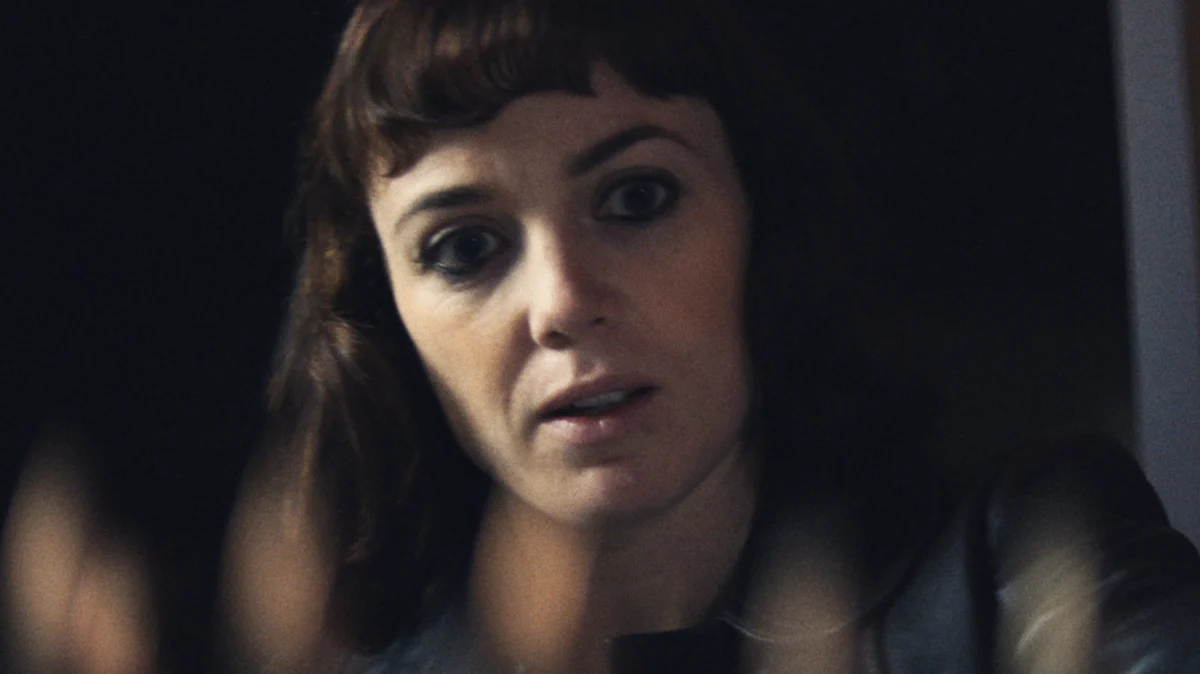
For those captivated by the visceral, haunting narrative of FX’s 2024 limited series Say Nothing, the journey into the dark heart of Northern Ireland’s "Troubles" does not have to end with the final credits. While the Patrick Radden Keefe adaptation offered a sweeping, panoramic view of the conflict—focusing on the abduction of Jean McConville and the radicalization of the Price sisters—there remains a more intimate, chilling, and singular perspective that demands attention: the 2018 documentary I, Dolours.
Directed by Maurice Sweeney, I, Dolours serves as a haunting, non-fiction counterpoint to the dramatic reconstructions seen in contemporary television. It is a film that strips away the artifice of historical distance, placing the viewer directly in the path of a woman who was at once a revolutionary, a victim, and a perpetrator.
The Crucible of Conflict: Historical Context
To understand the gravity of I, Dolours, one must first acknowledge the sociopolitical climate of Northern Ireland during the late 20th century. For decades, the region was defined by the binary struggle between Protestant British loyalists, who sought to maintain the union with the United Kingdom, and Catholic Irish Republicans, who demanded a unified, independent Ireland.
The conflict, colloquially known as "The Troubles," claimed over 3,500 lives. It was an era marked by paramilitary bombings, state-sanctioned violence, and deep-seated sectarian hatred. While the 1998 Good Friday Agreement largely brought an end to the active insurgency, the trauma remains etched into the landscape and the consciousness of the Irish people. Recent pop culture explorations, from the lighthearted yet poignant sitcom Derry Girls to the harrowing precision of Say Nothing, have highlighted that this period is not merely a static historical event, but a living, breathing wound that continues to dictate political and social discourse.
Chronology: From Radicalization to Reflection
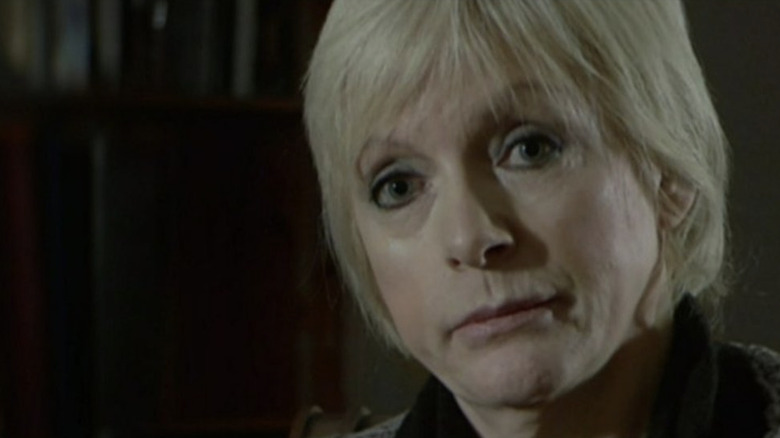
The narrative arc of I, Dolours is defined by its reliance on a candid, 2010 interview conducted by journalist and Troubles historian Ed Moloney. This interview, conducted years before Dolours Price’s death in 2013, provides the skeletal structure of the documentary.
The Path to the IRA
The documentary traces Price’s journey from a childhood steeped in republicanism to the streets of Belfast, where she witnessed the brutal suppression of Catholic civil rights marches. Her radicalization was not an abstract political choice but a visceral reaction to violence. In the film, she recounts a pivotal moment: "I looked into the eyes of some of these people who were beating us, and they were glazed over with some kind of hate, and I thought to myself, ‘No, that person is never going to want to walk alongside of me.’"
The Armed Struggle
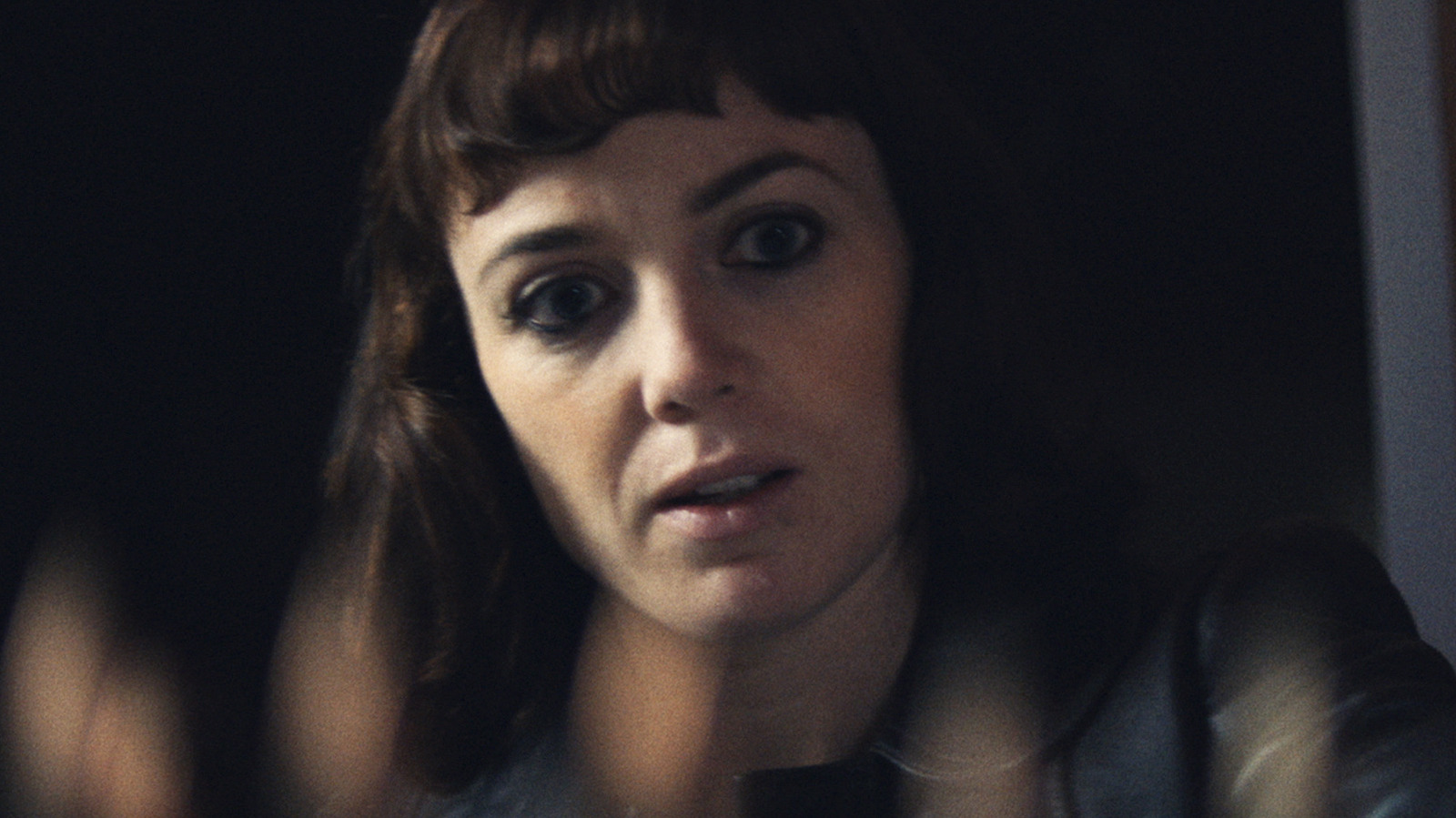
The documentary details her involvement in the IRA, including the 1973 bombing campaign in London, which led to her arrest and imprisonment. Unlike the dramatized version of events, I, Dolours utilizes a unique hybrid approach. Actress Lorna Larkin portrays Price in staged, recreative segments—often staring directly into the camera to recite Price’s own words—while interspersed with archival newsreels of the period. This meta-theatrical choice forces the viewer to confront the subjectivity of memory.
The Aftermath
The film moves beyond the high-octane period of the conflict to address the quiet, corrosive nature of regret. While Say Nothing focuses on the long-term, structural consequences of the IRA’s "disappeared," I, Dolours provides a psychological profile of the individual who pulled the trigger. The film’s final, devastating sentiment—"It had all been nothing"—serves as an indictment not just of her actions, but of the entire ideological machinery that consumed her youth and eventually discarded her.
Supporting Data and Creative Choices
A point of distinction for I, Dolours is its commitment to the "unreliable narrator." By centering the film on Price’s own recollections, Sweeney does not attempt to provide an objective history, but rather a window into the psyche of a militant.
The inclusion of reenactments—such as the cross-cutting between Margaret Thatcher’s speeches and the visceral, grainy footage of an imprisoned Price enduring force-feeding during a hunger strike—serves to ground the abstract political conflict in the physical reality of human suffering. These scenes provide the visual weight that standard talking-head documentaries often lack, turning the viewer into a witness rather than a student.
Official Responses and Controversy
The depiction of the Price sisters in recent media has not been without its legal and ethical complications. The FX series Say Nothing recently faced legal scrutiny when the real-life Marian Price initiated a lawsuit regarding the depiction of her involvement in the murder of Jean McConville.
I, Dolours manages to navigate these murky waters by strictly adhering to the testimony provided by Dolours herself. When pressed by Moloney on the morality of the IRA’s "disappearances"—a practice where informants were kidnapped and executed—Price did not mince words. She acknowledged the brutality of the act, even expressing a preference for public executions over the clandestine graves, a cold admission that highlights the stark divide between her revolutionary ideals and the reality of her moral descent.
By avoiding the speculation that often accompanies dramatic retellings, the documentary offers a cleaner, albeit more disturbing, account of the events as perceived by the participant. It does not seek to vindicate or vilify; it seeks only to document the dissonance of a life spent in the service of an ideology that ultimately failed her.
Implications for Modern Audiences
Why should a modern audience, already satiated by the high-production values of streaming-era television, turn to a 2018 documentary?
- A Corrective Lens: I, Dolours serves as necessary "cold water" for those who romanticize the IRA. It strips away the mythos of the "freedom fighter" and replaces it with the reality of a broken woman living with the weight of her choices.
- The Intimacy of History: While Say Nothing is an ensemble piece, I, Dolours is an interrogation of the self. It forces the audience to ask how a person of conviction can be transformed by the machinery of war into someone capable of heinous acts.
- The Power of the Unspoken: The film excels in what it leaves out. By avoiding explicit depictions of violence, relying instead on symbolic imagery—like a beer bottle shattering on a bar floor—it highlights the lasting, psychological shrapnel of the Troubles.
For viewers who found themselves gripped by the narrative complexities of Say Nothing, I, Dolours is not just a recommended watch; it is a vital necessity. It fills the gaps left by dramatization and provides a raw, unfiltered look at the cost of political extremism.
As we continue to navigate a world where history is increasingly flattened into "content," films like I, Dolours remind us that the past is a jagged, fragmented, and deeply painful landscape. It is a film that does not ask for your sympathy, nor does it offer easy absolution. It simply asks you to listen to a voice from the shadows, one that reminds us that in the pursuit of a nation, individuals are often the first things to be sacrificed.
I, Dolours is currently available for streaming on platforms including Tubi and Pluto TV. For anyone seeking to understand the true cost of the Irish conflict, it stands as an essential, if haunting, piece of cinematic record.
