
The Box Office Renaissance: ‘Scary Movie 6’ Shatters Records as Genre Films Dominate the Weekend
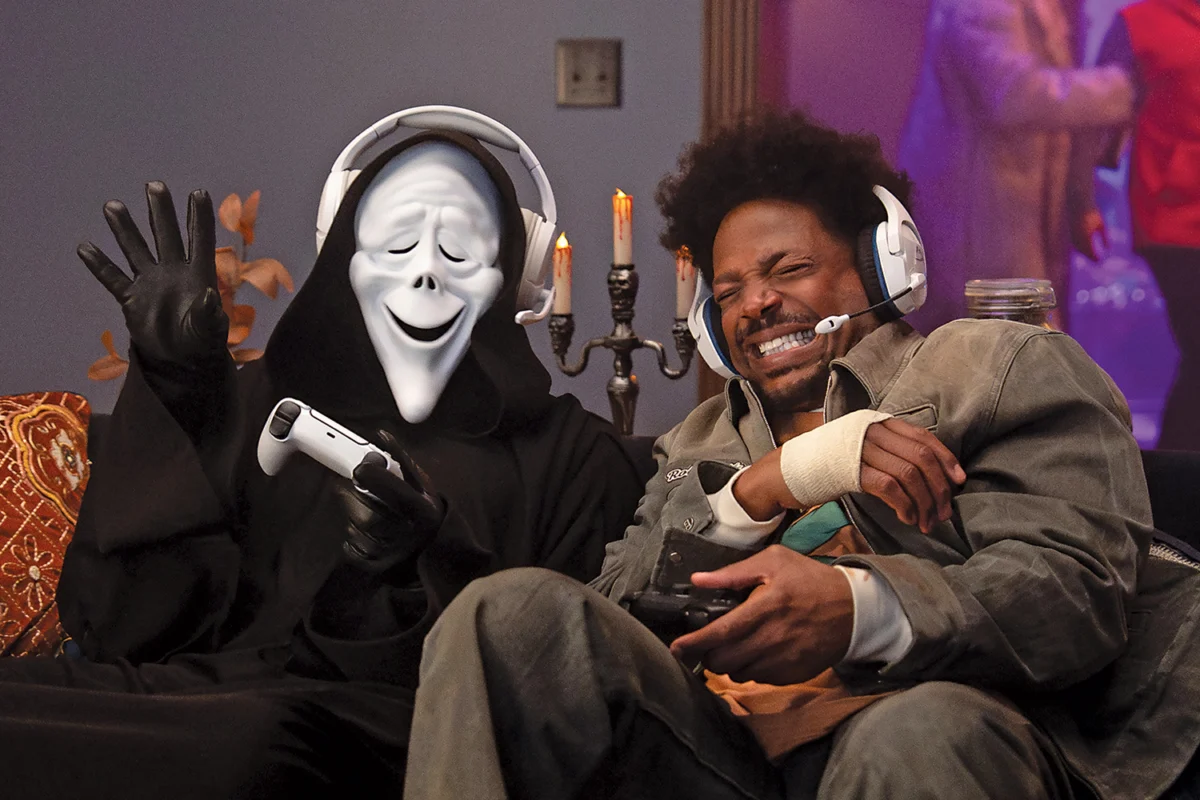
The North American box office is currently experiencing a seismic shift, driven by a nostalgic revival of parody cinema and the persistent strength of indie horror. Paramount and Miramax’s Scary Movie 6 has officially arrived, and it is not merely performing well—it is rewriting the history books for one of the most iconic franchises in comedy history. As the film industry navigates a post-pandemic landscape, this weekend’s performance serves as a powerful reminder of the enduring appeal of high-concept, irreverent entertainment.
A Franchise Return for the Ages: The Success of ‘Scary Movie 6’
The cultural footprint of the Scary Movie franchise is undeniable, and the latest installment has tapped into a deep well of audience demand. Helmed by the creative forces of the Wayans brothers—marking their first return to the series since 2001’s Scary Movie 2—the film grossed an explosive $24.7 million on its domestic opening Friday across 3,490 theaters.
Projections indicate that by the time the final numbers are tallied on Sunday, Scary Movie 6 will have amassed an estimated $56 million. This figure would officially secure the title for the largest opening weekend in the franchise’s history, successfully unseating Scary Movie 4, which debuted to $49.7 million in 2006. Given that the production carried a relatively lean budget of $30 million, the film is already tracking to be a massive financial windfall for the studio, proving that star power and brand recognition remain the gold standard in Hollywood marketing.
The Cast and the Comedy
The film serves as a massive reunion for the series’ original creative team and talent. Marlon Wayans, Shawn Wayans, and Damon Wayans Jr. take center stage, while Craig Wayans and Keenen Ivory Wayans co-wrote the screenplay alongside Rick Alvarez. Perhaps most exciting for long-time fans is the return of Anna Faris and Regina Hall, reprising their iconic roles as Cindy Campbell and Brenda Meeks.
The ensemble cast is bolstered by a mix of comedy veterans and contemporary stars, including Kenan Thompson, Dave Sheridan, Lochlyn Munro, Carmen Electra, Kim Wayans, Cheri Oteri, Chris Elliott, and Heidi Gardner. Directed by Michael Tiddes, the film leans heavily into the slapstick, raunchy sensibilities that defined the original trilogy. The narrative serves as a scathing, meta-commentary on the modern horror landscape, taking aim at recent hits such as Scream, Get Out, Long Legs, Sinners, M3GAN, and Weapons.
A Challenging Weekend for ‘Masters of the Universe’
While the box office saw a triumphant return for the Wayans, the landscape was less hospitable for Amazon MGM’s Masters of the Universe. The highly anticipated sci-fi adventure, based on the legendary 1980s action figure line and cartoon series, secured second place on Friday with $11.7 million from 3,677 North American screens.
With a projected weekend haul of $30 million, the film’s debut is undeniably sluggish, particularly when measured against its gargantuan $200 million production budget. Directed by Travis Knight, known for his work on the critically acclaimed Bumblebee, the film follows Prince Adam’s journey from Earth back to the planet Eternia to combat the undead sorcerer Skeletor.
Despite the star power—featuring Nicholas Galitzine in the lead role alongside Idris Elba, Camila Mendes, Alison Brie, and Jared Leto—the film struggled to capture the same cultural momentum as its competitors. Industry analysts suggest that the competition from established horror franchises and the niche appeal of the Masters of the Universe property may have created a barrier for general audiences, leading to a disappointing opening for such a high-stakes investment.
The Horror Surge: ‘Backrooms’ and ‘Obsession’
The mid-tier and indie horror market continues to be the bedrock of the current theatrical recovery. A24’s Backrooms, the liminal horror-thriller directed by 20-year-old visionary Kane Parsons, landed in third place with $7.9 million on its second Friday.
Following a staggering $81.5 million opening weekend, the film is projected to add another $25 million by Sunday. While this represents a 69% drop from its debut, the decline is largely inconsequential to its bottom line. With a production budget of only $10 million, Backrooms has cemented itself as one of the most profitable films of the year, further proving the viability of internet-native creators moving into traditional theatrical distribution.
Meanwhile, Focus Features’ Obsession continues to defy the odds. Holding steady in fourth place with $7.4 million on its fourth Friday, the horror thriller is showing incredible stamina. Since its $17 million debut against a budget of less than $1 million, the film has accumulated more than $116 million in North America. Projections suggest a weekend total of $24 million—a marginal 9% drop from the previous frame—bringing its total domestic earnings to approximately $151 million.
A Unique Entry: ‘The Amazing Digital Circus’
Rounding out the top five is the unconventional success story The Amazing Digital Circus: The Last Act. Distributed by Fathom Entertainment, this feature-length compilation of the web series’ final two episodes captured the attention of a massive online fanbase, pulling in $4.6 million on Friday.
With an expected weekend total of $14.1 million, the film is a testament to the blurring lines between digital content and theatrical events. The surreal, dark comedy, which follows humans trapped in a virtual reality, is directed and written by Cooper Goodwin (Gooseworx). The strong performance of the voice cast—including Lizzie Freeman, Michael Kovach, Amanda Hufford, and Marissa Lenti—highlights a shift in consumer behavior where established online intellectual property is increasingly capable of driving significant foot traffic to physical cinemas.
Implications for the Future of Exhibition
The disparity between the success of Scary Movie 6 and the struggles of Masters of the Universe offers a clear roadmap for studio executives. Audiences are currently signaling a preference for high-concept, low-to-mid-budget genre films that offer communal, "event-style" viewing experiences.
The Return of the Parody
The massive opening for Scary Movie 6 suggests that the parody genre, which had been largely dormant for over a decade, is primed for a resurgence. The film’s ability to generate buzz through nostalgia while simultaneously satirizing current pop culture trends provides a template that studios may look to replicate in the coming years.
The Indie Advantage
The performance of Backrooms and Obsession reinforces the "low-risk, high-reward" nature of the horror genre. By prioritizing creative, singular visions over massive budget expenditures, A24 and Focus Features have managed to capture the cultural zeitgeist without the massive financial exposure faced by big-budget tentpoles like Masters of the Universe.
Digital-First Integration
Finally, the success of The Amazing Digital Circus confirms that the traditional theatrical model is evolving. As creators bridge the gap between streaming/web platforms and the big screen, exhibitors must adapt to a landscape where audiences are willing to pay for theatrical experiences derived from diverse, non-traditional sources.
As the industry moves forward, the record-breaking success of Scary Movie 6 serves as a powerful testament to the power of established brands in the hands of their original creators. In a competitive market, the films that resonate most are those that understand their audience, respect the legacy of their franchise, and maintain a sharp, irreverent edge that keeps viewers coming back for more.
