
A Heartbeat Amidst History: Shahrbanoo Sadat’s ‘No Good Men’ Captures the Final Days of Kabul
By Editorial Staff | October 4, 2026
In a cinematic landscape often dominated by grand spectacles and high-concept fiction, there exists a rare breed of film that manages to find profound humanity in the face of inevitable tragedy. Such is the case with No Good Men, the latest feature from acclaimed Afghan filmmaker Shahrbanoo Sadat. Described by early reviewers as "a feel-good love story in a feel-bad place," the film serves as both a poignant romance and a harrowing time capsule of a city on the precipice of irrevocable change.
Following its celebrated premiere as the opening selection at the 2026 Berlin Film Festival, No Good Men has begun its global tour, captivating audiences with its unique blend of personal struggle and historical weight. As the film prepares for screenings at the London and Warsaw Film Festivals this autumn, it stands as a testament to the resilience of Afghan storytelling.
The Narrative Core: Love Amidst the Last Days of Freedom
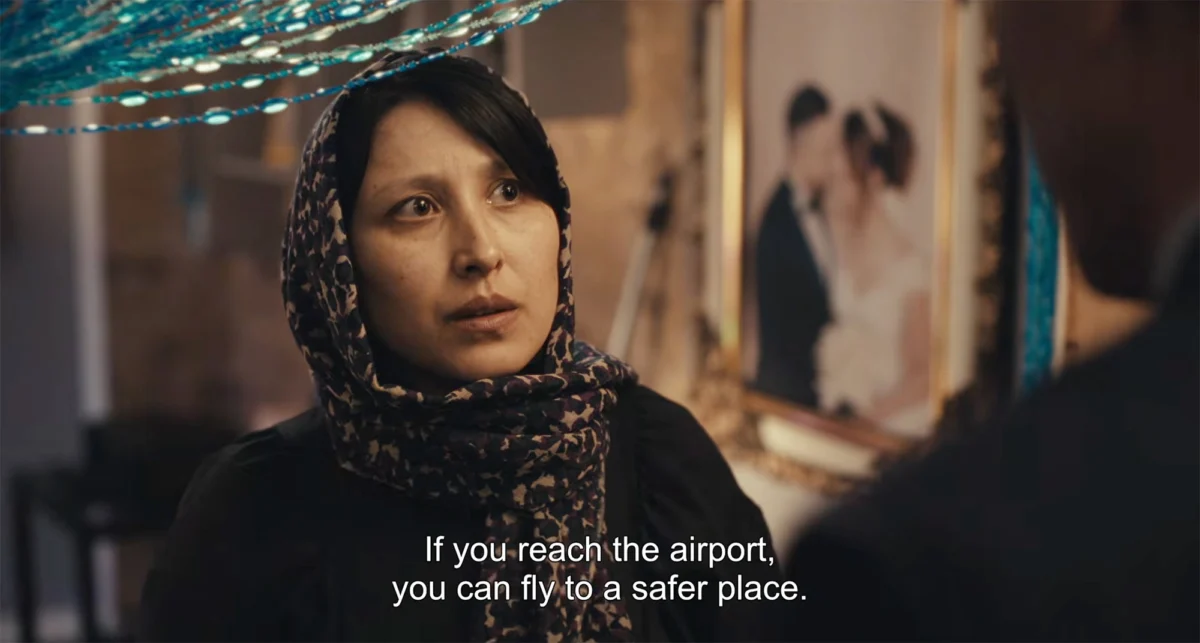
Set in the sweltering, anxious summer of 2021, the film centers on Naru, a determined and skilled woman working as the sole female camerawoman at Kabul TV. Her life is a high-wire act of professional ambition and personal exhaustion. Having separated from a serial cheater, Naru is entrenched in a grueling legal battle to maintain custody of her three-year-old son—a fight complicated by an Afghan legal system that heavily favors the father in divorce proceedings.
Naru’s professional life takes an unexpected turn when she is approached by Qodrat, the station’s most prominent and respected journalist. Qodrat offers her an opportunity that could redefine her career, but it also forces her into a daily, intimate collaboration with a man at a time when she has concluded that the concept of a "good man" in Afghanistan is a myth.

The film captures their journey as they criss-cross Kabul, documenting the city’s final, fading days of relative freedom. As the geopolitical situation deteriorates, the chemistry between Naru and Qodrat serves as a volatile, emotional anchor. The narrative asks a daring question: In a world falling apart, can trust be rebuilt?
A Chronology of a Visionary Project
Shahrbanoo Sadat, a director known for her neorealist sensibilities and deep empathy, has spent years cultivating a distinct voice in international cinema. No Good Men marks her fourth feature film, following a trajectory of critical success that began with Wolf and Sheep (2016) and continued through The Orphanage (2019) and Not at Home.
The Production Timeline
- Early 2021: Production begins in Kabul, capturing the atmosphere of the city during the final months of the Republic before the Taliban’s return to power.
- 2022–2025: Post-production is conducted amidst a complex global political climate, as the filmmakers navigate the challenges of editing a story set in a country that has undergone a complete regime shift.
- February 2026: No Good Men serves as the prestigious opening film at the Berlin Film Festival, garnering widespread critical acclaim for its blend of romance and sociopolitical realism.
- Fall 2026: The film begins its festival run, including slots at the London and Warsaw Film Festivals, with a scheduled theatrical release across Europe.
The Director’s Dual Role: Behind and In Front of the Camera
Perhaps the most striking aspect of the film is the decision by Sadat to cast herself in the lead role of Naru. It is a bold, meta-textual choice that blurs the lines between creator and subject. By placing herself in the frame, Sadat invites the audience to experience the story not just as an observer of history, but as an active participant in the struggle for autonomy.
"Naru is not a victim, even when the laws try to make her one," noted one critic during the Berlin press junket. "By playing the role herself, Sadat imbues the character with a sense of urgent, lived-in reality that an actor might struggle to replicate."
Supporting Data: The Production Ecosystem
No Good Men is a testament to the power of international collaboration. The project was brought to fruition through a complex network of producers, including Katja Adomeit, Shahrbanoo Sadat, Jeppe Wowk, Marina Perales Marhuenda, Xavier Rocher, Ingvil Sæther Berger, Balthasar Busmann, and Maxi Haslberger. This coalition of European and Afghan talent underscores the film’s status as a global project, bridging cultural gaps through the medium of film.

The cinematography, which captures the dusty, sun-drenched streets of Kabul with a documentary-like intimacy, is designed to place the viewer in the heat of the moment. The film’s pacing reflects the tension of the 2021 period—a mix of mundane office politics and the encroaching, existential threat of the Taliban’s advance.
Official Responses and Critical Reception
The critical reception at the Berlin Film Festival was largely positive, with many reviewers praising the film’s restraint. Rather than leaning into melodrama, the script—written by Sadat—relies on the chemistry between the leads to drive the tension.
"The beauty of No Good Men lies in its honesty," wrote a reviewer for Variety during the premiere. "Sadat manages to avoid the trap of reducing her country to a war zone, instead showing us the people living, working, and falling in love within the cracks of that reality."
The film has also been noted for its technical achievement, specifically the integration of actual archival footage of 2021 Kabul with the narrative scenes. This creates a haunting, seamless experience where the audience often forgets where the script ends and the historical record begins.
Implications: The Legacy of Afghan Cinema
The release of No Good Men carries significant weight. In a time when the voices of Afghan creators are increasingly silenced or forced into exile, the film stands as an essential artifact. It serves as a reminder of the vibrant, intellectual, and romantic life that existed in Kabul, providing a counter-narrative to the monolithic portrayal of the country often seen in Western media.

Why This Film Matters Now:
- Cultural Preservation: By documenting the atmosphere of 2021, the film serves as a historical document of a lost era.
- Gender Dynamics: The film forces a conversation about the status of women under changing regimes and the resilience required to fight for personal agency.
- Global Empathy: By focusing on a "feel-good" romance, the film invites viewers to connect with characters who share universal desires, making the political circumstances more personal and painful.
Looking Ahead: A Global Release
As of October 2026, the film is set for a wide theatrical release across Europe. However, North American audiences remain in limbo. There is currently no official US distributor attached, a common hurdle for independent, foreign-language films of this nature.
Film enthusiasts and critics alike are pushing for a broader release, arguing that the story’s themes of resilience and the struggle for personal liberty in the face of systemic oppression are universally resonant. For now, the film continues its momentum through the festival circuit, winning hearts and minds in London and Warsaw.
Whether or not No Good Men finds a major studio partner in the United States, its impact is already solidified. Shahrbanoo Sadat has delivered a film that refuses to be forgotten—a love letter to a city, a person, and a time that were forced to change, but never lost their spirit.
For those attending the upcoming film festivals, No Good Men is not just a viewing recommendation; it is an experience that demands to be seen, felt, and understood. In the words of the film’s own tagline, it is a reminder that even in the "feel-bad" places of the world, love—and the hope for a good man—remains a powerful, revolutionary act.
