
A New Horizon: Inside the Strategic ‘Repiloting’ of CBS’s Hit Series Tracker Season 4
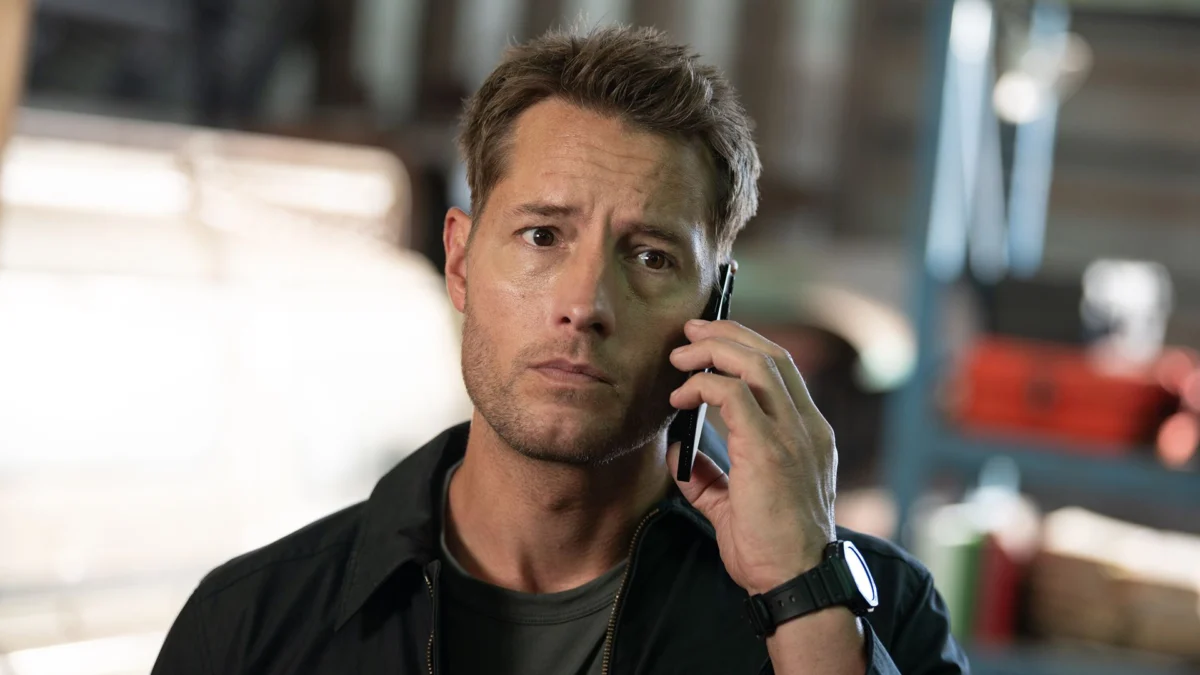
As CBS’s runaway success Tracker enters its fourth season, the production team has executed a bold, calculated maneuver that aims to redefine the series for its growing audience. The show, which follows the enigmatic survivalist and reward seeker Colter Shaw, has undergone a fundamental transformation that extends far beyond a change in scenery. By shifting production from the established Canadian backdrop of Vancouver to the vibrant, sprawling landscape of Los Angeles, showrunner Elwood Reid and his creative team are effectively "repiloting" the series, signaling a departure from the procedural constraints of its first three seasons in favor of deeper character exploration and complex, long-form storytelling.
Main Facts: A Production Shift with Narrative Weight
The most immediate change for Tracker Season 4 is the geographic migration. After anchoring the show’s aesthetic in the Pacific Northwest for three seasons, the production has officially relocated to California. This was not merely a logistical decision; it was a narrative necessity. To ensure the transition felt organic, the show’s writers integrated the move into the plot, with the season premiere seeing Colter Shaw (Justin Hartley) thrust into a high-stakes investigation on the West Coast.
This relocation serves as a visual metaphor for the show’s broader creative pivot. By moving away from the familiar woods and urban centers of Vancouver, the production team gains access to an entirely new catalog of locations—from the stark, sun-drenched deserts to the dense, multi-layered topography of Los Angeles. This "new look," as described by those behind the camera, is intended to provide a fresh canvas for a character who has, until now, been defined largely by his isolated, nomadic existence.
The Chronology of Evolution: From Procedural to Character-Driven
Since its debut in early 2024, Tracker established itself as a reliable, high-octane procedural. Each episode generally followed a standard rhythm: a mystery is presented, Colter arrives, his skills are tested, the case is resolved, and he moves on. While this format proved immensely popular, it inherently limited the development of the protagonist.

The timeline of this transition began in the waning episodes of Season 3, where subtle narrative threads were introduced to bridge the gap toward this new era. The "stinger" at the end of the previous season served as the catalyst, planting seeds of interpersonal conflict between Colter and his brother, Russell (played by Jensen Ackles).
As the show moved into its fourth season, which officially premiered on October 4, 2026, the writers opted to pivot. Instead of merely repeating the "case-of-the-week" cycle, the new episodes are prioritizing the "in-between" moments. By spending more time with Colter when he isn’t actively engaged in a rescue, the series is moving toward a character study, allowing viewers to peel back the layers of a man who has spent his entire life running from his past.
Supporting Data: Familiar Faces in a New Landscape
While the setting and tone are shifting, the series retains the core ensemble that helped propel it to the top of the ratings. Justin Hartley remains the undeniable anchor of the series, bringing a nuanced physicality to Colter Shaw that balances stoicism with hidden vulnerability.
The cast returning for Season 4 includes:

- Fiona Rene as the sharp-witted Reenie.
- Sofia Pernas as the mysterious Billie.
- Chris Lee as Randy.
- Cassady McClincy Zhang as Melanie, whose role has been elevated to a series regular, signaling a more prominent role for her character in the overarching narrative arc.
Perhaps most significant for the fanbase is the return of Jensen Ackles as Russell Shaw. His presence in the fourth season is not just a recurring cameo; it is a critical plot device. The friction between the two brothers—a relationship defined by past secrets and divergent paths—serves as the primary source of tension that prevents the show from falling back into a predictable procedural loop.
Official Responses: The Showrunner’s Vision
In an insightful discussion with ScreenRant, showrunner Elwood Reid offered a window into the philosophy driving this ambitious "repiloting." According to Reid, the goal was to make the show feel fresh even for the crew who have been with the series since its inception.
"My entire crew, which is the day-to-day people that make the show outside of the writers, it’s like a new show to them," Reid explained. He emphasized that the move to California wasn’t just about scenery, but about the quality of resources available. "We have access to new locations, new looks, amazing actors here in California."
When addressing the shift in narrative style, Reid was clear about the intent to move away from the rigid structure of the past. "What we’re trying to do this season is [figure out] how do we put the past behind us quite a bit. That doesn’t mean it can’t come back up… it puts an interesting kink in the relationship between the two brothers. It puts a little stick in the spokes."
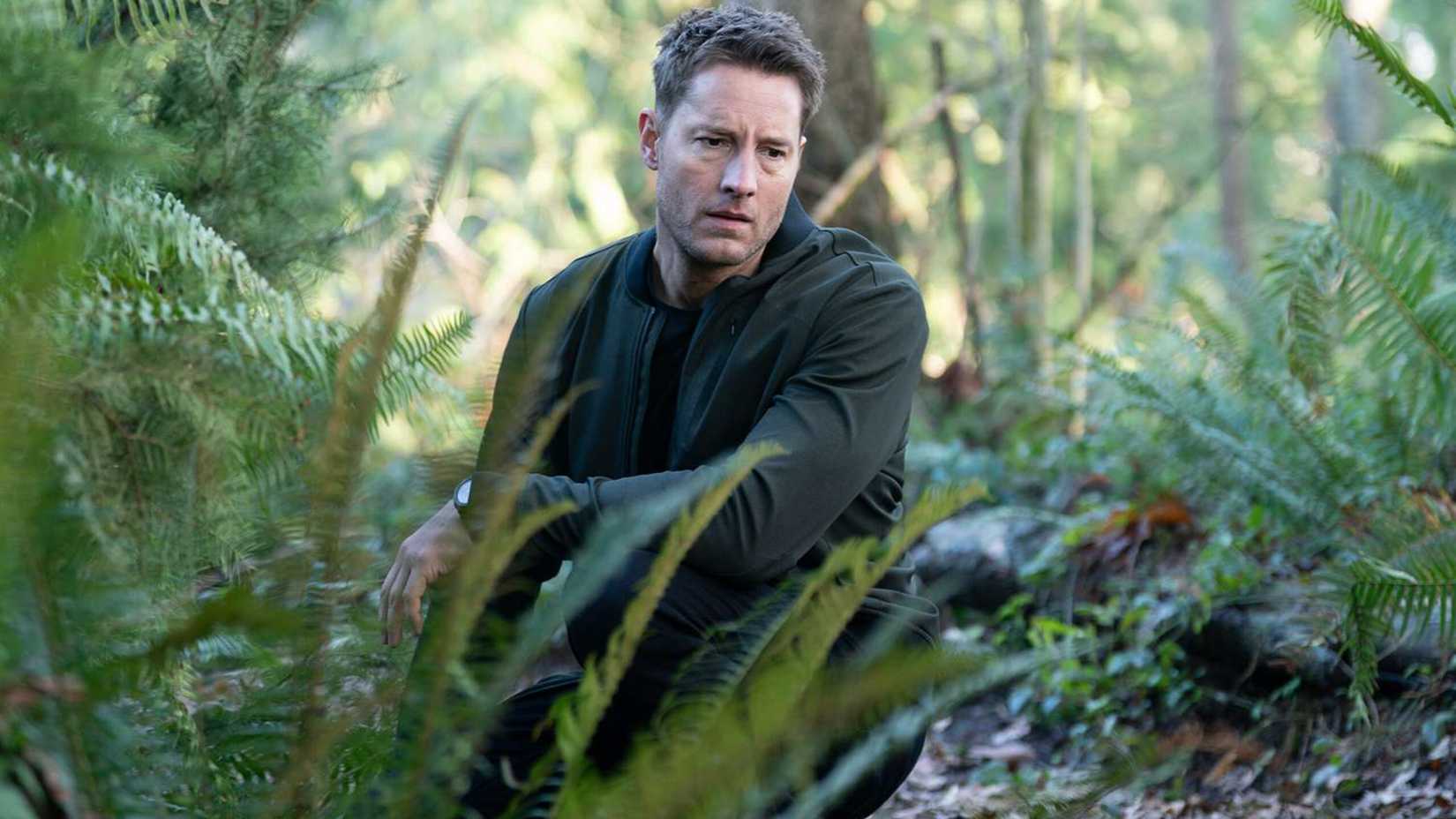
Reid’s comments suggest that while the "tracker" element—the act of finding missing people—remains the backbone of the series, the emotional stakes are being raised. The series is no longer just about the what (the job), but the why (the psychological toll of Colter’s lifestyle).
Implications: What This Means for the Future of Tracker
The implications of this shift are profound. By moving toward a more serialized format—hinted at by Reid’s mention of "much longer storylines" and a "thrilling new villain"—CBS is positioning Tracker to be more than just a procedural filler. They are aiming for appointment television.
1. Elevated Character Depth
The most immediate implication is the focus on Colter’s internal life. By forcing him into scenarios where he is challenged "morally and physically," the show is evolving from an action series into a drama that explores the cost of competence. We are seeing a Colter who is forced to engage with the people he loves, rather than just the people he is hired to find.
2. A Higher Stakes Narrative
The introduction of a long-form villain arc suggests that the writers are confident in the show’s ability to maintain audience interest over a full 22-episode run. This is a departure from the self-contained episodes that characterized earlier seasons, where the antagonist was usually defeated by the end of the hour. This shift allows for higher stakes, as the threat now follows Colter from location to location.

3. Sustainability and Longevity
Procedurals can often become repetitive. By "repiloting" in its fourth season, Tracker is effectively resetting its own "expiration date." This creative shake-up keeps the cast and crew energized, which invariably translates to better performances and a more vibrant visual language on screen. It signals to the network and the audience that the show has room to grow, rather than being stuck in a creative rut.
4. Integration with Paramount+
With the rise of streaming, the ability to binge-watch serialized content is vital. By introducing longer, more complex story arcs, Tracker is better positioned for its life on Paramount+, where viewers are more likely to marathon episodes if they are interconnected rather than episodic.
Conclusion: A Bold Step Forward
The fourth season of Tracker is a rare example of a successful series taking a calculated risk. Many shows in the procedural genre are content to rest on their laurels, adhering to the "if it isn’t broken, don’t fix it" mantra. However, the decision to relocate production, elevate supporting characters to series regulars, and pivot toward deeper, serialized storytelling demonstrates a commitment to quality and evolution.
As Colter Shaw navigates the unfamiliar roads of California, he—and the audience—are entering a new phase of the story. Whether it is the shifting dynamic with his brother Russell or the looming presence of a new, long-term antagonist, the stakes have never been higher. For a series that has already captured the hearts of millions, this "repiloting" ensures that Tracker will remain a vital and essential part of the television landscape for years to come.

With new episodes airing weekly on CBS and streaming on Paramount+, viewers are invited to join Colter on this new, more personal journey—one where the hardest things to find are no longer missing persons, but the answers to the questions he has spent his whole life avoiding.
