
From Underground Death Metal to Cinematic Horror: Tobias Forge Resurrects Repugnant for ‘V/H/S/Mixtape’
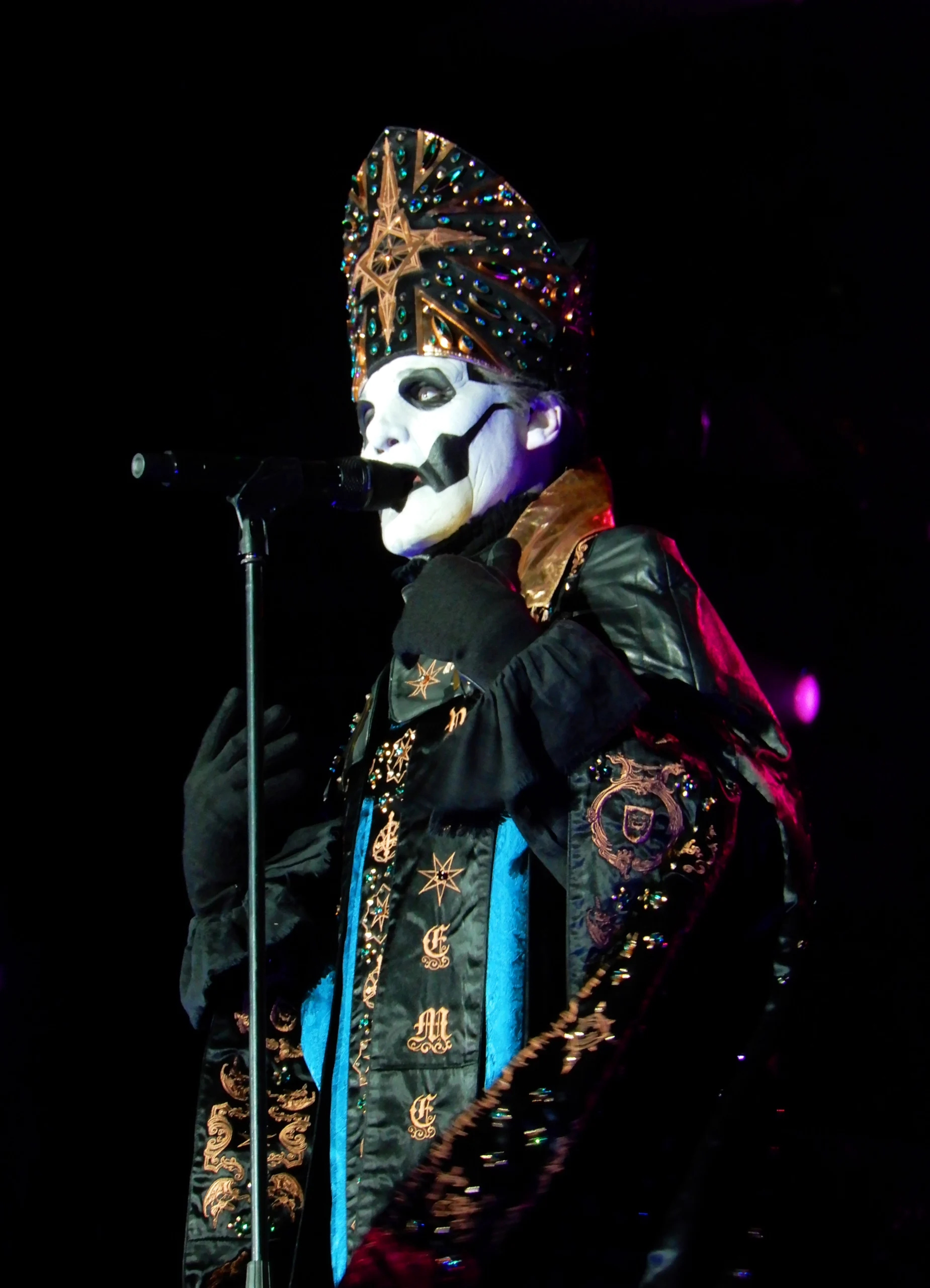
Main Facts: The Resurrection of an Underground Legend
More than two decades after closing the chapter on his foundational Swedish death metal band, Tobias Forge—globally celebrated as the mastermind behind the theatrical Grammy-winning phenomenon Ghost—has officially resurrected Repugnant. In an unexpected crossover between extreme music and independent horror cinema, the cult-status extreme metal group has re-recorded their classic 2004 track “Premature Burial.”
This brand-new recording serves as a centerpiece for V/H/S/Mixtape, the latest terrifying installment in the acclaimed V/H/S found-footage anthology franchise. The film made its theatrical premiere at Beyond Fest before expanding its reach globally, officially dropping on the horror streaming platform Shudder.
For fans of Forge’s early work, the return of Repugnant is nothing short of a seismic event. However, this reunion comes with several surprising twists. While Forge was the creative force, primary songwriter, and original vocalist during the band’s active years, he does not step up to the microphone for this new iteration of “Premature Burial.” Instead, vocal duties are handled by Erik Danielsson of the notorious black metal institution Watain.
Danielsson is joined in the studio by a powerhouse lineup of former Repugnant members:
- Gustaf Lindström on bass (who also spent time in the early developmental iterations of Ghost)
- Gottfrid Åhman on guitar
- Thomas Daun on drums
Adding another layer of intrigue to the release, Tobias Forge is officially credited as the director of the music video accompanying the track, marking his historic first-ever credit behind a camera.
Chronology: Tracing the Evolution from Repugnant to Ghost
To fully appreciate the significance of Repugnant’s return, one must trace the timeline of Tobias Forge’s musical evolution, which spans from the murky depths of underground Scandinavian death metal to mainstream rock arenas.

1998–2004: The Birth and Death of Repugnant
Tobias Forge founded Repugnant in Stockholm, Sweden, in 1998, operating under the moniker "Mary Goore." During this era, the extreme metal underground was experiencing a fierce revival of traditional, old-school death metal inspired by bands like Possessed, Autopsy, and Morbid Angel. Repugnant quickly established themselves as a formidable force in the tape-trading community, releasing a string of raw, uncompromising underground singles, demos, and EPs that captured the visceral grit of early 1990s death metal. Despite building a dedicated cult following, internal friction, shifting lineups, and a lack of mainstream traction led Forge to pull the plug on the band in 2004.
2006: The Posthumous Release of Epitome of Darkness
Two years after the band officially disbanded, Repugnant’s hard-earned legacy was cemented with the 2006 release of their posthumous full-length studio album, Epitome of Darkness. The record compiled much of the band’s unreleased material and stood as a definitive testament to what could have been. For many years, it appeared that Epitome of Darkness would be the final recorded statement from the group.
The Early 2010s: Brief Resurrections
In the early 2010s, Forge briefly reassembled Repugnant for localized live appearances, hinting at a potential creative spark. However, these reunions were short-lived. Forge’s creative energies were increasingly consumed by a new, highly secretive, occult-themed rock project that blended traditional heavy metal, pop hooks, and theatrical satanic imagery: Ghost.
2010–Present: The Rise of Ghost and Repugnant’s Hibernation
As Ghost exploded into global prominence—headlining arenas, winning Grammy Awards, and releasing chart-topping albums like Meliora and Impera—Repugnant faded further into metal folklore. Most modern fans of Forge came to know him exclusively through his theatrical personas, such as Papa Emeritus and Cardinal Copia. The idea of Repugnant ever entering a recording studio again seemed entirely out of the question.
October 2024–Present: The Shudder Integration
Twenty years after their initial breakup, the stars finally aligned for a reunion. Approached to contribute to the V/H/S anthology franchise, Forge coordinated the re-recording of "Premature Burial," culminating in its high-profile premiere on Shudder.
Supporting Data: Inside the Architecture of V/H/S/Mixtape
V/H/S/Mixtape breaks away from the conventional structure of the previous installments in the franchise by heavily weaving music culture and music video aesthetics directly into the narrative framework of the found-footage horror format.
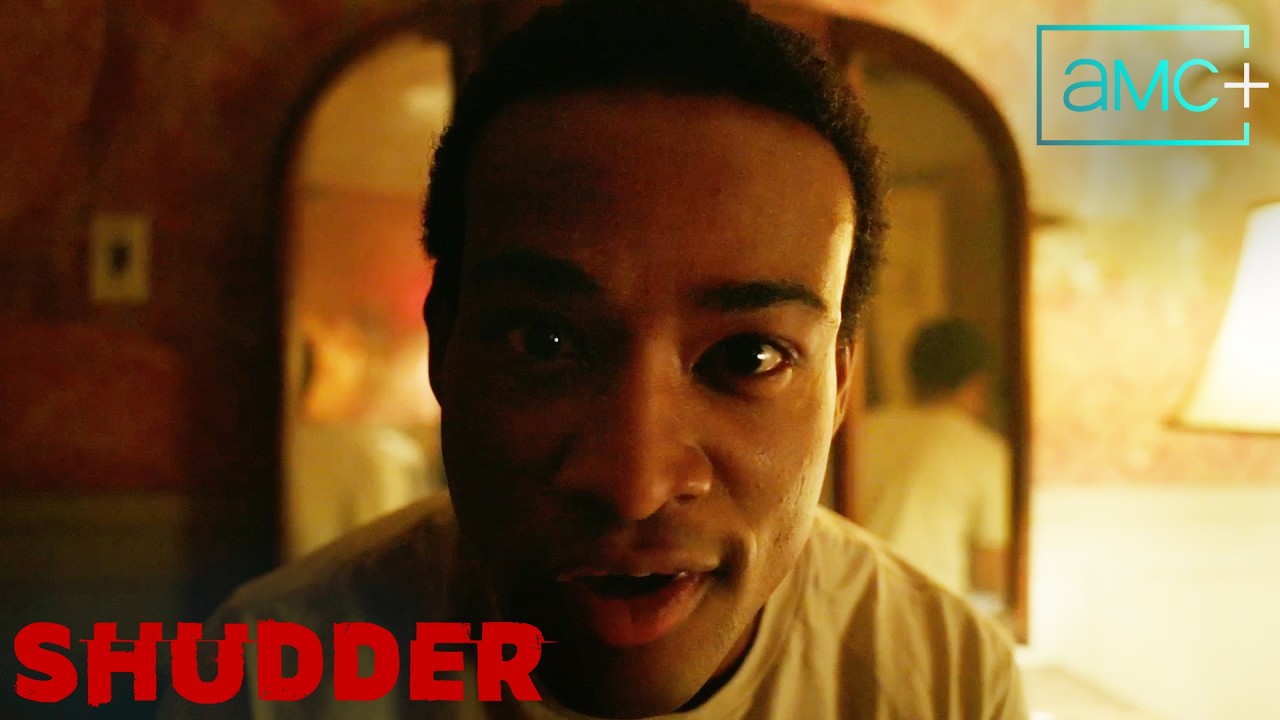
Running at a brisk and relentless 98 minutes, the anthology leans heavily into nostalgic 1980s and 1990s media consumption habits, utilizing the visual language of MTV, late-night horror hosts, and VHS tracking lines.
Key Elements of V/H/S/Mixtape:
- The Wraparound Segment: Hosted by the legendary, cosmic shock-rock monsters GWAR, the framing device is staged as an anarchic, chaotic MTV-style heavy metal television broadcast transmitted straight from the depths of hell.
- Directorial Lineage: Acclaimed filmmaker Ernest Dickerson (director of Tales from the Crypt: Demon Knight and Juice) directs the standout segment "The Music of Mr. Sze," which follows a desperate student tracking down a mysterious, otherworldly teacher.
- Electronic and Experimental Soundscapes: Visionary electronic artist and filmmaker Flying Lotus contributes musical interludes and atmospheric design, cementing the film’s auditory obsession.
- The Repugnant Segment: Positioned neatly within the anthology’s unique curation, the newly shot music video for "Premature Burial"—directed by Forge himself—acts as a bridge between the visceral terror of the screen and the blistering speed of death metal.
Official Responses and Creative Perspectives
The convergence of Swedish extreme metal royalty and the horror streaming landscape has generated considerable buzz across both the heavy music press and the film community.
While Tobias Forge has historically maintained an air of meticulous control and mystique regarding his artistic output—frequently utilizing pseudonyms and maintaining character immersion during his years with Ghost—his willingness to step behind the camera for the "Premature Burial" video signals a rare, hands-on return to his extreme metal roots.
Collaborator Erik Danielsson of Watain expressed enthusiasm for the project, noting that revisiting the classic material allowed the musicians to honor their shared underground history. Having known Forge since their formative days in the brutal Swedish extreme metal scene of the late 1990s, Danielsson’s inclusion on vocals bridges the gap between old-school authenticity and contemporary metal excellence.
Representatives for Shudder and the V/H/S production team have highlighted V/H/S/Mixtape as an evolutionary step for the franchise, emphasizing that marrying found-footage horror with extreme music video aesthetics provides an unfiltered sensory assault that resonates deeply with modern genre fans.
Implications: What This Means for Metal and Horror Fans
The unexpected return of Repugnant via a horror anthology on Shudder carries several fascinating implications for both the heavy metal underground and multimedia cross-promotional strategies.

1. The Normalization of Genre-Bending Collaborations
Historically, underground death metal and mainstream horror anthologies occupied distinct, niche cultural spheres. By embedding a canonical Swedish death metal track inside a widely distributed horror streaming release, the project proves that extreme music can successfully function as cinematic narrative fuel. It opens the door for future collaborations between extreme musicians and horror auteurs.
2. Validating Tobias Forge’s Underground Credibility
While mainstream pop and rock critics sometimes focus exclusively on Ghost’s accessible hooks and arena-sized theatricality, projects like this remind the global music community of Forge’s deep, authentic roots in the extreme underground. By directing his first-ever music video for a death metal track rather than a Ghost single, Forge actively reconnects with the subculture that shaped his musical identity.
3. A Blueprint for Future Cult Reunions
The manner of Repugnant’s return—bypassing a traditional full-length tour or a messy comeback album in favor of a singular, highly curated cinematic offering—presents a modern blueprint for legacy acts. It demonstrates that bands can deliver fresh material to eager fans without the logistical strain of a full-scale touring schedule.
As V/H/S/Mixtape streams to millions of homes worldwide, the rotting corpse of Repugnant has officially risen from the grave, proving that true extreme metal never truly dies—it simply waits for the right horror movie to unleash its wrath once again.
