
Picture Perfect Terror: The Cinematic Evolution of ‘MADiSON’
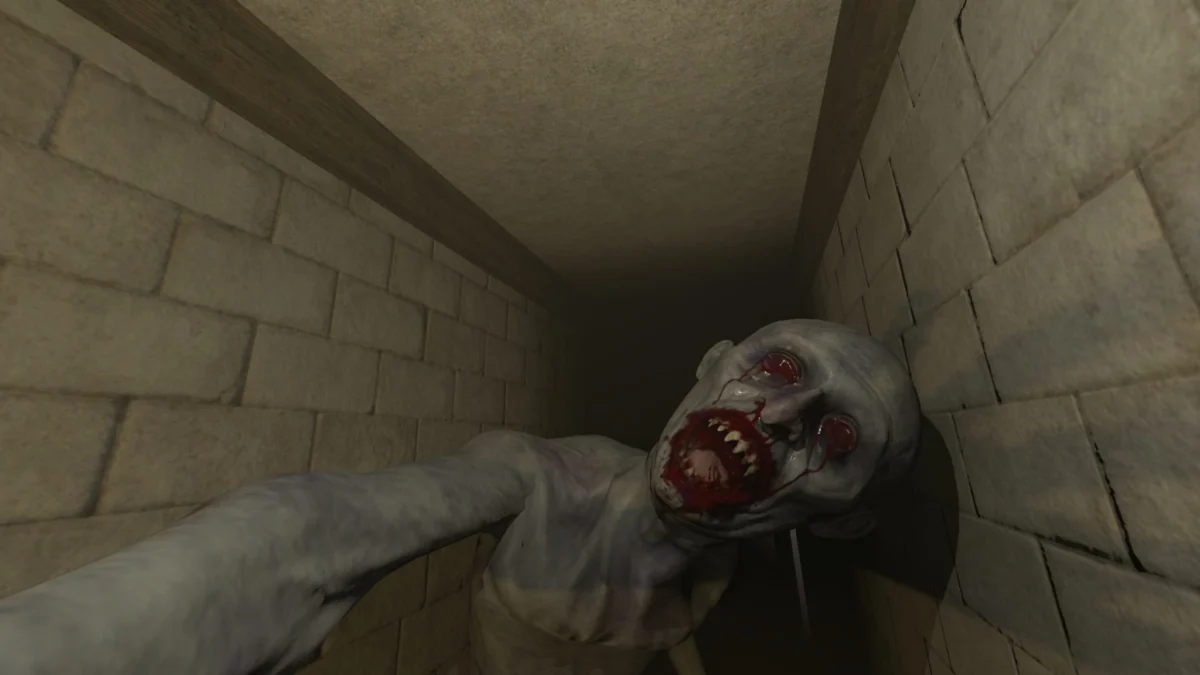
The landscape of modern horror gaming has long been defined by its ability to turn mundane objects into instruments of dread. From the flashlight in Alan Wake to the video camera in Outlast, the tools we use to perceive our environment often become our greatest vulnerabilities. Few games have mastered this psychological tightrope walk as effectively as MADiSON, the 2022 breakout title from Bloodious Games. Now, according to industry insider Daniel Richtman, the terrifying, shutter-clicking nightmare is poised to make the jump from the console to the silver screen, with Story Kitchen reportedly spearheading the adaptation.
The Foundation: A Story of Blood and Shutter Speed
For the uninitiated, MADiSON is a first-person psychological horror experience that drops the player into the role of Luca, a young man who awakens in a state of disorientation, trapped in a dark room with his hands stained by blood. The narrative quickly spirals into a harrowing ordeal involving a demonic entity that forces Luca to complete a gruesome, decades-old ritual.
What elevates MADiSON above the standard "haunted house" trope is its core mechanic: the instant camera. In the game, the camera serves as a bridge between the living world and the supernatural. Players must capture photographs to interact with the environment, solve intricate puzzles, and—most terrifyingly—unveil the entities lurking just out of sight. The act of waiting for a Polaroid to develop, watching the image slowly bleed into reality, created a sense of sustained tension that has become the hallmark of the MADiSON experience.
Chronology of a Cult Classic
The journey of MADiSON from an indie project to a potential cinematic franchise is a testament to the power of viral horror.
- 2022: The Arrival: MADiSON was released in July 2022 to significant acclaim from horror enthusiasts. It quickly gained traction on streaming platforms like Twitch and YouTube, where the visceral, jump-scare-heavy gameplay became a rite of passage for content creators.
- 2023: Critical Consolidation: As the game found its audience, it was recognized for its oppressive atmosphere. Critics noted that while the puzzle mechanics occasionally veered into the obtuse, the game’s sound design and psychological pacing set a new high bar for indie horror.
- 2025: The Rumor Mill Begins: Following a period of relative quiet, reports surfaced in mid-2025 suggesting that Story Kitchen—a production company founded by Dmitri M. Johnson, Mike Goldberg, and Timothy I. Stevenson—had taken an interest in the property.
- Present Day: While the adaptation remains in the early stages of development, the rumor has reignited interest in the franchise, leading to a surge in player counts for the original game and renewed discussions regarding the potential for a feature-length adaptation.
Supporting Data: Why ‘MADiSON’ Works as Cinema
The horror genre has seen a massive resurgence in game-to-film adaptations, with projects like Five Nights at Freddy’s and the The Last of Us television series proving that gamers and general audiences alike are hungry for interactive narratives on the big screen. MADiSON possesses several unique advantages that make it a prime candidate for a film adaptation:
1. The Visual Language of the Polaroid
Cinema is a visual medium, and the camera mechanic in MADiSON is inherently cinematic. The "wait-and-see" approach to horror—where the audience knows something is in the room but must wait for the photo to develop to confirm it—is a masterclass in suspense. It allows for a director to play with negative space, shadows, and the audience’s own patience.
2. A Closed-Loop Narrative
Unlike open-world games that require massive amounts of lore-dumping, MADiSON is a contained story. The claustrophobic nature of the house and the specific, ritualistic nature of Luca’s plight translate naturally to a three-act screenplay structure. It offers a clear beginning (the awakening), middle (the ritual), and end (the resolution of the demon’s curse).
3. Psychological Pacing
In our review of the game, Justin Wood remarked that MADiSON was "easily the scariest game I’ve played this year." This sentiment was echoed by a large portion of the player base. The game focuses on psychological erosion rather than mere action. By keeping the threat intimate and personal, the film version could avoid the common pitfalls of "monster-of-the-week" horror movies, opting instead for a character-driven descent into madness.
Official Responses and Industry Status
As of this writing, there has been no official press release from Bloodious Games or Story Kitchen confirming the project’s greenlight. The report from Daniel Richtman remains an "industry scoop," which is common for projects currently in the "development hell" or "pre-production" phases.

In the world of Hollywood, "in development" can mean anything from an initial pitch meeting to a completed script draft. Story Kitchen, however, is a company with a specific pedigree in video game adaptations, having been involved in the Sonic the Hedgehog films and the Tomb Raider animated series. Their involvement suggests that the project is being handled by individuals who understand the nuances of translating "game logic" into "movie logic."
Until a director or lead cast member is attached, fans should temper their expectations. Adapting a game that relies so heavily on the player’s direct agency is a difficult task. The screenwriters will have the arduous job of translating the "puzzles" into narrative obstacles that don’t feel like a forced video game tutorial.
Implications: The Future of Indie Horror Adaptation
The potential adaptation of MADiSON signals a shift in how Hollywood views the horror gaming industry. Previously, studios only looked at massive, AAA franchises like Resident Evil or Silent Hill. MADiSON represents a new wave of "indie-horror" properties that have built massive, dedicated fanbases through social media and streaming.
The Challenge of Adaptation
The biggest hurdle for any MADiSON film will be the pacing. In a game, players spend minutes in a single room trying to figure out where to place a photograph or which door to unlock. In a film, this must be condensed into a seamless flow of tension. If the movie relies too heavily on the "puzzle-solving" aspect, it risks becoming repetitive. Conversely, if it leans too far into the demon-slaying action, it loses the psychological dread that made the game special.
Expanding the Lore
If successful, a MADiSON film could open the door to a deeper expansion of the game’s mythology. The lore surrounding the demon and the ritual is dense, and a movie provides the perfect medium to explore the backstory of the entity that haunts Luca.
Conclusion: A Developing Picture
While we wait for official confirmation, the chatter surrounding MADiSON serves as a reminder of the game’s enduring impact on the horror community. It captured a lightning-in-a-bottle moment where the limitations of the medium—the tight spaces, the forced perspective of the camera, and the helplessness of the protagonist—became its greatest strengths.
Whether the film adaptation makes it to the screen or remains a "what if" in the annals of development news, the legacy of the game is secure. For now, the most effective way to experience the terror of MADiSON remains the original source material: sitting in the dark, with a controller in your hand, and a camera that sees things you’d rather not look at.
As Hollywood continues to scour the digital archives for the next big horror hit, MADiSON stands as a grim, beautiful, and deeply unsettling candidate for the big screen. We will continue to monitor this story as more details emerge regarding cast, crew, and potential production timelines. Until then, remember: in the world of MADiSON, the things you don’t see are usually the ones coming for you.
