
Leveling Up Hollywood: A Definitive Critical Ranking of Every Video Game Movie Released in 2026
Main Facts: The Renaissance of Video Game Adaptations
Long gone are the days when a video game adaptation served as little more than a cynical cash-grab, routinely plagued by cheap costumes, incoherent lore distortions, and an outright contempt for the source material. Historically speaking, the cinematic track record for video game adaptations was so abysmal that it created a distinct sub-genre of cinematic trainwrecks. However, the cultural landscape of Hollywood has undergone a seismic shift. Propelled by the massive critical and commercial successes of multimedia milestones like Arcane, Castlevania, Fallout, and Sonic the Hedgehog, studios have finally cracked the code.
Rather than treating source material as an afterthought, contemporary filmmakers are leveraging the unique grammar of interactive media, translating complex gameplay loops and atmospheric dread into compelling cinematic experiences.
The year 2026 proved to be an absolute banner year for this evolving sub-genre, flooding the box office with an eclectic slate of video game movies. Ranging from bloated, franchise-launching misfires to brilliant, genre-redefining horror, this year’s cinematic offerings have pushed the boundaries of adaptation. Below is the definitive, comprehensive critical ranking of every major Hollywood-backed and American video game film released in 2026. (Note: This ranking excludes international distributions such as Toho’s Japanese-language adaptation of Kotake Create’s horror hit, The Exit 8).
Chronology of the 2026 Box Office Slate
The 2026 video game movie calendar rolled out across distinct theatrical windows, setting up an intense battle between fighting game heavyweights, nostalgic animation, and gritty indie horror:
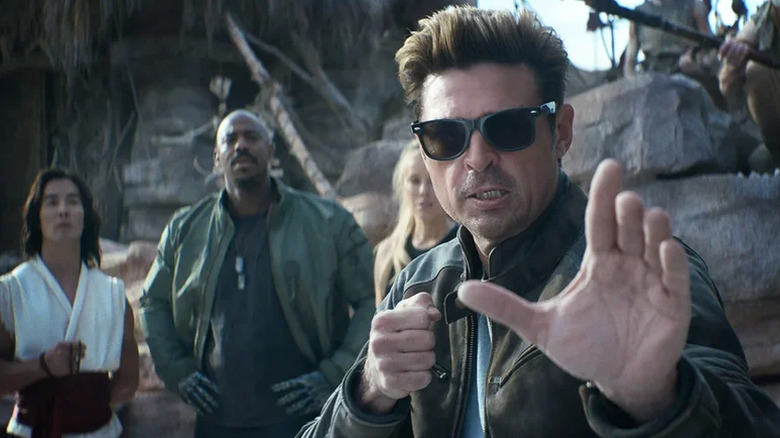
- Spring 2026: The box office kicked off with high-octane martial arts blockbusters, pitting Warner Bros.’ Mortal Kombat II against Paramount’s star-studded Street Fighter. Both films attempted contrasting approaches to the fighting game genre.
- Early Summer 2026: Universal Pictures capitalized on family audiences with the massive rollout of The Super Mario Galaxy Movie, attempting to expand Nintendo’s cinematic universe into cosmic territory.
- Late Summer 2026: Independent cinema shocked the industry when YouTuber Markiplier’s indie passion project, Iron Lung, subverted traditional studio distribution models to become a major box office sensation.
- Fall 2026: Sony Pictures closed out the year with a prestige horror-thriller approach to Capcom’s legendary survival horror franchise, redefining how video game films can achieve atmospheric fidelity.
Supporting Data & Detailed Film Rankings
5. The Super Mario Galaxy Movie (Universal Pictures)
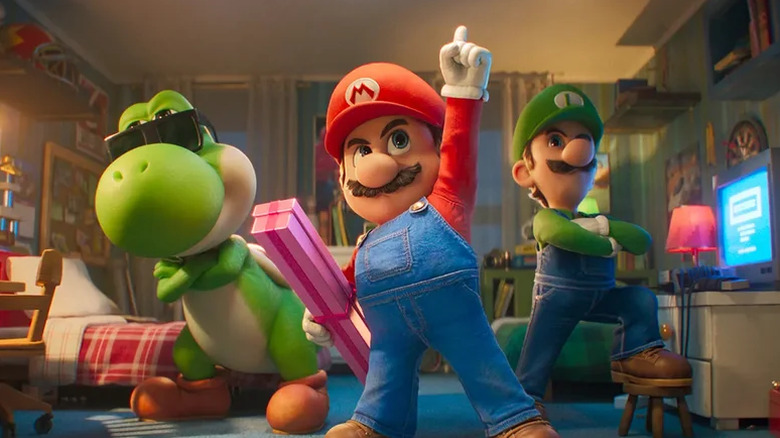
- The Premise: Following the astronomical financial success of the first Super Mario film, Universal and Nintendo returned with a cosmic sequel featuring franchise staples like Mario (Chris Pratt), Luigi (Charlie Day), and Yoshi (Donald Glover).
- The Execution: Despite its vibrant, eye-popping animation and star-studded voice cast, The Super Mario Galaxy Movie stumbles under the weight of its own ambition. Rather than focusing on a tight, adventurous narrative inspired by the critically acclaimed game, the film pivots into a late-stage Marvel Cinematic Universe pastiche. It aggressively introduces characters from across the broader Nintendo ecosystem—such as Fox McCloud (voiced by Glen Powell)—laying the groundwork for a Super Smash Bros. crossover that hasn’t officially been greenlit.
- The Verdict: The film ultimately rings hollow. Super Mario Galaxy is celebrated for its visually breathtaking planetary mechanics and innovative design; the cinematic adaptation, however, trades genuine wonder for cheap, fleeting Easter eggs and superficial references that leave little lasting impact.
4. Mortal Kombat II (Warner Bros. Pictures)
- The Premise: Serving as a direct course-correction from the heavily criticized 2021 predecessor—which infamously sidelined its titular tournament in favor of an original protagonist—this sequel dives headfirst into the bloody, high-stakes lore fans demanded.
- The Execution: Mortal Kombat II understands the fundamental appeal of its source material: larger-than-life warriors engaging in hyper-violent, impeccably choreographed combat. The movie embraces its supernatural roots while grounding its characters enough to make their rivalries compelling. Bolstered by Karl Urban’s charismatic turn as Johnny Cage and visually striking set pieces that cleverly mirror the stage designs and floating platforms of the games, this is the closest Hollywood has come to capturing the arcade spirit of the franchise.
- The Verdict: While it doesn’t reinvent the wheel, it delivers precisely what fighting game enthusiasts want: brutal fatalities, faithful aesthetics, and unabashed cinematic action.
3. Street Fighter (Paramount Pictures)
- The Premise: Released in the same calendar year as its fierce genre rival, Street Fighter took a radically different creative route than Mortal Kombat II, leaning heavily into kinetic, Hong Kong-inspired action choreography.
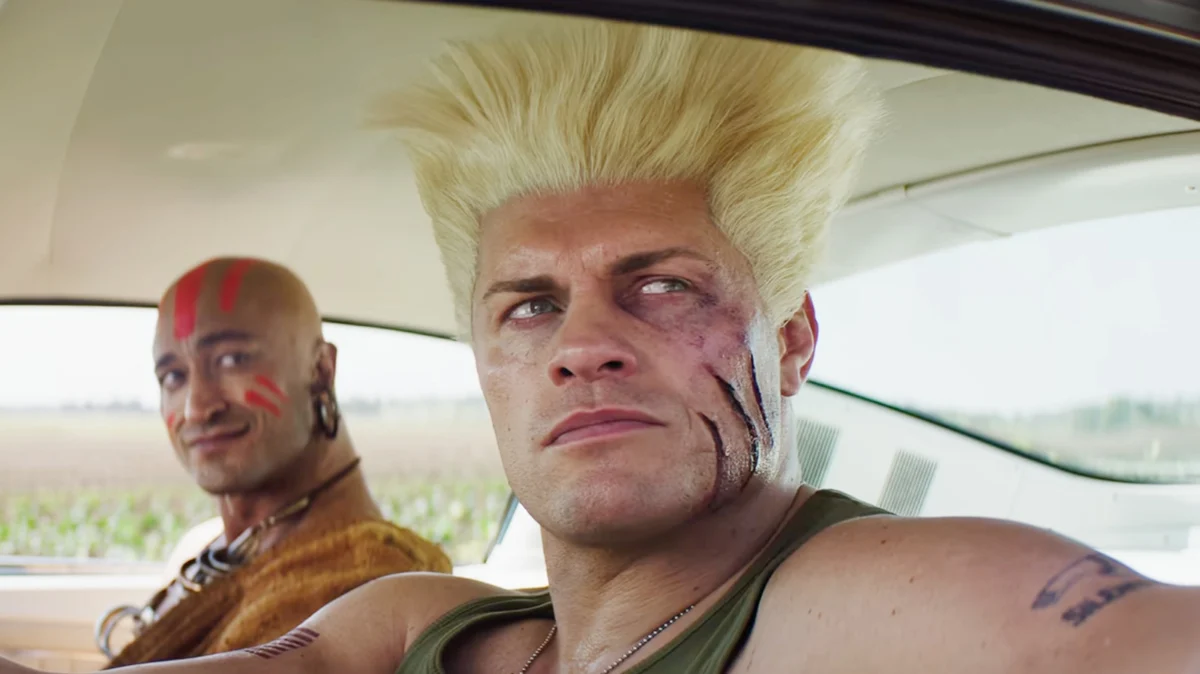
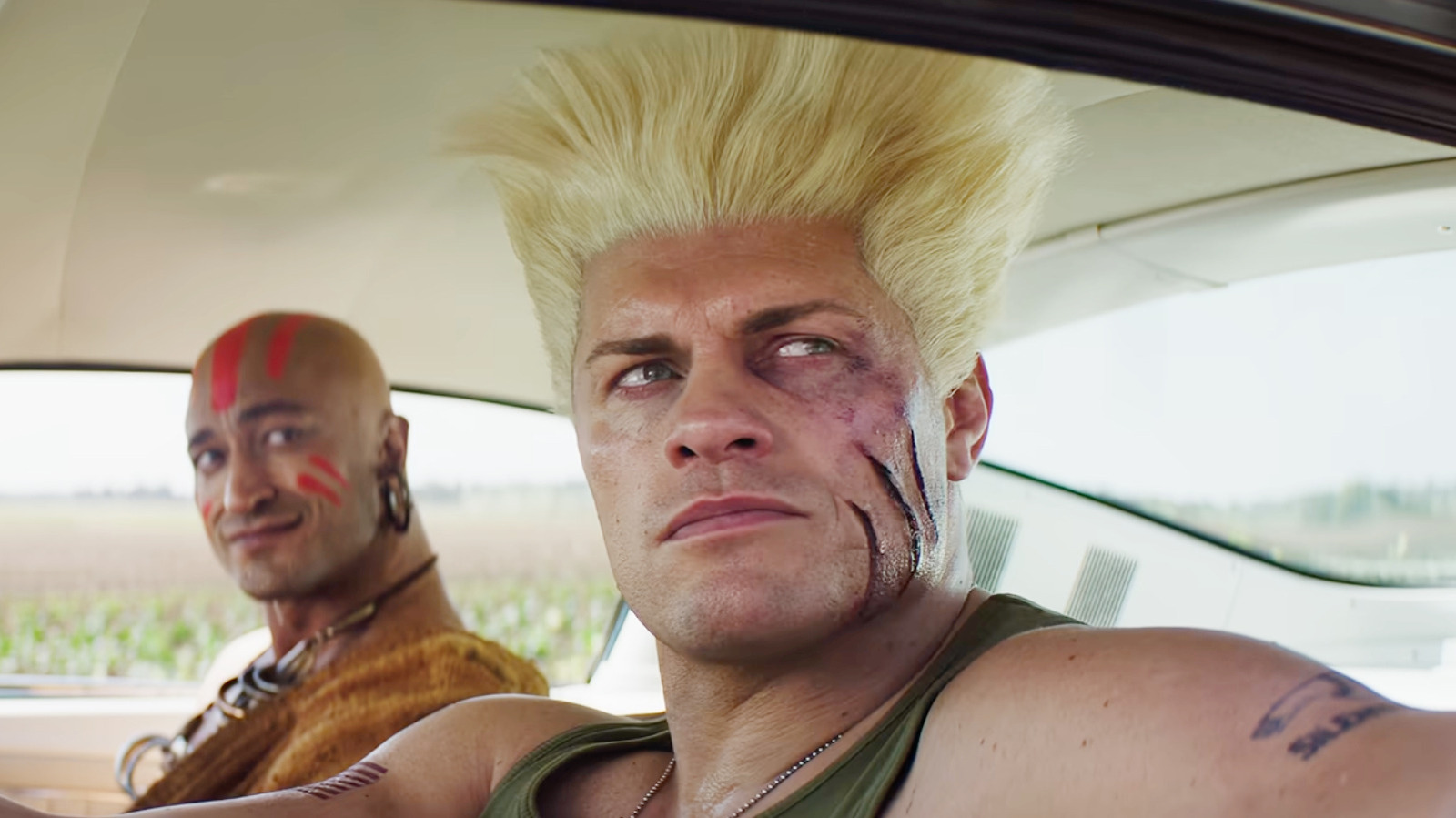
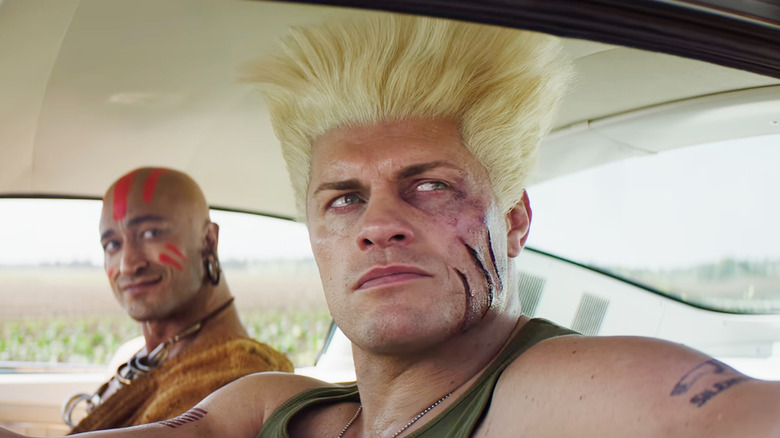
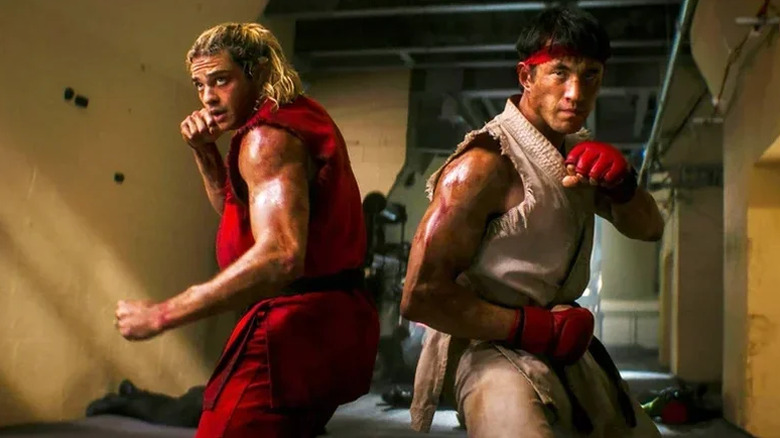
- The Execution: Directorially indebted to the style of Stephen Chow, Paramount’s Street Fighter expertly blends martial arts mayhem with physical comedy and tongue-in-cheek 1990s action camp. The film’s absolute high point arrives via stunning, ultra-violent animated flashback sequences detailing the tragic backstories of iconic combatants Ken Masters (Noah Centineo) and Ryu (Andrew Koji). These sequences channel the gritty, direct-to-video anime aesthetic of the 90s, offering genuine emotional resonance alongside hard-hitting choreography.
- The Verdict: Although it occasionally drifts away from the strict lore of the arcade games, Street Fighter succeeds because it captures the fundamental ethos and complex interpersonal dynamics of its roster, ultimately edging out Mortal Kombat II as a superior cinematic experience.
2. Iron Lung (Markiplier Studios)
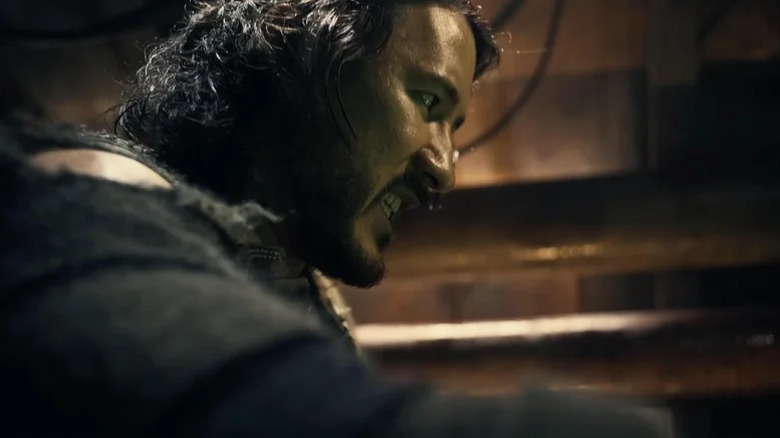
- The Premise: Easily the biggest shock of the cinematic year, this indie sci-fi horror picture was masterminded by YouTube sensation Markiplier in his feature-film directorial debut. Based on David Szymanski’s 2022 indie horror game, the film is set in a post-apocalyptic Earth decimated by the "Quiet Rapture," following a prisoner named Simon (Markiplier) tasked with piloting a fragile submarine through an abyssal ocean of human blood.
- The Execution: Operating with strict economic storytelling, Iron Lung leverages its singular, claustrophobic submarine setting to maximum effect. Markiplier demonstrates a mature grasp of tension, slowly escalating the dread until it reveals a terrifying, Lovecraftian threat. It walks the delicate tightrope of honoring its source material’s sparse lore without over-explaining the cosmic horrors at play.
- The Verdict: A visceral, blood-soaked masterclass in indie horror, Iron Lung expertly recreates the chilling, solitary terror of playing a psychological horror game alone in the dark.
1. Resident Evil (Sony Pictures Releasing)
- The Premise: After decades of uneven adaptations, Sony finally delivered a cinematic masterpiece by handing the reins to an auteur horror director—Zach Cregger—who understood the psychological mechanics of survival horror rather than relying on fan-service checklist items.
- The Execution: Cregger’s Resident Evil completely discards the familiar plots and legacy characters (such as Leon S. Kennedy or Chris Redfield) of the Capcom franchise. Instead, it follows Austin Abrams as a hapless, ordinary medical courier navigating a nightmarish biological outbreak. The brilliance of the film lies in its emotional mapping: it captures the sheer frustration, agonizing desperation, and claustrophobia of managing limited inventory, dodging insurmountable threats, and struggling against indestructible locks. Mirroring the tragic, haunting journal entries discovered scattered throughout the games, the film evokes the exact emotional fingerprint of the source material.
- The Verdict: By prioritizing experiential dread over superficial accuracy, Resident Evil stands proudly as the absolute pinnacle of video game cinema in 2026.
Official Responses and Industry Reactions
The commercial and critical successes of the 2026 slate have prompted major studio executives to reevaluate their long-term intellectual property strategies.
- Nintendo’s Cinematic Expansion: Following the mixed critical response to The Super Mario Galaxy Movie, Nintendo executives have reportedly signaled a shift toward more director-driven, standalone narratives rather than rushing into an interconnected cinematic universe.
- The Indie Revolution: The unprecedented box office triumph of Markiplier’s Iron Lung has sent shockwaves through major talent agencies, proving that digital-first creators with direct pipelines to gaming audiences can successfully disrupt traditional studio monopolies. Major distributors are now actively courting independent game developers and digital creators for future micro-budget horror adaptations.
Implications for the Future of Hollywood
The landscape of Hollywood has permanently evolved. The successes of Resident Evil and Iron Lung demonstrate that modern audiences no longer demand direct, beat-for-beat transcriptions of video game plots. Instead, viewers crave atmospheric translation—films that capture the emotional highs, interactive frustrations, and thematic dread of playing a game.
As studios look beyond 2026, the mandate for video game adaptations is crystal clear: respect the player’s experience, hire filmmakers with distinct artistic visions, and remember that capturing a game’s feeling will always outweigh a slavish devotion to its lore.
