
Reframing the Monster: How ‘Access: Horror’ is Dismantling Ableism in Cinema
For fifteen years, Ariel Baska commanded a classroom as a dedicated Latin teacher, a profession built on the structure of language and the rigors of tradition. However, upon transitioning into the film industry, Baska discovered that the cinematic world—often heralded as a bastion of creativity and inclusivity—was governed by a rigid, physical gatekeeping that rendered participation nearly impossible for those outside the normative experience.
"I found that all of these doors were closed to me because I could not literally walk in the front door," Baska explains. "As someone who is on the deaf-blind spectrum and has mobility impairments as well, it makes it very difficult when you literally just can’t access the networking spots where everyone is gathered."
The realization that their professional aspirations were being stifled not by a lack of talent, but by a lack of infrastructure, spurred a radical shift in perspective. Instead of waiting for the industry to evolve, Baska founded Access: Horror, a disability-led virtual film festival that is fundamentally challenging how the genre perceives, portrays, and provides access for disabled individuals.
The Genesis of a Movement: A Chronology of Access: Horror
The journey of Access: Horror began in 2023, born from the frustration of systemic exclusion. Baska, alongside co-director Heather Petrocelli, identified that the "horror" of the film industry was not found on screen, but in the barriers preventing disabled filmmakers and audiences from participating in the dialogue.
- 2023: Access: Horror is established as a digital-first response to the physical inaccessibility of traditional film festival circuits.
- Early 2024: The organization began building its inaugural slate, focusing on curating works that prioritize disabled narratives and creators.
- October 2024: The second annual festival cycle launches, running from October 4 to November 1. This period acts as a platform for emerging filmmakers to showcase work while integrating accessibility features—captions, audio descriptions, and content warnings—as a standard requirement rather than an afterthought.
- Ongoing: The team continues to negotiate with distributors and filmmakers to ensure that the accessibility assets created during the festival remain with the films, creating a permanent legacy of inclusivity for every project that passes through their program.
Why Horror? The Intersection of Fear and Disability
While many film festivals focus on broad, genre-agnostic narratives, Baska and Petrocelli intentionally gravitated toward horror. This choice is rooted in a historical grievance: the genre’s long, problematic history of using disability and disfigurement as shorthand for villainy or moral decay.
"Ableism and disabled and disfigured bodies have been at the heart of horror from the beginning," Petrocelli notes. By choosing this specific sandbox, the festival is not merely "showing films"; it is engaging in an act of reclamation.
The festival’s programming is divided into three distinct thematic blocks: Edibles, The Body Keeps the Score, and Dead Darlings. Each block serves as a vehicle for exploring the human condition through a lens that rejects the tired, offensive tropes of the past.
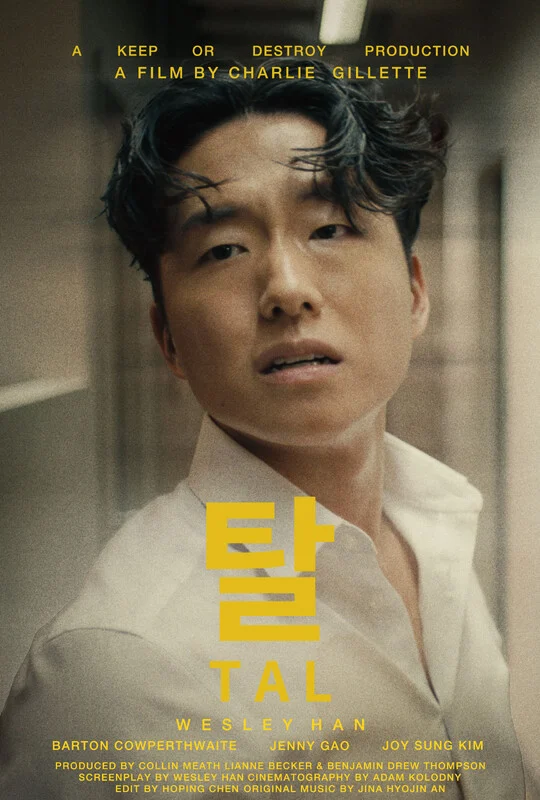
For example, Lee Cleaveland’s Everhand presents a visceral look at bodily autonomy, featuring a one-armed farmer fighting a corporate entity to reclaim his humanity. Charlie Gillette’s Tal (the Hebrew word for "mask") offers a claustrophobic, introspective meditation on the pressures of immigrant identity. Meanwhile, Priscilla Galvez’s A Fermenting Woman uses the visceral, transformative nature of food fermentation to explore the lengths one will go to survive a competitive industry.
These films represent a shift in the "monster" paradigm. As Baska asserts, the goal is to "center ableism as the horror rather than disability as the horror." By moving the fear away from the physical difference and onto the societal structures that create stigma, the festival forces audiences to confront the true antagonist: the prejudice embedded in our daily lives.
Supporting Data: The Practicality of Universal Design
The core mission of Access: Horror is the democratization of content. The festival serves as a testing ground for how accessible media can be produced without sacrificing artistic integrity.
A key component of the festival’s operational model is the "asset transfer" system. When a filmmaker’s work is selected for the festival, the team works with them to produce high-quality captions, audio descriptions, and detailed content warnings. Crucially, these assets do not belong to the festival; they belong to the filmmaker.
"The understanding is that if your film plays at Access: Horror, we give you those assets and they stay with the film for all future festivals," Petrocelli explains. "But the expectation is that you will budget for them appropriately moving forward in your career. It’s a way to both teach early-stage filmmakers about accessibility while also creating a better space for our audiences."
This model addresses a persistent myth in the independent film world: that accessibility is too expensive or technically burdensome for low-budget productions. By providing these assets, Access: Horror is proving that accessibility is a scalable, manageable part of the creative process that enhances a film’s marketability and reach rather than hindering it.
Official Responses and Philosophical Implications
The festival does not operate in a vacuum. It acknowledges that it is currently "finding its footing," as Baska puts it. The negotiation of accessibility is, by definition, a process of constant iteration.
"We’re still kind of finding our way and negotiating as best we can," Baska says. "In the way that accessibility is always kind of a negotiation, and you’re constantly trying to find your way between things, we just would ask that people consider the broader landscape that we are living in."
The philosophical argument at the heart of the festival is that horror is the most honest genre of the modern age. In an era marked by global trauma, pandemic, and social fragmentation, the "beating heart" of horror resonates with the lived experience of the disabled community. Baska suggests that there is a specific frequency to the horror genre—a frequency that disabled people are often more attuned to because they have been forced to navigate a world that was not built for them.
By providing a space for this conversation, Access: Horror is doing more than just screening movies; it is creating a blueprint for the future of the film industry. It asks the viewer to consider: If the "monster" is actually the system that excludes, then the "hero" is the one who builds the doors to let everyone in.
The Path Forward: Advocacy Beyond the Screen
The long-term implications of Access: Horror extend well beyond the month-long event. By educating emerging filmmakers on the necessity of budgeting for accessibility, the organization is effectively lobbying for a change in industry standards.
The film industry has historically treated accessibility as a "special interest" or a charitable add-on. Access: Horror is reframing it as a baseline requirement for any professional production. When a director understands that their film is incomplete without audio descriptions for the blind or captions for the deaf, the entire culture of production shifts.
As the festival grows, its impact on the horror community—and the independent film world at large—will likely be measured by the normalization of these practices. The ultimate success of the initiative will be reached when a festival like Access: Horror is no longer a necessity because every festival has become an access festival.
Until that day, Baska and Petrocelli remain committed to their "real pitch": for creators and viewers alike to engage with the reality of disability, not as a source of fear, but as a valid, creative, and essential perspective in the grand, terrifying opera of cinema.
As Baska concludes, "I feel like if we want to find ourselves, we have to find ways of engaging with the trauma that we’re all in at the moment. There’s a frequency that horror nerds are attuned to that no one else is." That frequency is the sound of a community finally making itself heard, loud and clear, in a world that once tried to shut the door.
