
Review: The Modified Multiregion Panasonic DP-UB150 4K Blu-ray/DVD Player for Framerate Purists

Main Facts
For home theater enthusiasts, videophiles, and specifically “framerate purists,” physical media playback involves navigating a complex labyrinth of regional restrictions and display cadence mismatches. Today, we examine a targeted hardware solution: the modified multiregion Panasonic DP-UB150 4K Ultra HD Blu-ray and DVD player.
Currently available on sale for $395 through specialized retailers like 220-Electronics (and occasionally found at an even lower price point as a reconditioned unit), this specific player bridges a critical gap in the market. Unlike many mainstream or higher-end hardware options that enforce rigid video conversions, the modified Panasonic DP-UB150 allows physical media collectors to bypass arbitrary global region codes while preserving the native cadences of international film and television content.
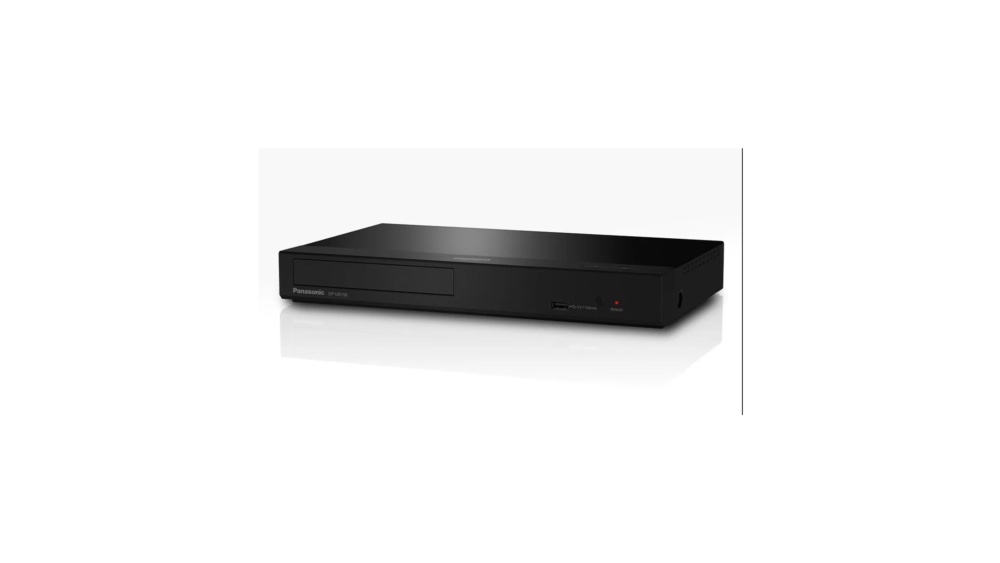
Key takeaways regarding the modified Panasonic DP-UB150 include:
- Region-Free Capabilities: Automatically handles DVD regions 1 through 8 (and Zone 0), while utilizing a simple user-activated menu sequence for Blu-ray Zones A, B, and C.
- Native Framerate Output: Supports true "match source" settings for 23.976p, 24p, 25p, and 50p/59.94p content, preventing the judder and motion artifacts introduced by forced 60Hz conversions.
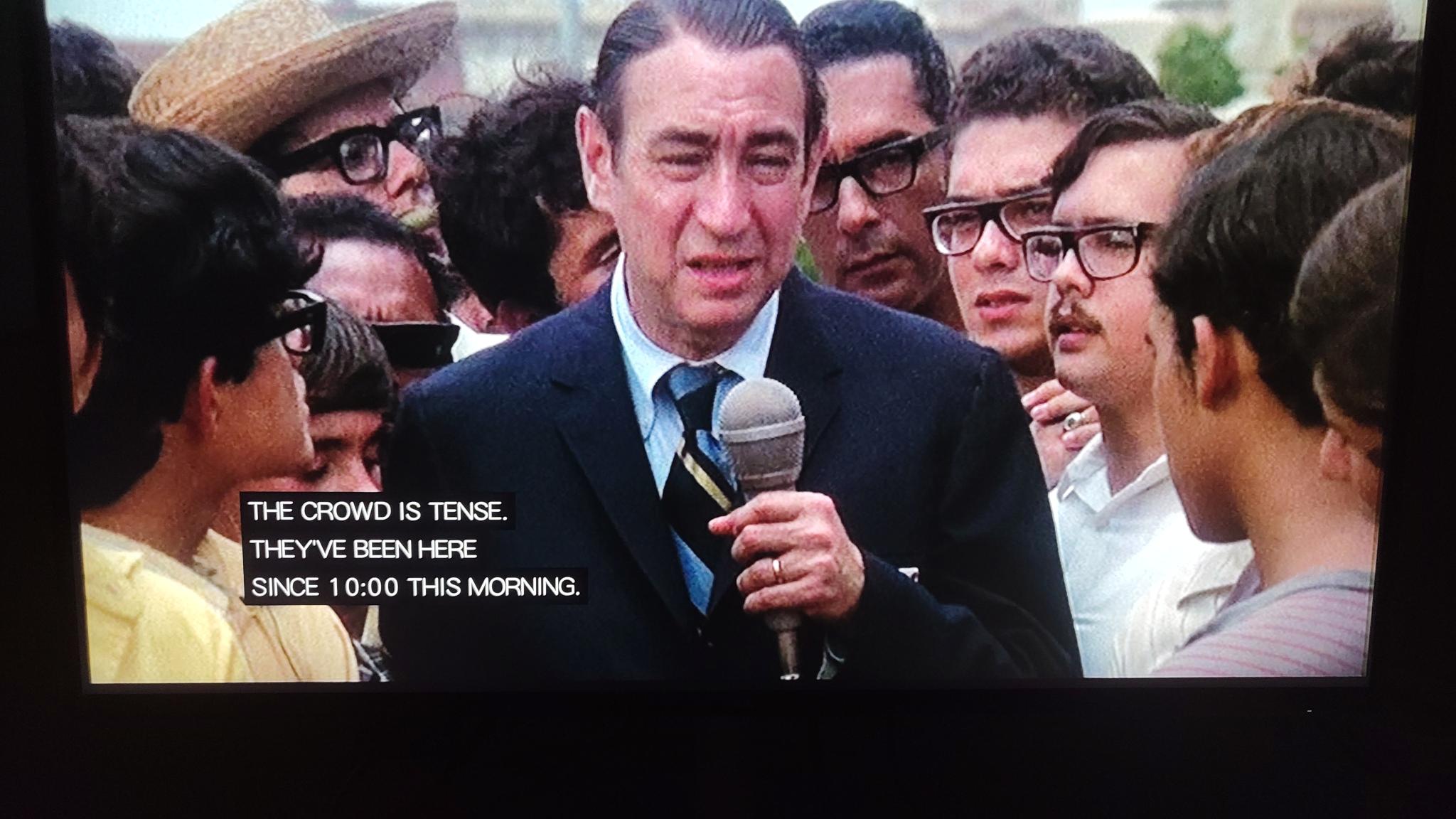
- Closed Caption Support: Uniquely handles legacy NTSC EIA-608 Line 21 analog closed captions over HDMI—a feature increasingly abandoned by modern disc player manufacturers.
- Value Proposition: Serves as the most affordable entry point for a dedicated, framerate-accurate 4K disc transport, making it an ideal choice for users who eschew flawed built-in streaming apps in favor of separate, dedicated set-top boxes.
Chronology of Regional Coding and Cadence Standards
To understand why specialized hardware like the modified DP-UB150 is necessary, one must look back at the historical framework governing home video distribution.
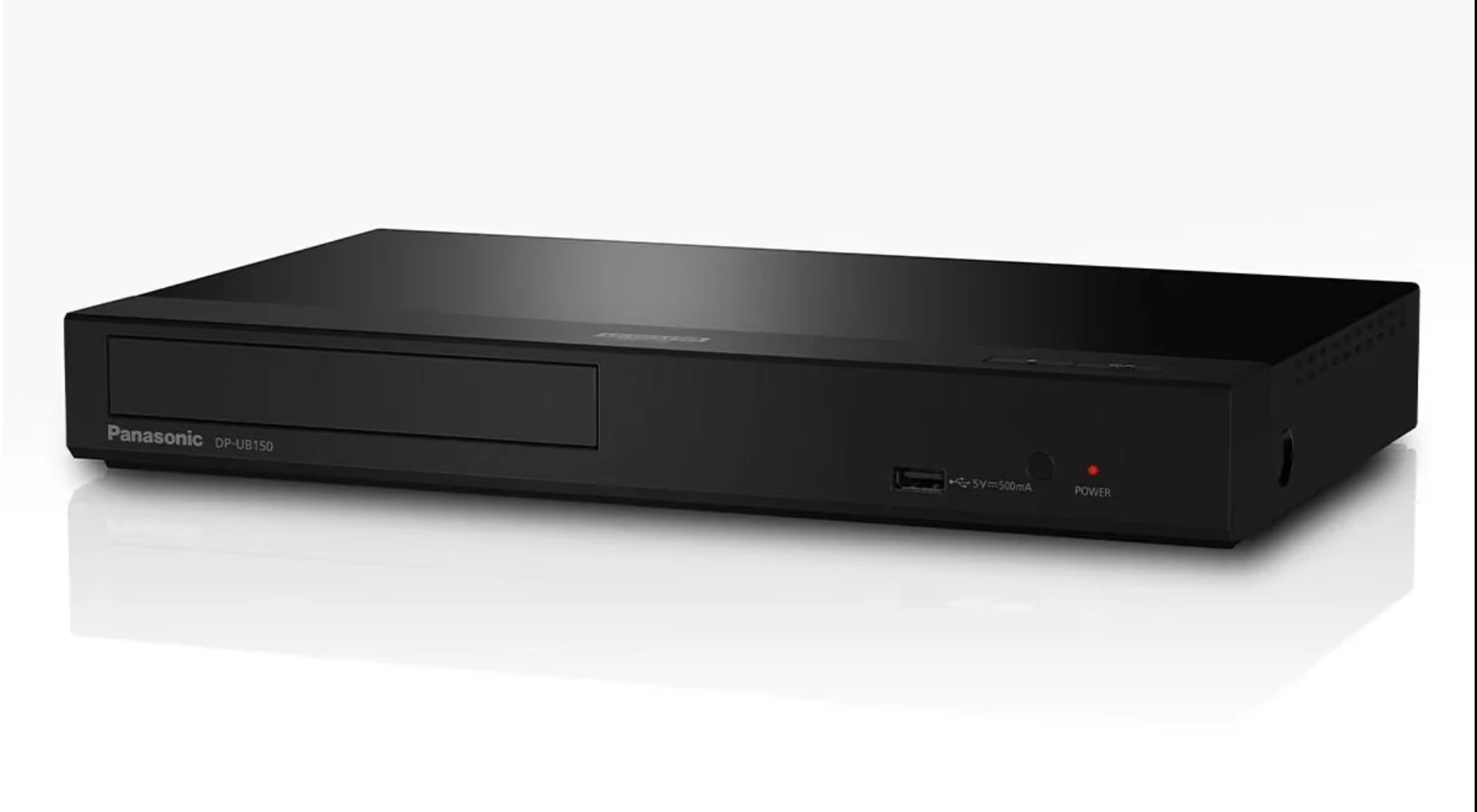
The Evolution of Regional Restrictions
Decades ago, the entertainment industry divided the globe into commercial distribution zones to control release windows and pricing structures across international markets.
- DVD Era: Studios implemented Regions 1 through 8 (with Zone 0 representing worldwide, unrestricted playback).
- Blu-ray Era: The landscape was compressed into three broad zones: Zone A (Americas, East Asia), Zone B (Europe, Africa, Australia, Middle East), and Zone C (Central/South Asia, China, Russia).
By contractual obligation, major consumer electronics manufacturers design stock hardware to respect these geographic lockouts. To counter this, third-party specialists modify these players at the firmware or hardware level, unlocking global compatibility ("region-free" or "multiregion" status) to restore consumer freedom.

The Technical Challenge: Frame Rates and Pulldown
Beyond regional locking, home video history is deeply intertwined with television broadcast standards (such as NTSC, PAL, and SECAM). Cinematic content shot at 24 frames per second (or 23.976 fps) traditionally required complex pulldown processing (such as 3:2 telecine) to fit into 59.94 Hz NTSC television structures, or speed-ups to fit 25 fps PAL standards.
Many consumer TVs and monitors sold in North America remain "segregated" or hard-locked to a single 60 Hz (or 59.94 Hz) panel refresh rate. Consequently, most standard multiregion players force real-time conversions, turning 25p or 50p source material into 59.94p or 60p. While acceptable for locked consumer displays, this conversion introduces motion judder and processing artifacts that drive framerate purists—who intentionally invest in multirate display panels—to seek out hardware capable of matching source cadences precisely.
Supporting Data: Hardware Performance and Specifications
The Panasonic DP-UB150 stands out not because it is the most expensive player on the market, but precisely because it avoids the feature bloat of its higher-end siblings while retaining core video fidelity.
Why Choose the DP-UB150 Over Higher-End Models?
Higher-end Panasonic models (such as the UB420, UB820, or UB9000) offer perks like faster disc loading times, premium remote controls, and built-in smart apps for services like Netflix, Prime Video, and YouTube. However, extensive testing reveals a critical flaw in these built-in apps: they force all video playback into a single, rigid framerate, ignoring native cadence matching.

Framerate purists are far better served by pairing the cost-effective, modified DP-UB150 disc transport with a dedicated set-top streaming device (like an Apple TV) that correctly manages native framerates for streaming apps. Furthermore, minimizing investment in mechanical disc-spinning components—which are statistically prone to earlier hardware failure than solid-state streaming boxes—makes sound financial and technical sense.
High Dynamic Range (HDR) Considerations
The modified Panasonic DP-UB150 supports standard HDR formats found on 4K Ultra HD Blu-ray discs, including HDR10 and HDR10+. It does not support Dolby Vision.

It is important to note that standard DVDs and traditional 1080p Blu-ray discs do not feature HDR encoding; HDR is exclusive to select 4K UHD releases. Therefore, unless a user specifically intends to purchase a large library of 4K UHD discs mastered in Dolby Vision and owns a Dolby Vision-compatible display, the lack of Dolby Vision on the DP-UB150 is a non-issue. The author’s evaluation focused heavily on standard definition DVDs (both NTSC and PAL) and 1080p international Blu-rays, making the DP-UB150 an optimal, budget-conscious choice.
Managing the Display and Cadence Settings
To achieve true framerate purism, users must configure the DP-UB150 alongside a multirate display device (such as a 120 Hz monitor or TV capable of accepting native cadences like 23.976 Hz, 24 Hz, 25 Hz, and 50 Hz):
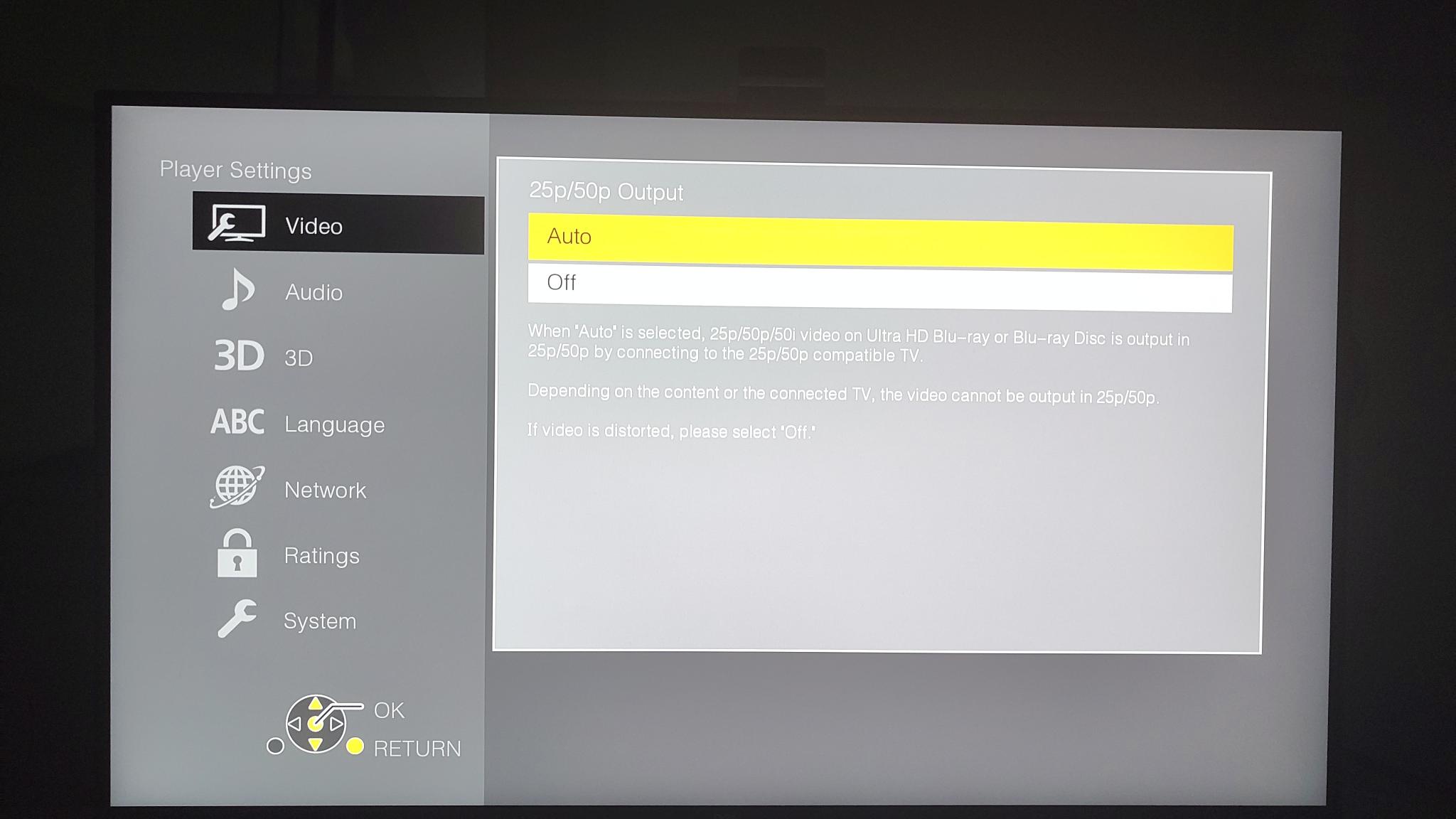
- 25p/50p Output: In the player settings, navigate to
25p/50p Outputand set it to Auto (instead of Off). This ensures PAL-derived DVDs and international Blu-rays output at their native 25 or 50 frames per second. - 24p Output: Set the
24poutput option to Auto. On 119.88 Hz / 120 Hz display panels (such as the Dell S2725QC), 23.976 fps sources are cleanly multiplied by 5 to display at 119.88 Hz without introducing judder or reverse telecine artifacts.
The Closed Caption Breakthrough
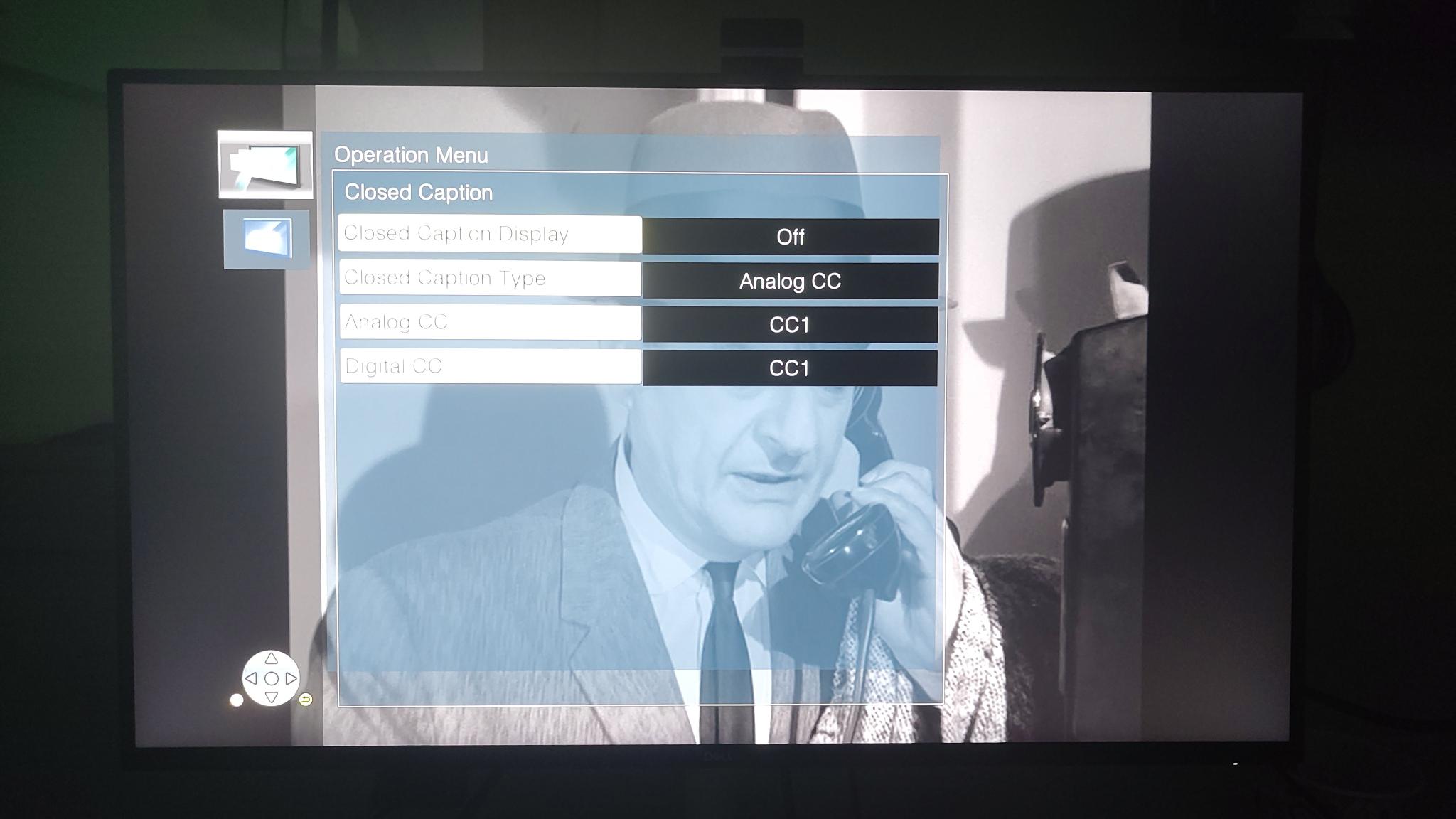
A frequently overlooked hurdle in modern home video playback is the handling of legacy subtitles and closed captions. While Blu-ray and 4K UHD formats utilize standard digital subtitle tracks, NTSC DVDs often relied on monochrome EIA-608 Line 21 Closed Captions. Historically, these required composite analog video outputs to be decoded by an external television.
As documented by technical video analysts, very few modern Blu-ray players can decode and render EIA-608 Line 21 captions over an HDMI connection. Fortunately, the modified Panasonic DP-UB150 successfully handles this via its Analog CC menu settings. Testing confirms it renders these captions correctly over HDMI for both interlaced (59.94i) and progressive (23.976 fps) NTSC DVDs—even allowing simultaneous display of subtitles and closed captions in dual languages, despite occasional minor positioning anomalies inherent to older disc authoring.

Official Responses and Operational Guidelines
Operating a modified multiregion player requires adherence to specific manufacturer and vendor guidelines to maintain system stability.
- Firmware Updates: When updating the system firmware, users must exercise caution. Official firmware updates downloaded directly from the standard Panasonic website are intended for stock, unmodified hardware. To avoid bricking or neutralizing the multiregion modifications, users should rely exclusively on custom firmware links provided directly by the specialty vendor (e.g., 220-Electronics version 1.13).
- Blu-ray Region Switching: While DVD region-switching is entirely automatic, Blu-ray region changes require a simple, quick button sequence on the included remote control (pressing the designated region number followed by the ‘OK’ button while the tray is open or unit is powered on).
- Power Compatibility: Units supplied by specialized multi-system vendors are built to accept universal power standards (typically 110V to 220V), eliminating the need for bulky external voltage transformers.
Implications for Videophiles and Physical Media Collectors
The availability of an affordable, highly functional transport like the modified Panasonic DP-UB150 carries broad implications for the physical media community:
- Democratization of Global Cinema: Collectors are no longer bound by arbitrary geographic boundaries. Cinephiles in North America can seamlessly access rare PAL-region television archives, foreign cinematic masterpieces, and exclusive international Blu-ray cuts without spatial compromise.
- Preservation of Artistic Intent: By maintaining strict adherence to native frame rates and avoiding destructive digital video processing, hardware setups centered around multirate displays and source-matching players ensure that films are experienced exactly as their creators intended.
- Economic Efficiency: The realization that high-end players add little value for purists who prioritize disc transports over flawed integrated streaming apps allows enthusiasts to allocate their budgets more effectively toward building robust media libraries and high-performance display hardware.
As the physical media market continues to cater to passionate niche audiences, devices like the modified Panasonic DP-UB150 prove that precision engineering and global accessibility do not necessarily require top-tier luxury pricing.
