
Taika Waititi’s ‘Klara and the Sun’ Stumbles: A Critical Post-Mortem of a Misguided Adaptation
Main Facts: The Arrival of a Disastrous Adaptation
When Nobel Prize-winning author Kazuo Ishiguro published his dystopian sci-fi novel Klara and the Sun in 2021, readers were greeted with a haunting, melancholic meditation on humanity, artificial intelligence, and mortality. Written in Ishiguro’s signature plaintive and precise prose, the story followed Klara—an Artificial Friend (AF) powered by solar energy—as she observed the nuances, heartbreaks, and quiet tragedies of human existence.
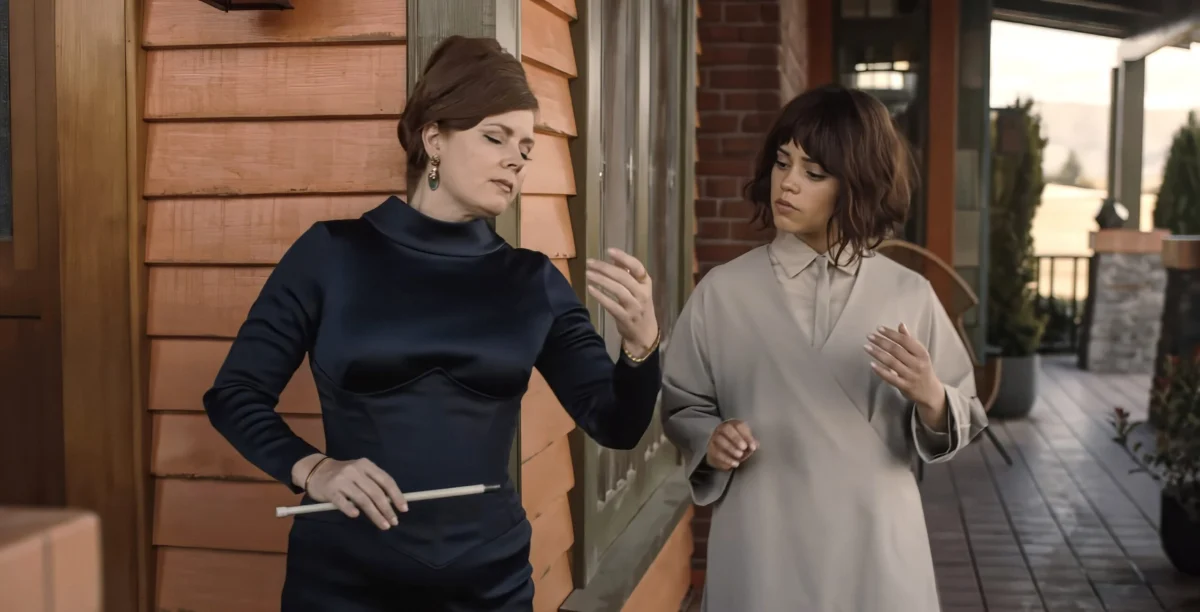
Fast forward to the cinematic translation directed by Taika Waititi, and those subtle, ambiguous emotions have been violently flattened. Starring Jenna Ortega as Klara and featuring an ensemble cast that includes Amy Adams, Natasha Lyonne, and Steve Buscemi, the film opened in theaters on Friday, October 23, to immediate critical alarm. Critics have panned the picture as a tonal disaster, a relentlessly twee misfire that actively sabotages its own dramatic stakes with gauche slapstick comedy, pastel-popped set designs, and a pathological allergy to sincerity.
Instead of capturing the profound, quiet questioning of Ishiguro’s text, Waititi has delivered an auteur-backed misfire—a cinematic miscalculation that leaves audiences questioning how such an esteemed pedigree of talent could veer so drastically off course.
Chronology: From Page to Screen to Critical Backlash
To understand how Klara and the Sun arrived at its current critical standing, one must trace its journey from speculative fiction bestseller to a beleaguered studio release:

- March 2021: Kazuo Ishiguro releases Klara and the Sun, his first novel since winning the Nobel Prize in Literature in 2017. The book is widely praised for its delicate exploration of a near-future world governed by class stratification and genetic engineering.
- Development Phase: Taika Waititi signs on to direct the adaptation, working alongside co-writer Dahvi Waller. Anticipation builds given Waititi’s track record of blending high-concept premises with idiosyncratic humor—a formula that won him an Oscar for Jojo Rabbit.
- Casting Announcements: Jenna Ortega is cast as the solar-powered AF Klara, joined by Amy Adams as Chrissie (mother to the ailing, genetically "Lifted" teenager Josie, played by Mia Tharia), Natasha Lyonne as the Store Manager, and Steve Buscemi in a mad-scientist-esque role.
- Production and Editing: Editors Adam Gough and Tom Eagles assemble the footage, utilizing jarring framing and jarring shifts in perspective to capture Klara’s juddering first-person point-of-view.
- October 23: Klara and the Sun officially opens in theaters, immediately drawing fierce criticism for its jarring tonal clashes, flat attempts at humor, and failure to engage with Ishiguro’s source material on a meaningful level.
Supporting Data: Cast, Crew, and Critical Reception
The financial and artistic architecture behind Klara and the Sun makes its critical freefall all the more notable. Sony Pictures Releasing backed the project, assembling a heavyweight roster of contemporary talent that ultimately buckled under the weight of misapplied tones.
Key Cast and Crew Breakdown
- Director: Taika Waititi
- Writers: Based on the novel by Kazuo Ishiguro; screenplay by Dahvi Waller and Taika Waititi
- Cinematography & Editing: Edited by Adam Gough and Tom Eagles; featuring a musical score by Michael Giacchino that critics note feels bathetic and misplaced.
- Principal Cast:
- Jenna Ortega as Klara
- Mia Tharia as Josie
- Amy Adams as Chrissie
- Natasha Lyonne as the Store Manager
- Steve Buscemi as the medical savant / Dr. Frankenstein figure
Critical Consensus
Reviewers have universally pointed out the film’s inability to balance whimsical comedy with grave existential themes. Michael Giacchino’s score, paired with bizarrely cued pratfalls—such as characters getting repeatedly shocked by an electric fence while trying to rescue Klara from a burning building—crystallizes the miscalculated tension of the film. Furthermore, Jenna Ortega’s recent string of challenging cinematic choices (including The Gallerist, Hurry Up Tomorrow, and Death of a Unicorn) has critics wondering if her immense talents are currently being misdirected on the big screen, contrasting sharply with her television triumphs like Netflix’s Wednesday.
Official Responses and Industry Reactions
As box office numbers roll in and the initial wave of reviews solidifies into a harsh consensus—highlighted by an outright "Grade: D" evaluation from major trade critics—representatives for the filmmakers and studio have largely remained quiet.
However, industry analysts are already categorizing Klara and the Sun alongside other high-profile auteur misfires of the year, such as Kogonada’s A Big Bold Beautiful Journey. These projects are increasingly being cited as cautionary tales about the dangers of giving visionary directors carte blanche without adequate tonal oversight.

For Taika Waititi, who proved with Jojo Rabbit that he could successfully mine dark historical subject matter for poignant, award-winning satire, this project represents a stark departure. Where Jojo Rabbit managed to balance whimsy with genuine emotional resonance, Klara and the Sun treats major existential questions as mere treacle, ultimately undermining its own narrative integrity.
Implications: What This Means for Future Literary Adaptations and Auteur Cinema
The failure of Klara and the Sun carries broader implications for Hollywood’s ongoing romance with prestige literary adaptations and auteur-driven science fiction:
1. The Limits of Whimsy in Dystopian Narratives
Ishiguro’s work relies on emotional ambiguity and quiet devastation. When filmmakers attempt to inject high-energy slapstick, pastel aesthetics, and manic-pixie tropes into fundamentally somber material, the result is creative whiplash. This misfire demonstrates that not every visionary director is suited for every piece of source material, and stylistic matching remains paramount.
2. Scrutiny Over Auteur "Director Jail"
As studios pull back on blank-check financing for mid-to-high-budget projects, critical disasters like this one fuel industry conversations about "director jail." When expensive, star-studded adaptations fail both critically and commercially, studios become markedly more conservative with greenlighting boundary-pushing sci-fi concepts.

3. Career Trajectories for Young Stars
For Jenna Ortega, the film highlights a growing disconnect between her powerhouse performances on television and her bumpier transition into cinematic vehicles. As industry watchers look toward upcoming projects—such as her potential collaboration with writer/director Mary Bronstein—there is an urgent hope that her magnetic screen presence will find material worthy of her capabilities.
Ultimately, Klara and the Sun serves as a sobering reminder that artificial intelligence and advanced cinematic technology cannot rescue a film that lacks genuine intellectual curiosity and emotional sincerity.
