
The Digital Pole Position: How Adobe and BWT Alpine F1 are Redefining Fan Engagement through AI
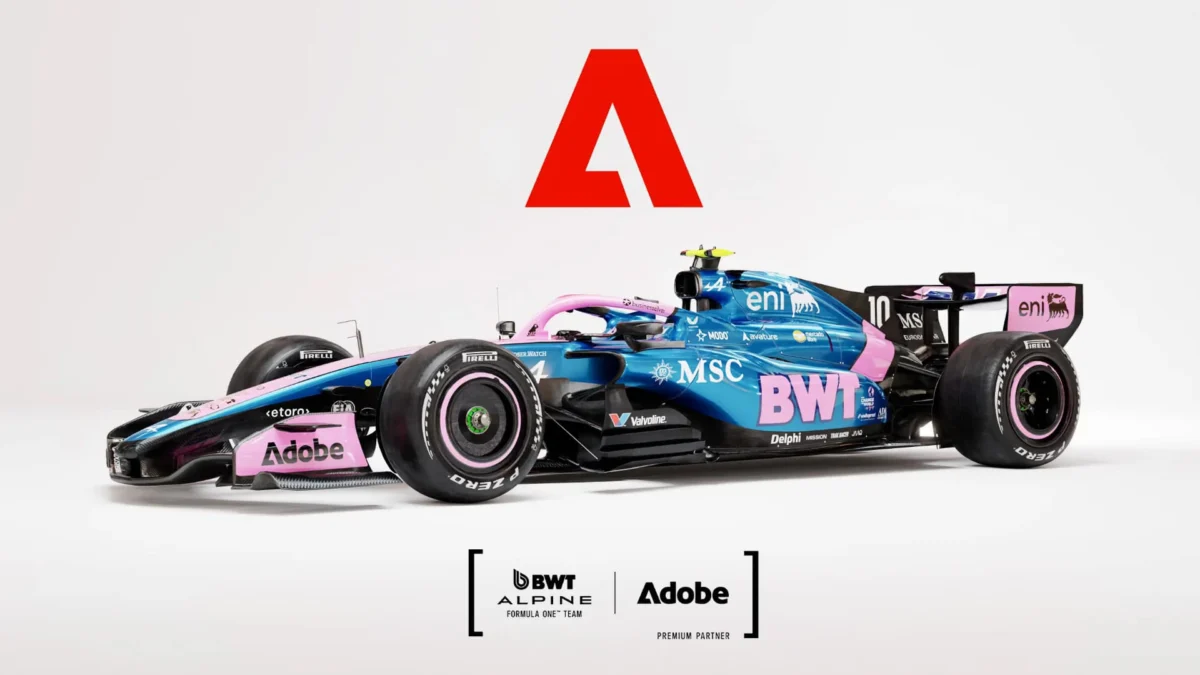
In the high-octane world of Formula 1, where split-second decisions on the track often determine the difference between a podium finish and a retirement, the race off the track has become equally competitive. As F1 continues its meteoric rise in global popularity, teams are no longer just racing for constructor points; they are racing for the attention and loyalty of a digital-native audience.
In a landmark move that signals a paradigm shift in sports marketing, the BWT Alpine Formula One Team has announced a global premium partnership with Adobe. Effective for the 2027 season and beyond, Adobe will serve as the team’s "Official AI Fan Experience Partner." This collaboration represents more than a standard sponsorship; it is a deep-tech integration designed to leverage artificial intelligence to overhaul how a professional racing outfit interacts with its global fanbase.
The Strategic Horizon: Main Facts of the Partnership
The partnership between Alpine and Adobe is built upon four specific pillars of technological implementation. As the team prepares for a massive rebrand in 2027—transitioning to the "Gucci Racing Alpine Formula One Team"—the need for a sophisticated, data-driven fan strategy has become paramount.
The collaboration centers on four core Adobe technologies:
- Adobe GenStudio: Utilizing AI-powered content production, the team aims to scale its marketing efforts by generating personalized content variations tailored to specific fan demographics and regional interests.
- Adobe Experience Platform: This tool provides a real-time, 360-degree view of fan engagement. By analyzing how supporters interact with the team across various digital touchpoints, Alpine can optimize its messaging and channel strategy to ensure maximum resonance.
- Adobe Brand Visibility: In an era where AI agents and Large Language Models (LLMs) act as primary gateways to information, this system monitors and optimizes how the "Gucci Racing Alpine" brand appears in AI-generated search results.
- Adobe Express: This tool will be integrated into the fan experience, offering supporters the ability to interact with generative AI design tools, effectively democratizing the creation of team-branded assets.
A Chronology of Transformation
The road to this partnership did not happen in a vacuum. It follows a period of intense restructuring and strategic positioning for the Enstone-based outfit.
- Early 2024: Alpine begins evaluating its digital infrastructure, recognizing that while the team remains a mid-pack competitor on the track, its digital presence requires a "Big Four" level of sophistication to attract high-end commercial partners.
- Mid-2025: Negotiations with Adobe gain momentum as the team finalizes its high-profile title sponsorship deal with Gucci. The team realizes that the prestige of the Gucci brand requires a digital marketing engine capable of delivering high-luxury, high-tech experiences.
- Late 2025: Official announcement of the Adobe partnership. The scope is defined: it is not merely a logo placement, but a technical integration meant to span the 2027 season and beyond.
- The 2027 Outlook: The rebranding to "Gucci Racing Alpine Formula One Team" coincides with the rollout of the full Adobe AI suite, marking a new era where the team acts as much like a technology and fashion house as a racing constructor.
Supporting Data: The Business of F1 Marketing
The necessity for this pivot is supported by current trends in sports economics. Formula 1 has seen an unprecedented influx of younger, digitally engaged viewers, largely spurred by the success of platforms like Netflix’s Drive to Survive.
However, fan engagement is no longer about static broadcasting. According to recent industry metrics:
- Hyper-Personalization: Sports fans are 40% more likely to engage with content that is personalized to their specific driver preferences or team history.
- The AI Search Shift: With Google, Perplexity, and ChatGPT increasingly answering "Who is the best F1 driver?" or "What is the best team to support?", brands that fail to optimize for AI agents risk becoming invisible in the new digital ecosystem.
- The "Celebrity Effect": As F1 continues to draw A-list celebrities—from the Kardashians to global fashion icons—the "lifestyle" component of the sport has become a primary revenue driver. By merging the prestige of Gucci with the technical prowess of Adobe, Alpine is positioning itself to capture the "lifestyle" demographic that often values brand identity over raw lap times.
Official Responses and Industry Sentiment
While the partnership has been met with excitement in the tech sector, it has also sparked conversation within the paddock.
"This partnership is about bridging the gap between the physical speed of the car and the digital speed of our content," stated an Alpine spokesperson. "We are moving into an era where our fans expect to be co-creators. With Adobe’s AI tools, we are providing them with the canvas, while using data to ensure our own content hits the mark every single time."
Adobe’s leadership has echoed this sentiment, framing the deal as a template for the future of sports-tech integration. "F1 teams are effectively global media companies," said a representative from Adobe. "The goal is to ensure that the Gucci Racing Alpine brand remains top-of-mind, not just during the race weekend, but in every AI-assisted query and social media interaction throughout the week."
Critics, however, remain wary. Some purists argue that the intrusion of AI and "sleb" culture risks diluting the technical integrity of the sport. The concern is that as teams become increasingly preoccupied with digital brand visibility, the focus on track performance—where Alpine has historically struggled to break into the elite tier of Mercedes, Ferrari, McLaren, and Red Bull—might be diverted.
Implications: The Future of the F1 "Midpack"
The implications of this partnership are far-reaching. For the BWT Alpine team, this is a calculated gamble: by investing heavily in the "off-track" experience, they are creating a brand that is too valuable to fail.
1. The Death of One-Size-Fits-All Marketing
The days of a single, global marketing campaign are effectively over. Through Adobe GenStudio, Alpine will be able to iterate content for a fan in Tokyo differently than a fan in Paris or Mexico City. This granular approach is essential for a sport that is currently experiencing its greatest period of geographic expansion.
2. The AI-Optimization Arms Race
If Alpine’s Brand Visibility initiative proves successful, it will undoubtedly trigger an "arms race" among other F1 teams. We should expect to see McLaren, Ferrari, and others following suit, hiring "AI Search Engineers" to ensure their team is the first result provided by LLMs when users ask for the "most innovative" or "best-looking" car on the grid.
3. The Fashion-Tech Nexus
The transition to "Gucci Racing Alpine" is a landmark moment in the commercialization of Formula 1. It signifies the maturation of the sport into a luxury asset class. By utilizing Adobe’s AI design tools, the team is likely looking to offer fans digital-physical experiences—perhaps allowing fans to design their own limited-edition team merchandise that integrates Gucci design elements, powered by generative AI.
4. Competitive Parity and the "Big Four"
Alpine is currently a mid-pack team. While they have shown flashes of brilliance—notably through the driving efforts of Pierre Gasly—they have not yet reached the sustained dominance of the Big Four. This partnership suggests that if Alpine cannot win the championship on the track immediately, they intend to win it in the boardrooms and the digital feeds of the next generation of fans.
Conclusion: The Race Beyond the Grid
As we look toward the 2027 season, the narrative of Formula 1 is clearly shifting. It is no longer just a contest of aerodynamics and engine efficiency; it is a battle for digital real estate.
Whether the integration of Adobe’s AI suite will translate into better performance on the tarmac remains to be seen. However, in the high-stakes world of modern sports, the brand that controls the narrative, captures the data, and dominates the AI search results is the brand that will survive the next decade of evolution.
For the BWT Alpine team—soon to be Gucci Racing Alpine—this is a strategic masterstroke. They are betting that in the future, the "fan experience" will be the most valuable trophy of all. And if their recent 2027 driver lineup announcement is any indication, they have no intention of settling for anything less than a seat at the top table of global sports brands.
