
From Sitcom Sidekick to Industry Titan: The Enduring Legacy of Billy Bob Thornton and John Ritter’s Collaboration
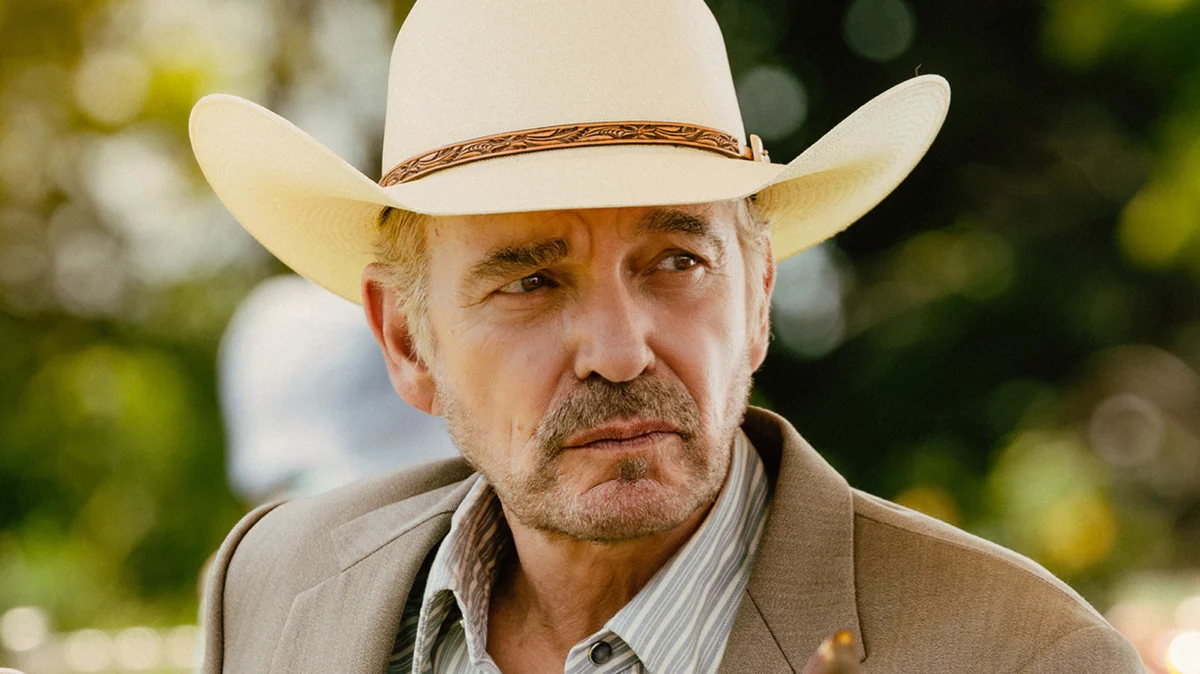
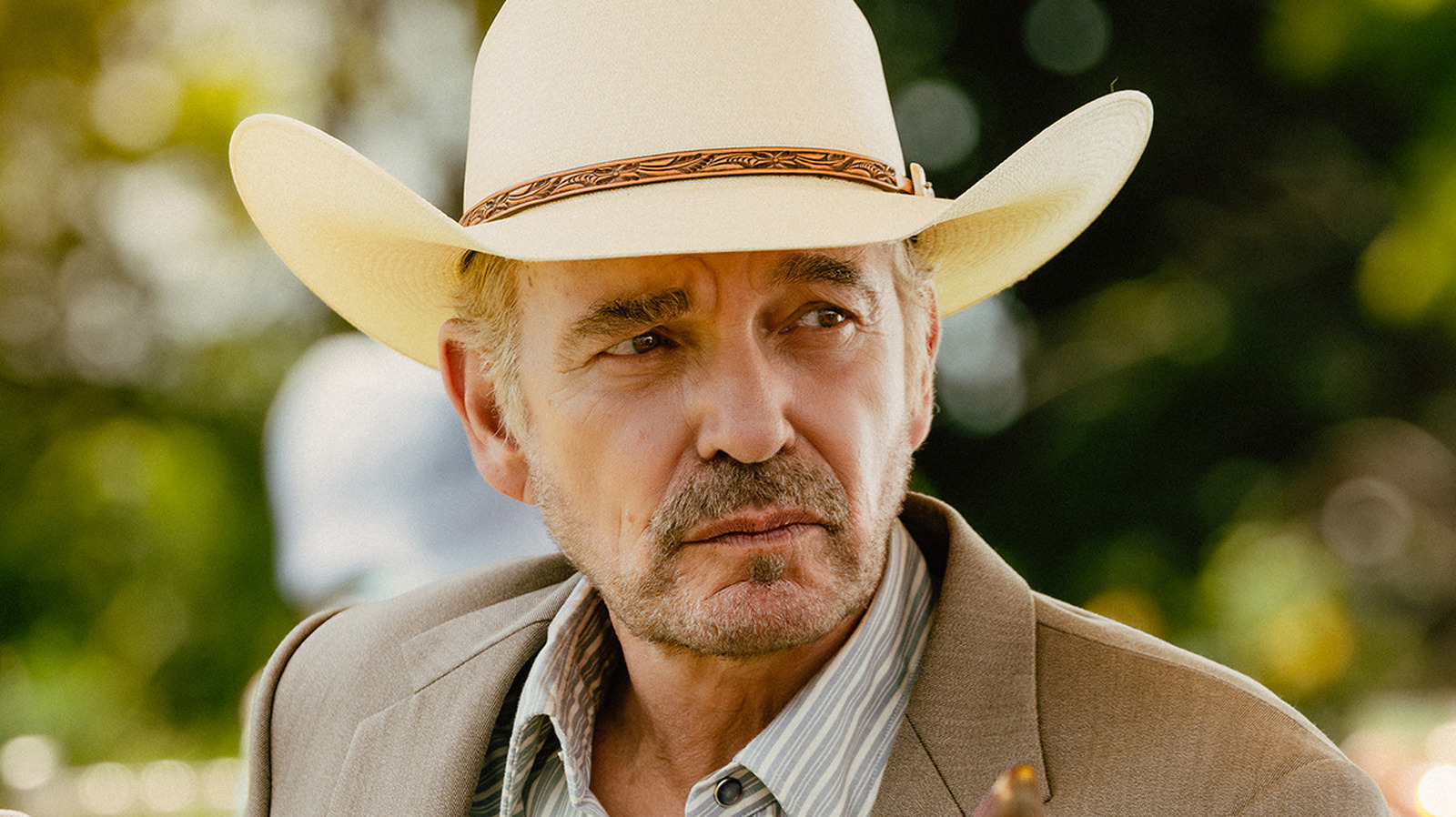
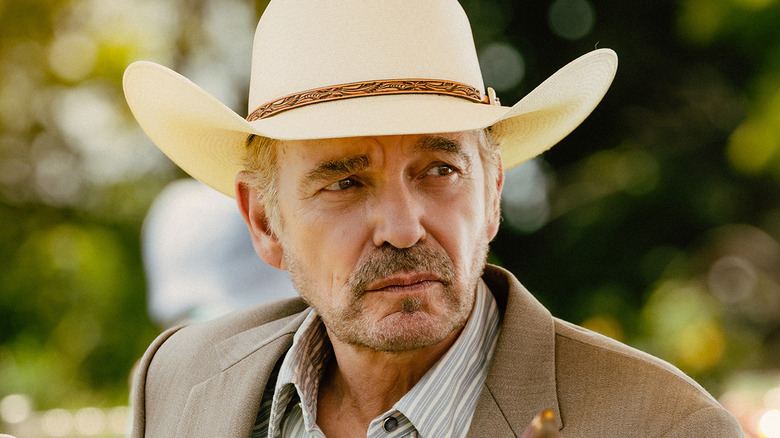
While audiences today are captivated by the gritty, high-stakes world of Taylor Sheridan’s Paramount+ oil drama Landman, where Billy Bob Thornton commands the screen with the gravitas of a seasoned veteran, the 71-year-old actor’s path to becoming a modern television icon was paved decades ago. Before his powerhouse performances in Fargo or his current turn as the cynical, weathered Tommy Norris, Thornton was an up-and-coming character actor cutting his teeth on the soundstages of early 1990s network television.
It was during this formative era that Thornton found a creative soulmate in the late, great John Ritter. Their professional intersection on the CBS sitcom Hearts Afire not only provided a platform for Thornton to refine his craft but also sparked a friendship that would eventually reshape independent cinema.
The Genesis of a Partnership: Hearts Afire
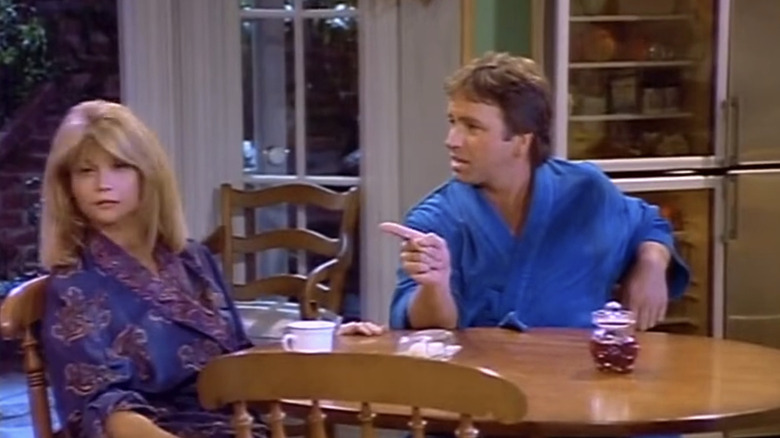
Created by the prolific Linda Bloodworth-Thomason—the mastermind behind the enduring cultural touchstones Designing Women and Evening Shade—Hearts Afire was positioned as a high-profile vehicle for John Ritter. Having cemented his status as a television immortal through his portrayal of the bumbling, lovable Jack Tripper on Three’s Company, Ritter was looking for a role that could showcase his dramatic range and impeccable timing in a more mature setting.
Thornton, at the time, was still climbing the Hollywood ladder. Having debuted in the 1986 film Hunter’s Blood and making guest appearances on shows like Matlock, he was a known quantity to those in the industry who recognized his unique, dry wit and innate ability to disappear into character. Bloodworth-Thomason, recognizing this spark, cast Thornton as Billy Bob Davis, a role that allowed him to lean into his natural Southern charm and comedic timing.
The show followed the budding romance between Ritter’s character, John Hartman, a conservative aide in Washington D.C., and Markie Post’s Georgie Anne Lahti, a journalist with a more progressive outlook. Thornton served as the loyal, albeit eccentric, best friend. Little did the cast or the network executives know that the chemistry bubbling between Thornton and Ritter off-camera would soon become one of the most significant creative partnerships in the history of independent film.
Chronology: From the Washington Beltway to Sling Blade
The timeline of their collaboration is a testament to the power of artistic synergy. Their work together on Hearts Afire spanned from 1992 to 1995, a period that served as a crucible for Thornton’s burgeoning creative ambitions.
- 1992: Hearts Afire premieres on CBS. Thornton and Ritter begin a three-year stint working side-by-side, frequently improvising and honing their craft during downtime between takes.
- 1993: The series undergoes a massive creative overhaul. Faced with criticism regarding the political nature of the first season, producers pivot to a "fish-out-of-water" narrative, moving the characters from the D.C. political scene to a small town in the Midwest. Thornton survives this transition, proving his value as a scene-stealer.
- 1995: Hearts Afire concludes after three seasons. Thornton, having spent years observing Ritter’s work ethic and sharing his own burgeoning ideas, begins to look toward his directorial debut.
- 1996: The fruit of their partnership is realized in Sling Blade. Thornton casts Ritter as Vaughan Cunningham, a pivotal role in the film that would earn Thornton an Academy Award and launch him into the stratosphere of A-list stardom.
- 2003: The tragic and untimely passing of John Ritter. Thornton, deeply affected by the loss of his friend and frequent collaborator, reflects on their shared history, including their final reunion in the dark comedy Bad Santa.
Supporting Data: The "Sling Blade" Origin Story
It is a little-known piece of Hollywood lore that the voice of Karl Childers—the mentally challenged, knife-wielding protagonist of Sling Blade—was actually born on the set of Hearts Afire.
According to reports from the era, Thornton would frequently slip into the persona of the "mentally challenged hillbilly" while waiting for the cameras to roll, specifically to amuse Ritter. Thornton has often noted that Ritter was one of the few people who genuinely understood the nuance and humanity he was attempting to inject into that character. By the time production for Sling Blade began, Ritter was the natural choice for the role of the kind-hearted Vaughan Cunningham.
This wasn’t just a case of two actors working together; it was a mentorship. Ritter, a seasoned television veteran, provided a sense of stability and validation that gave Thornton the confidence to pursue his own vision. The result was not just a critical darling, but a film that redefined what independent Southern gothic cinema could be.
Official Responses and Creative Shifts
The evolution of Hearts Afire is a fascinating case study in network television’s struggle to find a balance between satire and mass appeal. The Deseret News noted in 1993 that the show’s original political framing was "often of questionable taste," leading to the decision to move the characters to a more traditional, "wholesome" Midwestern setting.
While the loss of the political satire might have been a blow to the show’s original premise, it allowed Thornton’s character, Billy Bob Davis, to shine in a more grounded environment. Critics at the time frequently praised his performance, noting that his "deadpan observations and dry wit" often saved otherwise pedestrian scenes.
The production also benefited from the inclusion of television legend Ed Asner, who played Georgie’s father. Having a veteran of Asner’s caliber on set further elevated the performances of the younger cast members, creating an environment where someone like Thornton could experiment with character work without the pressure of having to carry the show entirely on his shoulders.
Implications for Modern Television
Why does this history matter in the context of Landman? Because it highlights the long-game of a career in Hollywood. Billy Bob Thornton’s current success as Tommy Norris is not a sudden rise; it is the culmination of decades of refining his craft, building relationships, and learning from the best in the business.
When we watch Thornton navigate the complex moral landscape of the Texas oil industry in Landman, we are seeing a performer who has spent thirty years perfecting his ability to hold an audience’s attention with a single glance. His ability to anchor a show as ambitious as Taylor Sheridan’s latest project is directly rooted in the discipline he learned in the trenches of network television.
Furthermore, the enduring influence of his partnership with John Ritter serves as a reminder of the "ripple effect" of creativity. Many of the techniques and character-building strategies Thornton employed in the 90s are now being deployed at a much larger scale on streaming platforms. The industry may have changed—from the constraints of CBS sitcom schedules to the expansive, cinematic scope of Paramount+—but the core tenets of performance remain the same.
Conclusion
The story of Billy Bob Thornton and John Ritter is one of friendship, professional respect, and the serendipitous nature of the entertainment industry. While Hearts Afire may have faded from the collective consciousness of the general public, its impact on the trajectory of American film and television is undeniable.
As Thornton continues to garner acclaim for Landman, audiences are invited to look back at the humble beginnings of a legend. Whether he is playing a cynical oil field fixer or a quiet man with a tragic past, the DNA of his work remains consistent: a deep, abiding commitment to the humanity of his characters. It is a legacy that was nurtured in the laughter shared on a sitcom set between two friends, a legacy that continues to define the landscape of modern television.
As we look toward the future of Landman and the inevitable next steps in Thornton’s career, we can appreciate the foundation upon which his current success is built—a foundation of hard work, collaboration, and the timeless, indelible mark left by his dear friend, John Ritter.
