
Blackmagic PYXIS 12K Gains Phase-Detect Autofocus in Major New Beta Firmware Update
By 4KS Editorial
Published: August 27, 2026
Main Facts: The Evolution of Blackmagic’s Focusing Technology
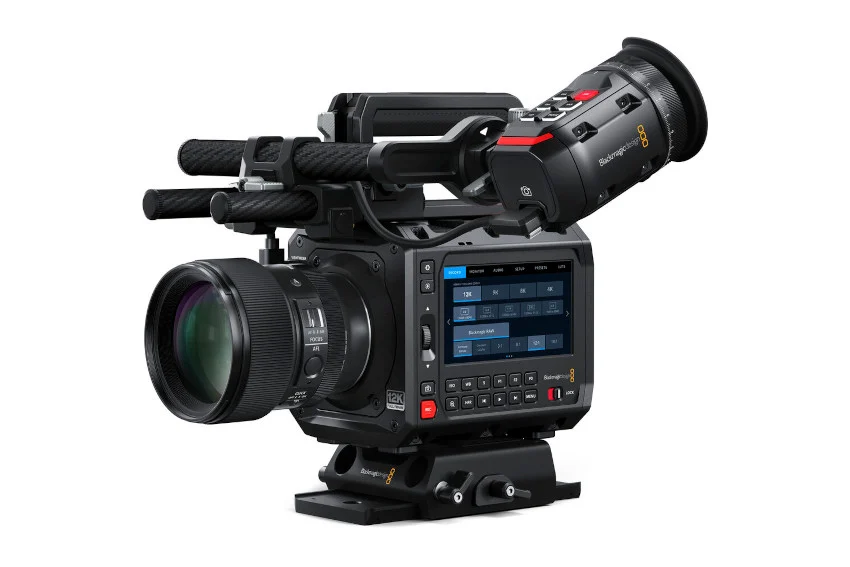
Blackmagic Design continues to reshape the landscape of high-end digital cinematography by expanding its proprietary phase-detect autofocus (PDAF) ecosystem. In a significant development for high-resolution cinema production, the company has released a new beta build extending phase-detect autofocus capabilities to the flagship Blackmagic PYXIS 12K.
This cutting-edge update brings the PYXIS 12K in line with its sibling cameras, the PYXIS 6K and the Blackmagic Cinema Camera 6K, bridging the gap between traditional manual cinema workflows and modern, agile shooting configurations. Currently, the beta firmware is available for testing exclusively on macOS systems, with a Windows-compatible build expected to roll out in the near future.
While Blackmagic Design has historically catered to purists who rely on dedicated focus pullers and manual lenses, the integration of advanced continuous autofocus, face-tracking, and object-detection algorithms marks a profound philosophical shift. The company is actively acknowledging the realities of modern commercial production, documentaries, solo-shooter environments, and gimbal-heavy operating, where maintaining razor-sharp focus on a massive 12K sensor can pose extraordinary physical challenges.
Chronology: The Rollout of Phase-Detect Autofocus Across the Lineup
To understand the significance of the PYXIS 12K beta release, it is helpful to trace the rapid deployment of phase-detect autofocus across Blackmagic Design’s current generation of cinema cameras over the past several months:
- June 3, 2026: Blackmagic Design releases Camera 10.2 software, officially introducing phase-detect autofocus to the Blackmagic PYXIS 6K. This foundational update introduces continuous autofocus, smart face detection, and dynamic object tracking to the box-style camera design.
- August 2026: Building upon the success of the 6K platform, Blackmagic deploys Camera 10.2.2 to the Blackmagic Cinema Camera 6K. This update brings not only PDAF and face/object detection but also introduces fine-tuned autofocus transition-speed controls and the invaluable ability to map autofocus mode switching directly to camera shortcut keys.
- August 27, 2026: Blackmagic announces the new beta build on its official community forums, officially bringing the phase-detect autofocus feature set to the ultra-high-resolution PYXIS 12K.
- Present Day: The firmware is released as a public beta for Mac users, initiating a testing phase designed to gather real-world telemetry and operator feedback before a stable, production-ready version is finalized.
Supporting Data: Technical Capabilities of the New Firmware
The introduction of phase-detect autofocus to a 12K large-format cinema camera is a formidable technical achievement. High-resolution sensors inherently demand hyper-critical focus accuracy; even microscopic deviations are brutally exposed when capturing imagery at 12K resolution.
Core Features Included in the Beta Build:
- Phase-Detect Autofocus Architecture: Leverages pixel-level phase detection hardware on the sensor to calculate distance and direction instantaneously, eliminating the hunting and pulsing commonly associated with older contrast-based autofocus systems.
- Continuous Autofocus (CAF): Actively tracks moving subjects across the frame, ensuring that talent remains in critical focus during dynamic camera movements.
- Face and Object Tracking: Utilizes intelligent algorithms to recognize human subjects and lock onto specified objects, allowing operators to delegate focus management to the camera during fast-paced sequences.
- Workflow Integration: Designed to integrate seamlessly with Blackmagic RAW (BRAW) recording pipelines, preserving maximum post-production flexibility without bottlenecking data throughput.
Despite these advanced features, industry analysts and Blackmagic representatives emphasize that this software iteration remains strictly in beta status. Cinematographers and camera operators preparing for high-stakes, paid commercial productions are strongly advised to thoroughly test the firmware in controlled environments before deploying it on mission-critical shoots.
Official Responses and Community Reception
The release of the beta firmware via the official Blackmagic Design Community Forum has ignited robust discussions among cinematographers, independent filmmakers, and gear reviewers.
Historically, the cinematic community has maintained a skeptical view of autofocus, often dismissing it as a consumer-grade feature ill-suited for professional narrative storytelling. However, reactions to Blackmagic’s recent implementation of PDAF have been surprisingly positive. Early adopters of the PYXIS 6K and Cinema Camera 6K have praised the organic feel of the focus transitions, noting that the system behaves less like a twitchy mirrorless hybrid and more like an attentive, human focus puller.

In official statements accompanying previous software iterations, Blackmagic Design has stressed that these updates aim to expand creative freedom rather than replace traditional workflows. By allowing solo operators and small-crew documentary teams to trust the camera’s internal tracking during unpredictable field conditions, operators can concentrate more heavily on composition, lighting, and performance.
Community feedback on the Mac-only PYXIS 12K beta has been overwhelmingly eager, though users running Windows workstations have expressed mild frustration regarding the staggered release schedule. Blackmagic has assured the user base that Windows support is actively being finalized.
Implications: What This Means for the Future of Blackmagic Cinema Cameras
The integration of phase-detect autofocus into the PYXIS 12K carries profound implications for the future direction of Blackmagic Design’s camera ecosystem.
1. Blurring the Line Between Cinema and Hybrid Cameras
For years, traditional cinema cameras prioritized raw image quality, modular rigging, and manual controls, while hybrid mirrorless cameras dominated the autofocus arena. By bringing sophisticated, reliable PDAF to a dedicated 12K cinema platform, Blackmagic is signaling that operators no longer have to choose between ultra-high-end cinema pipelines and modern operational conveniences.
2. Democratizing High-End Production
Shooting at 12K resolution introduces immense technical hurdles—particularly shallow depths of field when pairing large-format sensors with fast cinema glass. By automating focus acquisition reliably, Blackmagic is lowering the barrier to entry for small crews. Solo documentary filmmakers, corporate videographers, and independent directors can now harness extreme resolutions and massive sensor formats without needing dedicated focus pullers on every single setup.
3. A Unified Hardware and Software Vision
The rapid cascade of PDAF updates—moving from the PYXIS 6K to the Cinema Camera 6K, and now arriving at the PYXIS 12K—illustrates Blackmagic’s unified approach to hardware and software engineering. Rather than treating each camera model as an isolated island, Blackmagic is progressively unifying its modern camera lineup under a shared processing and autofocus architecture.
Looking Ahead
As the PYXIS 12K beta undergoes rigorous testing by the Mac community, all eyes are on Blackmagic Design to see how the system performs under extreme cinematic workloads. If the phase-detect autofocus proves as robust on the 12K sensor as it has on its 6K counterparts, it could fundamentally alter how directors and cinematographers approach high-resolution, fast-moving production environments.
Filmmakers interested in testing the beta build can access the installation files and documentation directly through the official Blackmagic Design Support Forum. As always, operators should back up their camera systems and proceed with caution when implementing pre-release software into their professional gear lockers.
