
The Phoenix of Animation: How Coyote vs. Acme Overcame Corporate Burial to Secure Historic Oscar Eligibility
By Jamie Lang | Expanded and Enriched Coverage
October 27, 2026
Introduction: A Legal Battle On and Off the Screen
In a cinematic saga that reads more like a dramatic Hollywood fiction than industry reality, Coyote vs. Acme has officially cleared its most significant hurdle yet. The Academy of Motion Picture Arts and Sciences has officially ruled that the hybrid live-action/animation feature is eligible to compete for the Best Animated Feature Oscar at the upcoming 2027 Academy Awards.
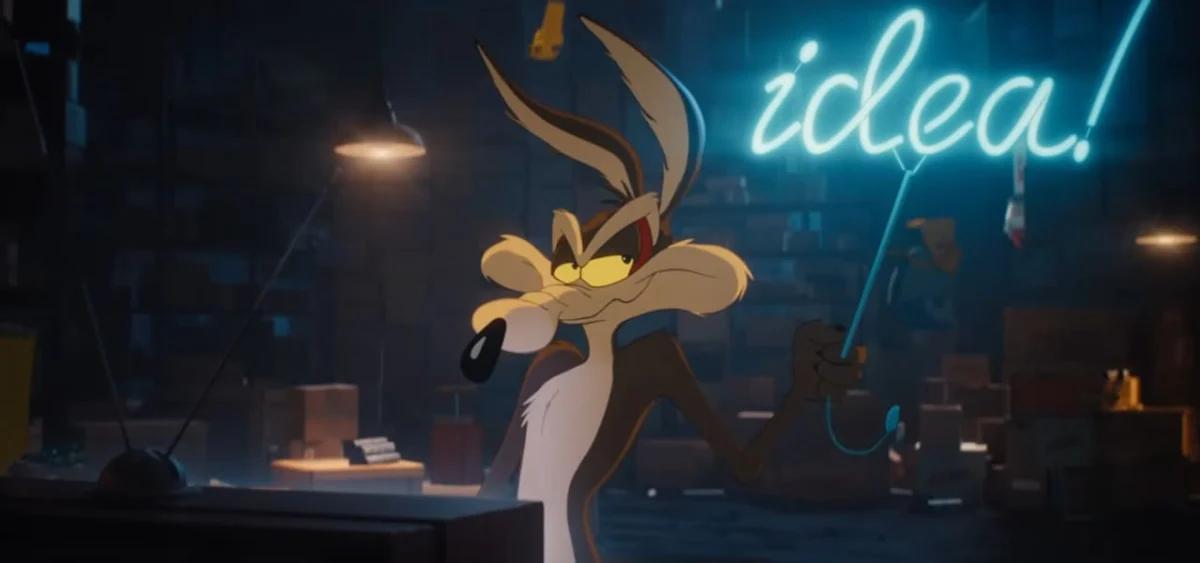
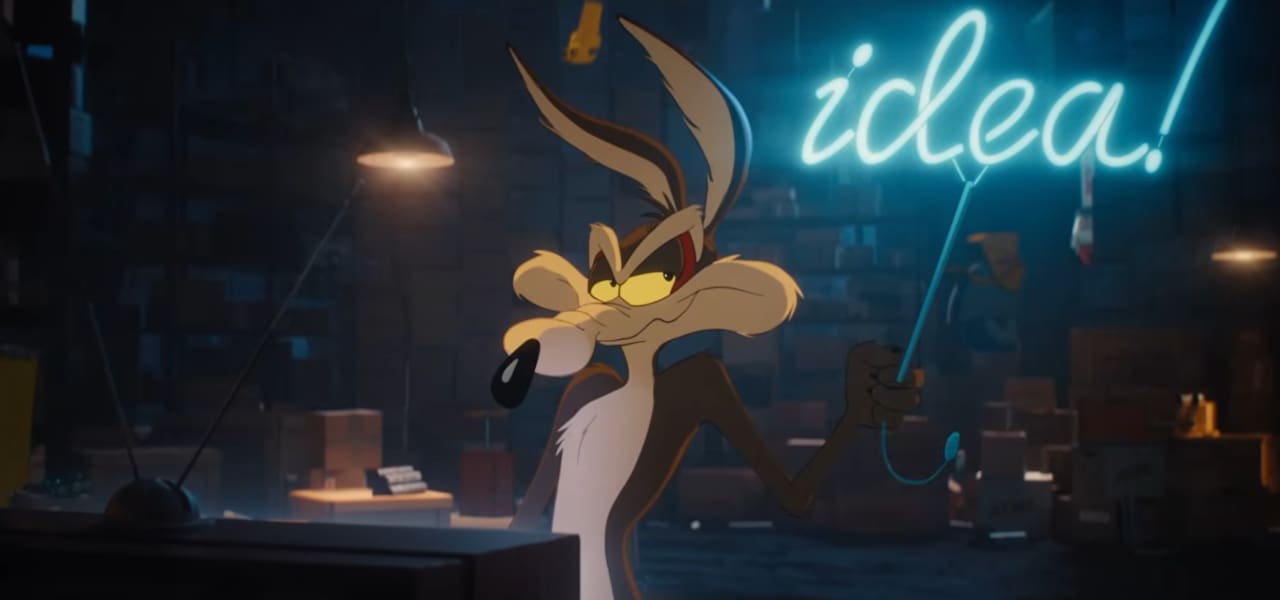
Distributed by Ketchup Entertainment, the film directed by Dave Green is now poised to throw a king-sized, Acme-branded wrench into this year’s awards season calculations. Written by Samy Burch, the film puts the legendary, chronically unlucky Wile E. Coyote front and center as he teams up with a down-on-his-luck human lawyer—played by comedic stalwart Will Forte—to sue the Acme Corporation for a lifetime of defective merchandise, bodily harm, and emotional distress.
While the film’s creative merits and enthusiastic audience reception have long been established, its path to Oscar eligibility was fraught with uncertainty. The Academy’s green light not only validates the film’s unique technical achievements but also serves as the latest, most poetic twist in a release history defined by corporate malpractice, public outcry, and a remarkable phoenix-like resurrection.
Main Facts: What the Academy’s Ruling Means
The announcement, first analyzed by Gold Derby, dispels months of speculation regarding whether Coyote vs. Acme would meet the rigorous technical thresholds required by the Academy’s Short Films and Feature Animation Branch.
Under the Academy’s current guidelines, films submitted in the Best Animated Feature category must satisfy specific production metrics:
- The 75% Rule: At least 75% of the movie’s total running time (excluding opening and end credits) must feature animation applied to the primary subject or subjects.
- Partial Frame Qualification: The rule does not mandate that every single element within a frame be computer-generated or hand-drawn; rather, it allows for live-action environments and actors to interact directly with animated characters, provided the primary animated subjects occupy the requisite screen time.
- Documentation Burden: Filmmakers and distributors must submit detailed breakdown reels and technical documentation proving that the digital character work meets or exceeds the threshold.
With Ketchup Entertainment confirming that it will formally submit the film for consideration, Coyote vs. Acme joins a very select group of hybrid features to successfully argue their case before the Academy. A potential nomination would place it in rare company alongside previous trailblazers like A24’s Marcel the Shell with Shoes On, which successfully navigated the animation branch’s scrutiny to secure a Best Animated Feature nomination at the 2023 ceremony.
Chronology: From the Cutting Room Floor to the Red Carpet
The timeline of Coyote vs. Acme is a masterclass in modern Hollywood volatility, transitioning from a studio casualty to a critical darling.
1. Development and Production (2018–2022)
Originally conceived years prior, the project gained serious momentum when director Dave Green and writer Samy Burch pitched a clever, courtroom-comedy spin on the classic Chuck Jones Looney Tunes shorts. Blending classic cartoon slapstick with a surprisingly poignant exploration of corporate accountability and underdog perseverance, the production wrapped physical and digital principal photography, earning strong internal test-screening scores.
2. The November 2023 Shelving
In November 2023, Warner Bros. Discovery (WBD) made the shocking announcement that it was completely shelving the fully completed Coyote vs. Acme. Despite being finished—and having reportedly cost around $70 million to produce—executives chose to write the film off as a tax loss, effectively locking it away in a corporate vault, unseen by the public and inaccessible to its creators.
3. Industry Backlash and the Rescue Effort
The decision triggered an unprecedented uproar across Hollywood. Directors, animators, guilds, and fans took to social media to condemn WBD’s strategy of burying completed art for short-term financial maneuvers. Under immense pressure, Warner Bros. reversed its stance slightly, permitting the filmmakers to shop the movie to other studios. Months of anxious negotiations followed, with multiple distributors circling the property before Ketchup Entertainment successfully stepped in to acquire the rights.
4. The Theatrical Release and Critical Acclaim
Upon finally hitting theaters, Coyote vs. Acme defied the traditional doom associated with "rescued" or tax-write-off casualties. It was met with overwhelmingly positive reviews from critics and audiences alike, who praised its sharp wit, heartfelt emotional core, and seamless blending of classic animation aesthetics with modern live-action comedy.
5. The Oscar Eligibility Uncertainty (August–October 2026)
As awards season chatter heated up, questions arose regarding its eligibility. In August 2026, initial reports suggested Ketchup might bypass an animation submission due to concerns over whether its hybrid live-action elements would disqualify it under the Academy’s strict percentage caps. However, those reports were premature; follow-up clarifications revealed that the studio was actively preparing its documentation for Academy review. That review has now concluded successfully, clearing the path for a full-scale awards campaign.
Supporting Data: Technical Triumphs and Industry Precedents
To understand why the Academy’s ruling is historic, one must look closely at how hybrid films are categorized in the industry. Historically, the Academy has maintained a strict firewall between live-action and animation branches, often resulting in hybrid features falling into a bureaucratic no-man’s-land.
[Production Phase] ---> [WBD Tax Write-Off (2023)] ---> [Ketchup Acquisition] ---> [Theatrical Success] ---> [Academy Eligibility Approved (2026)]- The Precedent Set by Marcel: When Marcel the Shell with Shoes On earned its Oscar nomination in 2023, it proved that stop-motion and digital enhancements integrated into live-action sets could meet the Academy’s criteria. Coyote vs. Acme pushes this boundary further by integrating a fully CG-animated, classic cartoon character—Wile E. Coyote—interacting with real human actors and physical sets on a grand scale.
- Financial and Creative Stakes: With a production budget estimated in the $70 million range, the film represents a massive investment in mid-budget, theatrical family entertainment—a sector that major studios have increasingly abandoned. Its commercial viability proves that audiences still crave theatrical comedies that bridge generations.
Official Responses and Industry Reactions
The news of the Academy’s eligibility ruling has sent ripples of validation through the creative community, particularly among those who fought to save the film from the corporate chopping block.
While major studio executives have largely remained tight-lipped regarding the film’s resurgence, creative talent involved in the project have expressed quiet vindication. In previous statements, director Dave Green and writer Samy Burch emphasized that the film was made with a deep-seated love for the Looney Tunes canon and a desire to honor the classic physical comedy of the character while giving him unexpected emotional depth.

Industry analysts tracking the race note that an Oscar campaign for Coyote vs. Acme will likely lean heavily on grass-roots support from animation guilds and artists who view the film’s very existence as a triumph over corporate censorship.
Implications: A Lasting Stain on Warner Bros. Discovery’s Legacy
Beyond its potential golden statuettes, the eligibility and subsequent awards push of Coyote vs. Acme carry profound implications for the broader entertainment landscape—particularly concerning the leadership legacy at Warner Bros. Discovery.
When WBD executives initially shelved the film in late 2023, it was part of a broader, aggressive corporate strategy spearheaded by CEO David Zaslav and his executive team. That strategy was defined by:
- Aggressive cost-cutting measures.
- High-profile project cancellations (including Batgirl and various animated series).
- The removal of completed content from streaming platforms to avoid residual payouts.
- A relentless focus on shrinking the massive debt load inherited from the AT&T/Discovery merger.
The decision to bury Coyote vs. Acme was widely panned as a low point for studio management, alienating top-tier creative talent and generating intense regulatory and public scrutiny.
Now, with the film playing to packed houses, earning critical acclaim, and officially competing on the highest stage in global cinema—the Academy Awards—the decision looks less like shrewd financial management and more like a catastrophic miscalculation. Several executives tied to the initial shelving decisions are no longer with the company, yet the ghost of those choices lingers.
If Coyote vs. Acme manages to secure an official Oscar nomination—or, worse for WBD, take home the statue—it will cement itself as an embarrassing historical footnote for the studio. It will stand forever as a glaring testament to the danger of bean-counters making artistic judgments, proving once and for all that great art, much like Wile E. Acme-backed plots, has a funny way of refusing to stay dead at the bottom of a canyon.
